
Common Hackberry
Celtis occidentalis
Also known as: Dwarf Hackberry
- Native to:
- Canada, United States, Virgin Islands
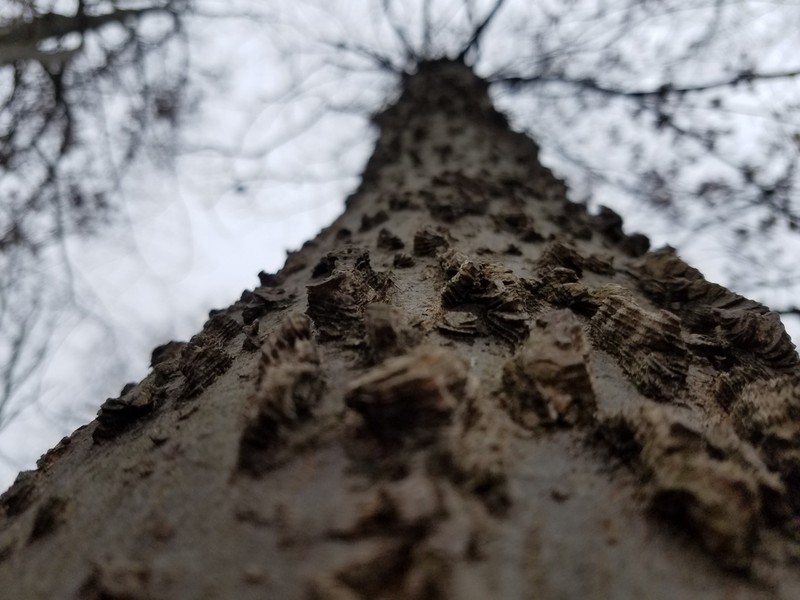
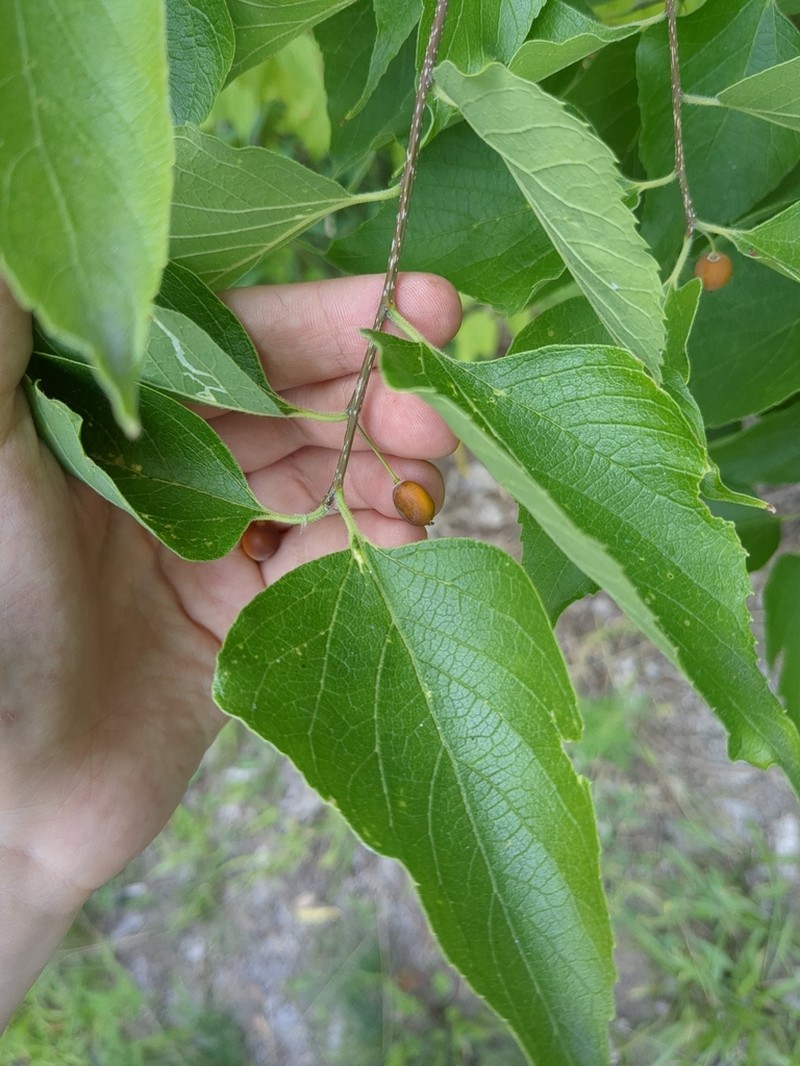
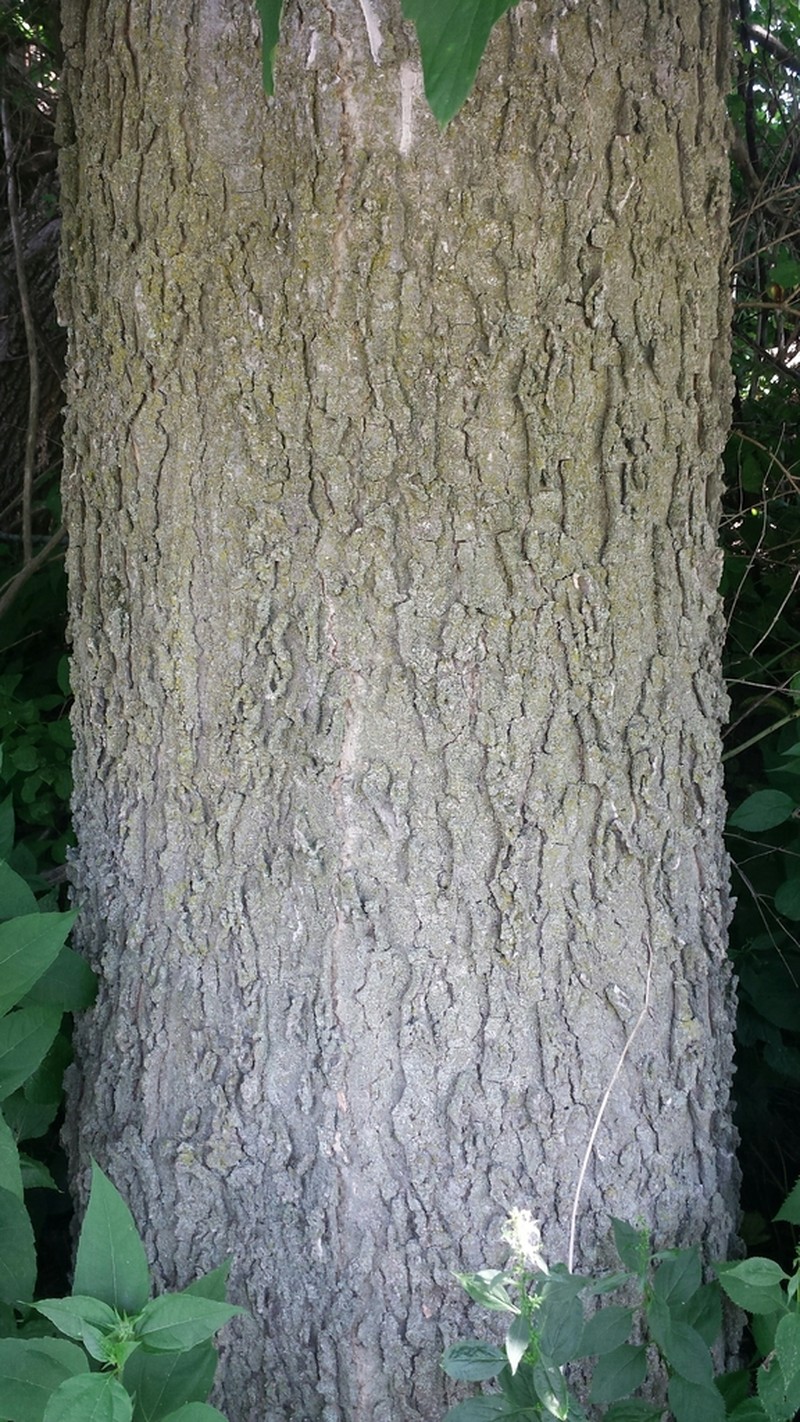
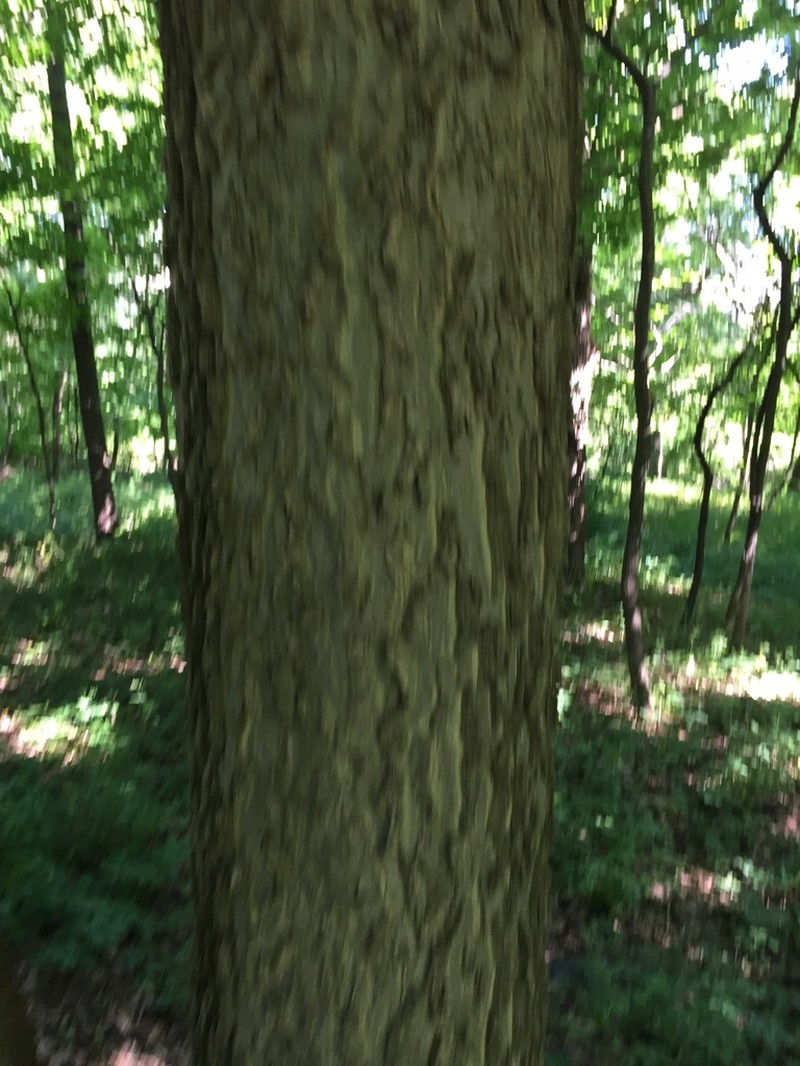
iNaturalist: © jacob_chisausky (iNaturalist #20082013)
Taxonomy
- Division:
- Magnoliophyta | - Flowering plants
- Family:
- Cannabaceae
- Genus:
- Celtis
- Species:
- Celtis occidentalis
- USDA Symbol:
- CEOC
Growth Characteristics
- Life Cycle:
- Perennial
- Growth Habit:
- Shrub , Tree
- Height:
- 3000 cm
- Light Requirements:
- Full Sun,Part Shade,Shade
- Drought Tolerance:
- High
- Bloom Months:
- apr,may
- Bloom Colors:
- greenish
Wildlife Benefits
- Bees:
- ★☆☆☆☆ Documented bee visitation (GBIF)
- Butterflies & Moths:
- ★★★☆☆ Documented Lepidoptera association (GBIF)
- Caterpillars:
- ★★★☆☆ Recorded caterpillar host plant (HOSTS Database)
Keystone Species Ranking
- Caterpillar Keystone:
- ★★★★☆ Butterfly & moth species supported by this genus (NWF)
Host Plant for Caterpillars
Reported Fauna Sightings
Garden & Ecology Notes
- Wildlife Value:
- birds, butterflies, small mammals
- Salt Tolerant:
- Yes
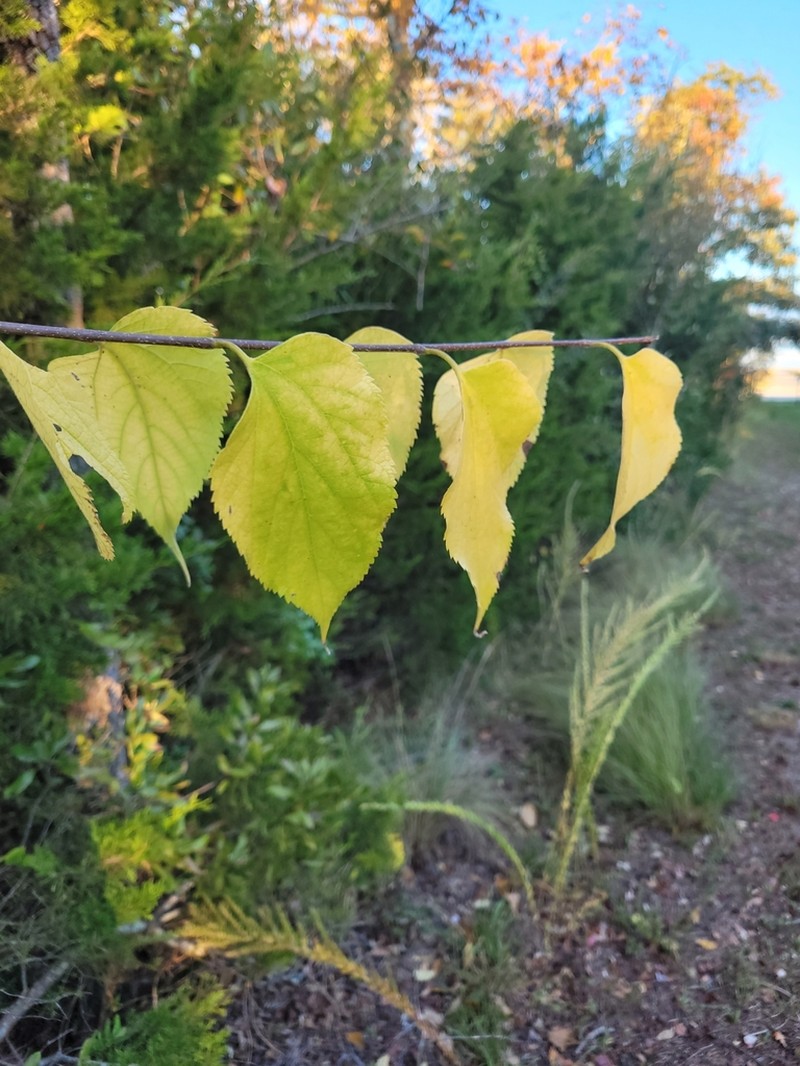
- Fall Color:
- yellow
Soil Requirements
- Soil Type:
- rich, well-drained loamy soil
- pH:
- 6.0 - 8.0 (slightly acidic to slightly alkaline)
- Drainage:
- tolerates poor drainage
- Moisture:
- dry to moderate
- Notes:
- adaptable to various soil types
Propagation & Germination
- Stratification:
- Cold/moist stratification required — 60–90 days
- Germination Time:
- 14–30 days
- Notes:
- Seeds benefit from cold stratification for 60-90 days to break dormancy; germination occurs in spring.
Pre-treatment: Seeds are cold stratified for 60 to 90 days and germinated at 21 C (69.8 F). Some protocols also suggest imbibing seeds in water for 2 days. Seeds are sown outdoors in nursery beds in the fall soon after collection and cleaning for natural stratification.
Establishment: Seeds are collected from various sources, including wild collection during fall months, parks in October, and local people who collect within a 50 mile radius of the nursery. The fruit is an orange to reddish, purplish, or black drupe that contains a single seed or nutlet. The hard, bony seeds are cream-colored and approximately 5.5 mm (0.22 in) in diameter at maturity.
Source: npn.rngr.net
Where to Buy
Nationwide Seller
- Sheffield's Seed (seeds)
- Prairie Moon Nursery (nursery and seeds)
- Native Plants Nursery (nursery)