
Celtis pallida
Celtis pallida
- Native to:
- Argentina | Bolivia | Brazil | Ecuador | Haiti | Mexico | Mexico Central, Mexico Gulf, Mexico Northeast, Mexico Northwest, Mexico Southwest | Paraguay | Puerto Rico | United States | AZ, FL, NM, TX | Uruguay | Venezuela
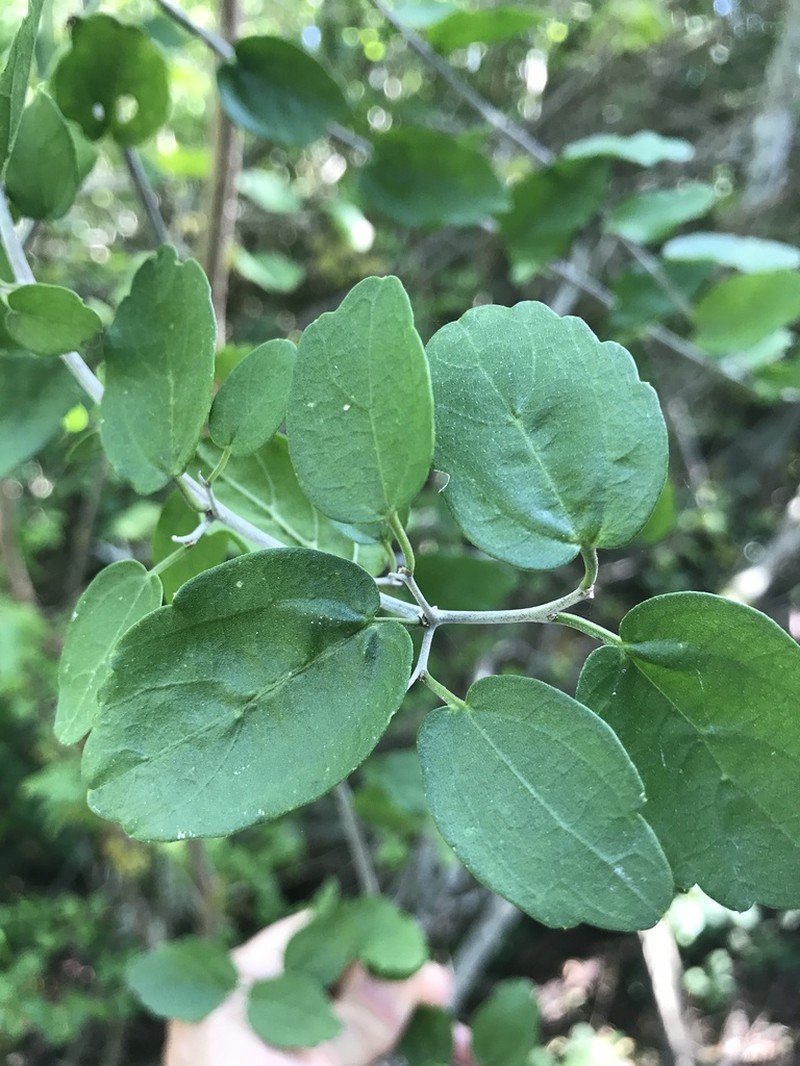
iNaturalist: © birdleaves (iNaturalist #37429402)
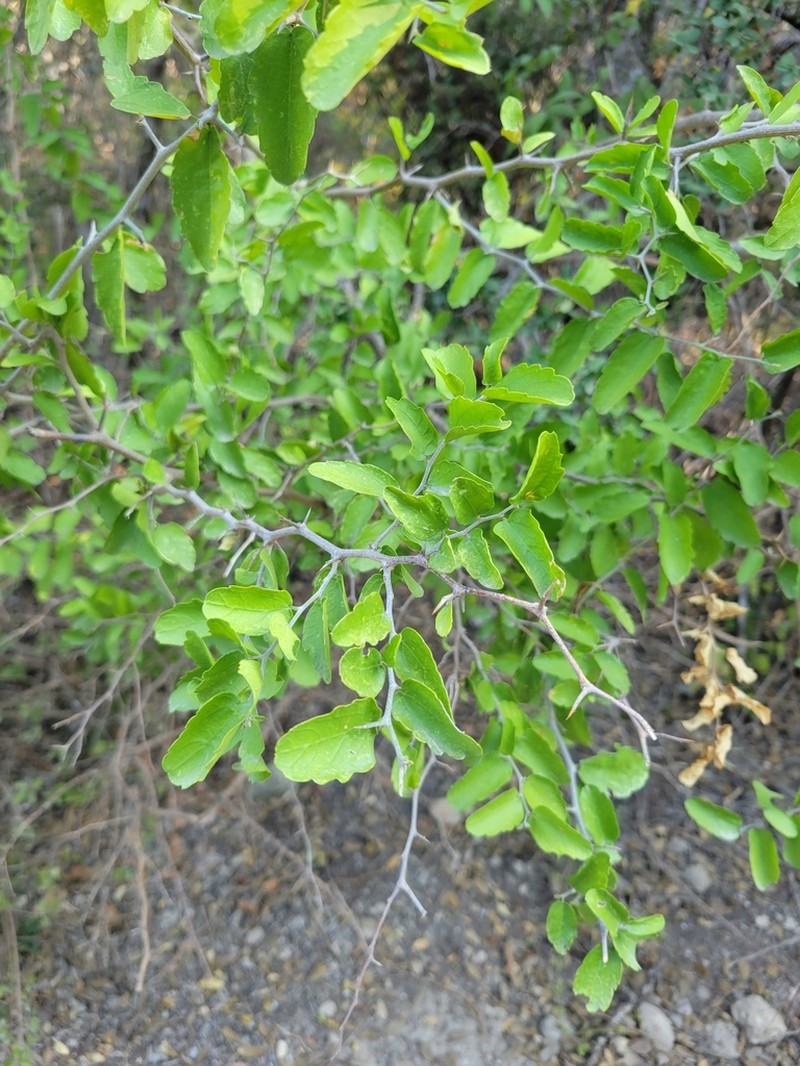
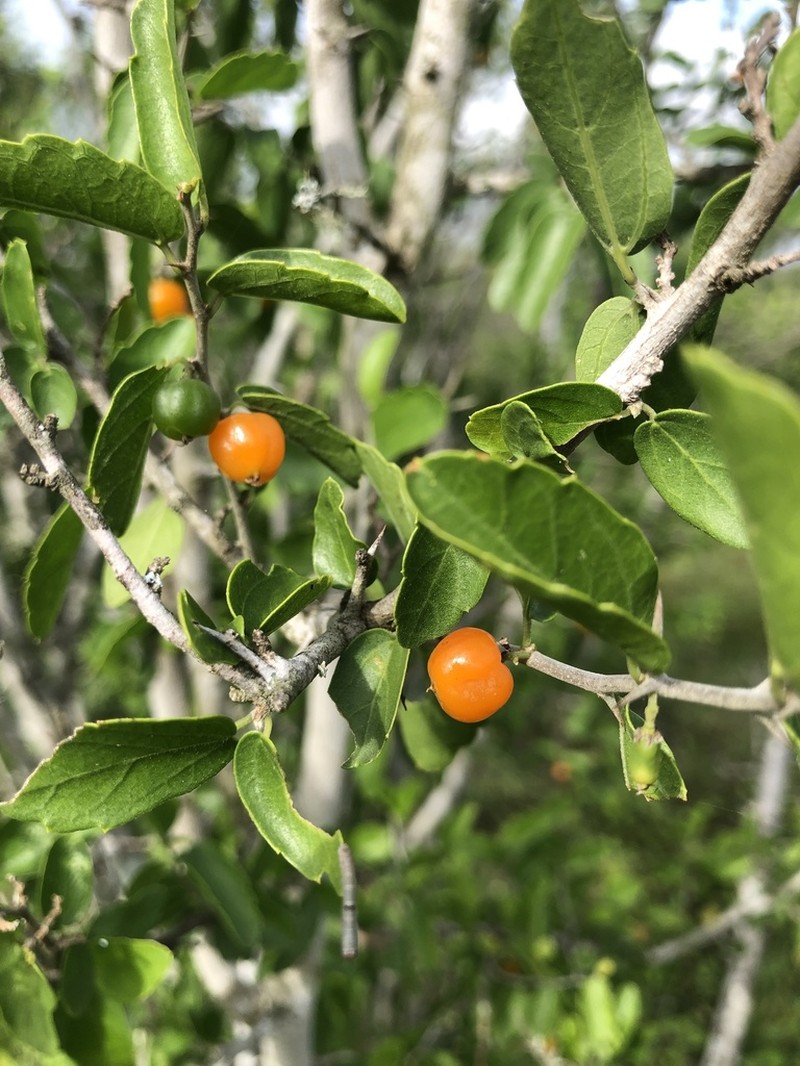
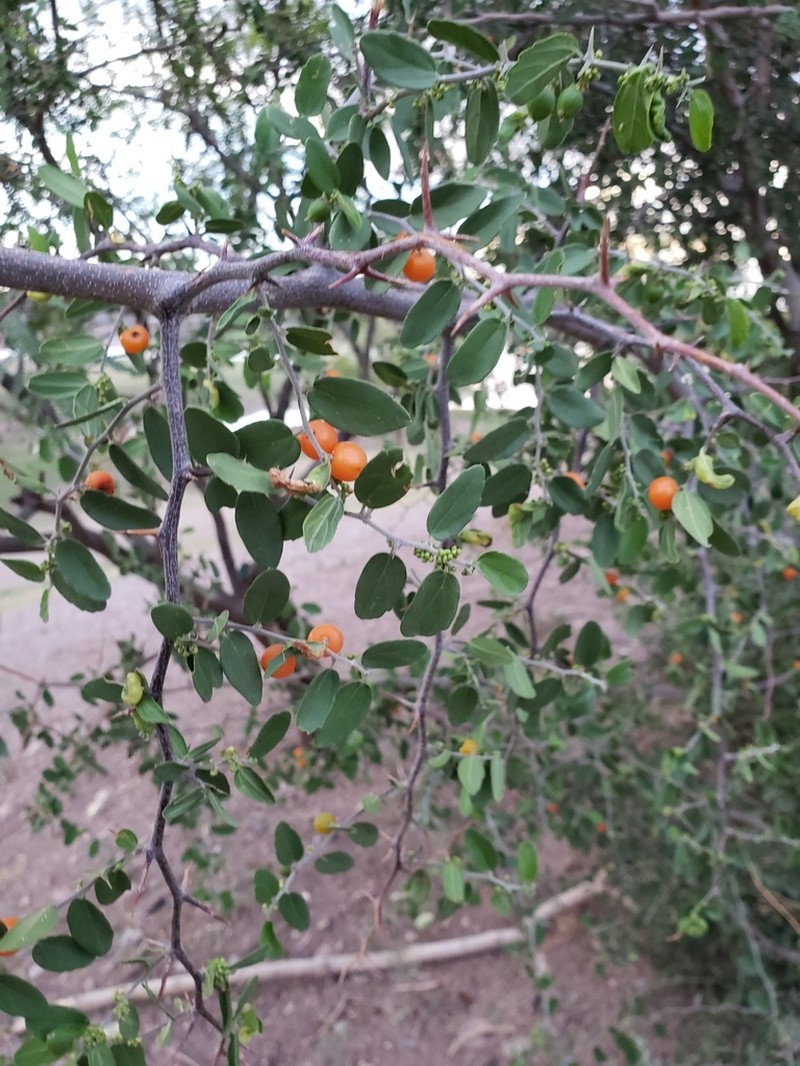
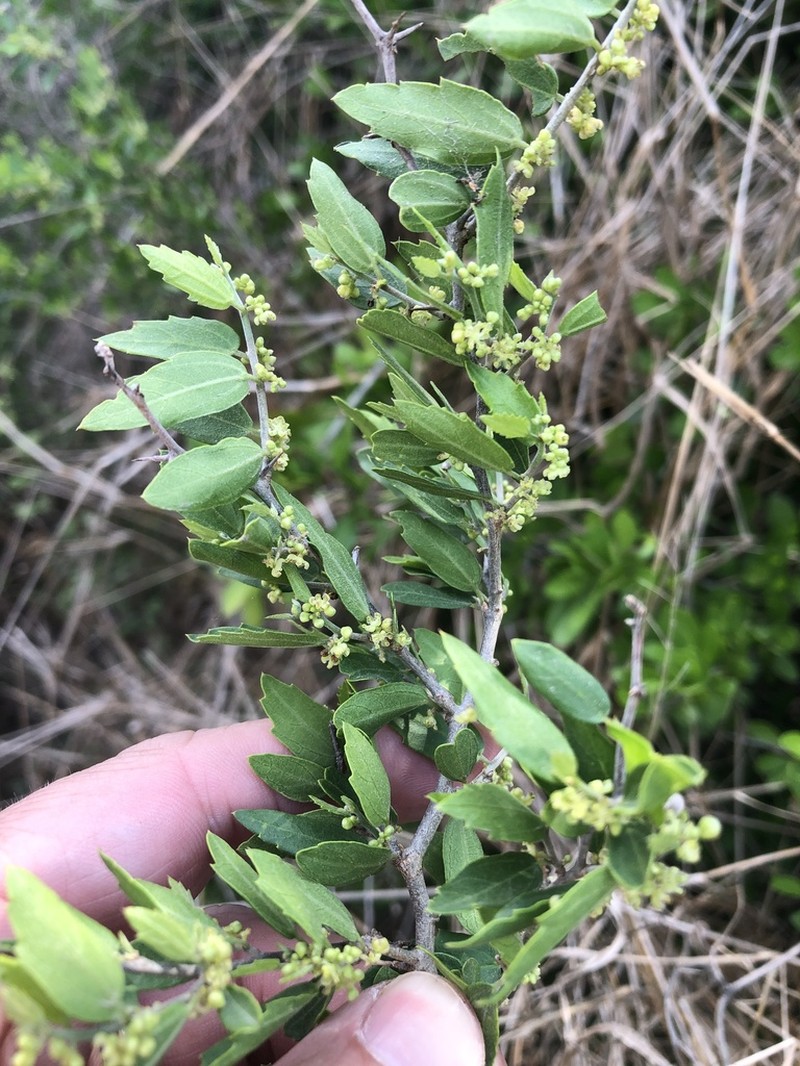
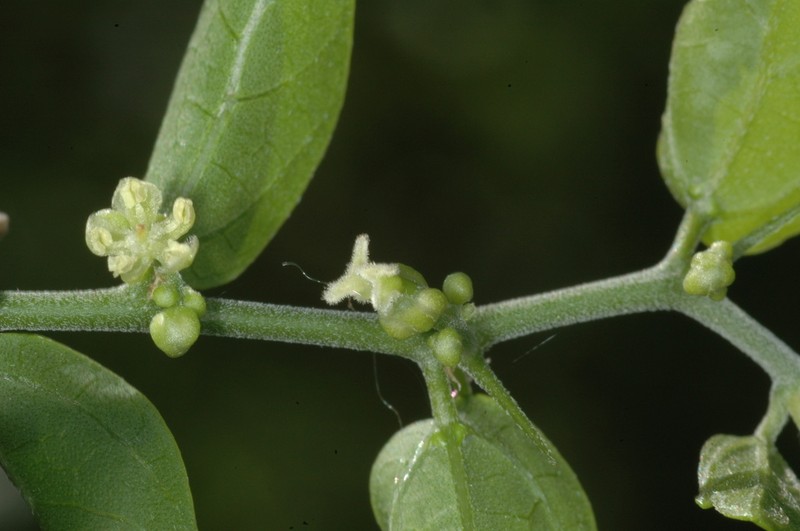
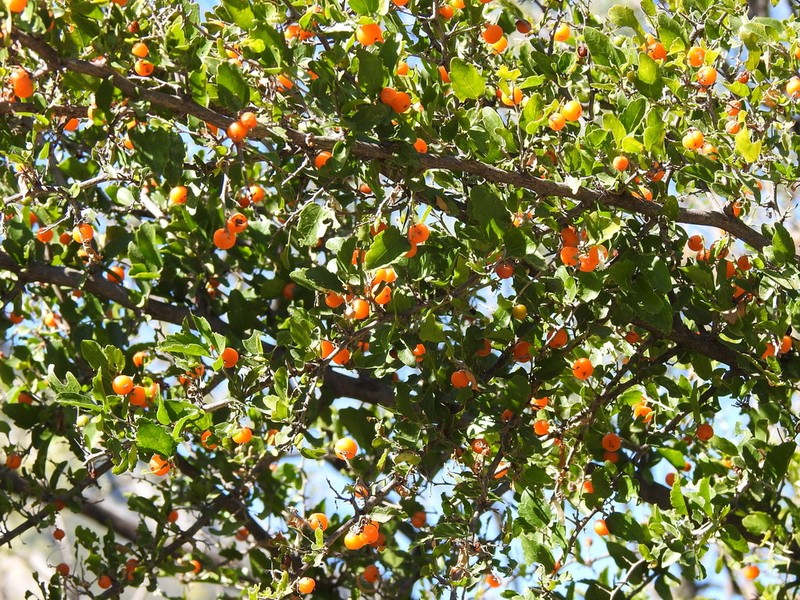
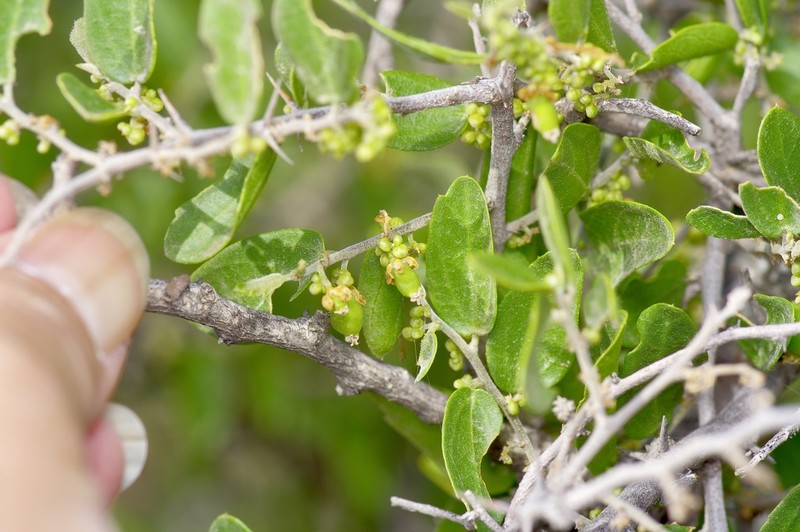
Taxonomy
- Division:
- Magnoliophyta | - Flowering plants
- Family:
- Cannabaceae
- Genus:
- Celtis
- Species:
- Celtis pallida
Growth Characteristics
- Growth Habit:
- Tree , Shrub
- Height:
- 400 cm
- Drought Tolerance:
- High
- Bloom Months:
- mar,apr,may
- Bloom Colors:
- greenish-yellow
- Landscaping Shrub:
- Yes
Keystone Species Ranking
- Caterpillar Keystone:
- ★★★★☆ Butterfly & moth species supported by this genus (NWF)
Host Plant for Caterpillars
Automeris randa, Cecropis moth (Automeris cecrops), Io moth (Automeris io), Saturnia anona, American snout butterfly (Libytheana carinenta), 🛑Bachman's snout butterfly (Libytheana bachmanii), Empress Leilia (Asterocampa leilia), Laure Dorado (Doxocopa laure), Pavon Emperor (Doxocopa pavon), Red-bordered Metalmark (Caria ino)
Reported Fauna Sightings
Butterflies:American snout butterfly (Libytheana carinenta), Empress Leilia (Asterocampa leilia)
Garden & Ecology Notes
- Wildlife Value:
- birds, butterflies, small mammals
- Deer Resistant:
- Yes
- Salt Tolerant:
- Yes
- Fire Ecology:
- Fire adapted — tolerates or benefits from fire
- Fire Notes:
- Resprouts vigorously from the root crown after fire; can increase in density with periodic fire.
Source: deepseek-v4-flash
Propagation & Germination
- Stratification:
- Cold/moist stratification required — 30–60 days
- Scarification:
- Seed coat scarification required before sowing
- Germination Time:
- 30–90 days
- Notes:
- Seeds require scarification (nicking or hot water treatment) followed by cold stratification for 30-60 days to break dormancy.
Source: deepseek-v4-flash