
Pink Honeysuckle
Lonicera hispidula
- Native to:
- Canada, Mexican Pacific Is., United States
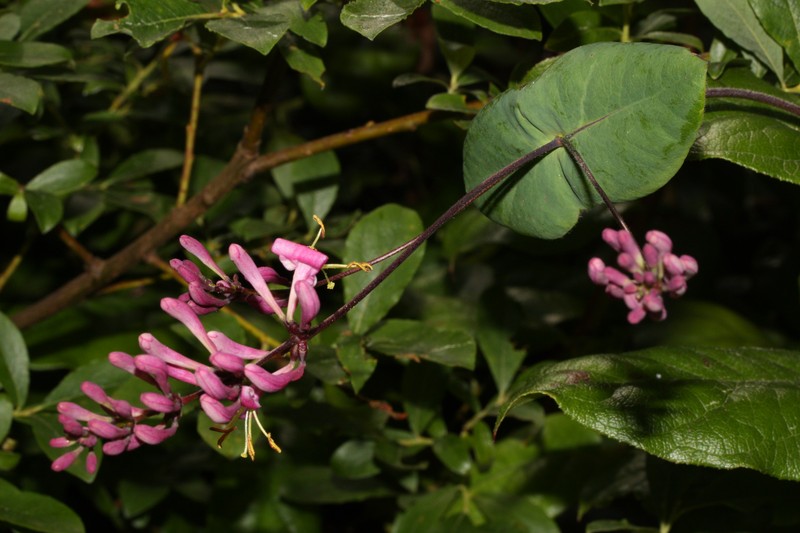
Walter Siegmund (talk)
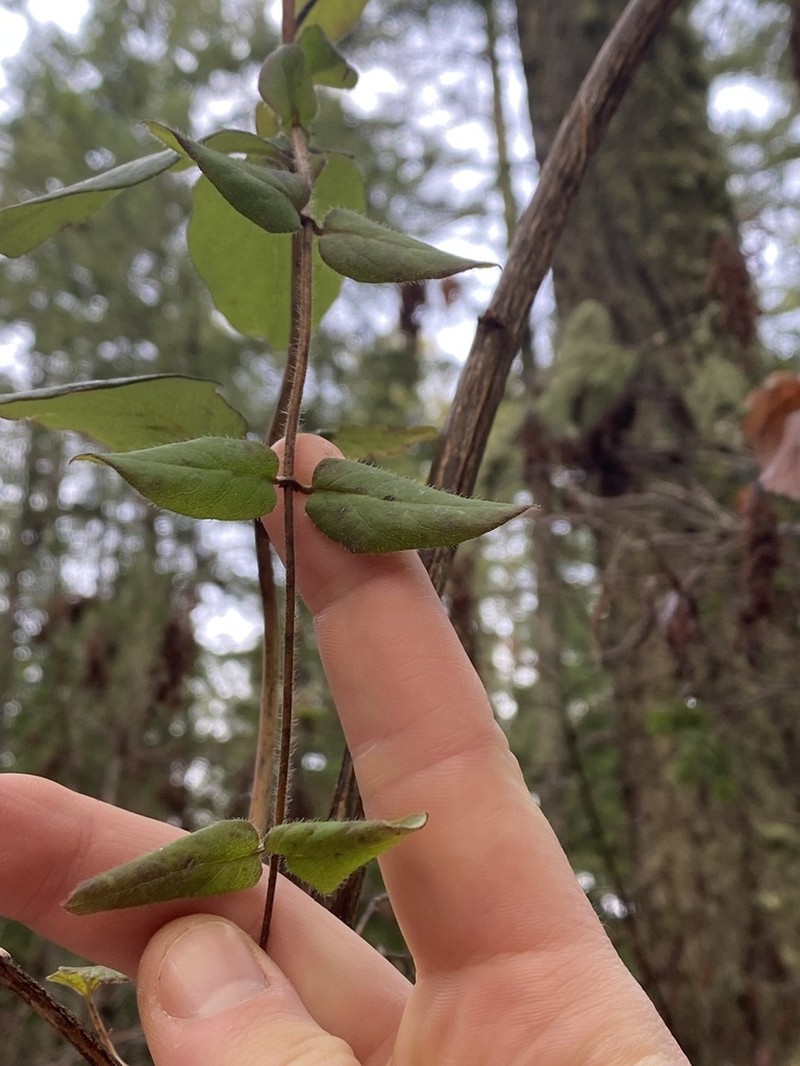
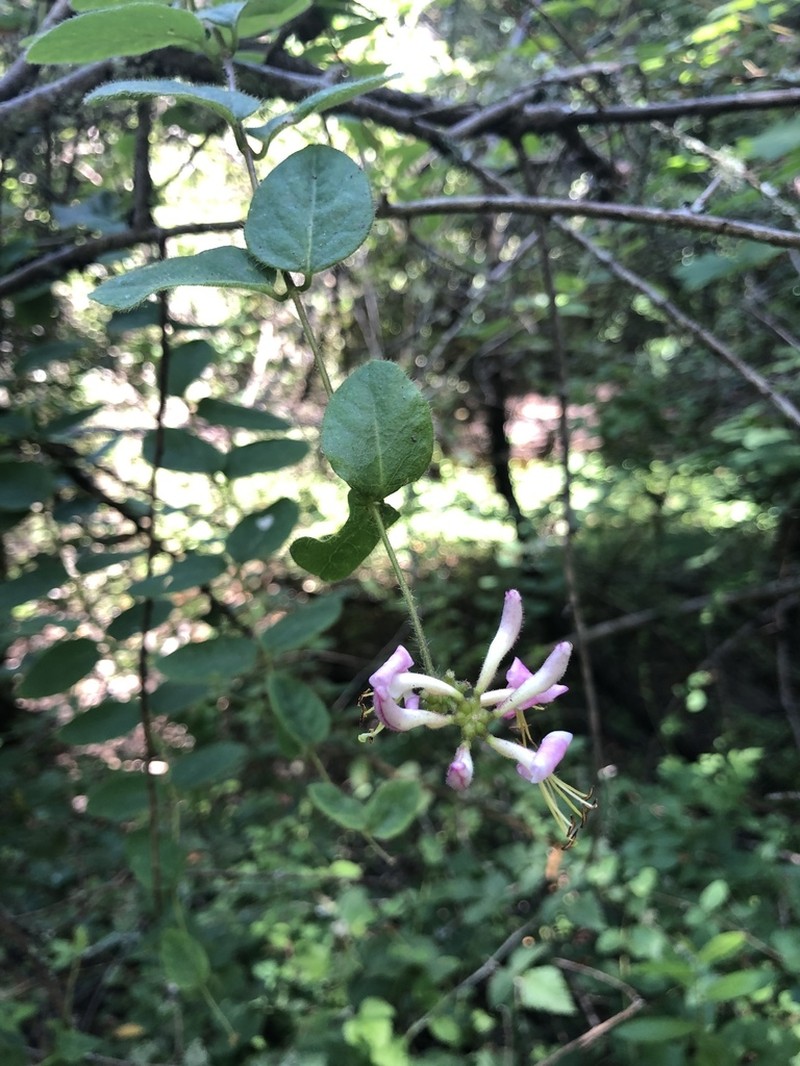
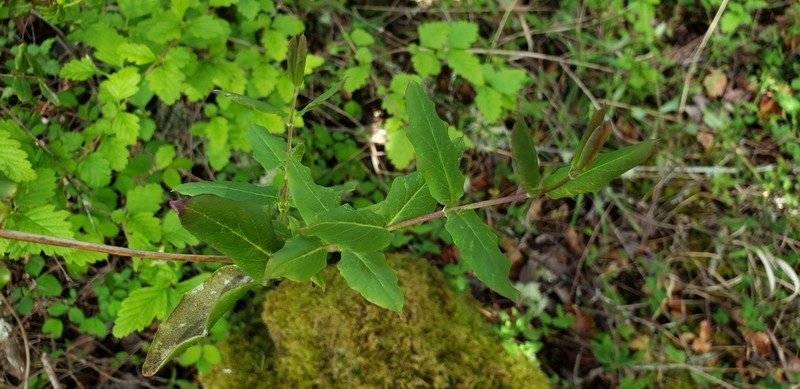
Taxonomy
- Division:
- Magnoliophyta | - Flowering plants
- Family:
- Caprifoliaceae
- Genus:
- Lonicera
- Species:
- Lonicera hispidula
- USDA Symbol:
- LOHI2
Growth Characteristics
- Life Cycle:
- Perennial
- Growth Habit:
- Vine
- Height:
- 600 cm
- Light Requirements:
- Full Sun,Part Shade,Shade
- Drought Tolerance:
- Medium
- Bloom Months:
- may,jun,jul
- Bloom Colors:
- pink, yellow
Wildlife Benefits
- Bees:
- ★☆☆☆☆ Documented bee visitation (GBIF)
- Butterflies & Moths:
- ★★★★☆ Documented Lepidoptera association (GBIF)
- Hummingbirds:
- ★☆☆☆☆ Documented hummingbird visits (GBIF)
Keystone Species Ranking
- Caterpillar Keystone:
- ★★★☆☆ Butterfly & moth species supported by this genus (NWF)
Reported Fauna Sightings
Bees: Yellow head bumble bee (Bombus flavifrons) Hummingbirds: Anna's Hummingbird (Calypte anna)
Garden & Ecology Notes
- Wildlife Value:
- birds, butterflies, hummingbirds
- Fragrant:
- Yes
Soil Requirements
- Soil Type:
- rich, well-drained loamy soil
- pH:
- 5.5 - 7.5 (slightly acidic to neutral)
- Drainage:
- excellent drainage required
- Moisture:
- dry to moderate
- Notes:
- prefers woodland edges and open forests
Propagation & Germination
- Stratification:
- Cold/moist stratification required — 60–90 days
- Germination Time:
- 30–60 days
- Notes:
- Seeds benefit from cold stratification for 60-90 days to break dormancy.
Pre-treatment: For seeds: Soak for 24 hours in fresh water and cold stratify in peat or perlite for 1 to 3 months. For cuttings: Struck in flats containing 1:1 Perlite/Vermiculite.
Establishment: There are variations in propagation protocols based on whether seeds or cuttings are used. Seeds have a higher germination rate but require a longer establishment phase compared to cuttings.
Source: npn.rngr.net