
Twinberry Honeysuckle
Lonicera involucrata
- Native to:
- Canada, Mexico, United States
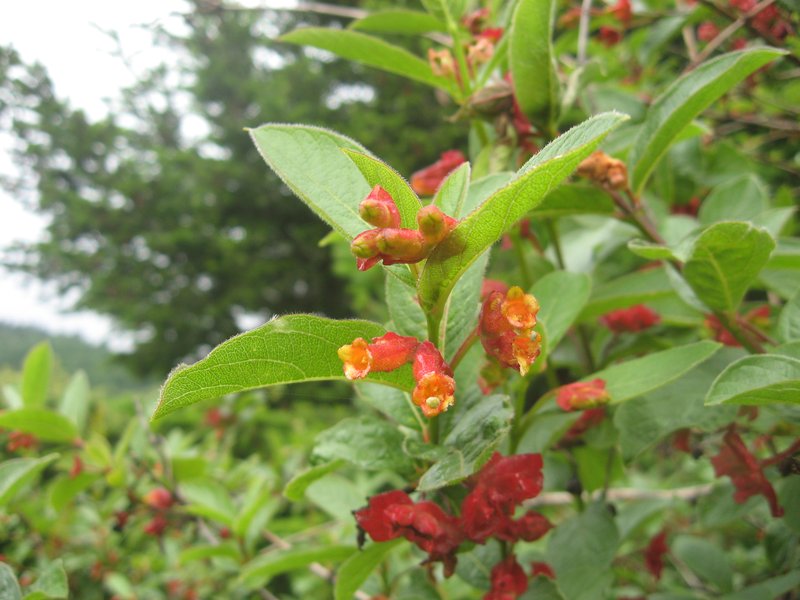
Walter Siegmund (talk)
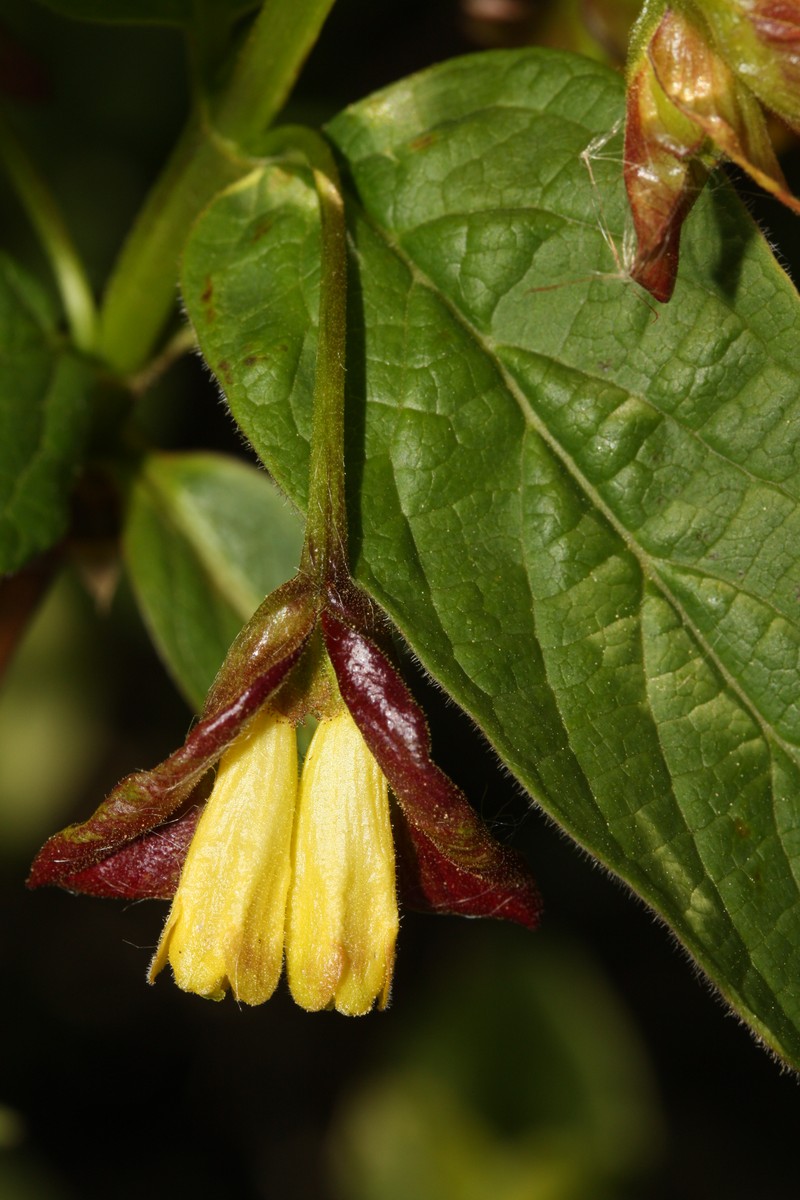
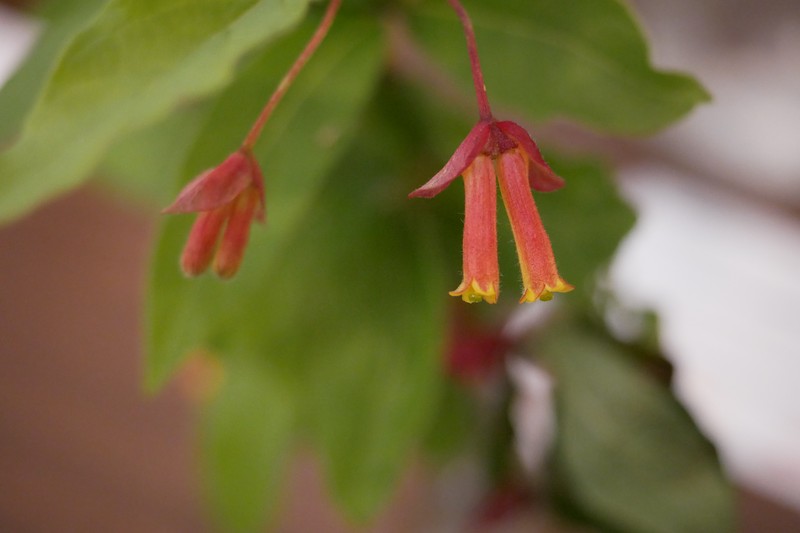
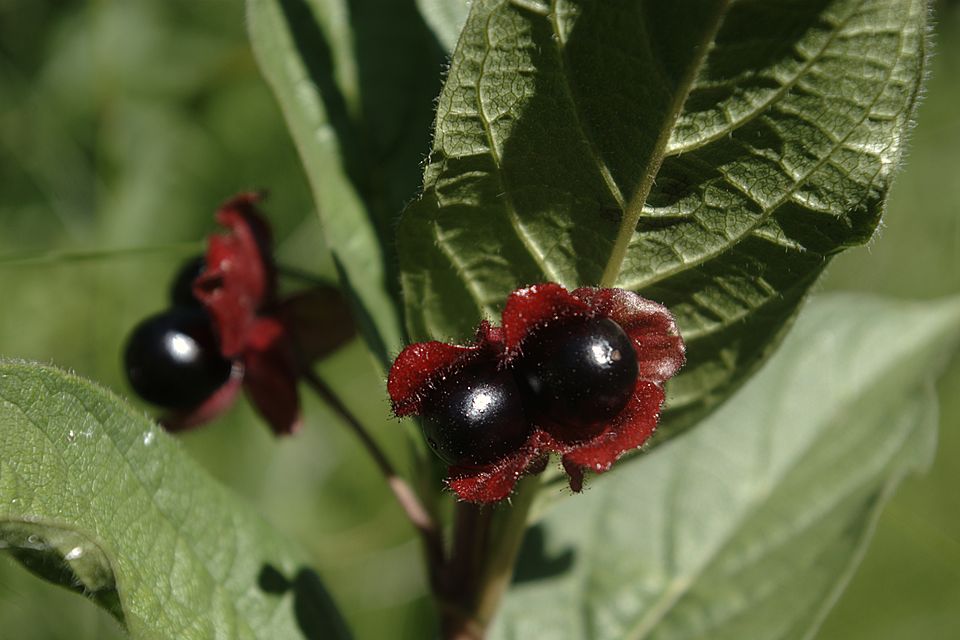
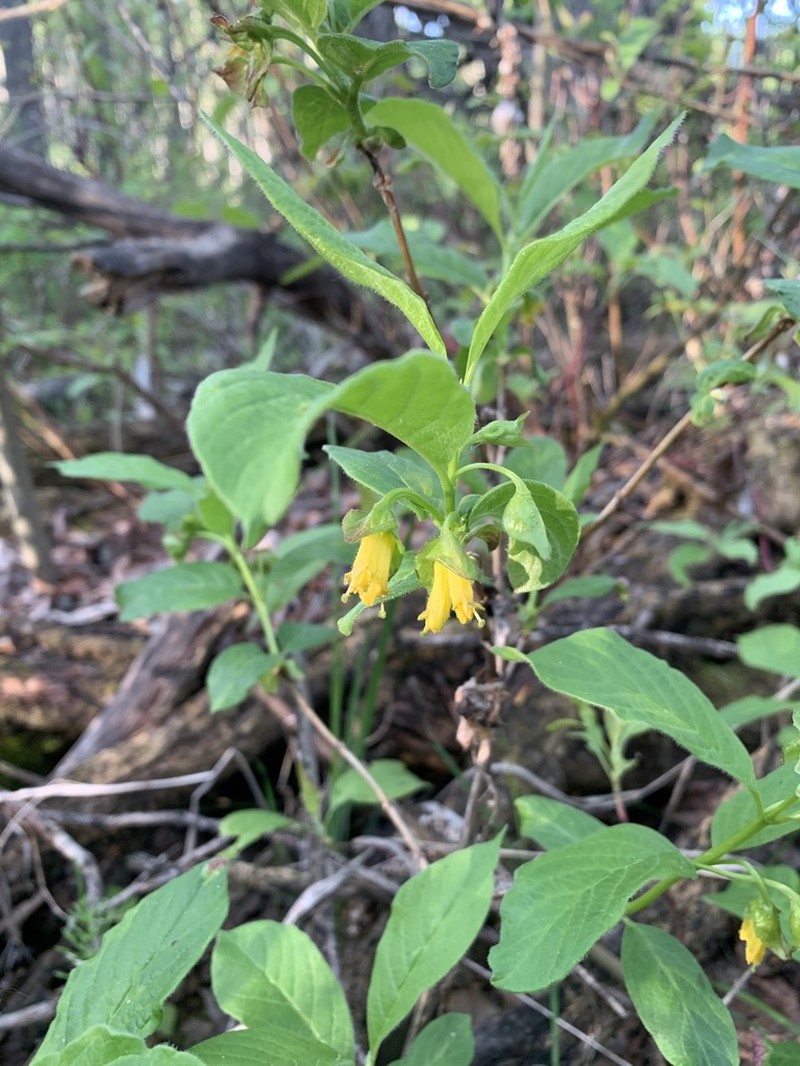
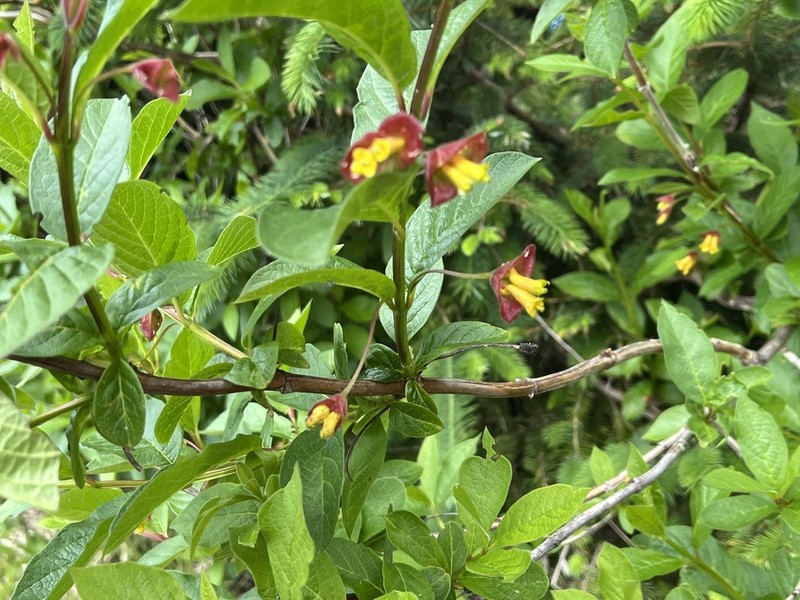
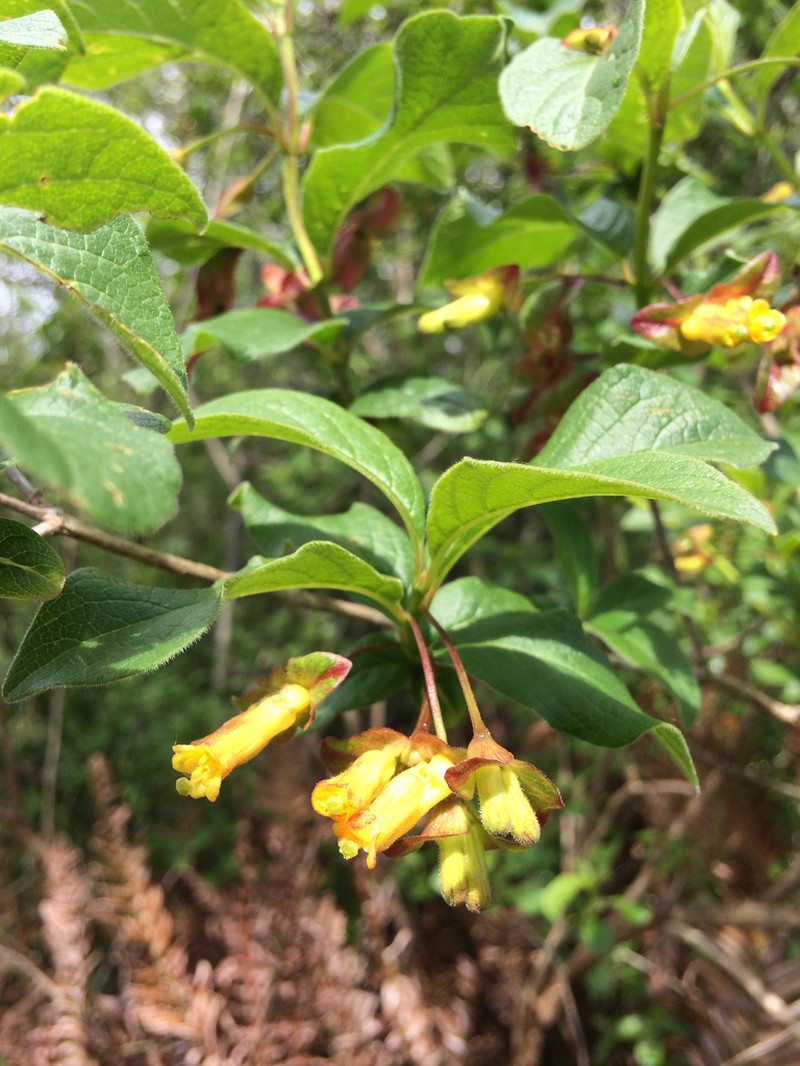
Taxonomy
- Division:
- Magnoliophyta | - Flowering plants
- Family:
- Caprifoliaceae
- Genus:
- Lonicera
- Species:
- Lonicera involucrata
- USDA Symbol:
- LOIN5
Growth Characteristics
- Life Cycle:
- Perennial
- Growth Habit:
- Shrub
- Height:
- 300 cm
- Light Requirements:
- Full Sun,Part Shade,Shade
- Drought Tolerance:
- Low
- Bloom Months:
- may,jun,jul
- Bloom Colors:
- yellow
- Food Forest:
- Contains edible parts
- Landscaping Shrub:
- Yes
Wildlife Benefits
- Bees:
- ★☆☆☆☆ Documented bee visitation (GBIF)
- Butterflies & Moths:
- ★★☆☆☆ Documented Lepidoptera association (GBIF)
- Caterpillars:
- ★☆☆☆☆ Recorded caterpillar host plant (HOSTS Database)
- Hummingbirds:
- ★☆☆☆☆ Documented hummingbird visits (GBIF)
Keystone Species Ranking
- Caterpillar Keystone:
- ★★★☆☆ Butterfly & moth species supported by this genus (NWF)
Host Plant for Caterpillars
Amblyptilia pica, ⚠️Edith's checkerspot (Euphydryas editha), Gillette's checkerspot (Euphydryas gillettii)
Reported Fauna Sightings
Bees: Fuzzy-horned bumble bee (Bombus mixtus), Indiscriminate cuckoo bumble bee (Bombus insularis), Yellow head bumble bee (Bombus flavifrons) Hummingbirds: Allen's Hummingbird (Selasphorus sasin), Anna's Hummingbird (Calypte anna), Selasphorus Swainson Butterflies:Gillette's Checkerspot (Euphydryas gillettii)
Garden & Ecology Notes
- Wildlife Value:
- birds, small mammals
Soil Requirements
- Soil Type:
- rich, well-drained loamy soil
- pH:
- 5.5 - 7.5 (slightly acidic to neutral)
- Drainage:
- tolerates poor drainage
- Moisture:
- consistently moist
- Notes:
- prefers riparian zones and moist woodlands
Propagation & Germination
- Stratification:
- Cold/moist stratification required — 60–90 days
- Germination Time:
- 30–60 days
- Notes:
- Seeds benefit from cold stratification for 60-90 days to break dormancy.
Pre-treatment: Seeds: Cold-moist stratification for 90 days or pretreatment with 1000 ppm gibberellic acid for 24 hours followed by a 48-hour running water rinse and cold-moist stratification for 90 days. Cuttings: Dipped in a mild bleach solution for 30 seconds and treated with Hormex (3000 ppm IBA) rooting powder.
Establishment: The germination rate and time range vary based on the propagation source (seed or cutting). The seeds of Lonicera involucrata can be collected from April to July or in August, while cuttings can be collected from November to mid-January. The plant is found in a variety of habitats across North America.
Source: npn.rngr.net
Where to Buy
Nationwide Seller
- Sheffield's Seed (seeds)