
Coralberry
Symphoricarpos orbiculatus
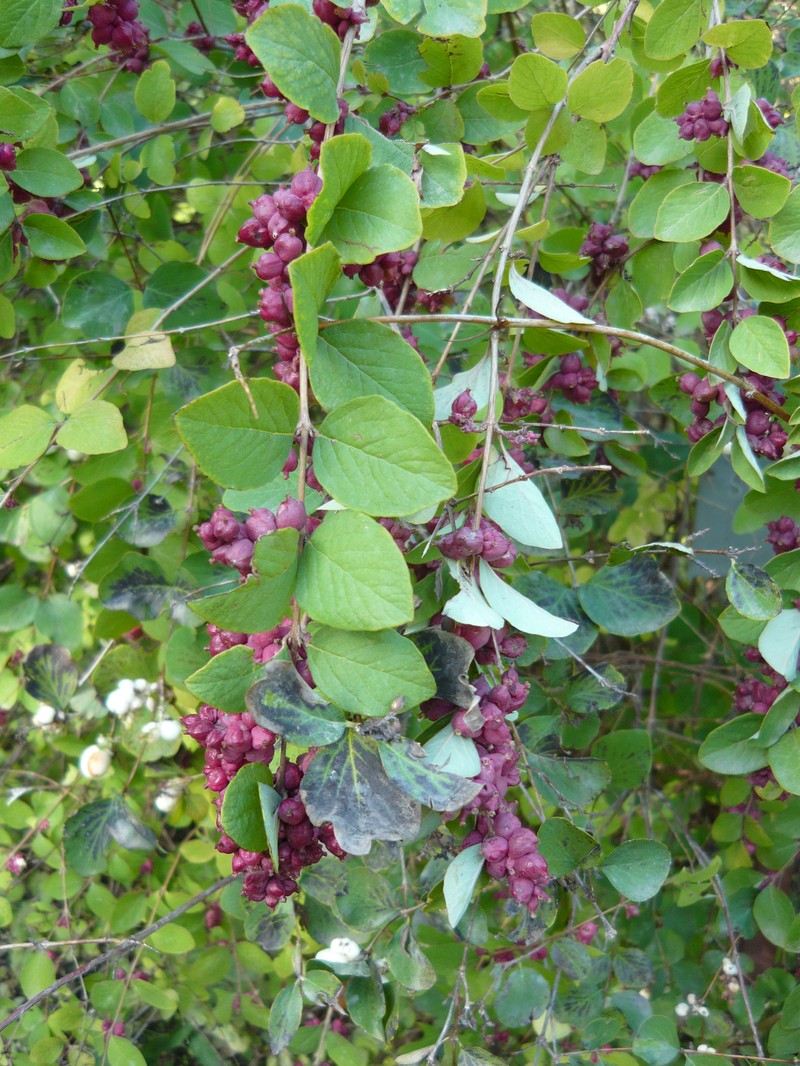
Taxonomy
- Division:
- Magnoliophyta | - Flowering plants
- Family:
- Caprifoliaceae
- Genus:
- Symphoricarpos
- Species:
- Symphoricarpos orbiculatus
Growth Characteristics
- Life Cycle:
- Perennial
- Growth Habit:
- Shrub
- Height:
- 6-8 ft
- Light Requirements:
- Full Sun
- Drought Tolerance:
- Medium
- Bloom Months:
- jan, feb, mar, apr, may, jun, jul, aug, dec
- Bloom Colors:
- pink, white
- Landscaping Shrub:
- Yes
Native Range
United States: Alabama, Arkansas, Connecticut, District of Columbia, Delaware, Florida, Georgia, Iowa, Illinois, Indiana, Kansas, Kentucky, Louisiana, Massachusetts, Maryland, Michigan, Minnesota, Missouri, Mississippi, North Carolina, Nebraska, New Jersey, New York, Ohio, Oklahoma, Pennsylvania, Rhode Island, South Carolina, South Dakota, Tennessee, Texas, Utah, Virginia, Vermont, Wisconsin, West Virginia, Canada: Ontario
Host Plant for Caterpillars
Reported Fauna Sightings
Soil Requirements
- Soil Type:
- rich, well-drained loamy soil
- pH:
- 5.5 - 7.5 (slightly acidic to neutral)
- Drainage:
- tolerates poor drainage
- Moisture:
- dry to moderate
- Notes:
- prefers open woods and thickets
Germination Information
Pre-treatment: Seeds require a warm and cold, moist stratification for 150 days to overcome seed dormancy.
Establishment: Seeds are collected from local sources within a 50 mile radius of the nursery. The plant is found within temperate deciduous forests of North America, throughout the eastern and central United States, and in Utah. It is also found from Connecticut to North Carolina and Louisiana, west to Michigan and Colorado.
Source: npn.rngr.net