
Sitka Valerian
Valeriana sitchensis
- Native to:
- Australia, Canada, United States
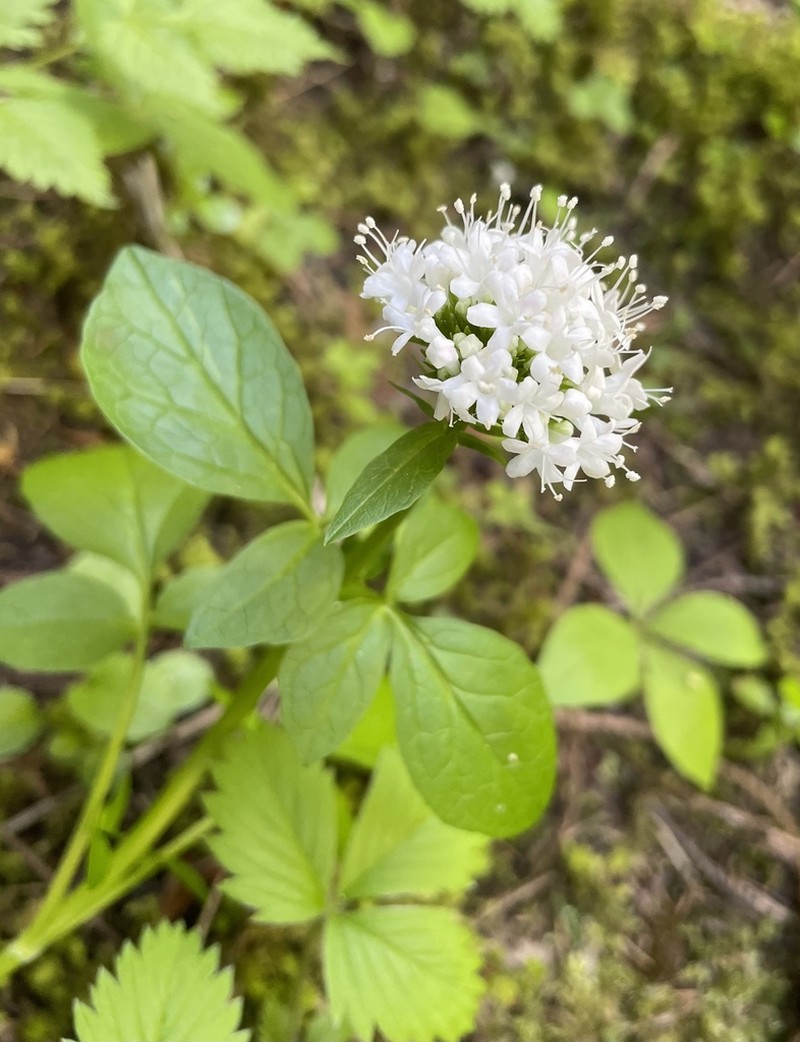
iNaturalist: © emilyscherer (iNaturalist #78429729)
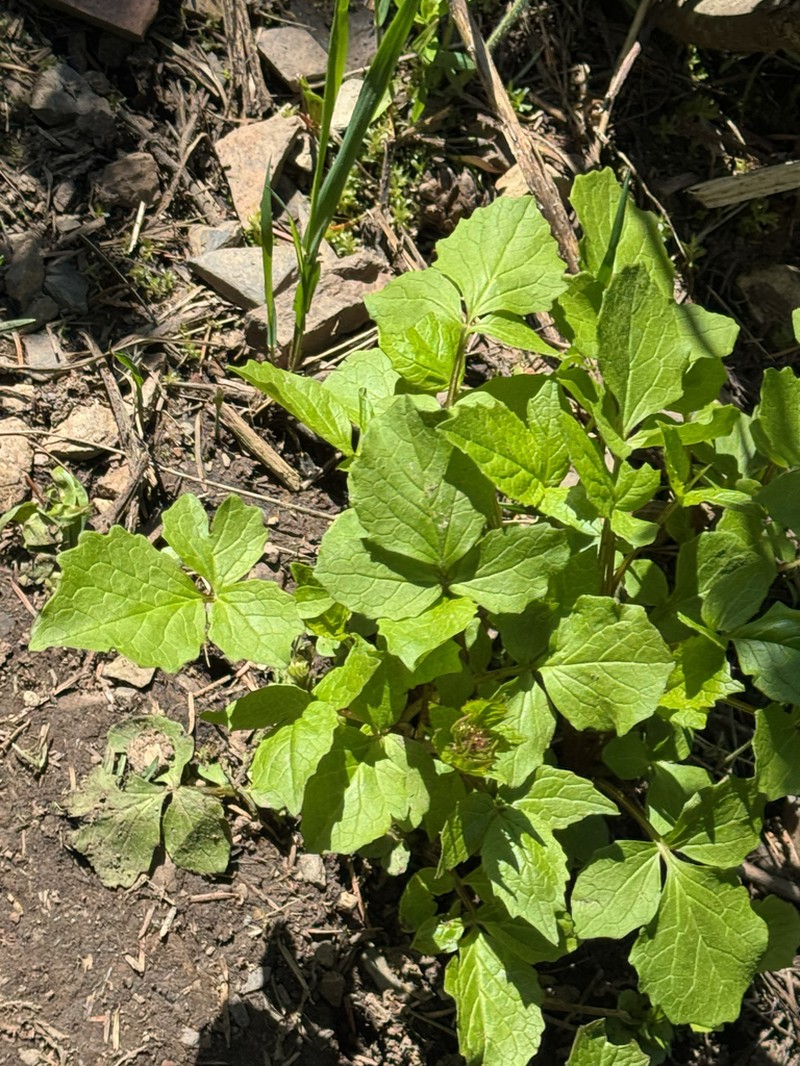
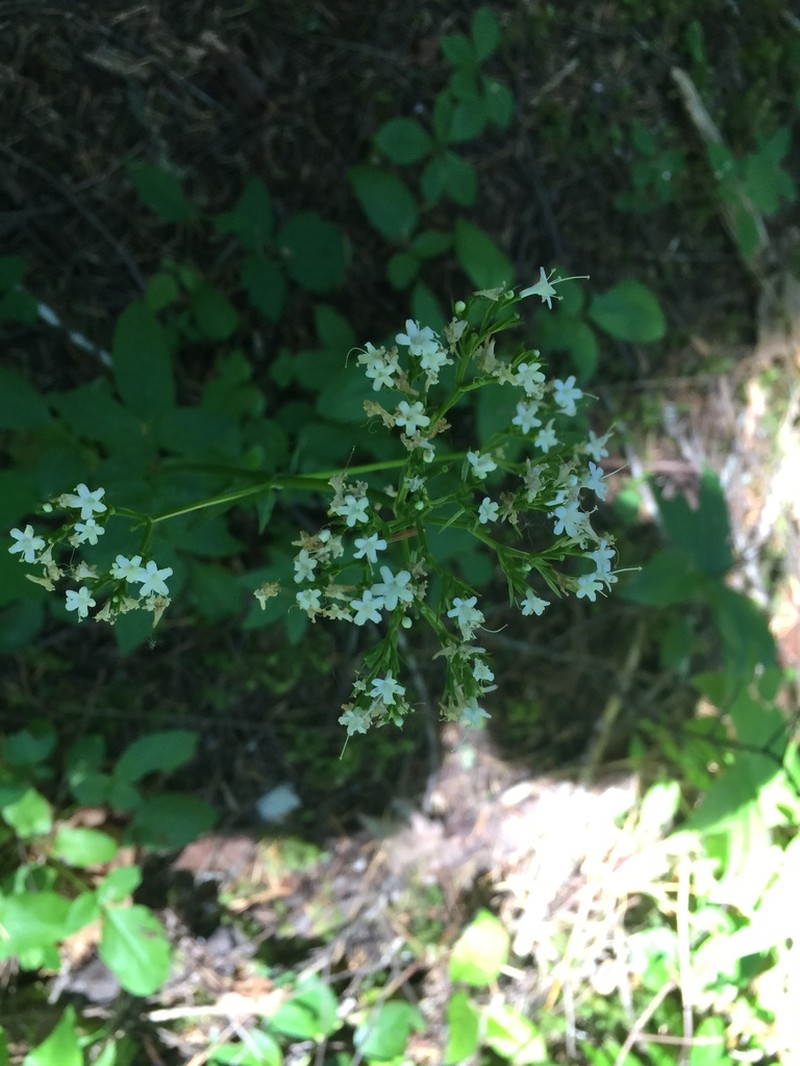
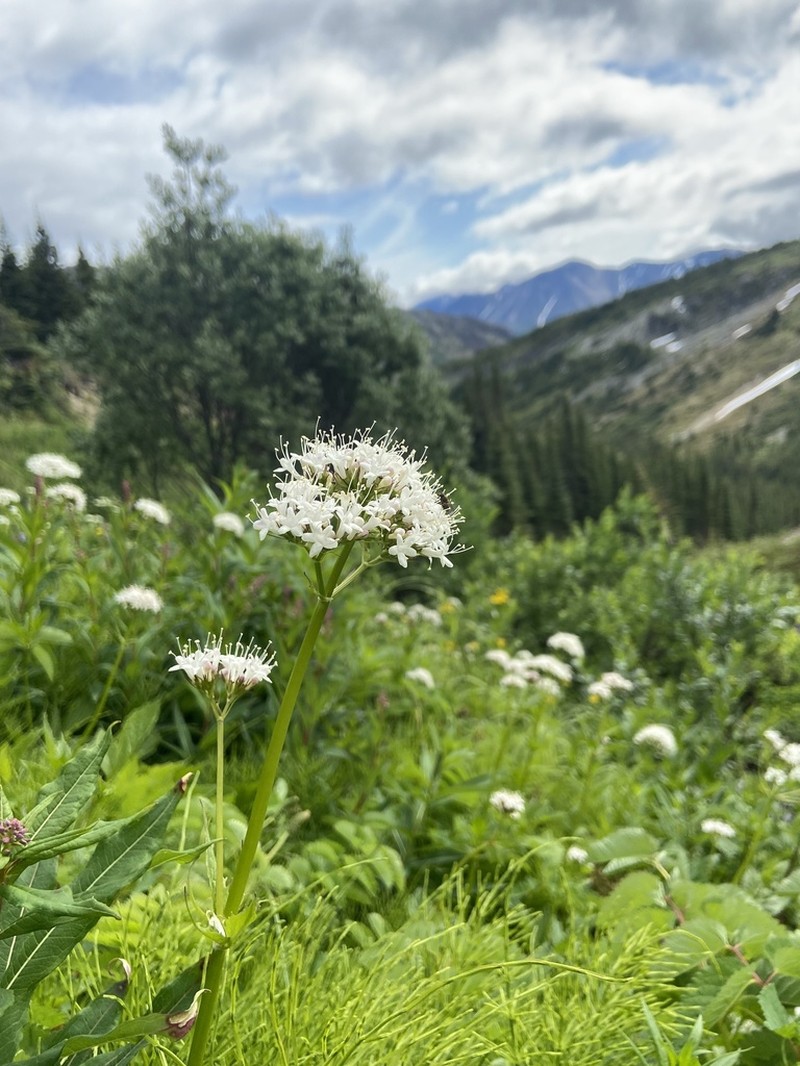
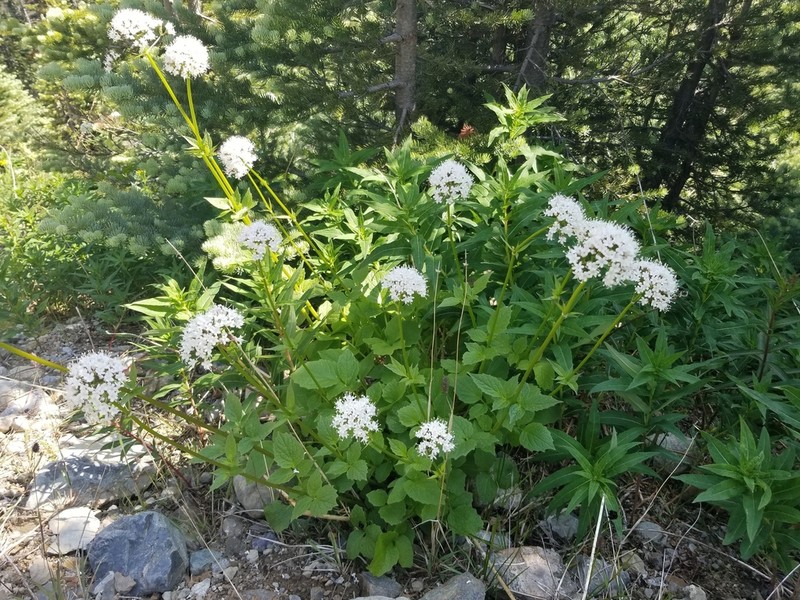
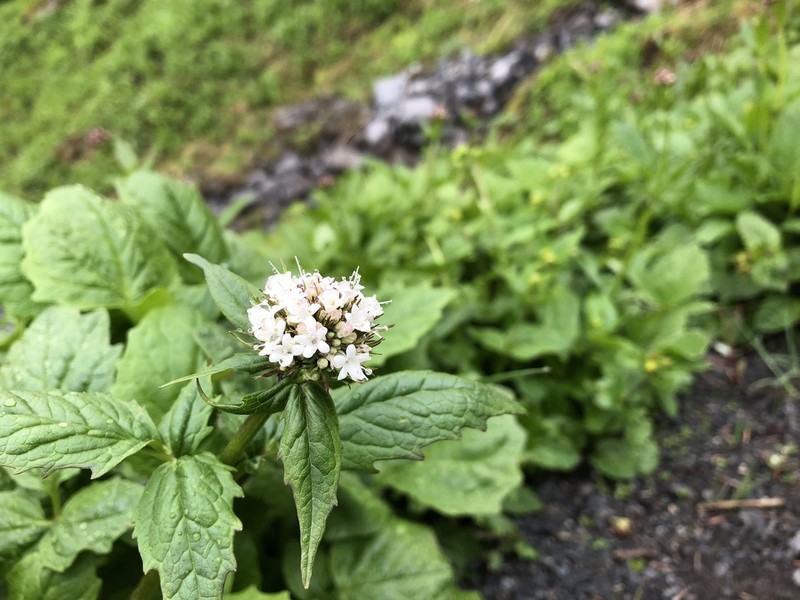
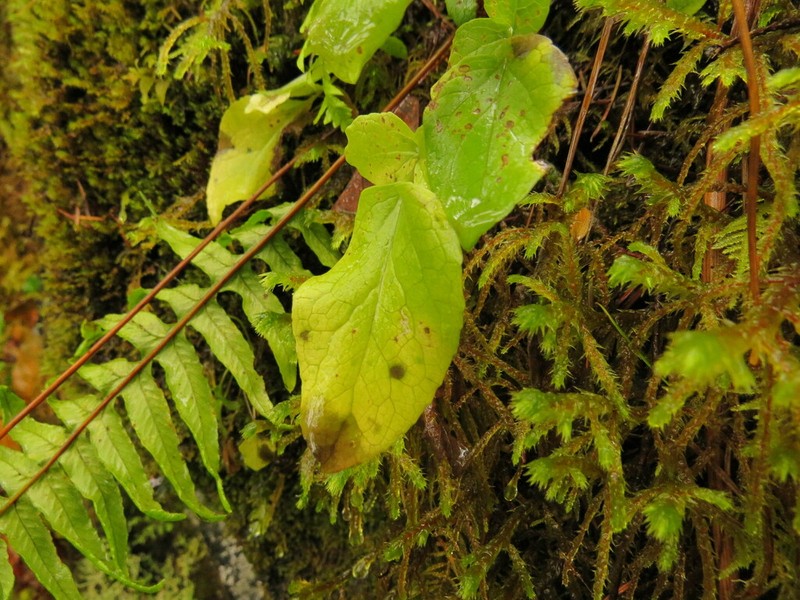
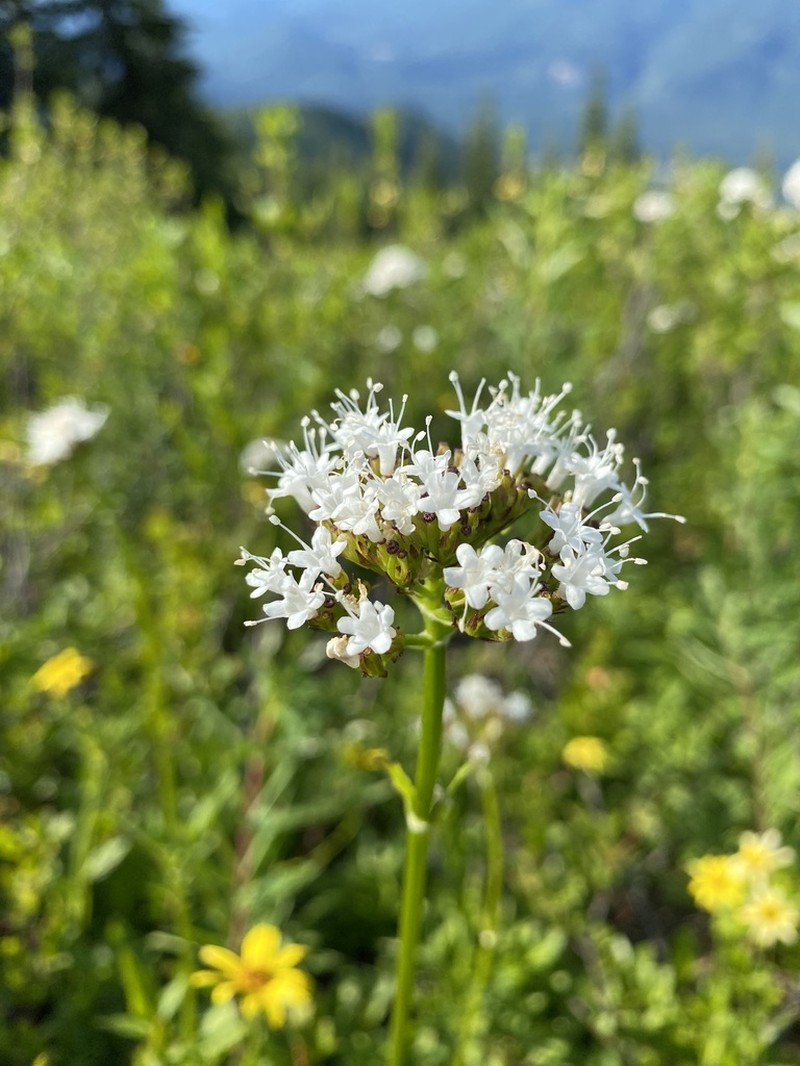
Taxonomy
- Division:
- Magnoliophyta | - Flowering plants
- Family:
- Caprifoliaceae
- Genus:
- Valeriana
- Species:
- Valeriana sitchensis
- USDA Symbol:
- VASI
Growth Characteristics
- Life Cycle:
- Perennial
- Growth Habit:
- Forb/herb
- Height:
- 120 cm
- Light Requirements:
- Part Shade
- Drought Tolerance:
- Low
- Bloom Months:
- jun,jul,aug
- Bloom Colors:
- white, pink
Wildlife Benefits
- Bees:
- ★☆☆☆☆ Documented bee visitation (GBIF)
- Butterflies & Moths:
- ★★☆☆☆ Documented Lepidoptera association (GBIF)
Reported Fauna Sightings
Bees: Black-tailed bumble bee (Bombus melanopygus), Fernald cuckoo bumble bee (Bombus flavidus), Forest bumble bee (Bombus sylvicola), Fuzzy-horned bumble bee (Bombus mixtus), Sitka bumble bee (Bombus sitkensis), Two-form bumble bee (Bombus bifarius)
Garden & Ecology Notes
- Wildlife Value:
- bees, butterflies
- Fragrant:
- Yes
Soil Requirements
- Soil Type:
- rich, well-drained loamy soil
- pH:
- 5.5 - 7.0 (slightly acidic to neutral)
- Drainage:
- excellent drainage required
- Moisture:
- consistently moist
- Notes:
- prefers cool, shaded environments
Propagation & Germination
- Stratification:
- Cold/moist stratification required — 30–60 days
- Germination Time:
- 14–30 days
- Notes:
- Seeds benefit from cold stratification for 4-8 weeks; surface sow and keep moist at 15-20°C.
Pre-treatment: Cold moist stratification for 5 months outdoors or in a cooler at about 35 F. Longer stratification times should be tested for this species.
Establishment: Seeds are hand collected in mid September when achenes turn tan and are easily separated from the receptacle. They are collected in paper bags. Ripe seeds collected generally when pappus-like 'plumules' or plumose calyx appendages, are beginning to unfurl are best: seeds shatter and blow away easily once these have opened. However if collected too early we found incomplete seed fill.
Source: npn.rngr.net
Where to Buy
Nationwide Seller
- Butterfield Seeds (seeds)