
Mojave sandwort
Eremogone macradenia
Also known as: Forest Camp sandwort, Mojave sandwort
- Native to:
- United States
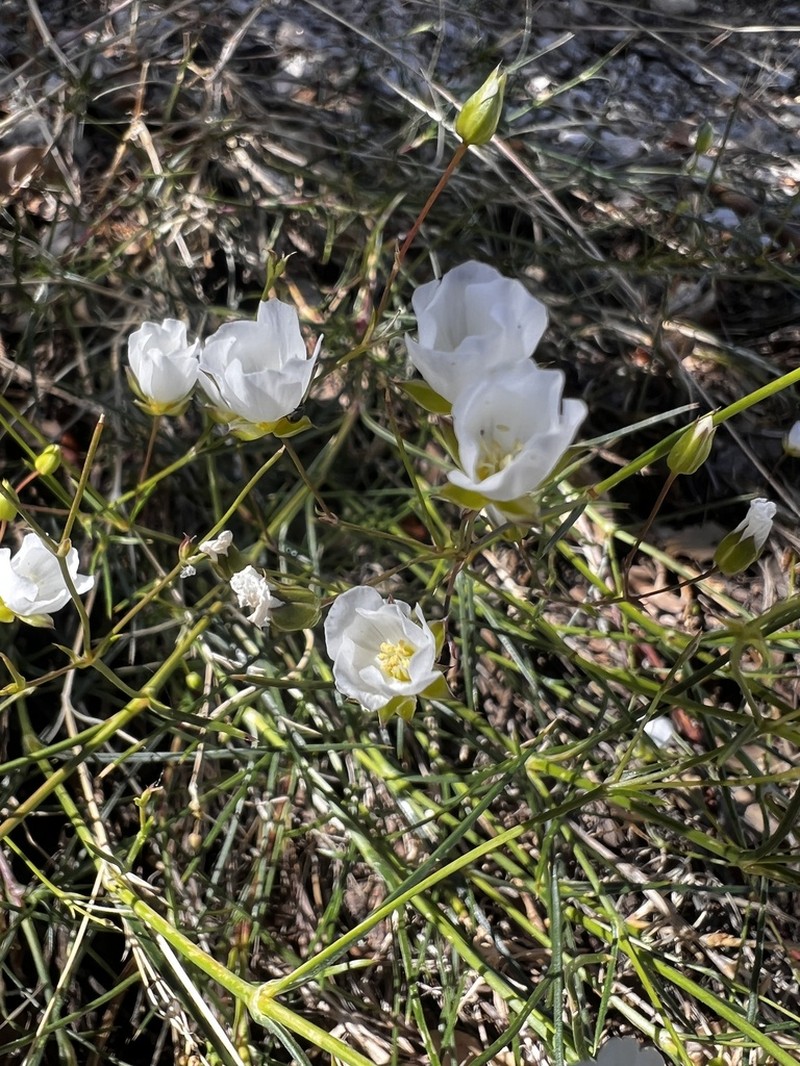
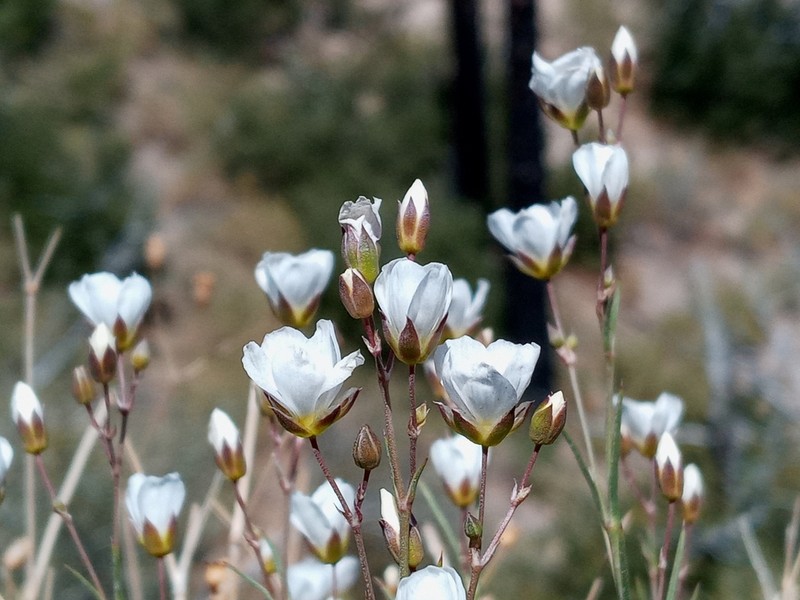
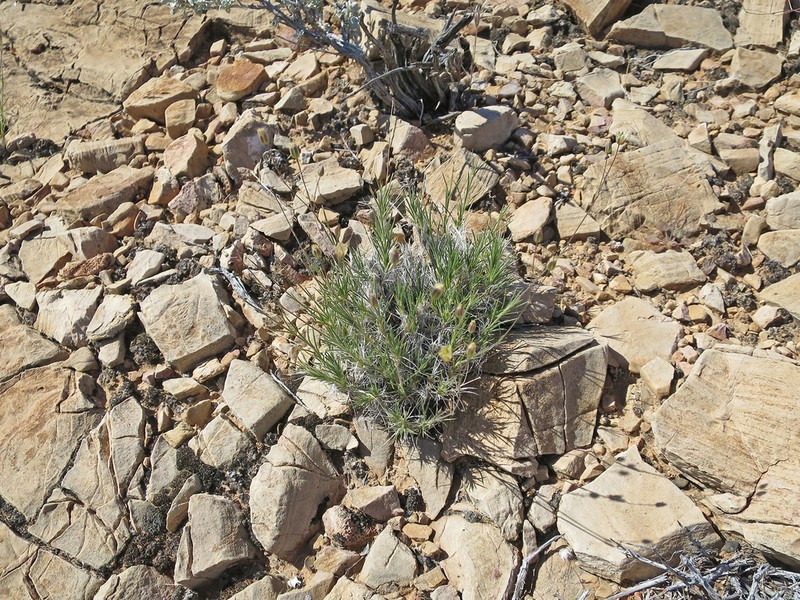
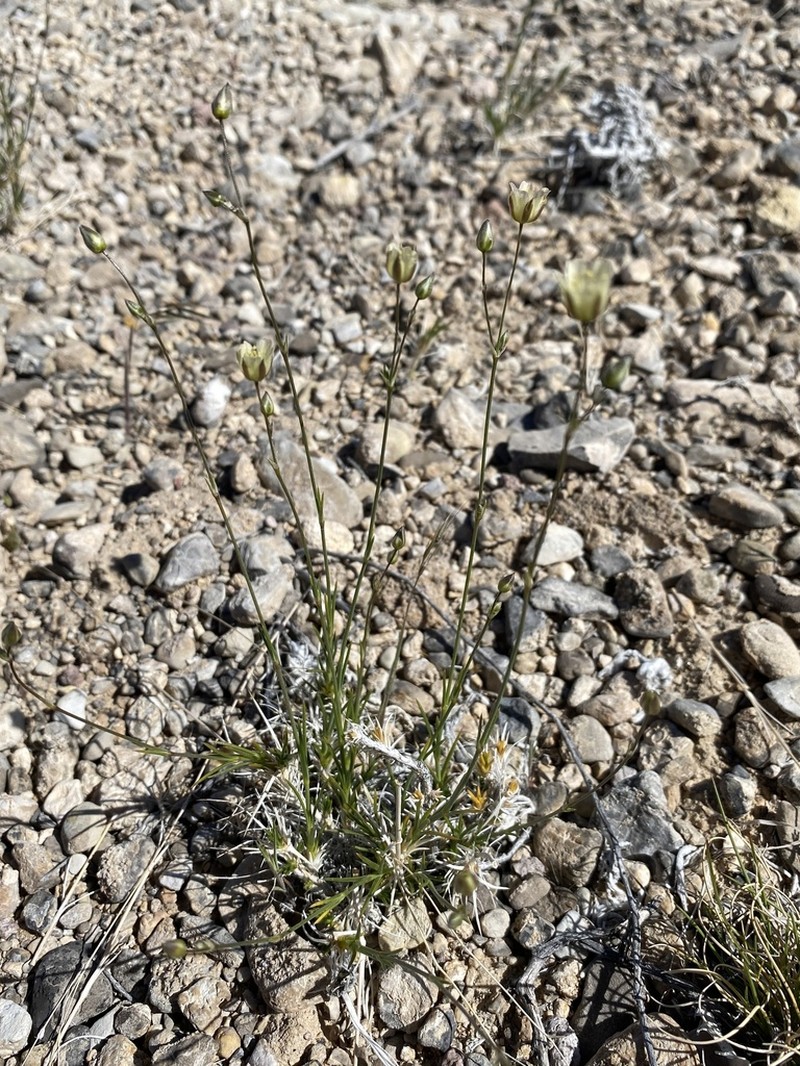
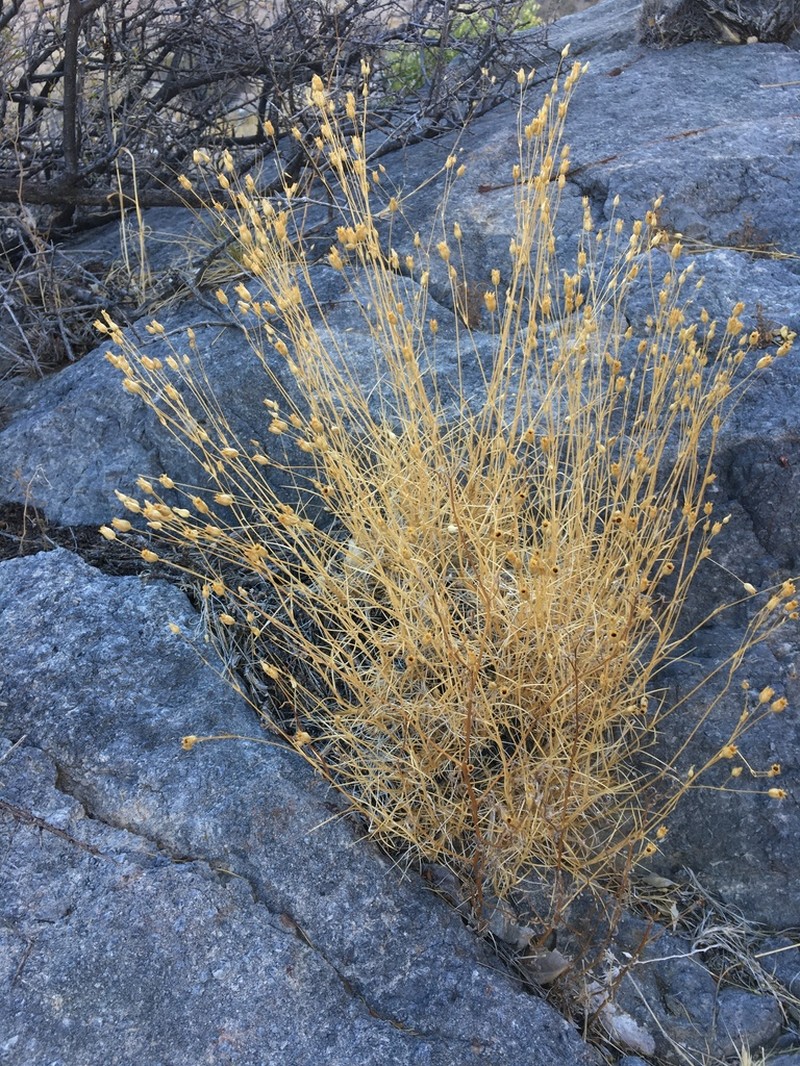
iNaturalist: © pinyon_j (iNaturalist #123793583)
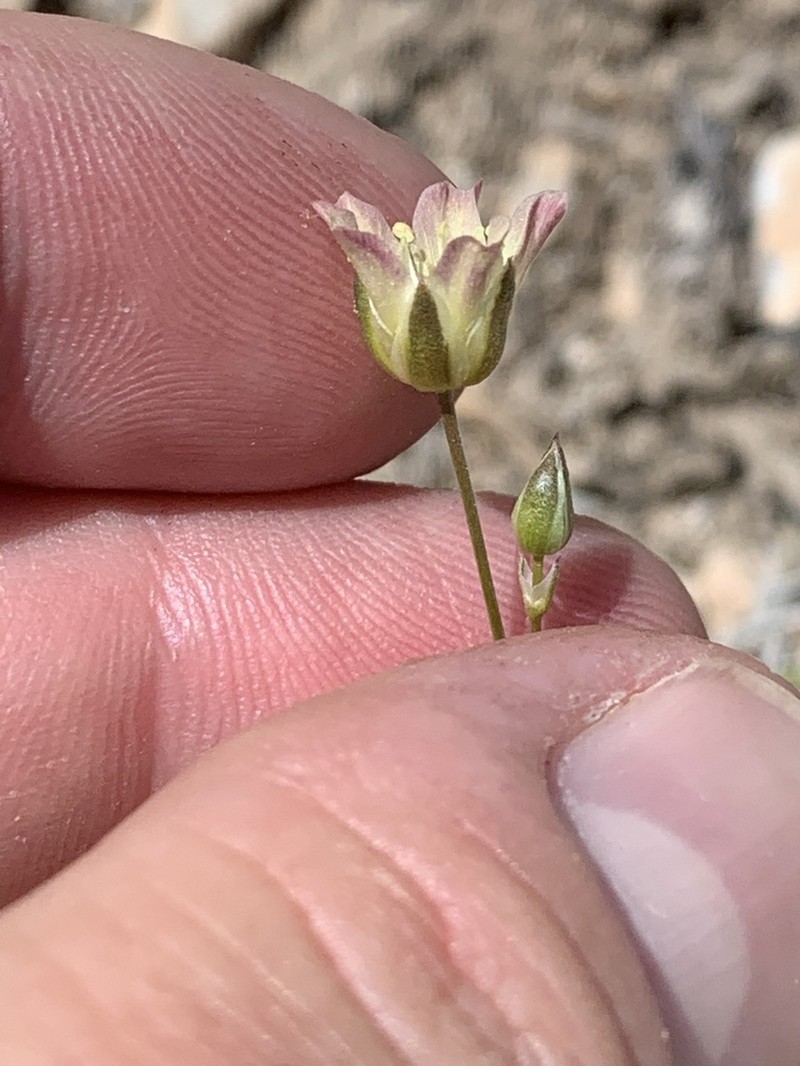
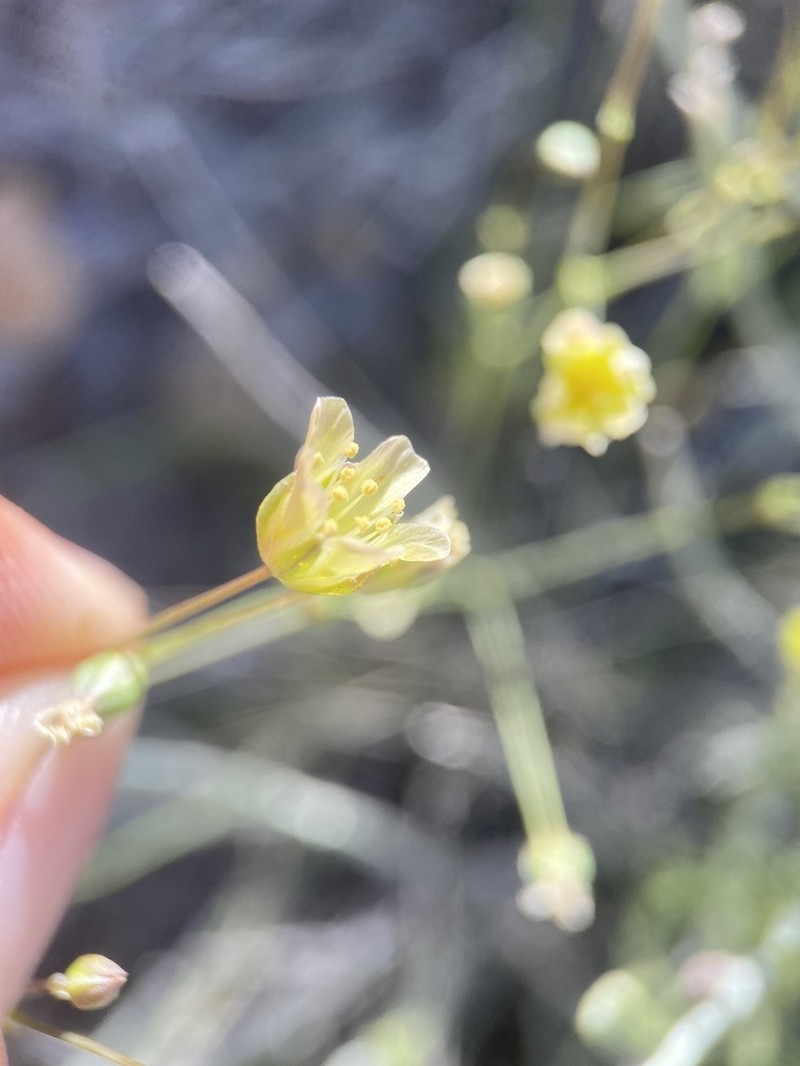
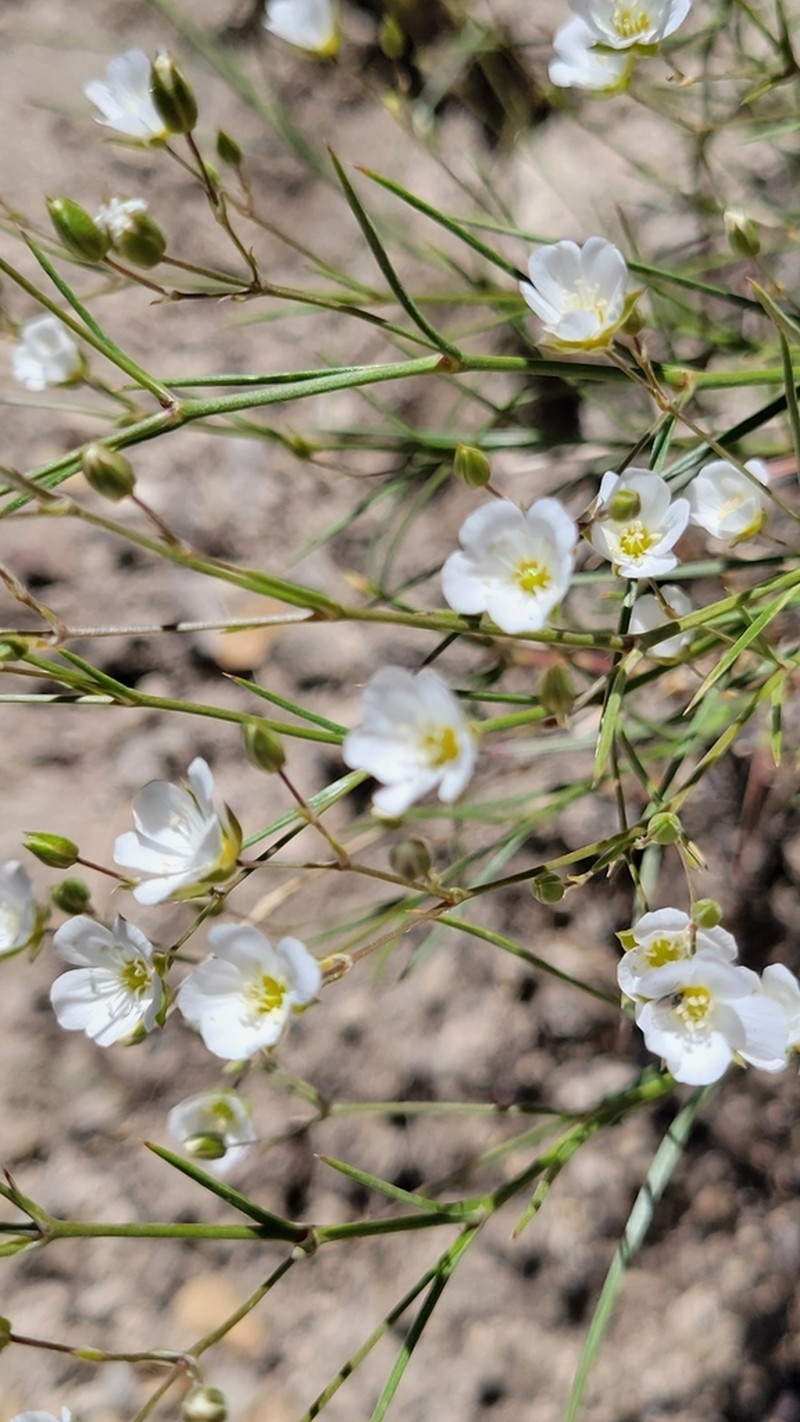
Taxonomy
- Division:
- Magnoliophyta | - Flowering plants
- Family:
- Caryophyllaceae
- Genus:
- Eremogone
- Species:
- Eremogone macradenia
- USDA Symbol:
- ARMA3
Growth Characteristics
- Life Cycle:
- Perennial
- Growth Habit:
- Forb/herb , Subshrub
- Height:
- 30 cm
- Light Requirements:
- Full Sun
- Drought Tolerance:
- High
- Bloom Months:
- apr,may,jun
- Bloom Colors:
- white
Garden & Ecology Notes
- Deer Resistant:
- Yes
Soil Requirements
- Soil Type:
- sandy, well-drained, nutrient-poor soil
- pH:
- 6.0 - 8.0 (neutral to slightly alkaline)
- Drainage:
- excellent drainage required
- Moisture:
- dry to moderate
- Notes:
- Thrives in rocky or gravelly soils