
Seaside Sandplant
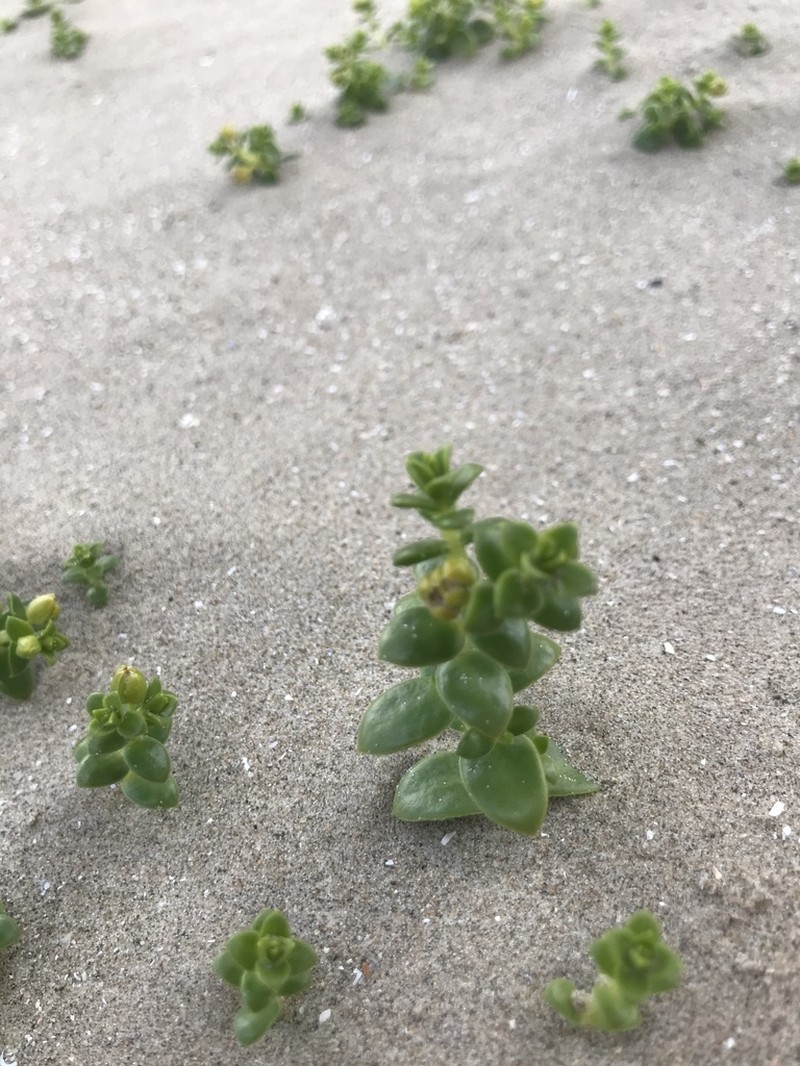
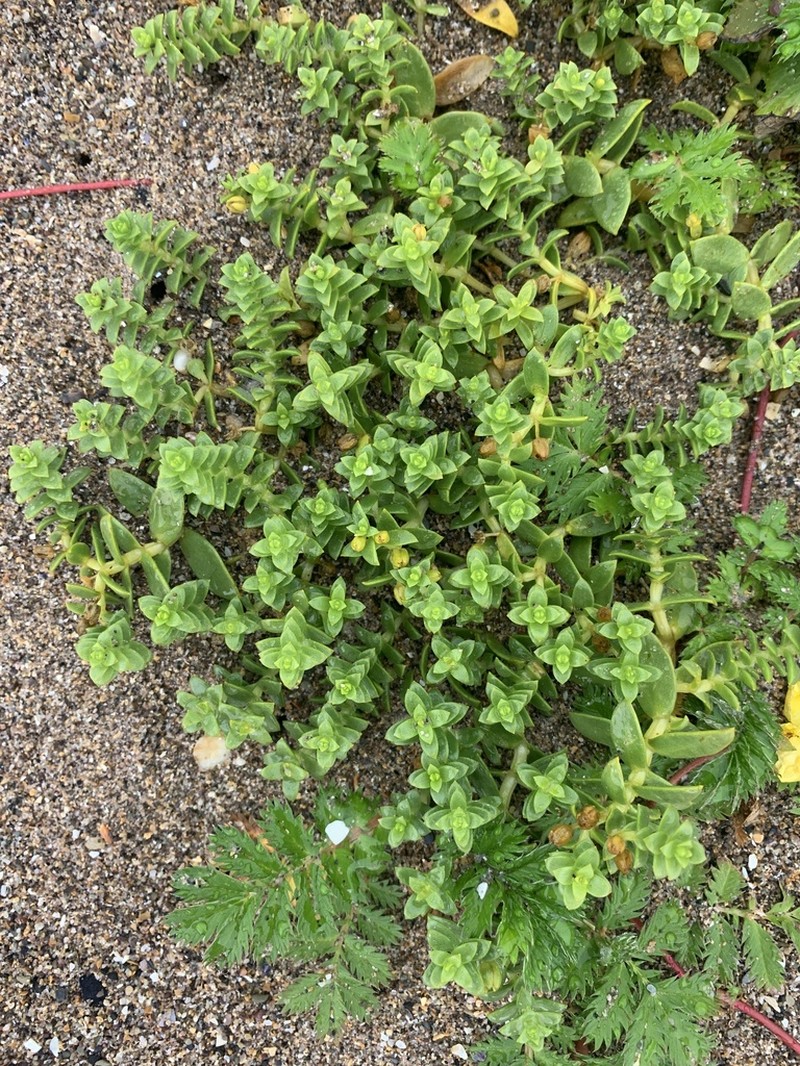
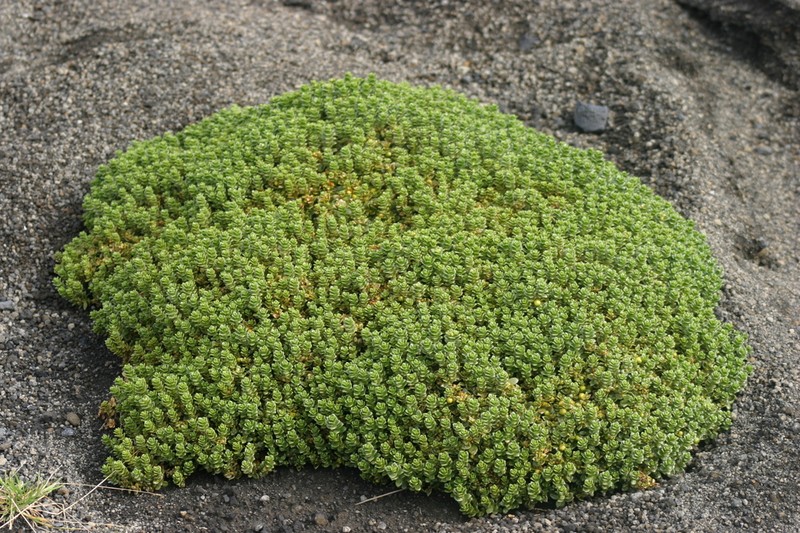
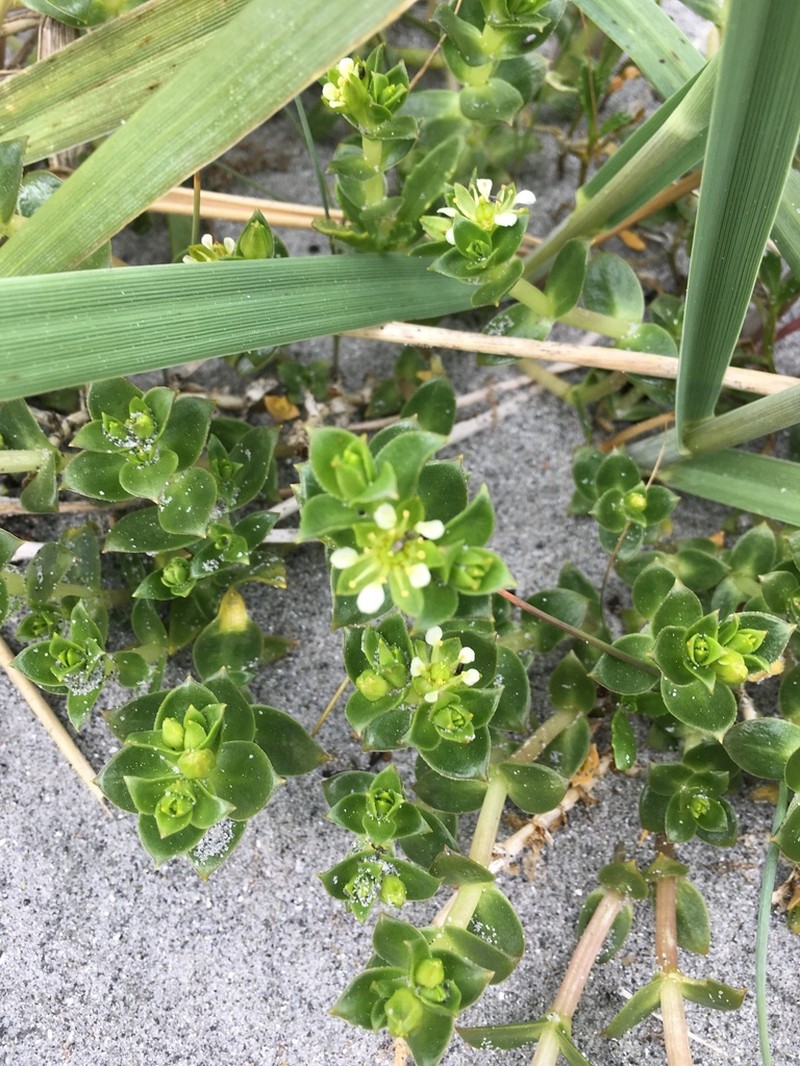
Honckenya peploides
- Native to:
- Aleutian Is., Baltic States, Belgium, Canada, Denmark, Finland, Føroyar, France, Germany, Great Britain, Greenland, Iceland, Ireland, Japan, Korea, Kuril Is., Labrador, Netherlands, Norway, Poland, Portugal, Prince Edward I., Russia, Spain, Svalbard, Sweden, United States
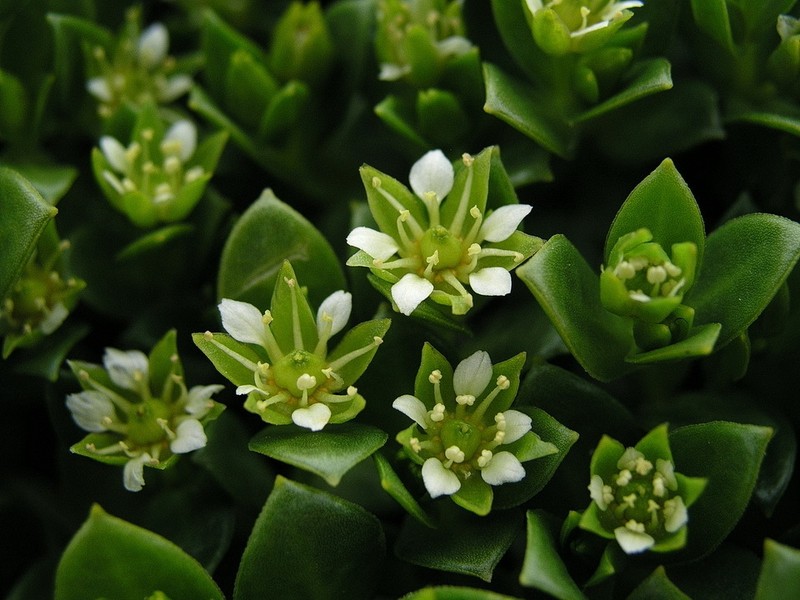
iNaturalist: © andyfyon (iNaturalist #59631871)
Taxonomy
- Division:
- Magnoliophyta | - Flowering plants
- Family:
- Caryophyllaceae
- Genus:
- Honckenya
- Species:
- Honckenya peploides
- USDA Symbol:
- HOPE
Growth Characteristics
- Life Cycle:
- Perennial
- Growth Habit:
- Forb/herb
- Height:
- 30 cm
- Light Requirements:
- Full Sun
- Drought Tolerance:
- Low
- Bloom Months:
- jun,jul,aug
- Bloom Colors:
- white
- Ground Cover:
- Yes
Wildlife Benefits
- Bees:
- ★☆☆☆☆ Documented bee visitation (GBIF)
- Butterflies & Moths:
- ★☆☆☆☆ Documented Lepidoptera association (GBIF)
Garden & Ecology Notes
- Wildlife Value:
- birds
- Deer Resistant:
- Yes
- Salt Tolerant:
- Yes
Soil Requirements
- Soil Type:
- sandy, nutrient-poor, well-drained soil
- pH:
- 6.0 - 8.0 (neutral to slightly alkaline)
- Drainage:
- excellent drainage required
- Moisture:
- dry to moderate
- Notes:
- commonly found in coastal dunes and beaches
Propagation & Germination
- Stratification:
- Cold/moist stratification required — 30–60 days
- Germination Time:
- 14–30 days
- Notes:
- Seeds germinate after cold stratification; sow in sandy soil.