
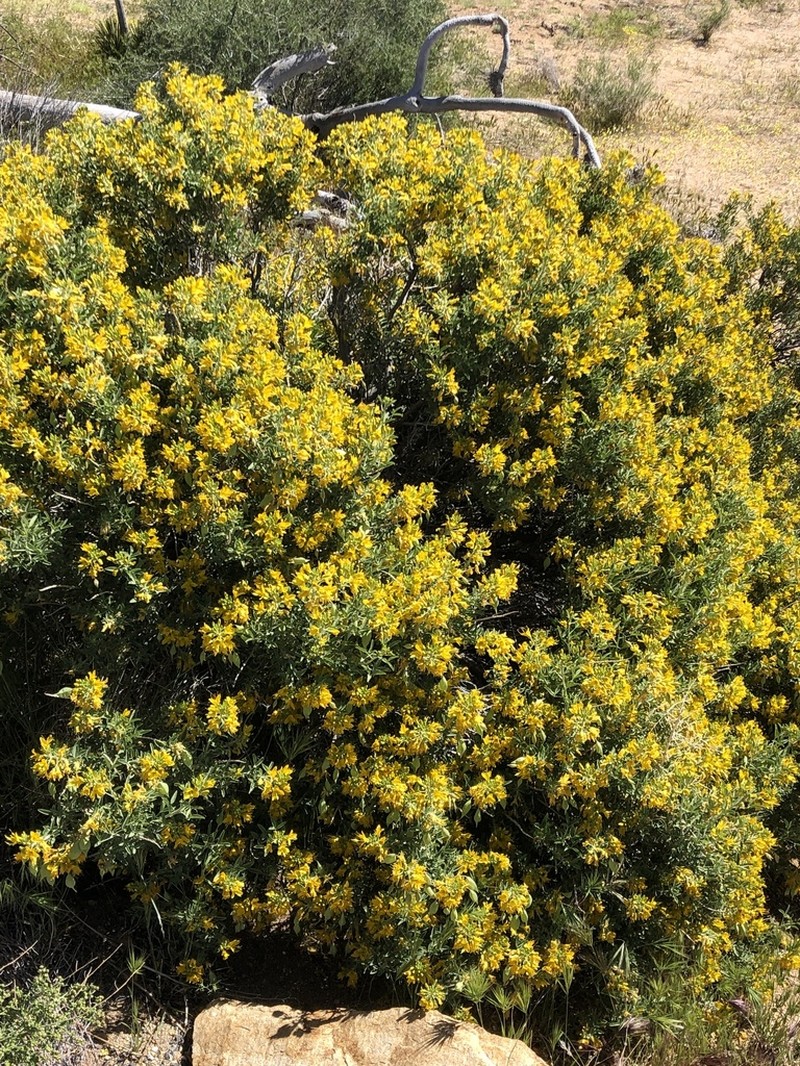
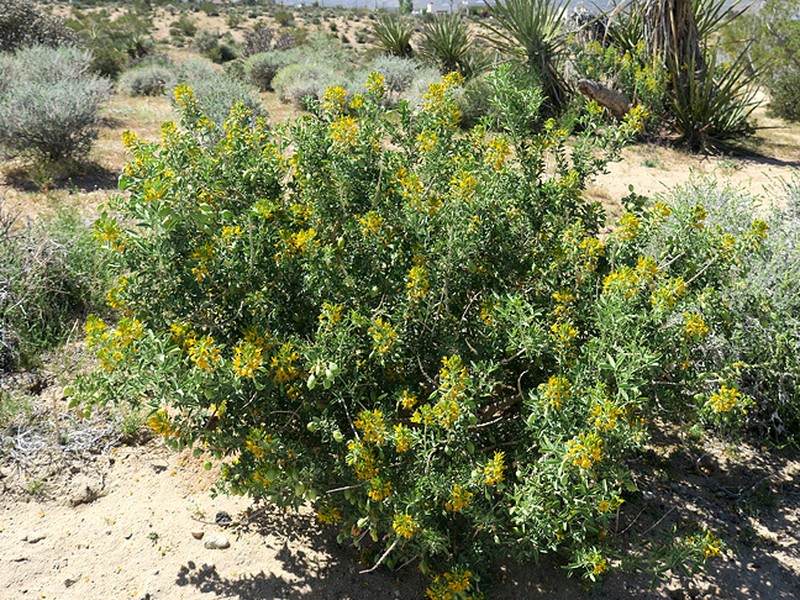
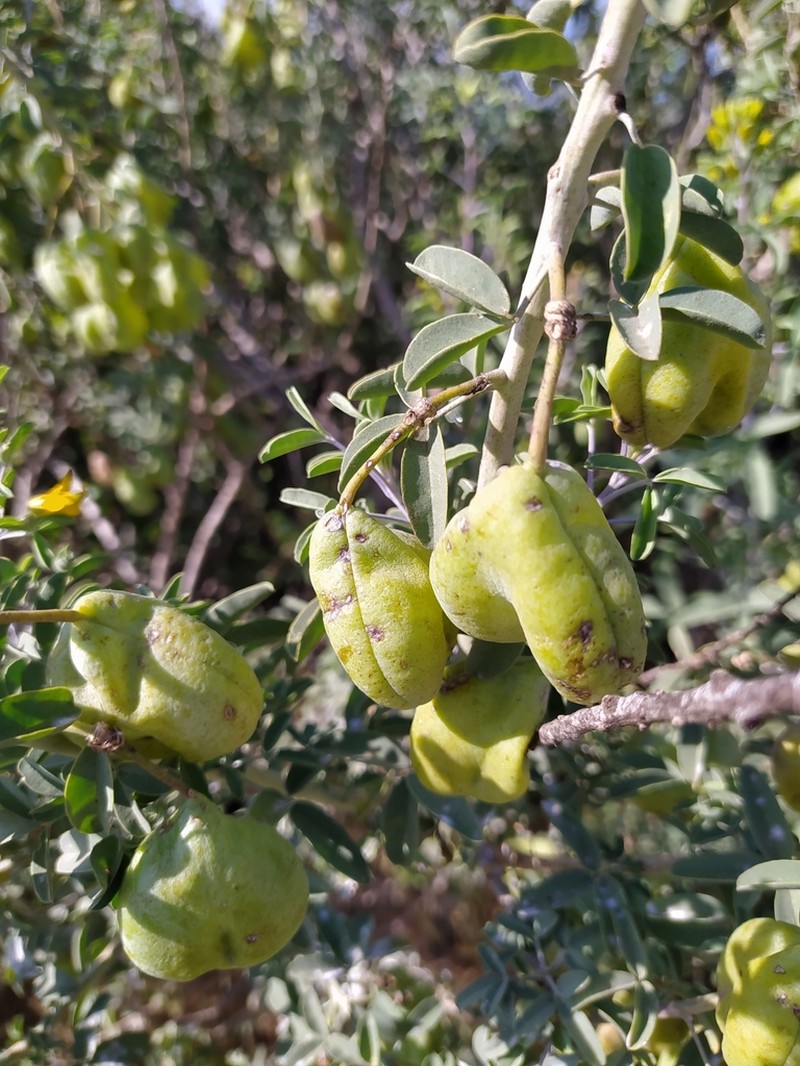
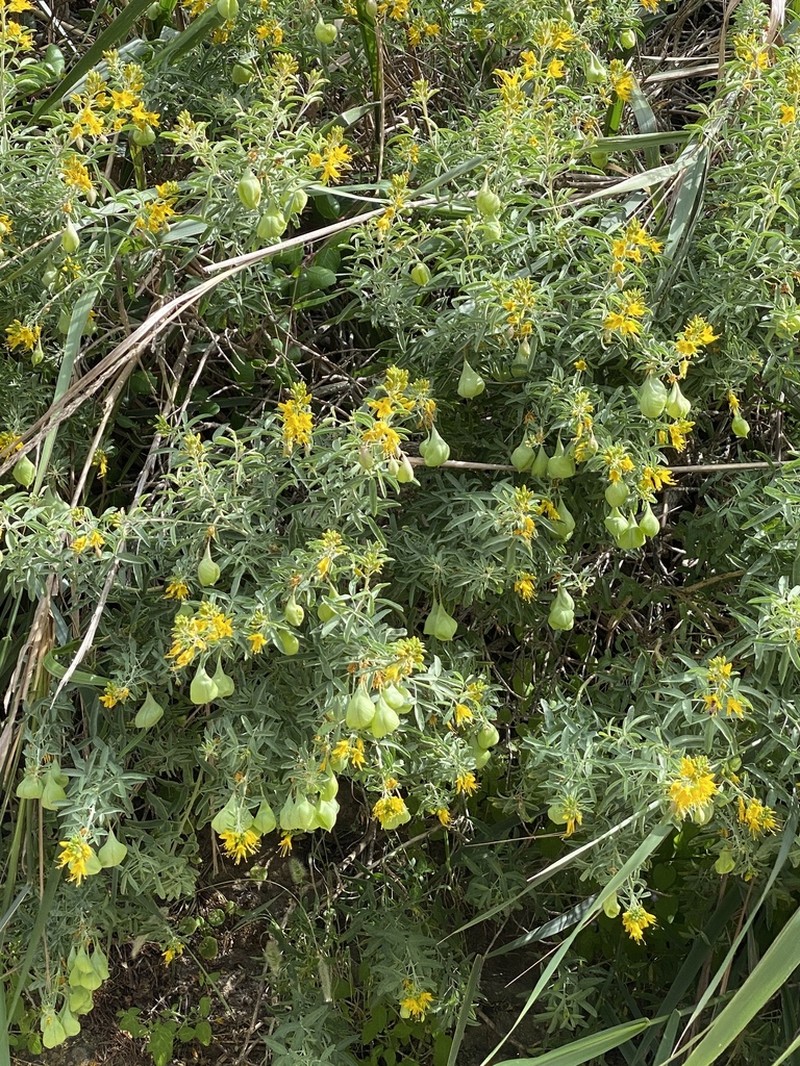
Bladderpod Spiderflower
Cleomella arborea
- Native to:
- Mexico, United States
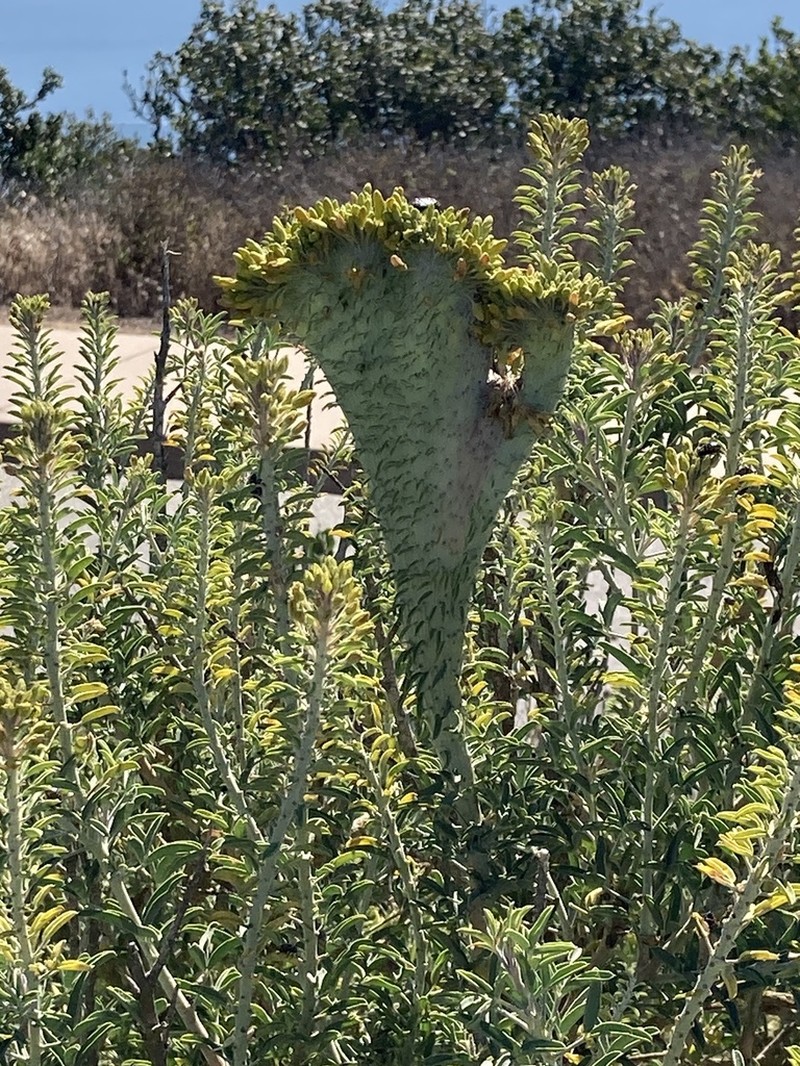
iNaturalist: © patsimpson2000 (iNaturalist #294105529)
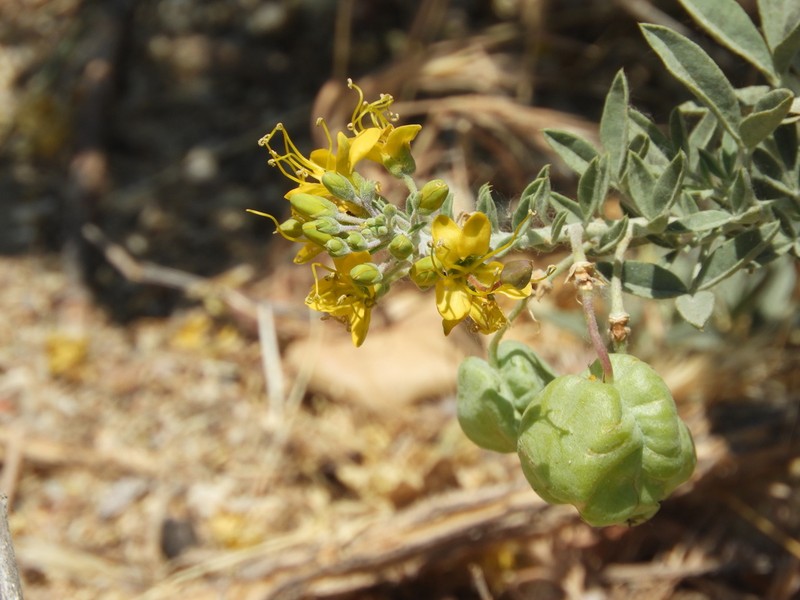
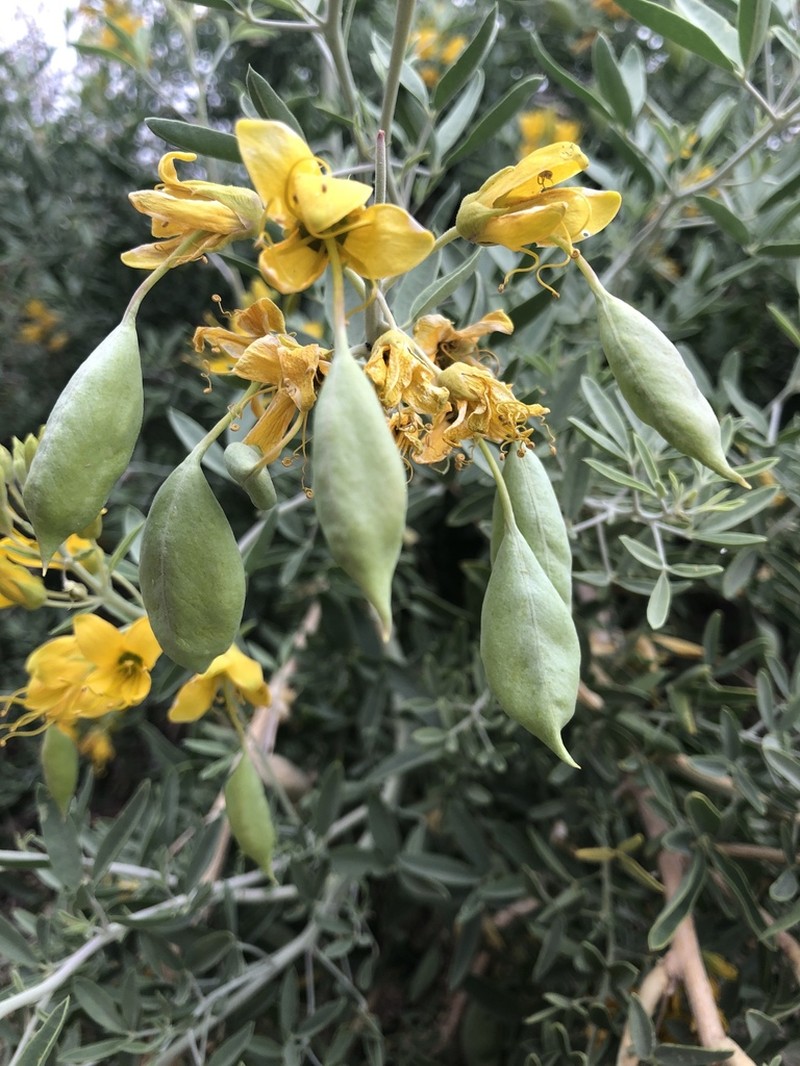
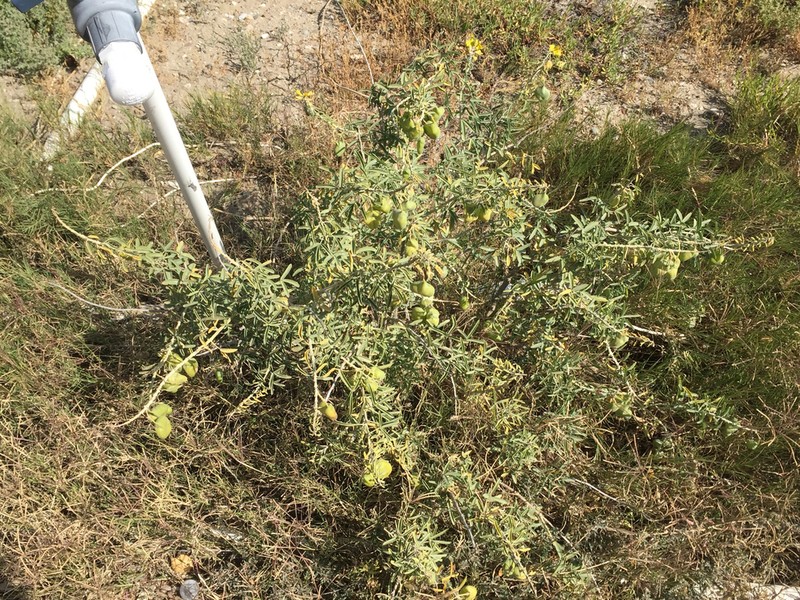
Taxonomy
- Division:
- Magnoliophyta | - Flowering plants
- Family:
- Cleomaceae
- Genus:
- Cleomella
- Species:
- Cleomella arborea
- USDA Symbol:
- CLIS
Growth Characteristics
- Life Cycle:
- Perennial
- Growth Habit:
- Shrub , Subshrub
- Height:
- 300 cm
- Light Requirements:
- Full Sun
- Drought Tolerance:
- High
- Bloom Months:
- mar,apr,may,jun,jul,aug,sep,oct
- Bloom Colors:
- yellow
- Landscaping Shrub:
- Yes
Wildlife Benefits
- Bees:
- ★☆☆☆☆ Documented bee visitation (GBIF)
- Butterflies & Moths:
- ★☆☆☆☆ Documented Lepidoptera association (GBIF)
- Caterpillars:
- ★☆☆☆☆ Recorded caterpillar host plant (HOSTS Database)
- Hummingbirds:
- ★☆☆☆☆ Documented hummingbird visits (GBIF)
Host Plant for Caterpillars
Plutella dammersi, Becker's white (Pontia beckerii)
Reported Fauna Sightings
Bees: ⚠️Western honey bee (Apis mellifera) Hummingbirds: Anna's Hummingbird (Calypte anna)
Garden & Ecology Notes
- Wildlife Value:
- bees, butterflies
- Deer Resistant:
- Yes
- Salt Tolerant:
- Yes
- Fire Ecology:
- Fire adapted — tolerates or benefits from fire
- Fire Notes:
- Resprouts from root crown after fire.
Soil Requirements
- Soil Type:
- sandy, well-drained, nutrient-poor soil
- pH:
- 6.0 - 8.0 (neutral to slightly alkaline)
- Drainage:
- excellent drainage required
- Moisture:
- dry to moderate
- Notes:
- native to arid desert regions
Propagation & Germination
Pre-treatment: Seeds are scarified by carefully clipping the seed coat away from the embryo, then soaked overnight in water. Seeds can be placed between sheets of blotter paper in nursery flats and wrapped in plastic bags to prevent desiccation. Alternatively, seeds can be directly sown in open flats using a growing medium of 2 parts sand, 1 part mulch and 2 parts perlite.
Source: npn.rngr.net