
Scotch Attorney
Clusia rosea
- Native to:
- Aruba, Bahamas, Belize, Cayman Is., Central American Pacific Is., Colombia, Costa Rica, Cuba, Dominican Republic, Ecuador, El Salvador, French Guiana, Guam, Guatemala, Guyana, Haiti, Honduras, Jamaica, Leeward Is., Mexico, Netherlands Antilles, Nicaragua, Panamá, Puerto Rico, Suriname, Trinidad-Tobago, Turks-Caicos Is., United States, Venezuela, Venezuelan Antilles, Virgin Islands, Windward Is.
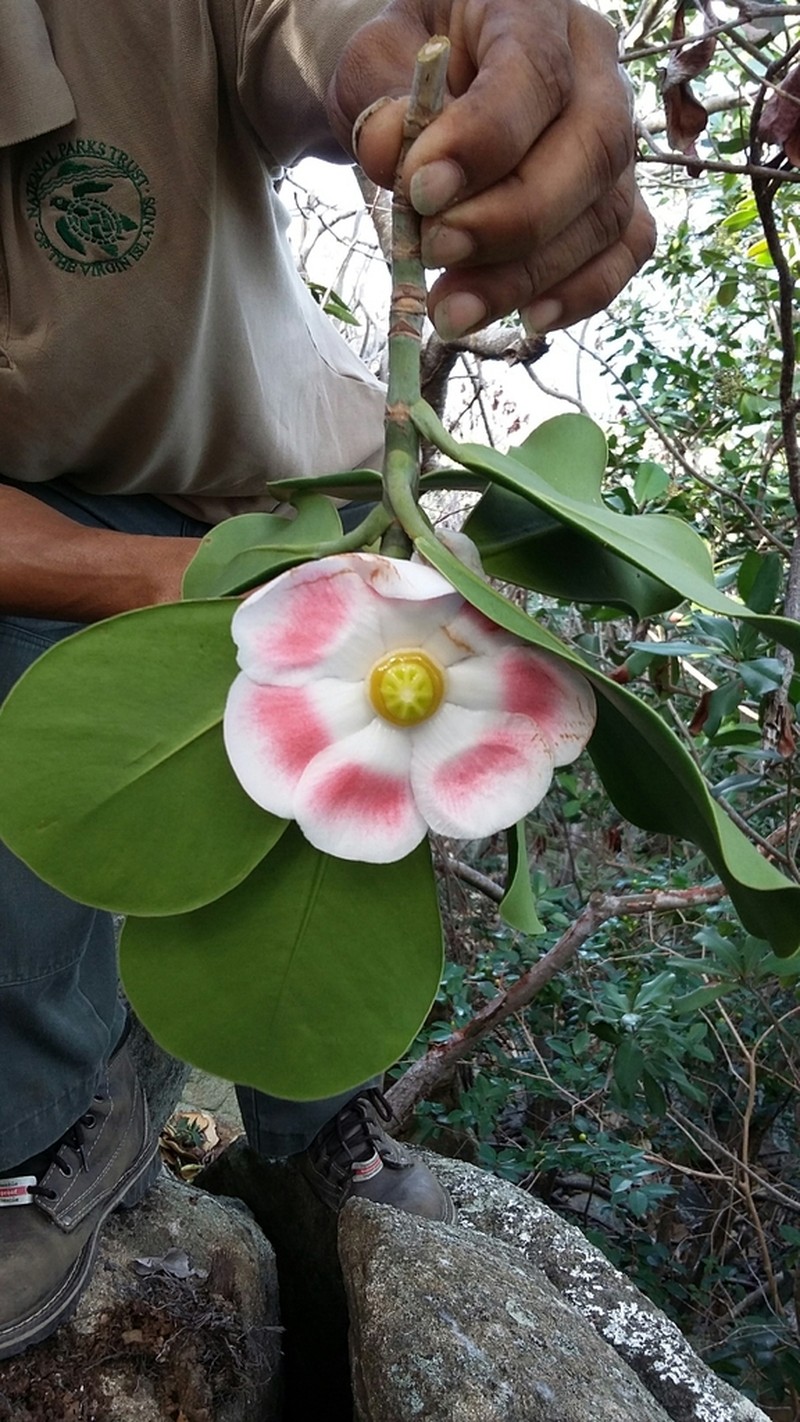
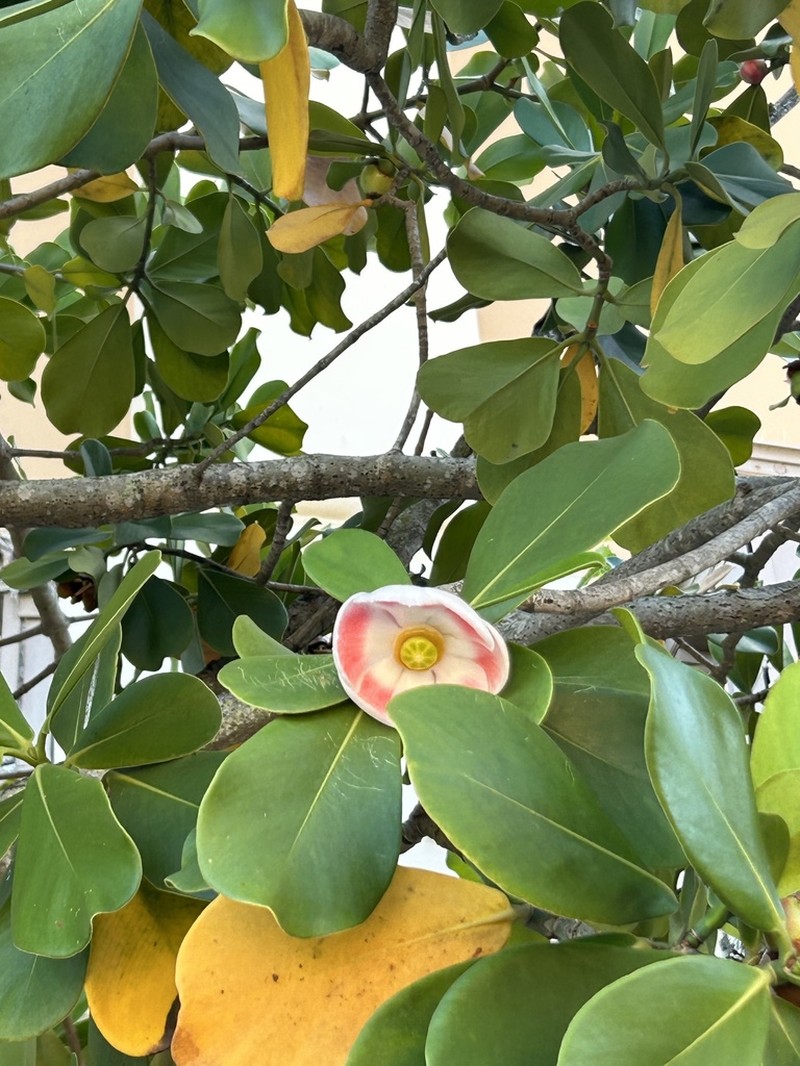
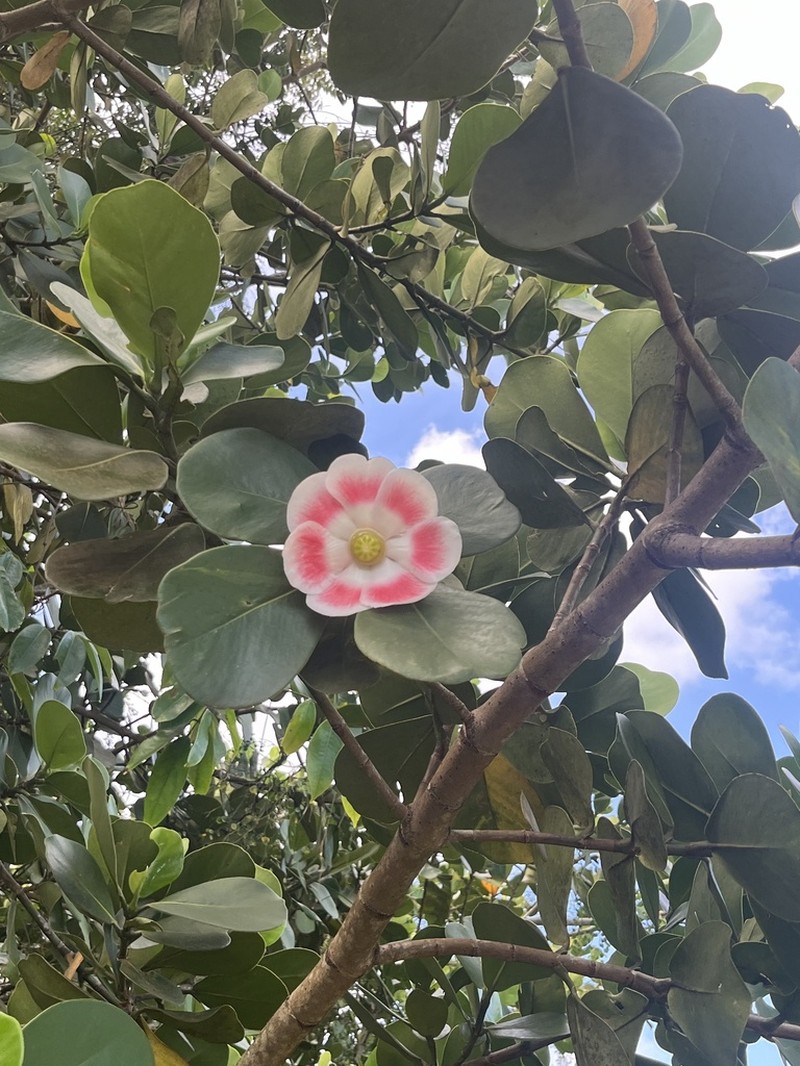
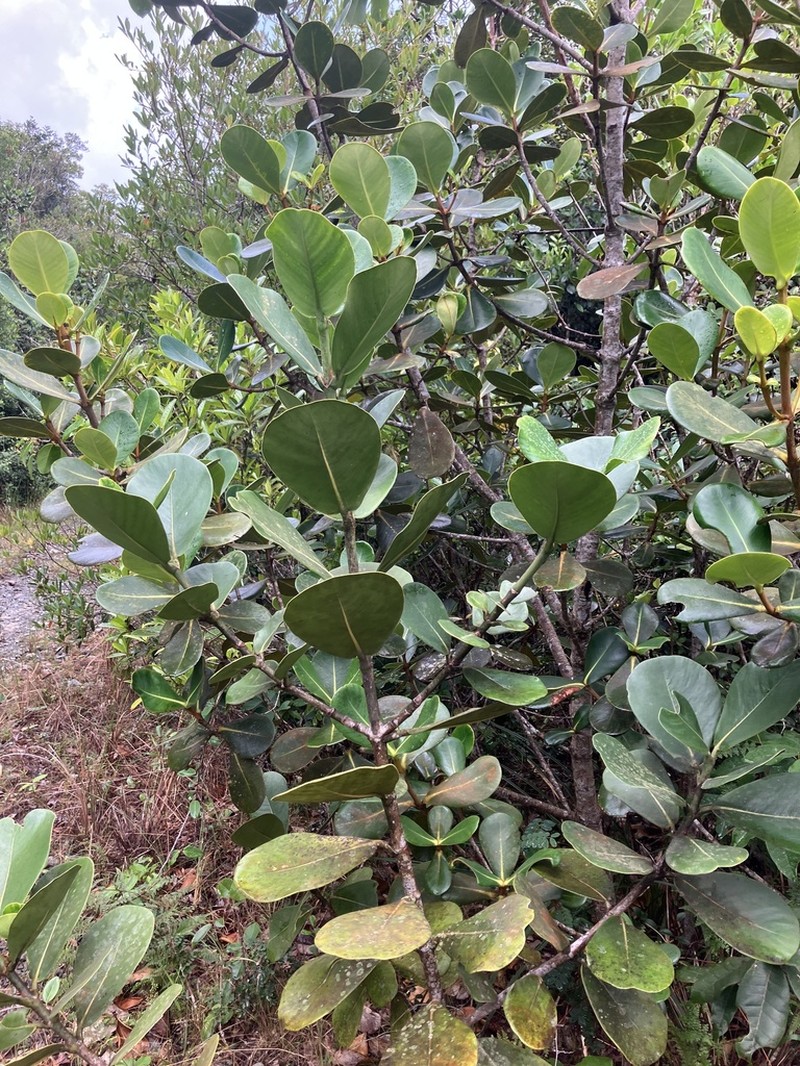
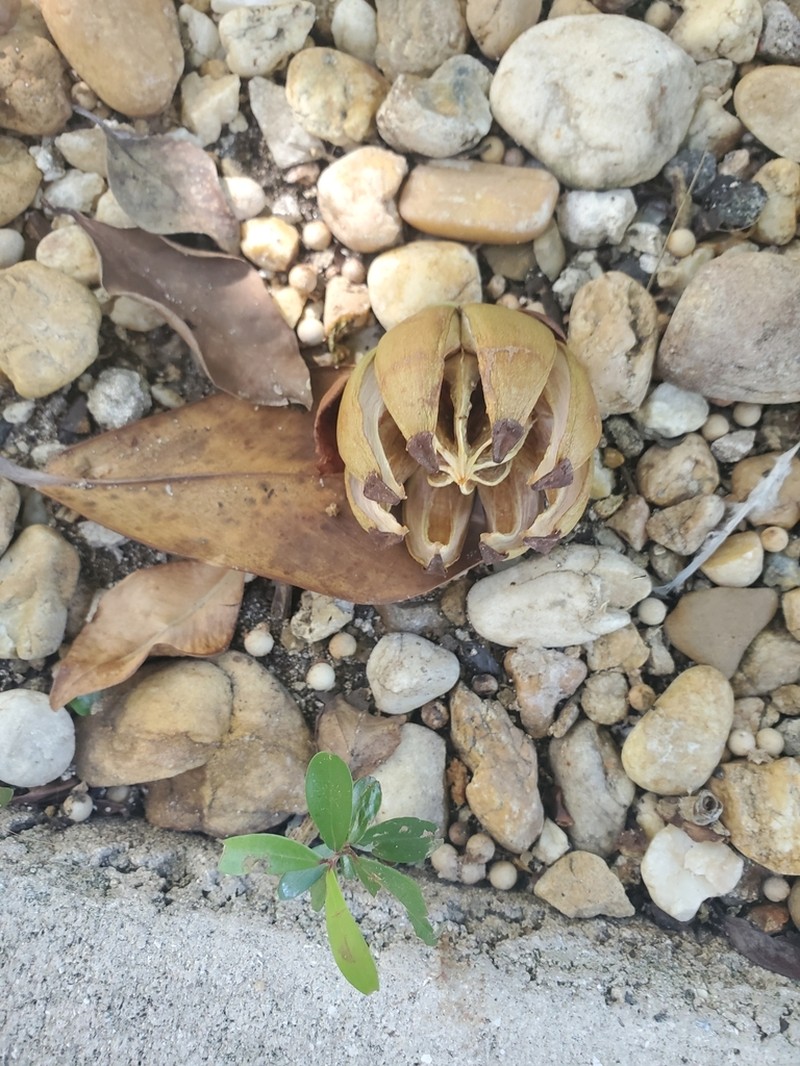
iNaturalist: © qcrescente (iNaturalist #2643113)
Taxonomy
- Division:
- Magnoliophyta | - Flowering plants
- Family:
- Clusiaceae
- Genus:
- Clusia
- Species:
- Clusia rosea
- USDA Symbol:
- CLRO
Growth Characteristics
- Life Cycle:
- Perennial
- Growth Habit:
- Shrub , Tree
- Height:
- 2000 cm
- Light Requirements:
- Full Sun,Part Shade
- Drought Tolerance:
- High
- Bloom Months:
- jun,jul,aug
- Bloom Colors:
- white, pink
Wildlife Benefits
- Butterflies & Moths:
- ★☆☆☆☆ Documented Lepidoptera association (GBIF)
- Caterpillars:
- ★☆☆☆☆ Recorded caterpillar host plant (HOSTS Database)
Garden & Ecology Notes
- Wildlife Value:
- birds, butterflies
- Deer Resistant:
- Yes
- Salt Tolerant:
- Yes
Soil Requirements
- Soil Type:
- rich, well-drained loamy soil
- pH:
- 5.5 - 7.5 (slightly acidic to neutral)
- Drainage:
- excellent drainage required
- Moisture:
- consistently moist
- Notes:
- native to tropical forests, prefers organic matter
Propagation & Germination
Pre-treatment: Break apart fruits and smear fruit pulp and seeds onto a paper towel. Plant the towel covered with seeds immediately and cover lightly with growing media. Irrigate until thoroughly watered.
Establishment: C. rosea fruits most heavily in late summer but sporadically throughout the year. Fruits should be taken directly from the tree because ants and bats consume fruit very quickly. Found throughout the West Indies from Bahamas to Cuba to Trinidad, and also in southern Mexico to Colombia, Venezuela and French Guiana. Very rare in Florida Keys.
Source: npn.rngr.net