
Largeflower Bellwort
Uvularia grandiflora
- Native to:
- Canada, United States, Virgin Islands
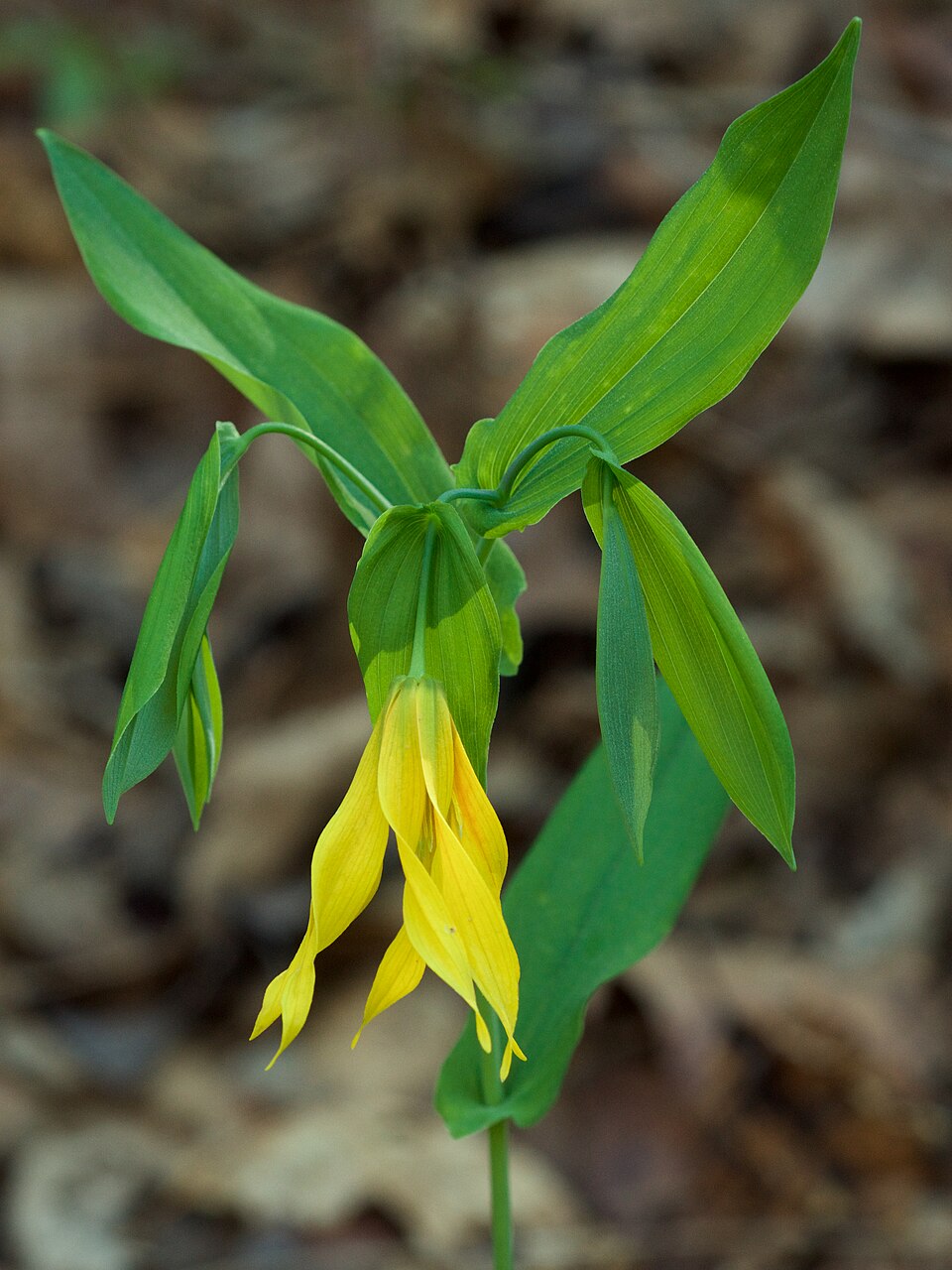
Eric Hunt
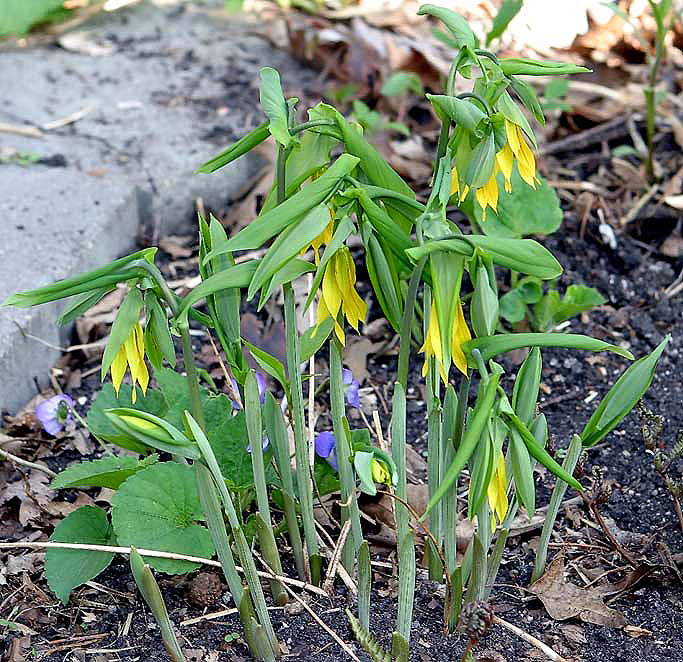
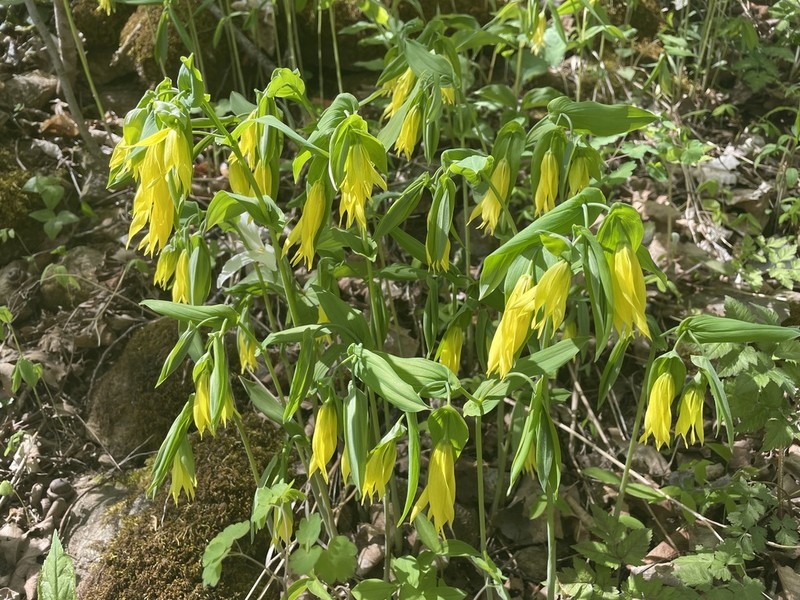
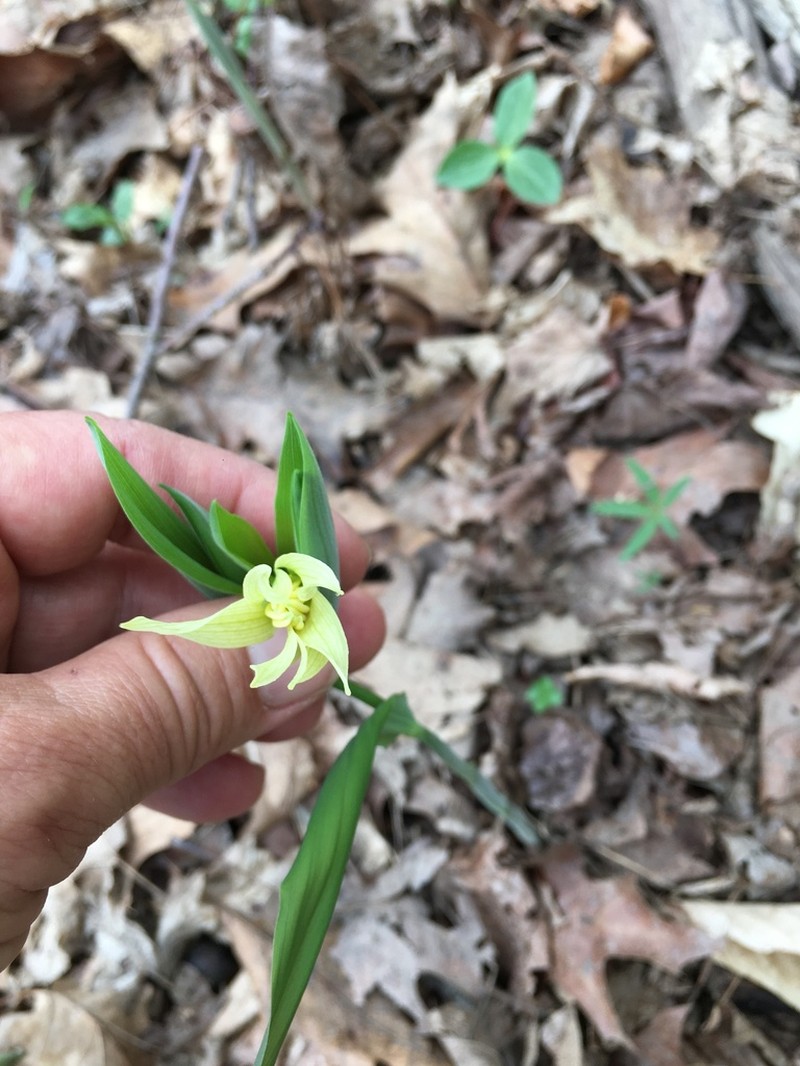
Taxonomy
- Division:
- Magnoliophyta | - Flowering plants
- Family:
- Colchicaceae
- Genus:
- Uvularia
- Species:
- Uvularia grandiflora
- USDA Symbol:
- UVGR
Growth Characteristics
- Life Cycle:
- Perennial
- Growth Habit:
- Forb/herb
- Height:
- 76 cm
- Light Requirements:
- Shade
- Drought Tolerance:
- Low
- Bloom Months:
- apr,may,jun
- Bloom Colors:
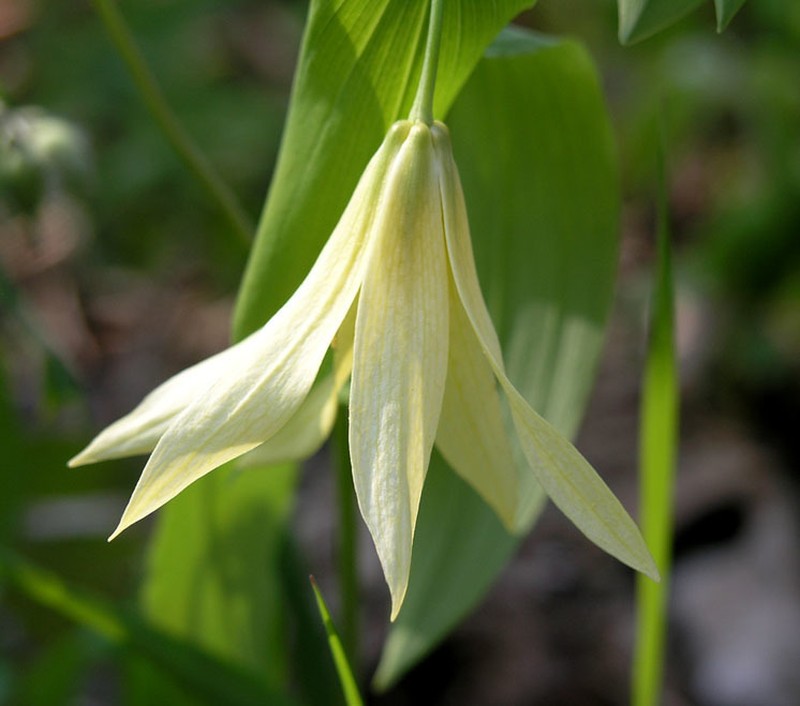
- yellow
Wildlife Benefits
- Bees:
- ★☆☆☆☆ Documented bee visitation (GBIF)
- Butterflies & Moths:
- ★☆☆☆☆ Documented Lepidoptera association (GBIF)
Reported Fauna Sightings
Garden & Ecology Notes
- Wildlife Value:
- bees, butterflies
- Fall Color:
- yellow
Soil Requirements
- Soil Type:
- rich, well-drained loamy soil
- pH:
- 5.5 - 7.0 (slightly acidic to neutral)
- Drainage:
- good drainage required
- Moisture:
- consistently moist
- Notes:
- prefers woodland settings with organic matter
Propagation & Germination
- Stratification:
- Cold/moist stratification required — 60–90 days
- Germination Time:
- 30–60 days
- Notes:
- Seeds require cold stratification for 60-90 days; germination occurs in spring.
Pre-treatment: Seeds are dispersed in the fall months in containers buried in the soil outside, equivalent to moist cold stratification of 3-6 months
Establishment: Seed is collected by hand from locally native plants within the eastern central Upper Peninsula. The plant is found in rich deciduous woods often on hillsides, ranging from upland beech-maple and hemlock hardwoods to low floodplain woods and streamside thickets.
Source: npn.rngr.net
ORGHPS Germination Guide: Sow immediately, Either the viability of these seeds is short or the species propagates best with fresh seed. Stored seed might be coaxed into germination with temperature cycling and patience. Expose to fluctuation outdoor winter temperatures including freezing for 3 months. Gradually increase light and temperature in the spring. * hydrophilic; germination is hypogeal
Where to Buy
Nationwide Seller
- Vermont Wildflower Farm (nursery and seeds)
- Prairie Moon Nursery (nursery and seeds)