
White Mangrove
Laguncularia racemosa
- Native to:
- Angola, Aruba, Bahamas, Belize, Benin, Brazil, Cameroon, Cayman Is., Colombia, Costa Rica, Cuba, Dominican Republic, Ecuador, El Salvador, French Guiana, Gabon, Galápagos, Gambia, Ghana, Guam, Guatemala, Guinea, Guinea-Bissau, Gulf of Guinea Is., Guyana, Haiti, Honduras, Jamaica, Leeward Is., Liberia, Mexico, Netherlands Antilles, Nicaragua, Nigeria, Panamá, Peru, Puerto Rico, Senegal, Sierra Leone, Southwest Caribbean, Suriname, Trinidad-Tobago, Turks-Caicos Is., United States, Venezuela, Venezuelan Antilles, Virgin Islands, Windward Is.
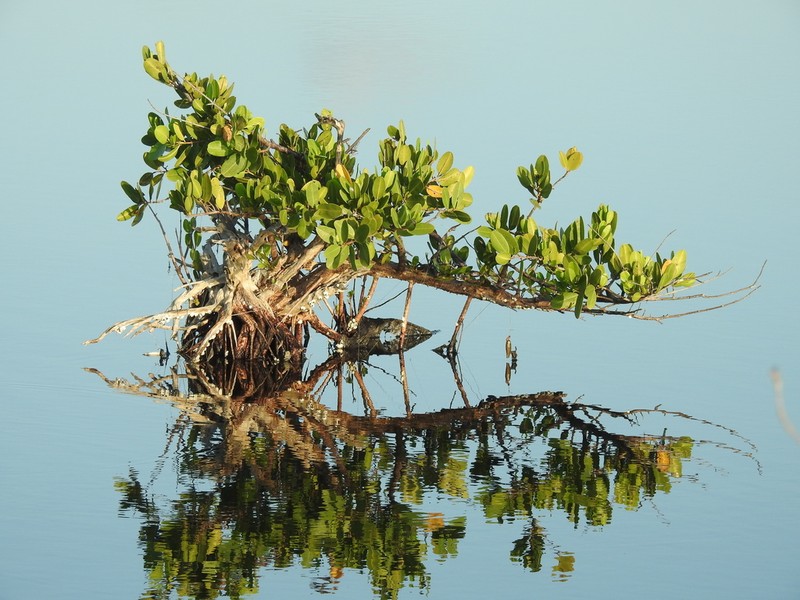
iNaturalist: © kingmush (iNaturalist #115056521)
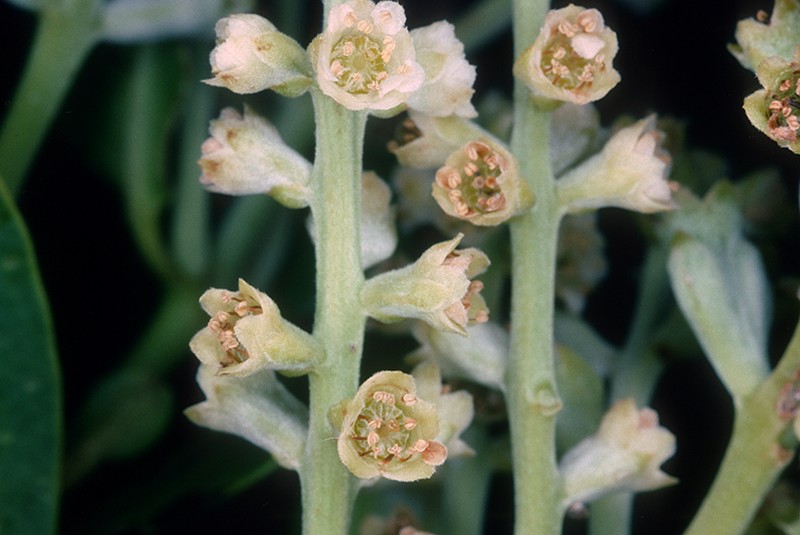
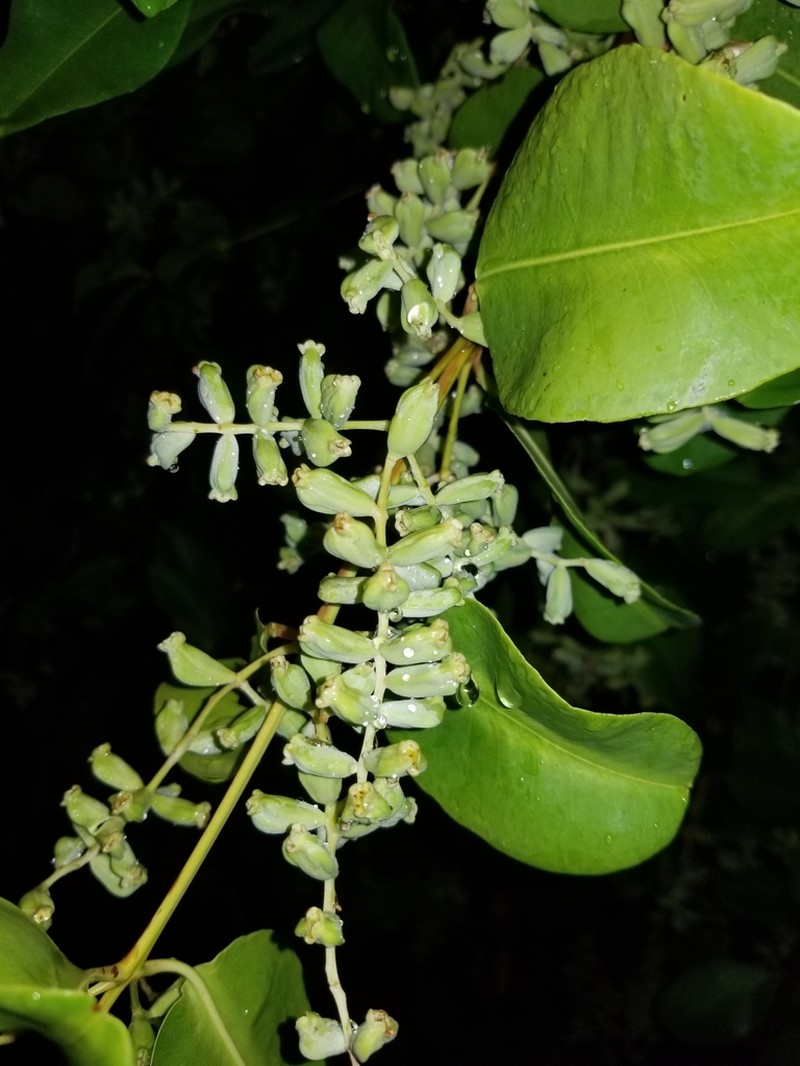
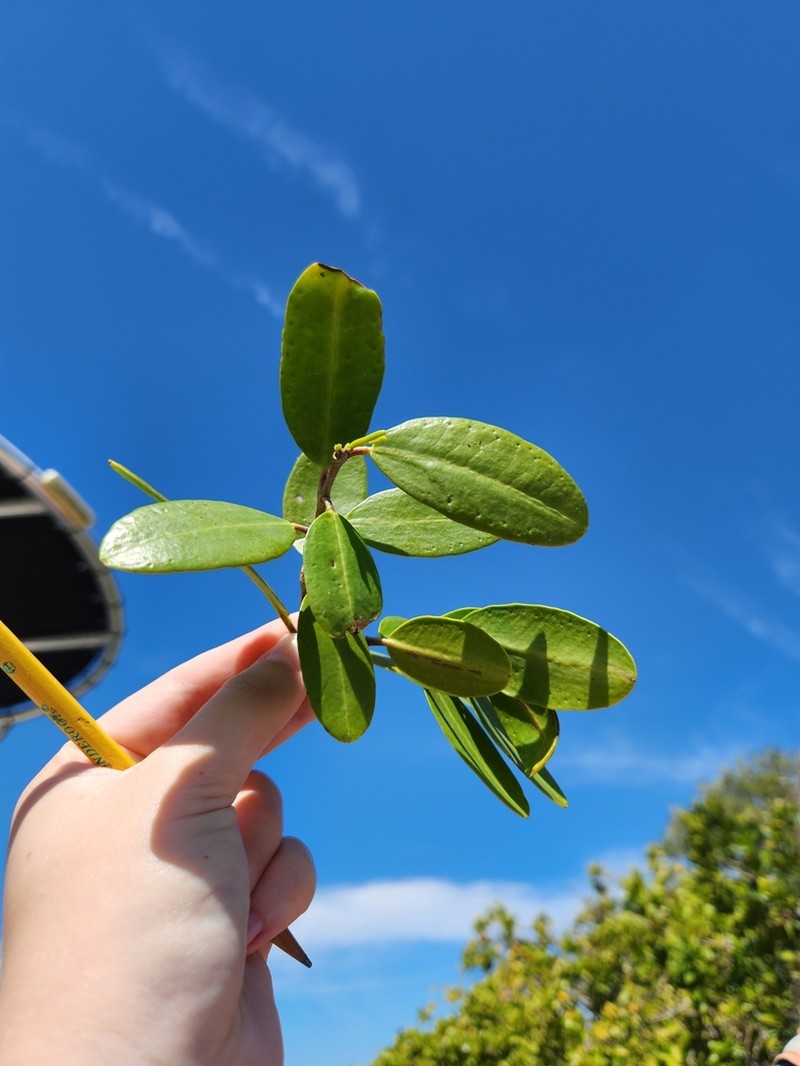
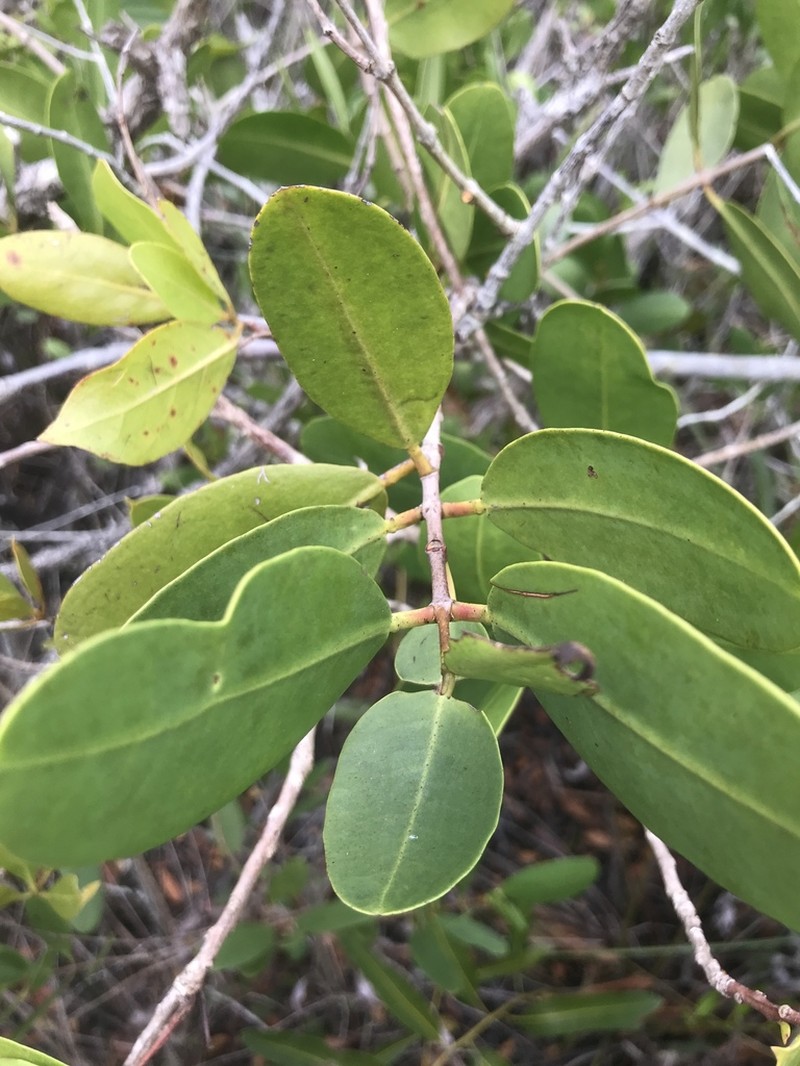
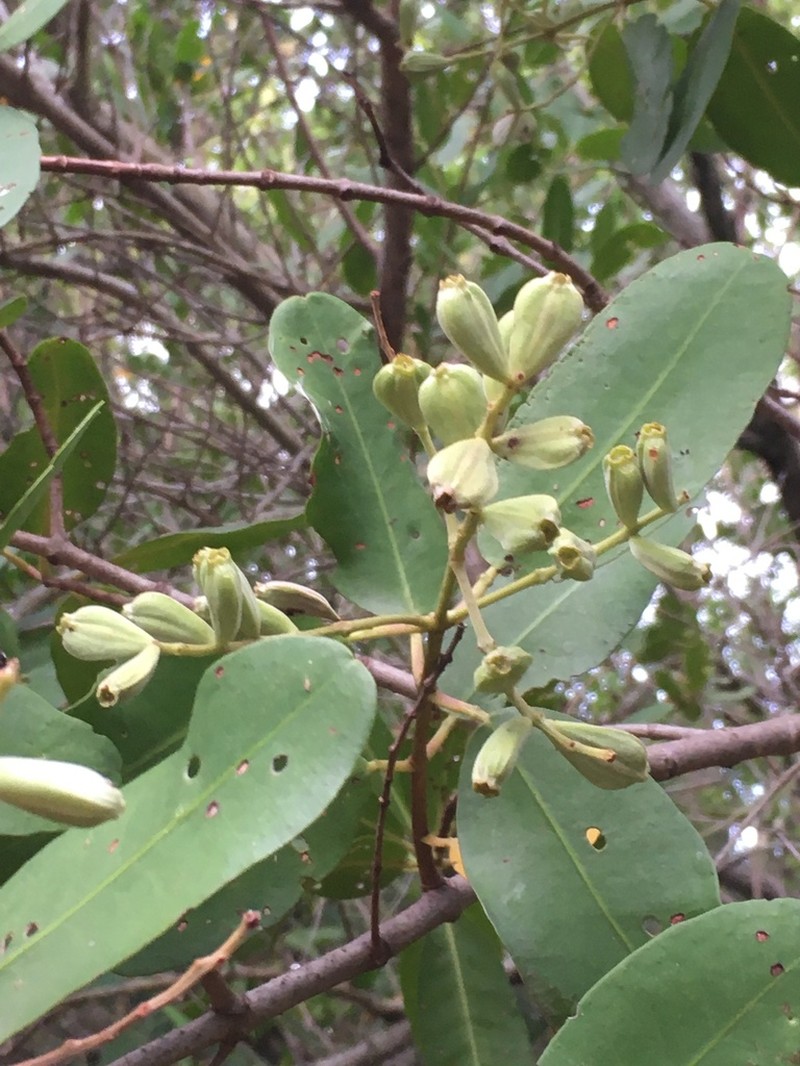
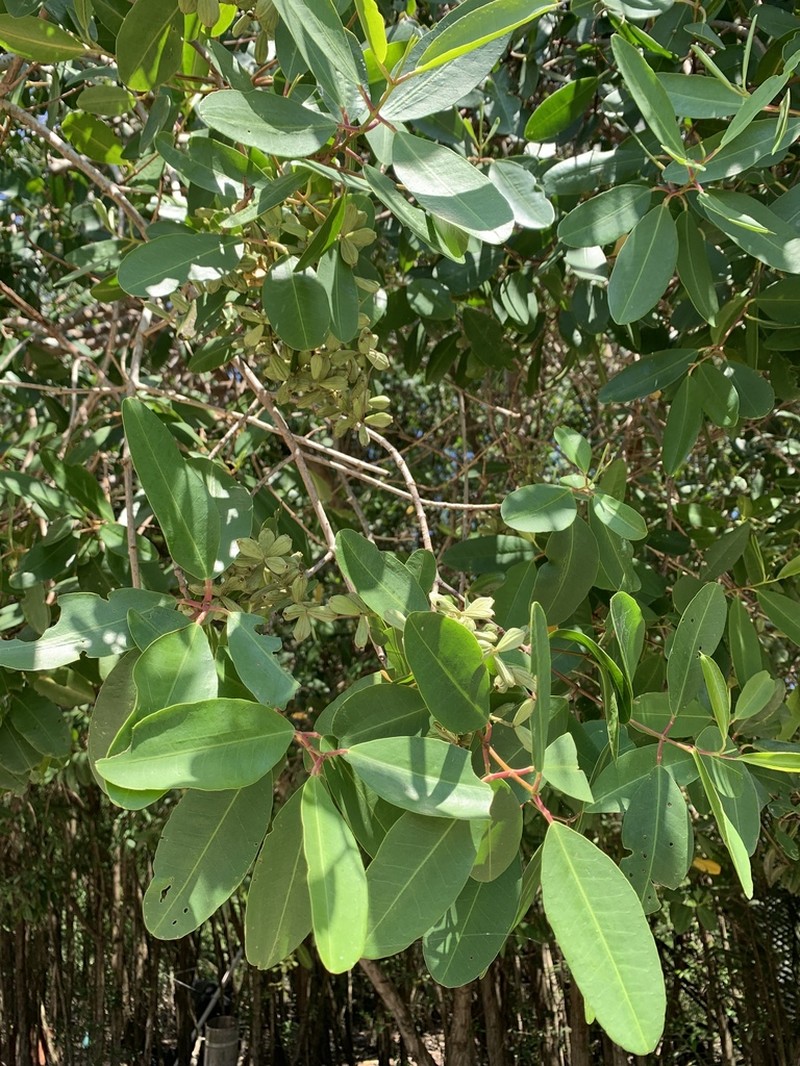
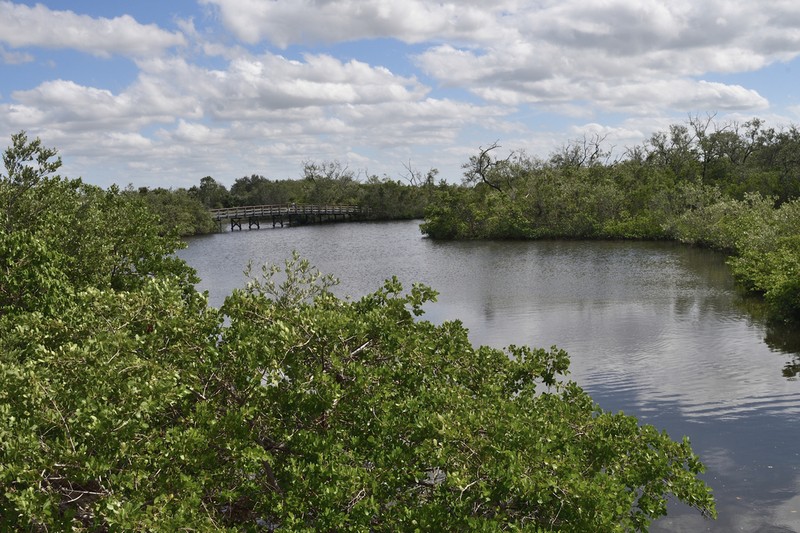
Taxonomy
- Division:
- Magnoliophyta | - Flowering plants
- Family:
- Combretaceae
- Genus:
- Laguncularia
- Species:
- Laguncularia racemosa
- USDA Symbol:
- LARA2
Growth Characteristics
- Life Cycle:
- Perennial
- Growth Habit:
- Shrub , Tree
- Height:
- 1800 cm
- Light Requirements:
- Part Shade
- Drought Tolerance:
- Low
- Bloom Months:
- may,jun,jul,aug
- Bloom Colors:
- white, greenish-white
Wildlife Benefits
- Bees:
- ★☆☆☆☆ Documented bee visitation (GBIF)
- Butterflies & Moths:
- ★☆☆☆☆ Documented Lepidoptera association (GBIF)
- Caterpillars:
- ★☆☆☆☆ Recorded caterpillar host plant (HOSTS Database)
Host Plant for Caterpillars
Anacampsis lagunculariella, Nola apera, Nola lagunculariae, Sarasota plumigerella
Reported Fauna Sightings
Bees: ⚠️Western honey bee (Apis mellifera)
Garden & Ecology Notes
- Wildlife Value:
- birds, small mammals
- Salt Tolerant:
- Yes
Soil Requirements
- Soil Type:
- saline, waterlogged, clay or sandy
- pH:
- 6.0 - 8.0 (neutral to slightly alkaline)
- Drainage:
- tolerates poor drainage
- Moisture:
- consistently moist
- Notes:
- commonly found in mangrove ecosystems
Propagation & Germination
- Notes:
- Seeds are viviparous, germinating on the tree; no conventional stratification needed.