
Field Bindweed
Convolvulus arvensis
- Native to:
- Afghanistan, Albania, Algeria, Austria, Azores, Baleares, Baltic States, Belarus, Belgium, Bulgaria, Canary Is., Chad, China, Corse, Cyprus, Czechia-Slovakia, Denmark, East Aegean Is., Egypt, Finland, France, Germany, Great Britain, Greece, Hainan, Hungary, India, Iran, Iraq, Ireland, Italy, Kazakhstan, Kirgizstan, Kriti, Krym, Lebanon-Syria, Libya, Madeira, Mauritania, Morocco, Myanmar, Nepal, Netherlands, North Caucasus, Norway, NW. Balkan Pen., Oman, Pakistan, Palestine, Poland, Portugal, Romania, Russia, Sardegna, Saudi Arabia, Sicilia, Sinai, Spain, Sudan-South Sudan, Sweden, Switzerland, Tadzhikistan, Transcaucasus, Tunisia, Türkiye, Türkiye-in-Europe, Turkmenistan, Ukraine, Uzbekistan
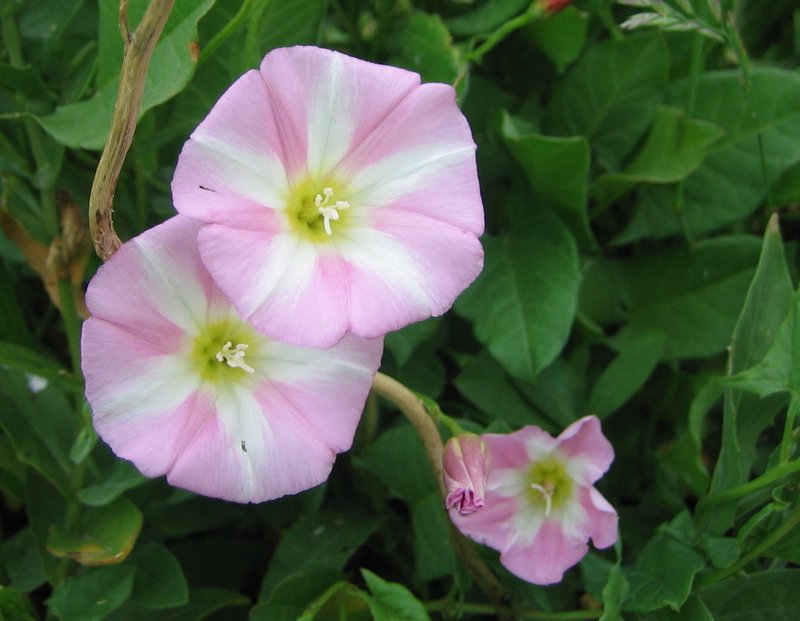
W. Bulach
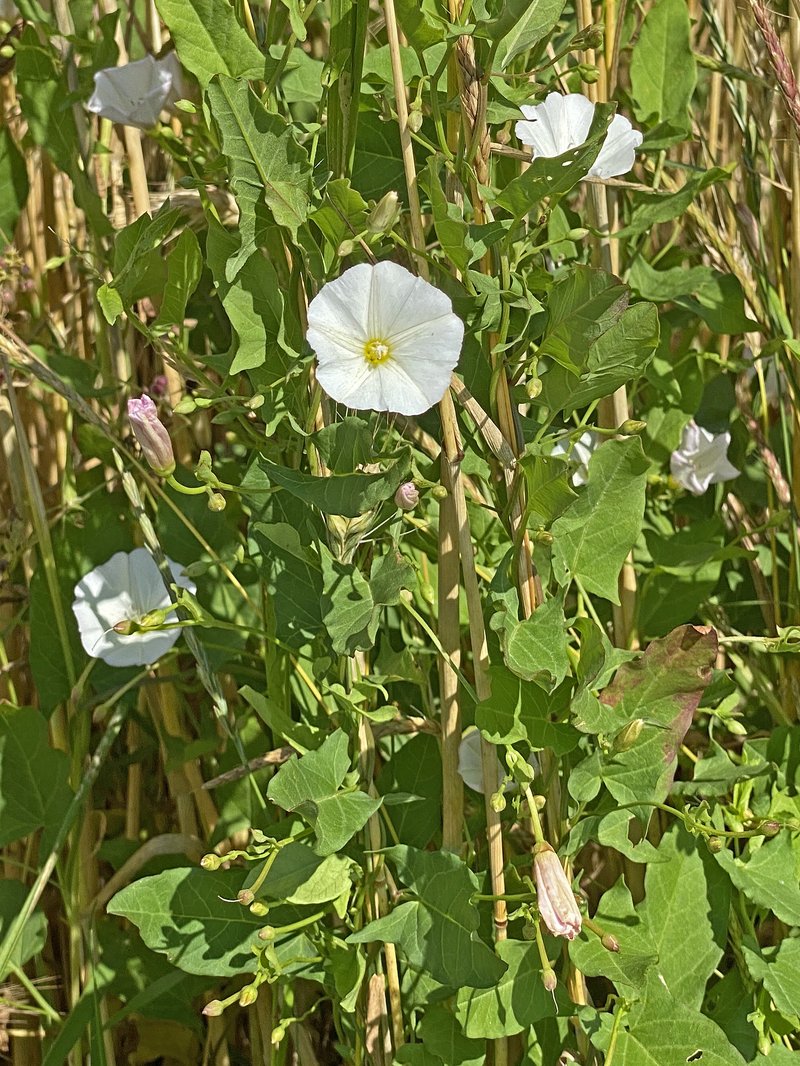
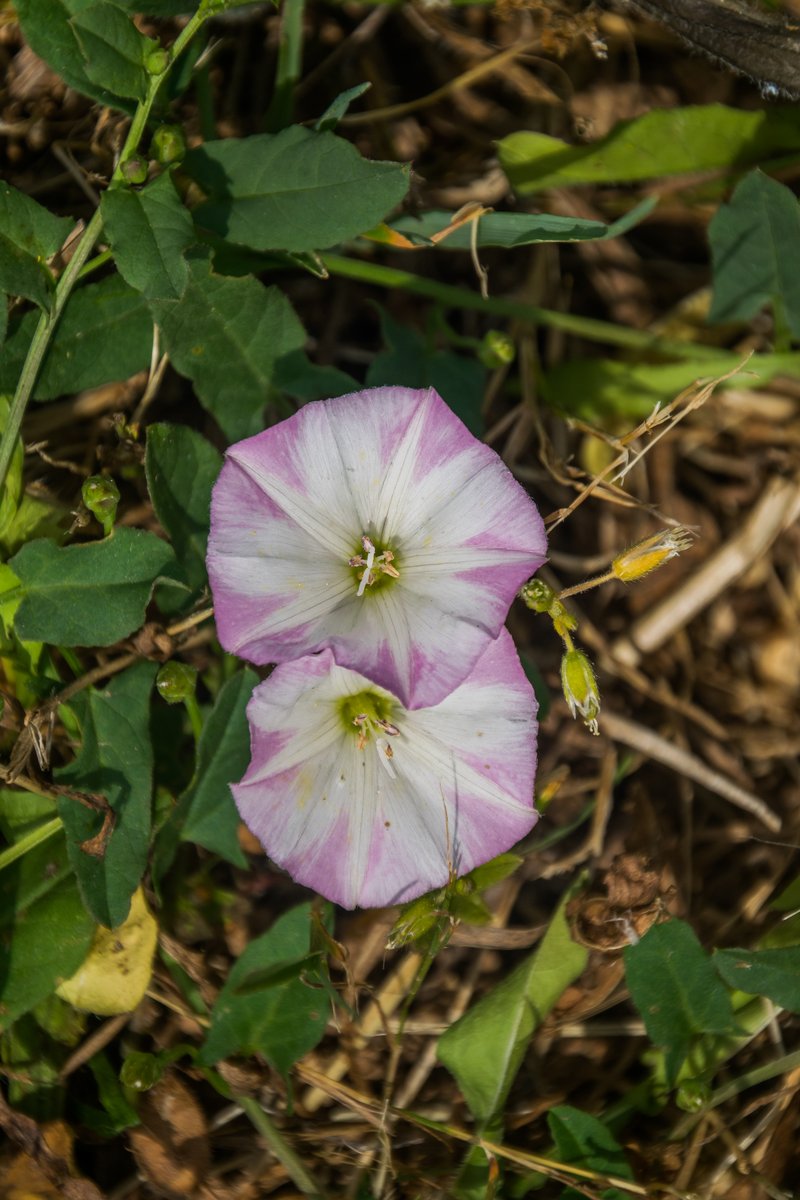
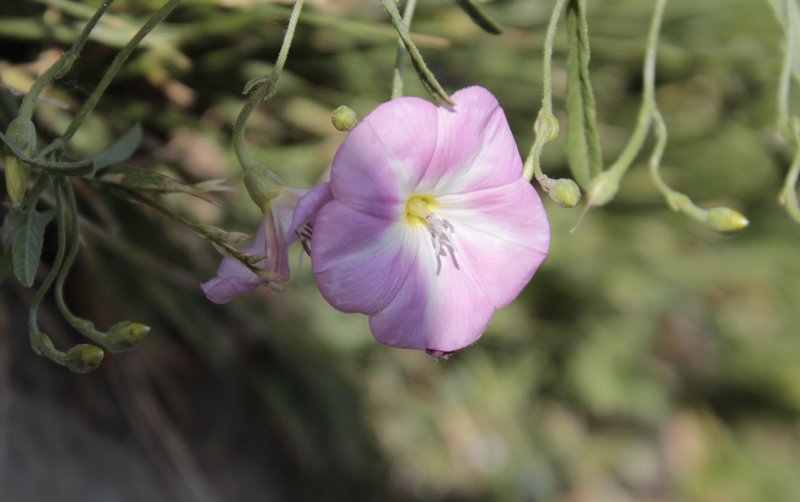
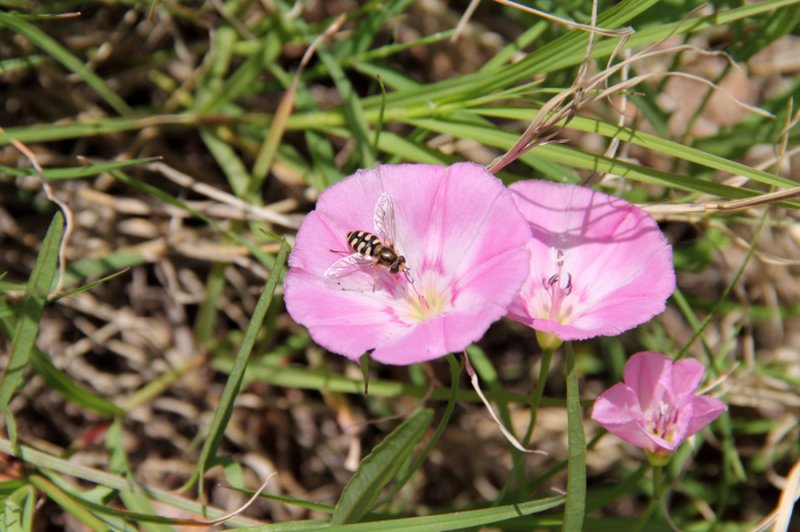
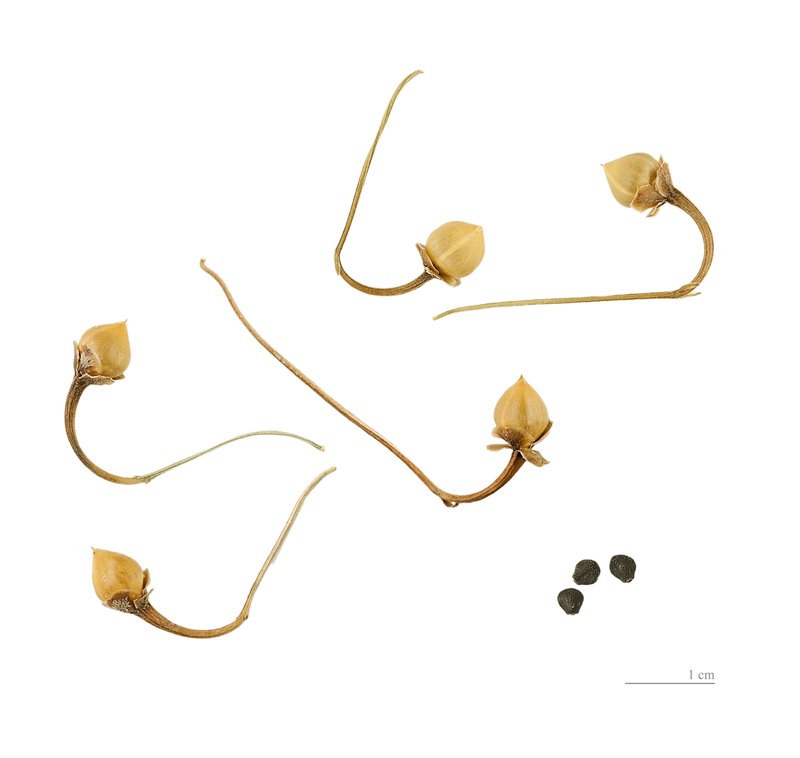
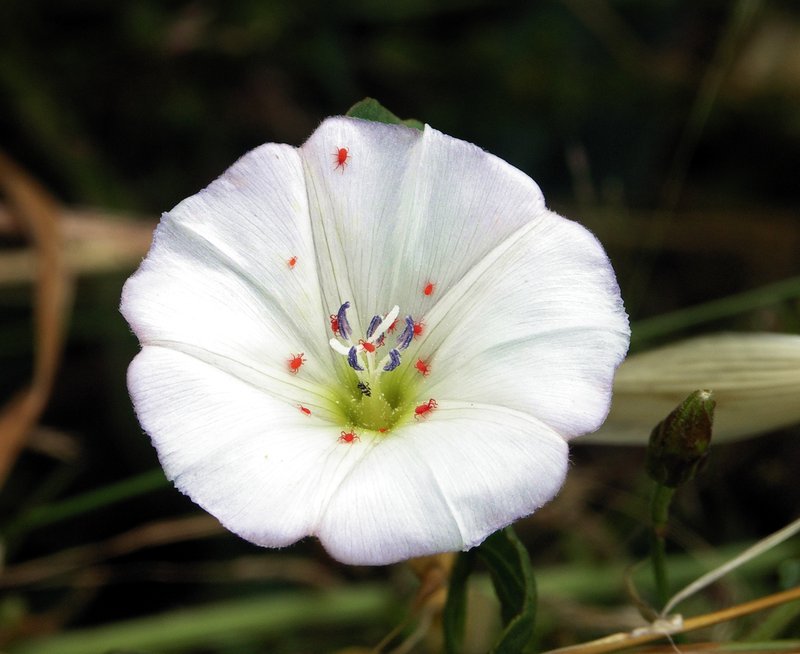
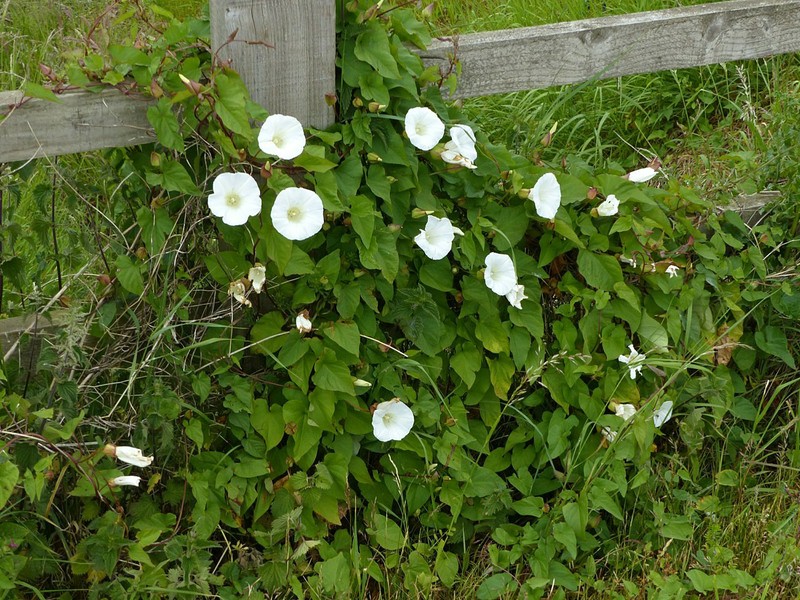
Taxonomy
- Division:
- Magnoliophyta | - Flowering plants
- Family:
- Convolvulaceae
- Genus:
- Convolvulus
- Species:
- Convolvulus arvensis
- USDA Symbol:
- COAR4
Growth Characteristics
- Life Cycle:
- Perennial
- Growth Habit:
- Forb/herb , Vine
- Height:
- 200 cm
- Light Requirements:
- Full Sun
- Drought Tolerance:
- High
- Bloom Months:
- jun,jul,aug,sep
- Bloom Colors:
- white, pink
Host Plant for Caterpillars
T-moth (Emmelina monodactyla), Painted Crescent (Phyciodes pictus)
Reported Fauna Sightings
Bees: American bumble bee (Bombus pensylvanicus), Brown-belted bumble bee (Bombus griseocollis), Common eastern bumble bee (Bombus impatiens), Fuzzy-horned bumble bee (Bombus mixtus), Hunt's bumble bee (Bombus huntii), Northern amber (Bombus borealis), Red-belted bumble bee (Bombus rufocinctus), Two-spotted Longhorn (Melissodes bimaculatus), ⚠️Western honey bee (Apis mellifera), Yellow bumble bee (Bombus fervidus), Yellow-faced bumble bee (Bombus vosnesenskii), Zadontomerus Ashmead Moths:four-spotted moth (Tyta luctuosa) Butterflies:Small White (Pieris rapae)
Garden & Ecology Notes
- Wildlife Value:
- bees, butterflies
- Deer Resistant:
- Yes
- Salt Tolerant:
- Yes
Soil Requirements
- Soil Type:
- poor, sandy, well-drained soil
- pH:
- 6.0 - 8.0 (neutral to slightly alkaline)
- Drainage:
- excellent drainage required
- Moisture:
- dry to moderate
- Notes:
- often found in disturbed areas with low fertility
Propagation & Germination
- Stratification:
- None required
- Germination Time:
- 7–30 days
- Notes:
- Seeds germinate readily without pretreatment; can remain viable in soil for decades.