
Alternateleaf Dogwood
Cornus alternifolia
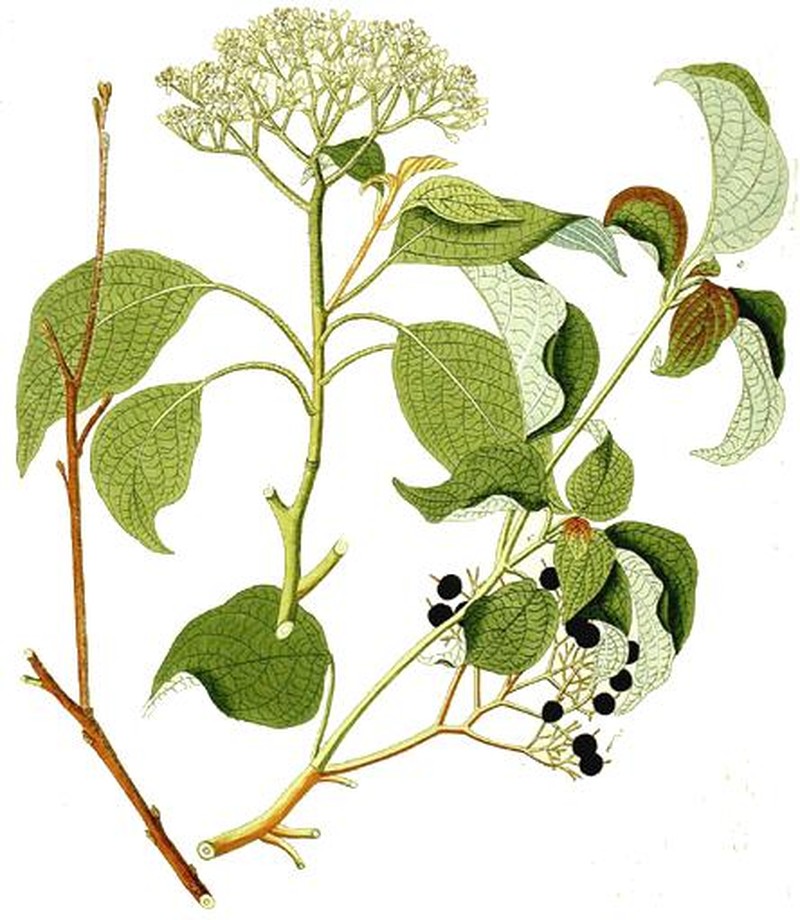
Taxonomy
- Division:
- Magnoliophyta | - Flowering plants
- Family:
- Cornaceae
- Genus:
- Cornus
- Species:
- Cornus alternifolia
Growth Characteristics
- Life Cycle:
- Perennial
- Growth Habit:
- Shrub , Tree
- Height:
- 20-40 ft
- Light Requirements:
- Full Sun
- Drought Tolerance:
- High
- Bloom Months:
- mar, apr, may, jun, jul, aug, sep, oct, nov
- Bloom Colors:
- blue, purple, white
Keystone Species Ranking
- Caterpillar Keystone:
- ★★☆☆☆ Based on number of butterfly and moth species using this genus as host plant (Source: National Wildlife Federation)
- Bee Keystone:
- ★★★★★ Based on number of native bee species using this genus for pollen and nectar (Source: National Wildlife Federation)
Host Plant for Caterpillars
Acronicta dactylina, Bent-line gray (Iridopsis larvaria), Caloptilia cornusella, Canadian Melanolophia (Melanolophia canadaria), Dimorphic Bomolocha Moth (Hypena bijugalis), Dogwood Thyatirid Moth (Euthyatira pudens), elm spanworm moth (Ennomos subsignaria), Fall webworm (Hyphantria cunea), hibiscus Quaker (Orthosia hibisci), Polyphemus moth (Antheraea polyphemus), white-lined hypena (Hypena abalienalis), White-marked Tussock Moth (Orgyia leucostigma), Zale aeruginosa, Holly Blue (Celastrina argiolus)
Reported Fauna Sightings
Bees: Brown-belted bumble bee (Bombus griseocollis), Brown-belted bumble bee (Bombus griseocollis), Two-spotted bumble bee (Bombus bimaculatus), Two-spotted bumble bee (Bombus bimaculatus)
Soil Requirements
- Soil Type:
- rich, well-drained loamy soil
- pH:
- 5.0 - 7.0 (slightly acidic to neutral)
- Drainage:
- good drainage preferred
- Moisture:
- consistently moist
- Notes:
- prefers cool, shaded woodland areas
Germination Information
Pre-treatment: Two to three months of moist cold stratification is required. Use a Ziploc-style bag or a small Rubbermaid style container to mix an equal amount of either perlite or vermiculite. Add a small amount of water. Place in a refrigerator or garage (33-42 degrees F) for two to three months. Cold store until planted (up to 3 years).
Establishment: Seed is collected by hand from locally native plants within the eastern central Upper Peninsula. Flowers from June to August. Fruits are white berries (drupes). Seed is harvested from from September to October.
Source: npn.rngr.net