
Alternateleaf Dogwood
Cornus alternifolia
- Native to:
- Canada, Prince Edward I., United States, Virgin Islands
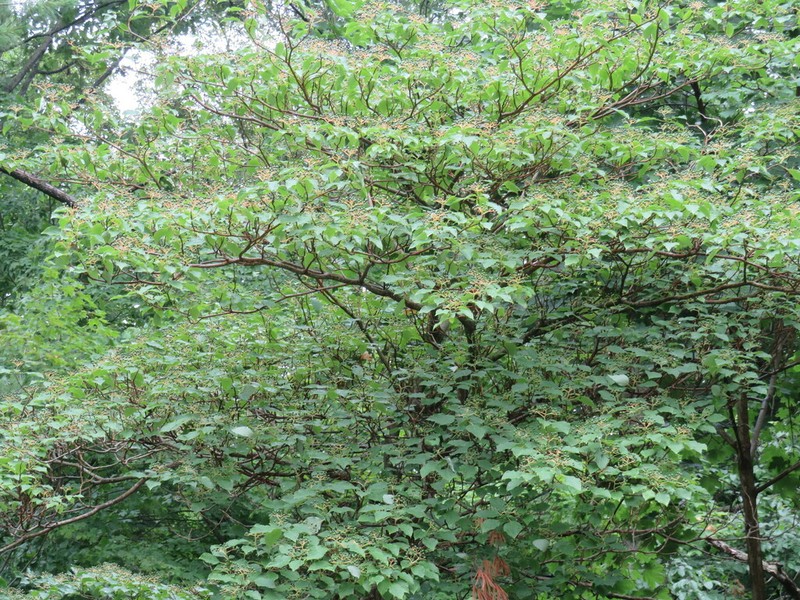
iNaturalist: © owenclarkin (iNaturalist #255044673)
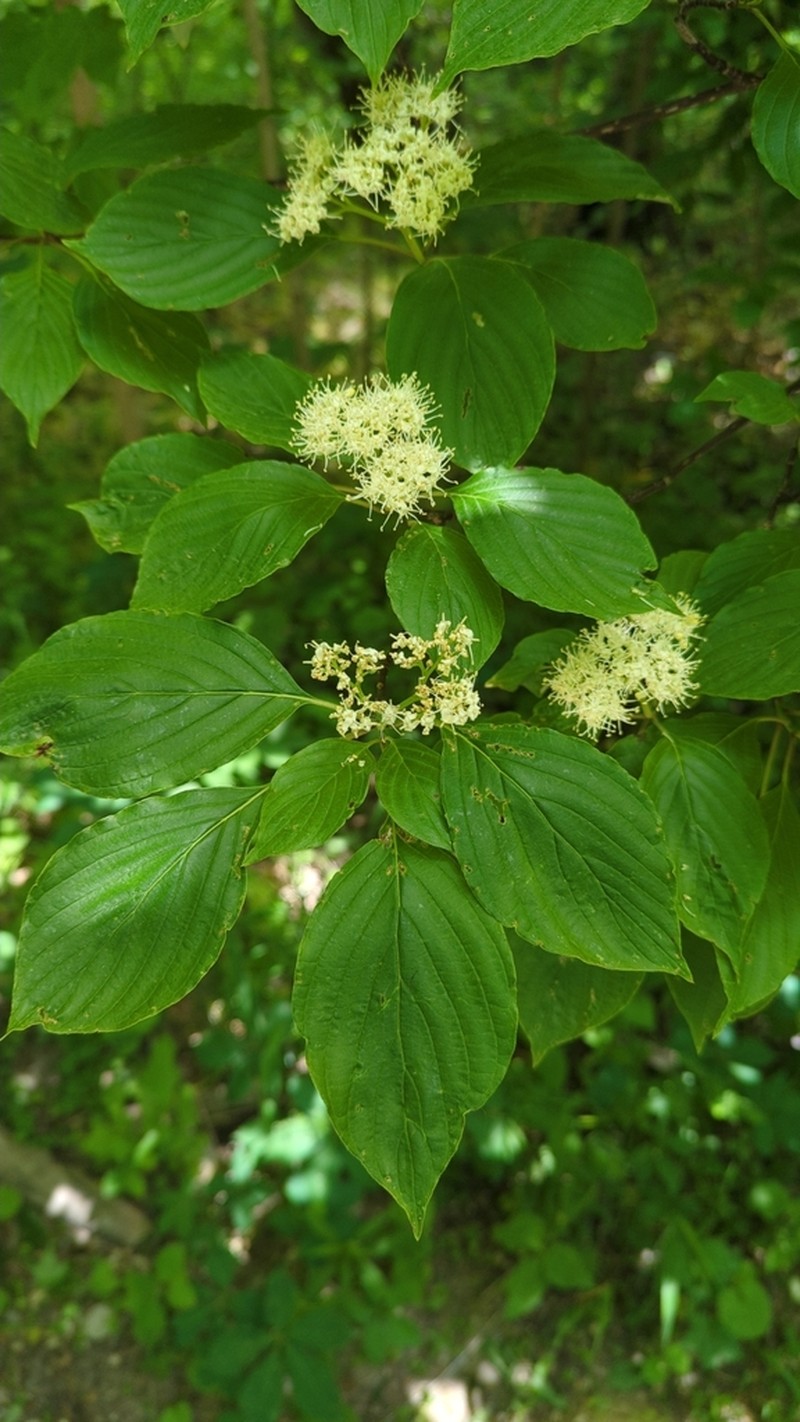
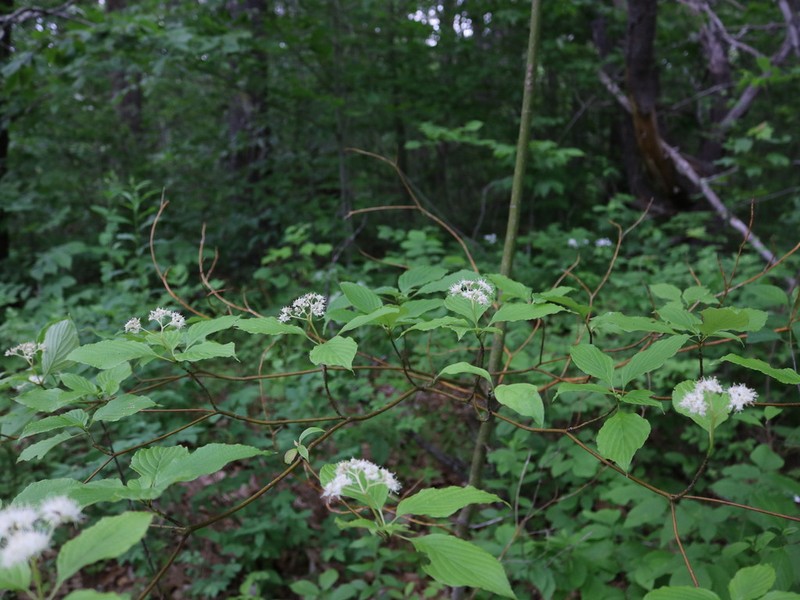
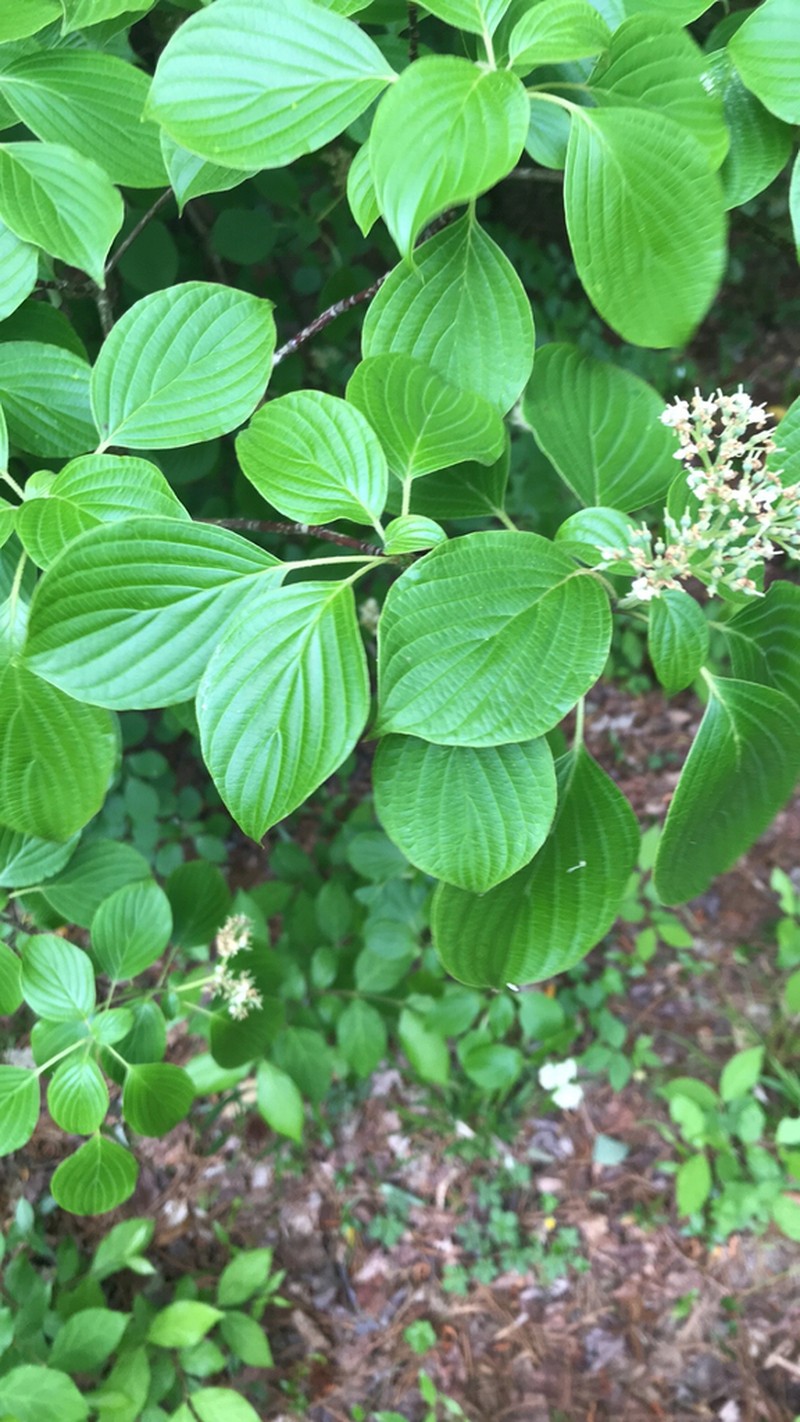
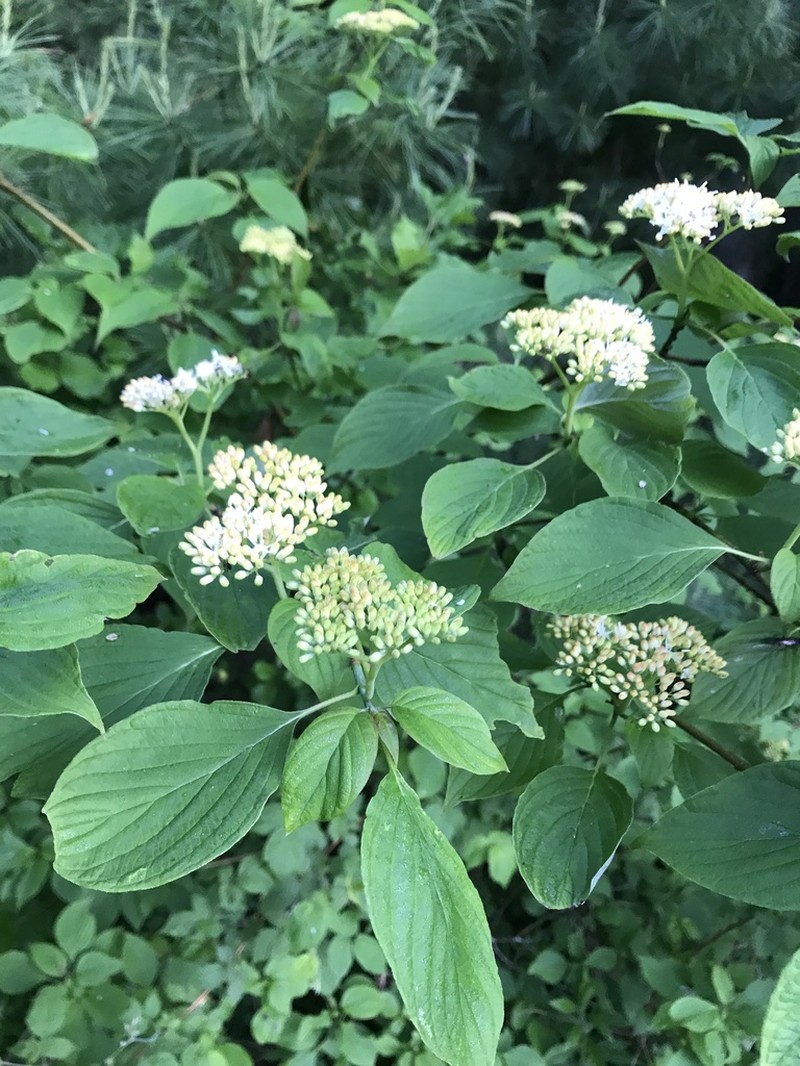
Taxonomy
- Division:
- Magnoliophyta | - Flowering plants
- Family:
- Cornaceae
- Genus:
- Cornus
- Species:
- Cornus alternifolia
- USDA Symbol:
- COAL2
Growth Characteristics
- Life Cycle:
- Perennial
- Growth Habit:
- Shrub , Tree
- Height:
- 762 cm
- Light Requirements:
- Part Shade,Shade
- Drought Tolerance:
- Medium
- Bloom Months:
- may,jun
- Bloom Colors:
- white
- Landscaping Shrub:
- Yes
Wildlife Benefits
- Bees:
- ★★☆☆☆ Documented bee visitation (GBIF)
- Butterflies & Moths:
- ★★☆☆☆ Documented Lepidoptera association (GBIF)
- Caterpillars:
- ★★☆☆☆ Recorded caterpillar host plant (HOSTS Database)
Keystone Species Ranking
- Caterpillar Keystone:
- ★★★★☆ Butterfly & moth species supported by this genus (NWF)
- Pollen Specialist Bee Keystone:
- ★☆☆☆☆ Native pollen specialist bee species supported by this genus (NWF)
Host Plant for Caterpillars
Reported Fauna Sightings
Garden & Ecology Notes
- Wildlife Value:
- birds, butterflies, small mammals
- Fall Color:
- red, purple
Soil Requirements
- Soil Type:
- rich, well-drained loamy soil
- pH:
- 5.0 - 7.0 (slightly acidic to neutral)
- Drainage:
- good drainage preferred
- Moisture:
- consistently moist
- Notes:
- prefers cool, shaded woodland areas
Propagation & Germination
- Stratification:
- Cold/moist stratification required — 60–90 days
- Germination Time:
- 30–60 days
- Notes:
- Seeds require cold stratification for 60-90 days to break dormancy.
Pre-treatment: Two to three months of moist cold stratification is required. Use a Ziploc-style bag or a small Rubbermaid style container to mix an equal amount of either perlite or vermiculite. Add a small amount of water. Place in a refrigerator or garage (33-42 degrees F) for two to three months. Cold store until planted (up to 3 years).
Establishment: Seed is collected by hand from locally native plants within the eastern central Upper Peninsula. Flowers from June to August. Fruits are white berries (drupes). Seed is harvested from from September to October.
Source: npn.rngr.net
ORGHPS Germination Guide: Sow immediately, Either the viability of these seeds is short or the species propagates best with fresh seed. Stored seed might be coaxed into germination with temperature cycling and patience. Expose to fluctuation outdoor winter temperatures including freezing for 3 months. Gradually increase light and temperature in the spring. * wash and rinse daily in clean water x 14 days to remove pulp
Where to Buy
Nationwide Seller
- Sheffield's Seed (seeds)
- Prairie Moon Nursery (nursery and seeds)