
Flowering Dogwood
Cornus florida
- Native to:
- Canada, Mexico, United States, Virgin Islands
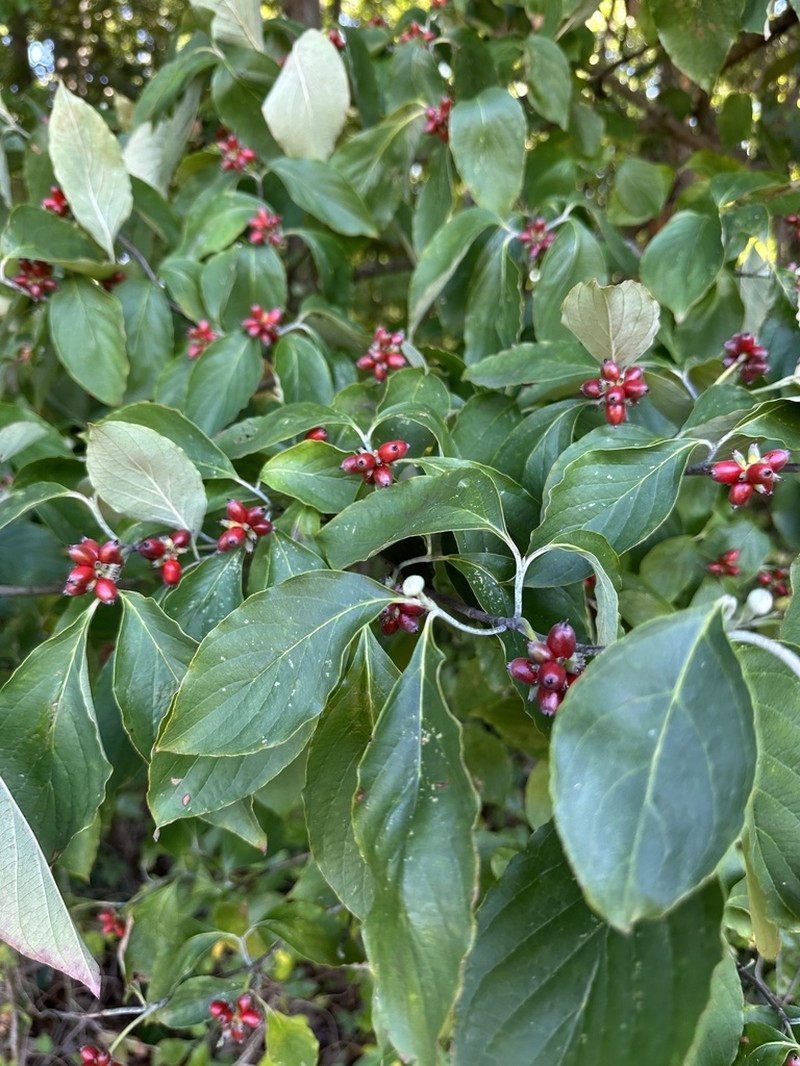
iNaturalist: © wanqing1 (iNaturalist #183838503)
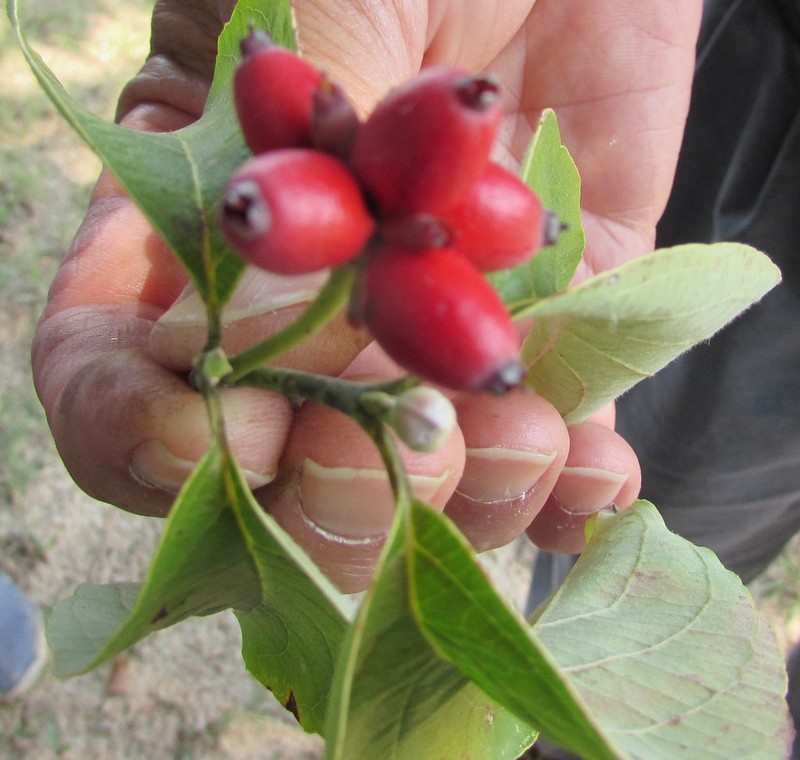
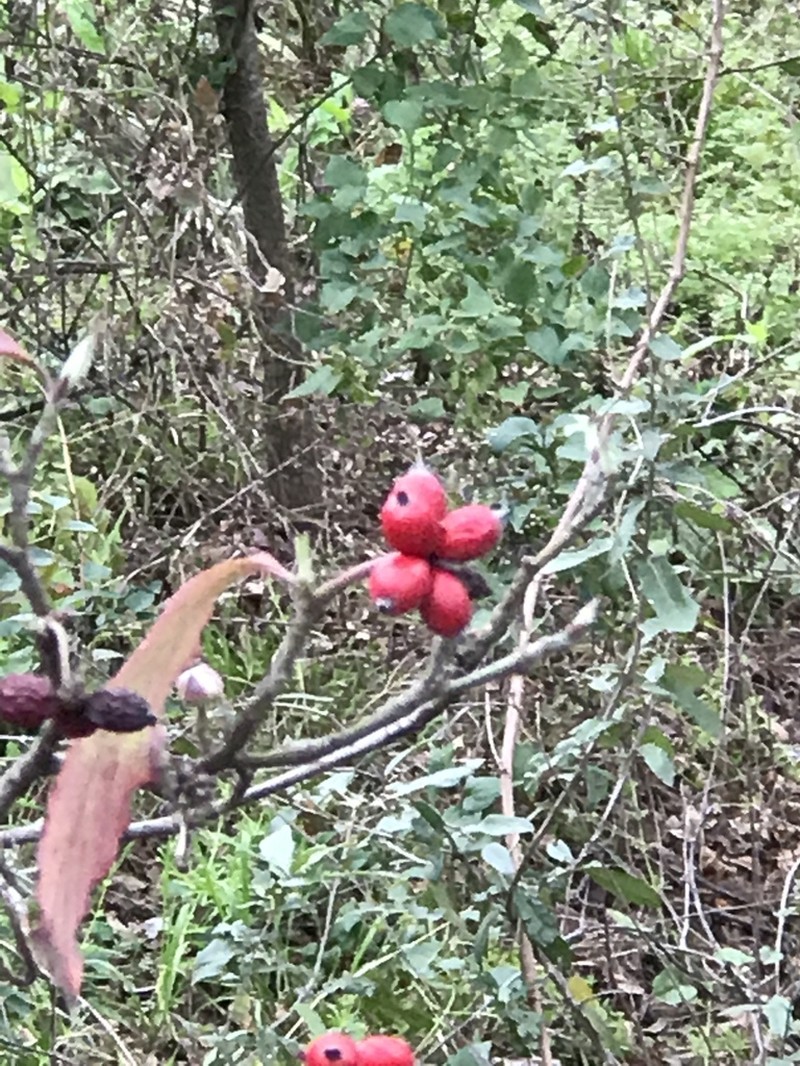
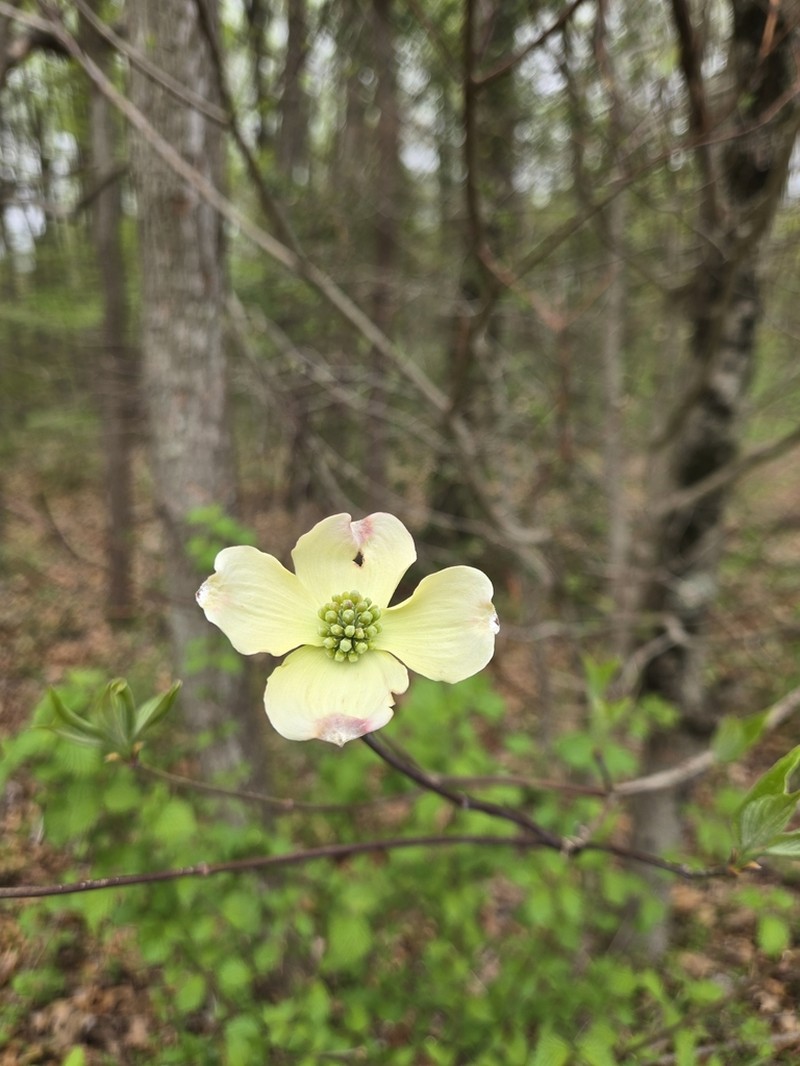
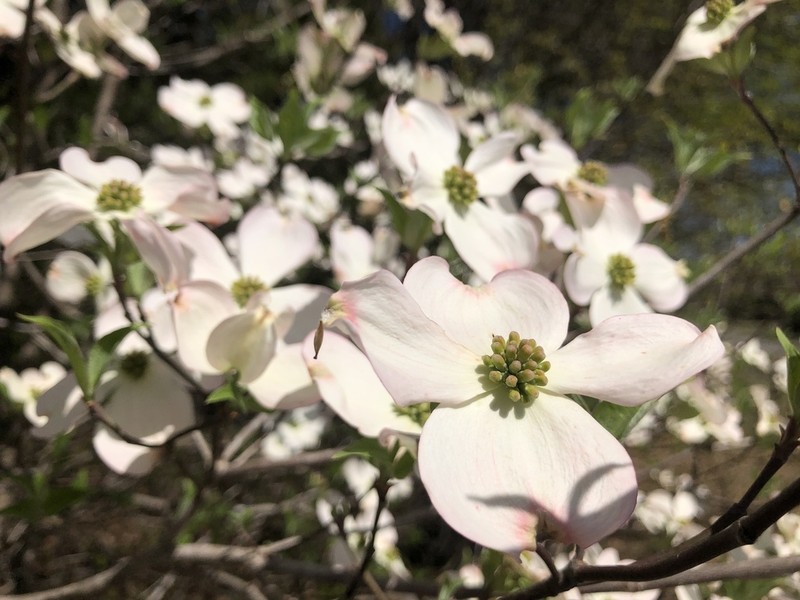
Taxonomy
- Division:
- Magnoliophyta | - Flowering plants
- Family:
- Cornaceae
- Genus:
- Cornus
- Species:
- Cornus florida
- USDA Symbol:
- COFL2
Growth Characteristics
- Life Cycle:
- Perennial
- Growth Habit:
- Shrub , Tree
- Height:
- 914 cm
- Light Requirements:
- Part Shade,Shade
- Drought Tolerance:
- Medium
- Bloom Months:
- apr,may
- Bloom Colors:
- white, pink
Wildlife Benefits
- Bees:
- ★☆☆☆☆ Documented bee visitation (GBIF)
- Butterflies & Moths:
- ★★★☆☆ Documented Lepidoptera association (GBIF)
- Caterpillars:
- ★★★☆☆ Recorded caterpillar host plant (HOSTS Database)
- Hummingbirds:
- ★☆☆☆☆ Documented hummingbird visits (GBIF)
Keystone Species Ranking
- Caterpillar Keystone:
- ★★★★☆ Butterfly & moth species supported by this genus (NWF)
- Pollen Specialist Bee Keystone:
- ★☆☆☆☆ Native pollen specialist bee species supported by this genus (NWF)
Host Plant for Caterpillars
Reported Fauna Sightings
Garden & Ecology Notes
- Wildlife Value:
- birds, butterflies, small mammals
- Fall Color:
- red, purple
Soil Requirements
- Soil Type:
- rich, well-drained loamy soil
- pH:
- 5.5 - 7.0 (slightly acidic to neutral)
- Drainage:
- excellent drainage required
- Moisture:
- consistently moist
- Notes:
- prefers organic matter-rich soils
Propagation & Germination
- Stratification:
- Cold/moist stratification required — 60–120 days
- Germination Time:
- 30–180 days
- Notes:
- Seeds require cold stratification; germination can be slow and erratic.
Pre-treatment: Seeds are either sown in early fall for natural stratification or cold stratified for 100 to 130 days. Seeds can also be imbibed in water overnight, dusted with fungicide and endomycorrhizae sprinkled over them.
Establishment: Seeds are collected from various locations, including Shenandoah National Park and local people within a 50 mile radius of the nursery. There are variations in the pre-planting treatments across the protocols.
Source: npn.rngr.net
ORGHPS Germination Guide: Use repeated cycles of 4°C, then 20°C for 3 months each. Germination is very prolonged. Requires darkness. Pulpy coat inhibits germination. Remove by soaking and rinsing in clean water for approximately 7 days. Discard water. * wash and rinse daily in clean water x 14 days to remove pulp
Where to Buy
Nationwide Seller
- Sheffield's Seed (seeds)
- Vermont Wildflower Farm (nursery and seeds)
- Ernst Seeds (seeds)