
Pacific Dogwood
Cornus nuttallii
- Native to:
- Canada, United States
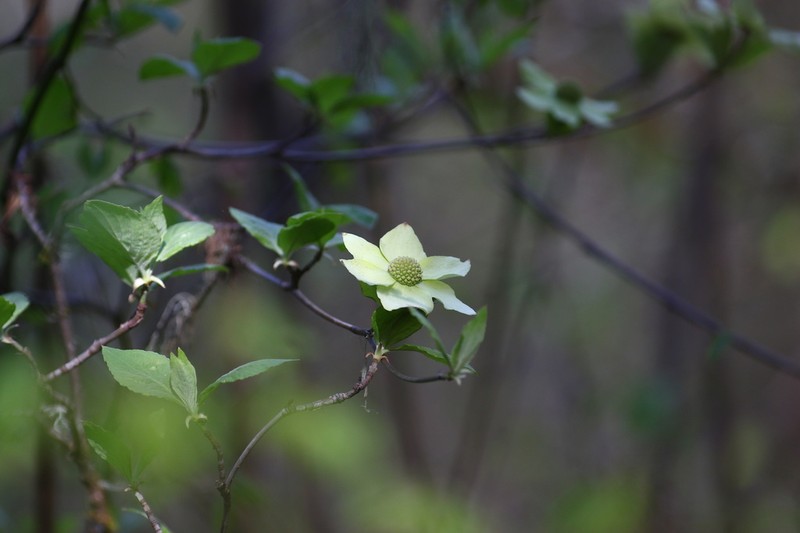
iNaturalist: © certified_dendrophile (iNaturalist #112705617)
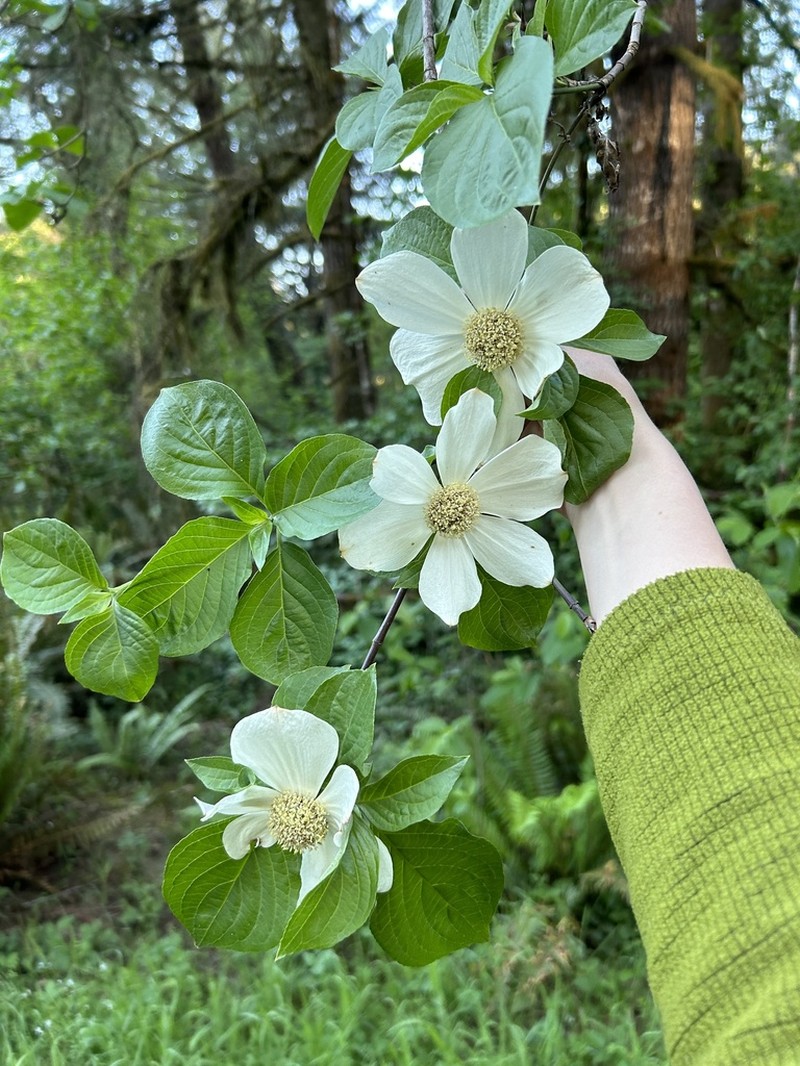
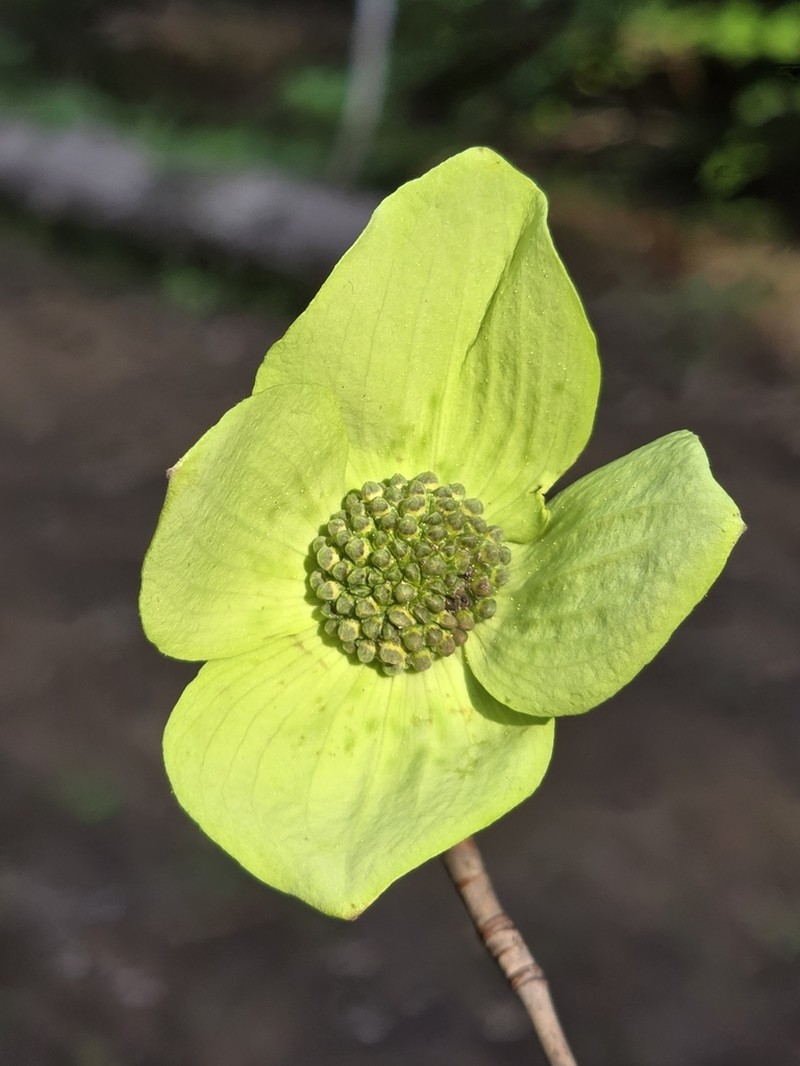
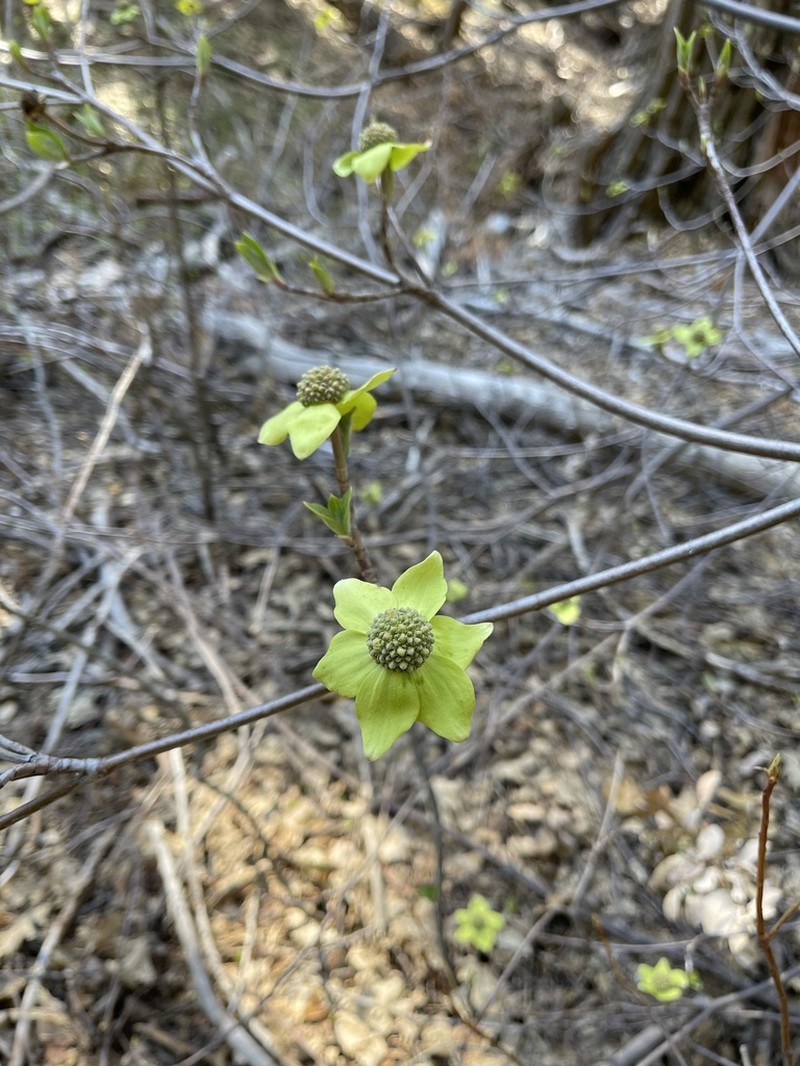
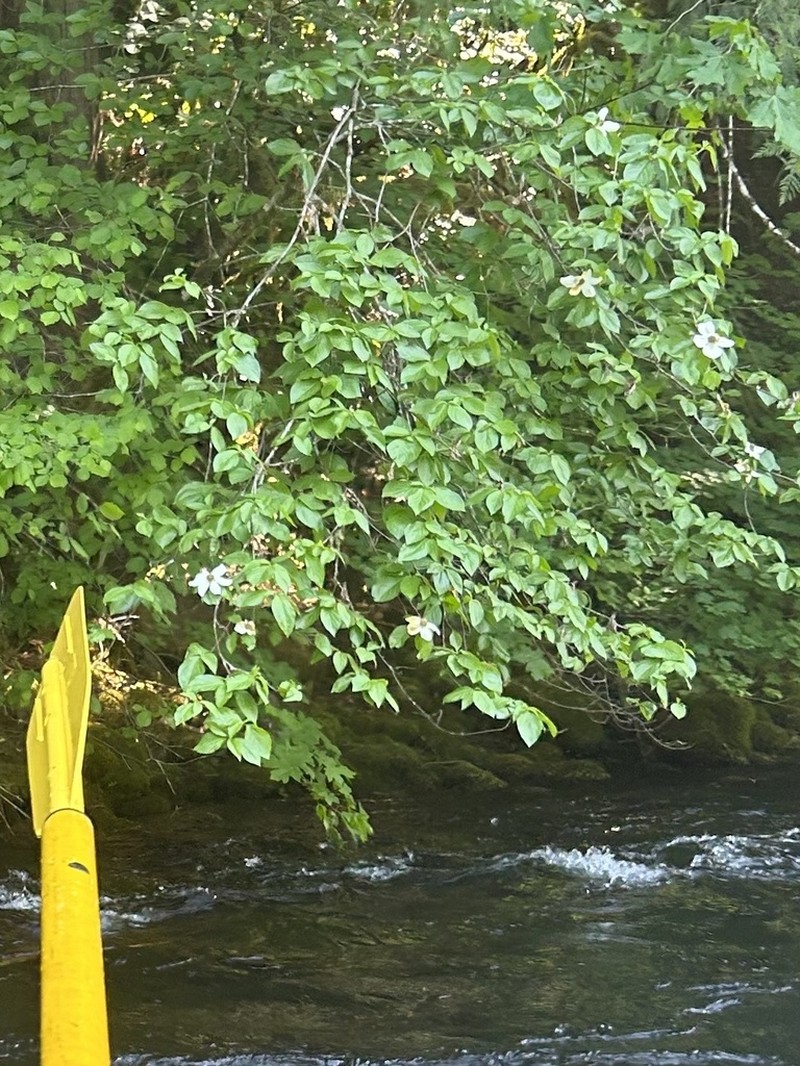
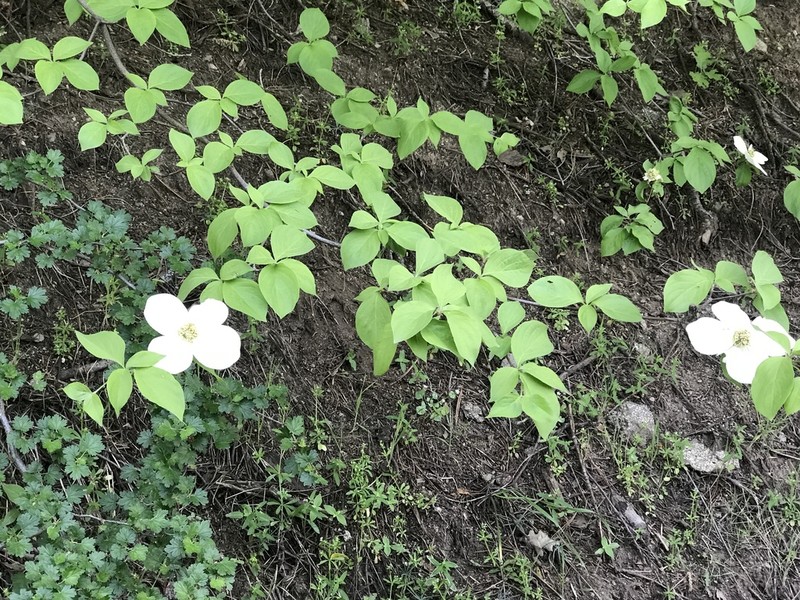
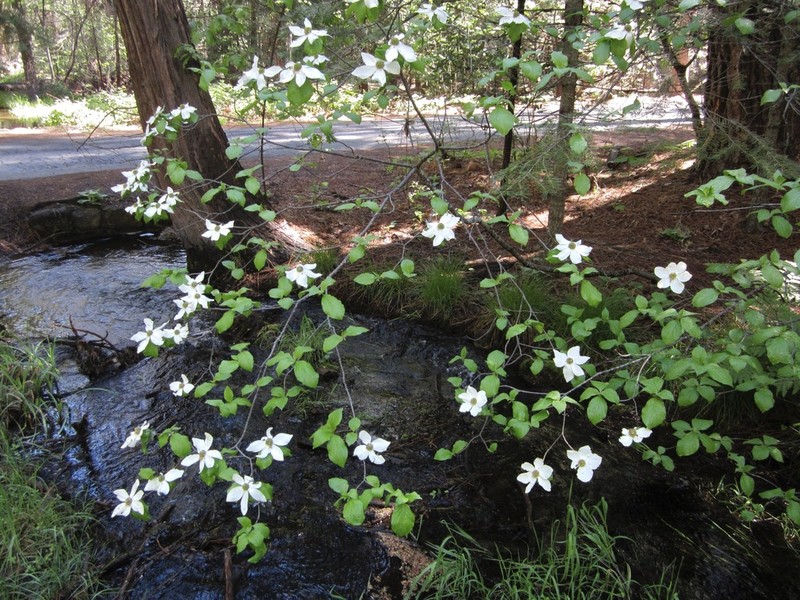
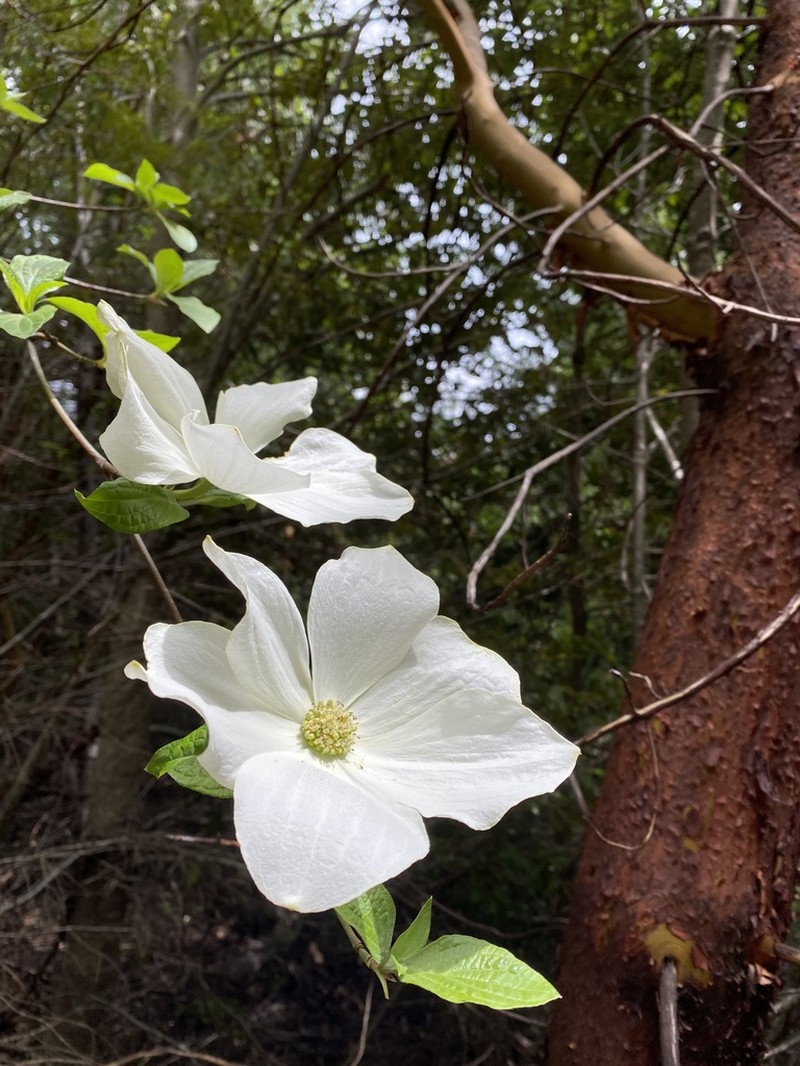
Taxonomy
- Division:
- Magnoliophyta | - Flowering plants
- Family:
- Cornaceae
- Genus:
- Cornus
- Species:
- Cornus nuttallii
- USDA Symbol:
- CONU4
Growth Characteristics
- Life Cycle:
- Perennial
- Growth Habit:
- Tree
- Height:
- 2000 cm
- Light Requirements:
- Full Sun,Part Shade,Shade
- Drought Tolerance:
- Medium
- Bloom Months:
- apr,may,jun
- Bloom Colors:
- white, greenish-white
Wildlife Benefits
- Butterflies & Moths:
- ★★☆☆☆ Documented Lepidoptera association (GBIF)
- Caterpillars:
- ★☆☆☆☆ Recorded caterpillar host plant (HOSTS Database)
Keystone Species Ranking
- Caterpillar Keystone:
- ★★★★☆ Butterfly & moth species supported by this genus (NWF)
- Pollen Specialist Bee Keystone:
- ★☆☆☆☆ Native pollen specialist bee species supported by this genus (NWF)
Host Plant for Caterpillars
Garden & Ecology Notes
- Wildlife Value:
- birds, butterflies, small mammals
- Fall Color:
- red, orange, purple
Soil Requirements
- Soil Type:
- rich, well-drained loamy soil
- pH:
- 5.5 - 7.0 (slightly acidic to neutral)
- Drainage:
- excellent drainage required
- Moisture:
- consistently moist
- Notes:
- Prefers forested areas with organic matter
Propagation & Germination
- Stratification:
- Cold/moist stratification required — 90–120 days
- Germination Time:
- 30–90 days
- Notes:
- Seeds require cold stratification for 3-4 months; germination is often slow and erratic.
Pre-treatment: Two treatments can be used. 1) Seeds are soaked in a 1% hydrogen peroxide solution for 24 hours, rinsed, and placed in water for an additional 24 hours. They are then placed in fine mesh bags, layered in peat in a covered container, and refrigerated at 1 to 3 °C for 100 days. 2) Seeds are soaked in a 1% hydrogen peroxide solution for 24 hours, rinsed, and placed in water for an additional 48 hours. They are then placed in a sealed container and subjected to warm stratification at 10 °C for 10 days, followed by cold stratification at 1 to 3 °C for 90 days. Weekly checks for mold are recommended during stratification.
Establishment: Grows in full sun to part shade in average-deep, medium moisture, well-drained soils but prefers moist, rich, acidic soils in part shade. Soil texture can range from clay to sand loam. Mature plants have some drought tolerance. It has low frost tolerance but high flood tolerance. Found in western North America.
Source: npn.rngr.net
Where to Buy
Nationwide Seller
- Sheffield's Seed (seeds)