
Cornus paucinervis
Cornus paucinervis
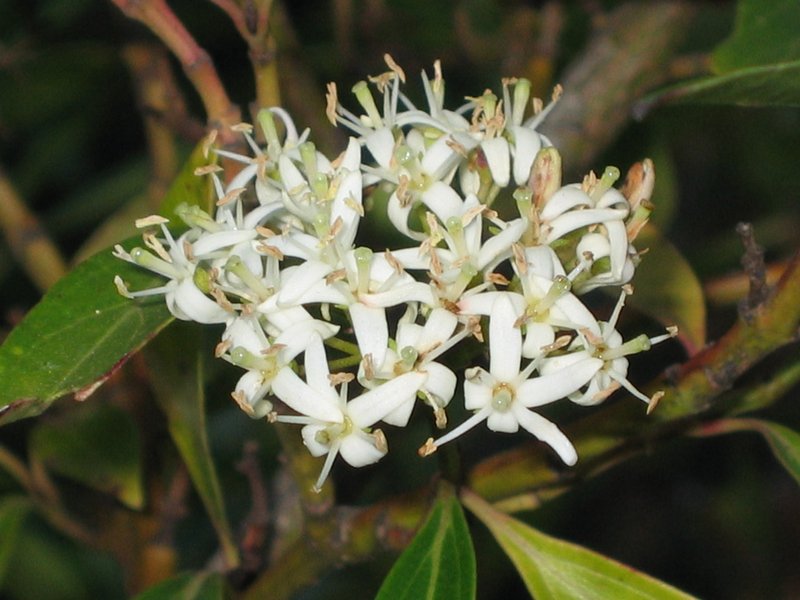
阿橋 HQ (www.flickr.com),Princeton Nurseries Henry G. Gilbert Nursery and Seed Trade Catalog Collection,Princeton Nurseries Henry G. Gilbert Nursery and Seed Trade Catalog Collection,Hicks Nurseries (Westbury, Nassau County, N.Y.) Henry G. Gilbert Nursery and Seed Trade Catalog Collection,F & F Nurseries Henry G. Gilbert Nursery and Seed Trade Catalog Collection,American Nursery Company Bloodgood Nurseries F & F Nurseries Henry G. Gilbert Nursery and Seed Trade Catalog Collection,Oswald Heer (en.wikipedia.org),Hicks Nurseries (Westbury, Nassau County, N.Y.) I. Hicks & Son Henry G. Gilbert Nursery and Seed Trade Catalog Collection,American Nursery Company Henry G. Gilbert Nursery and Seed Trade Catalog Collection,F & F Nurseries Princeton Nurseries Wm. Flemer's Sons Henry G. Gilbert Nursery and Seed Trade Catalog Collection,United States. Office of foreign seed and plant introduction. [from old catalog],F & F Nurseries Princeton Nurseries Wm. Flemer's Sons Henry G. Gilbert Nursery and Seed Trade Catalog Coll

Taxonomy
- Division:
- Magnoliophyta | - Flowering plants
- Family:
- Cornaceae
- Genus:
- Cornus
- Species:
- Cornus paucinervis
- USDA Symbol:
- COPA35
Growth Characteristics
- Height:
- 600 cm
- Light Requirements:
- Full Sun
- Drought Tolerance:
- Medium
- Bloom Months:
- apr,may,jun
- Bloom Colors:
- white
- Landscaping Shrub:
- Yes
Keystone Species Ranking
- Caterpillar Keystone:
- ★★★★☆ Butterfly & moth species supported by this genus (NWF)
- Pollen Specialist Bee Keystone:
- ★☆☆☆☆ Native pollen specialist bee species supported by this genus (NWF)
Garden & Ecology Notes
- Wildlife Value:
- birds, butterflies
- Fall Color:
- red, purple
Soil Requirements
- Soil Type:
- rich, well-drained loamy soil
- pH:
- 5.5 - 7.0 (slightly acidic to neutral)
- Drainage:
- excellent drainage required
- Moisture:
- consistently moist
Propagation & Germination
- Stratification:
- Cold/moist stratification required — 90–120 days
- Germination Time:
- 30–60 days
- Notes:
- Seeds require cold stratification for 3-4 months to break dormancy.