
Gray Dogwood
Cornus racemosa
- Native to:
- Canada, United States, Virgin Islands
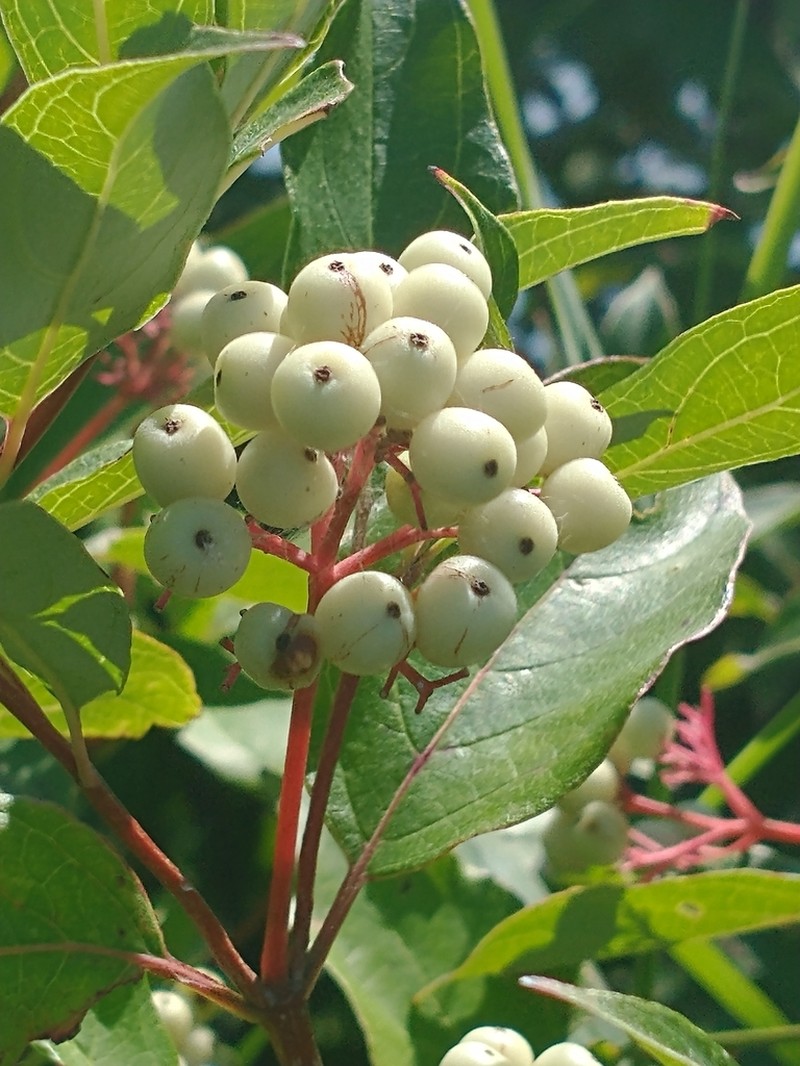
iNaturalist: © tsn (iNaturalist #131924697)
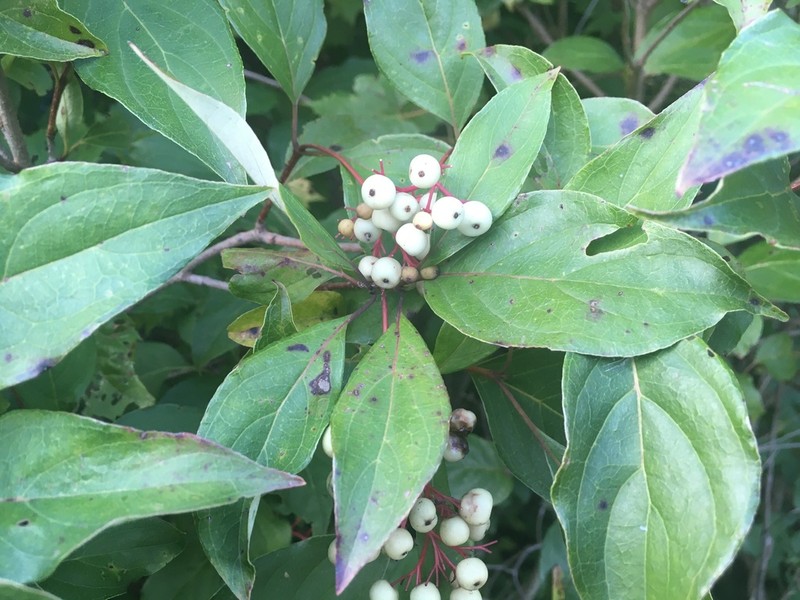
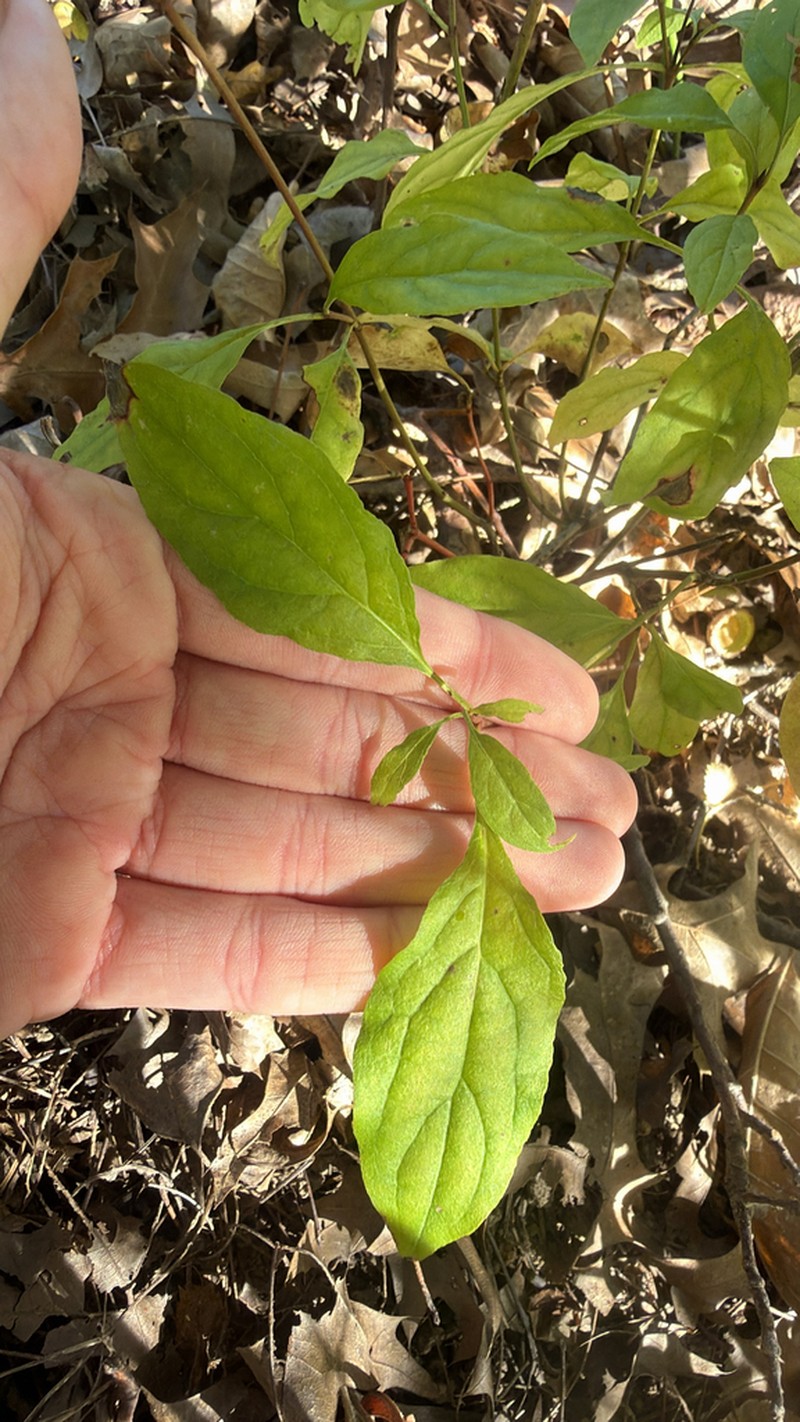
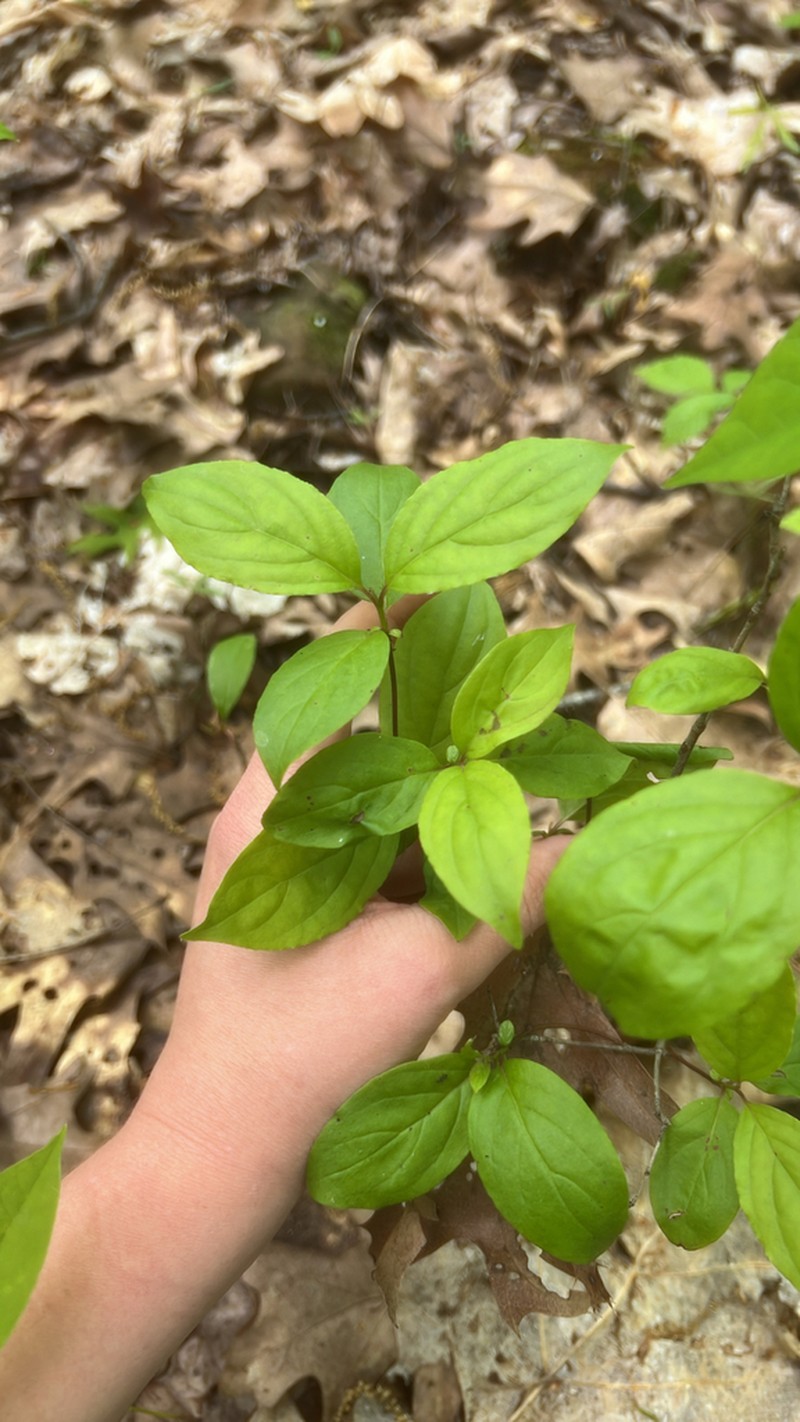
Taxonomy
- Division:
- Magnoliophyta | - Flowering plants
- Family:
- Cornaceae
- Genus:
- Cornus
- Species:
- Cornus racemosa
- USDA Symbol:
- CORA6
Growth Characteristics
- Life Cycle:
- Perennial
- Growth Habit:
- Shrub
- Height:
- 457 cm
- Light Requirements:
- Full Sun,Part Shade,Shade
- Drought Tolerance:
- Medium
- Bloom Months:
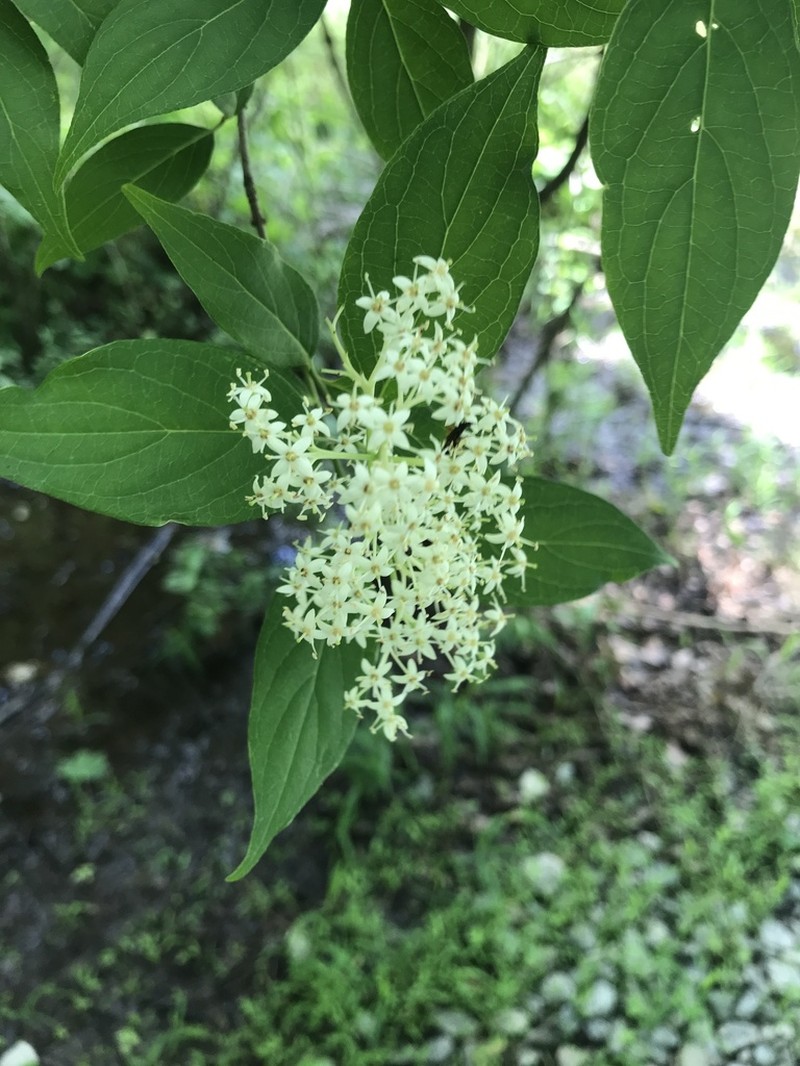
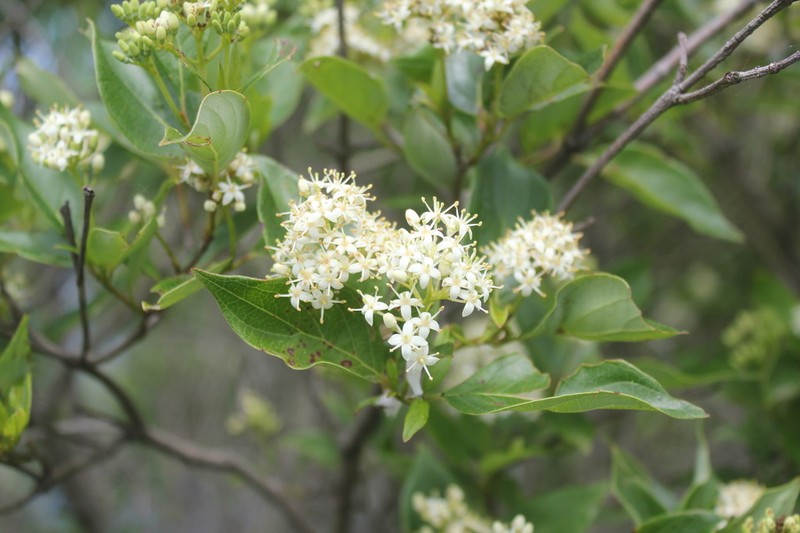
- may,jun,jul
- Bloom Colors:
- white
- Landscaping Shrub:
- Yes
Wildlife Benefits
- Bees:
- ★★★★★ Documented bee visitation (GBIF)
- Butterflies & Moths:
- ★★★☆☆ Documented Lepidoptera association (GBIF)
- Caterpillars:
- ★★☆☆☆ Recorded caterpillar host plant (HOSTS Database)
Keystone Species Ranking
- Caterpillar Keystone:
- ★★★★☆ Butterfly & moth species supported by this genus (NWF)
- Pollen Specialist Bee Keystone:
- ★☆☆☆☆ Native pollen specialist bee species supported by this genus (NWF)
Host Plant for Caterpillars
Reported Fauna Sightings
Garden & Ecology Notes
- Wildlife Value:
- birds, butterflies, small mammals
- Fall Color:
- red, purple
Soil Requirements
- Soil Type:
- moist, fertile, well-drained loam
- pH:
- 5.5 - 7.5 (slightly acidic to neutral)
- Drainage:
- tolerates poor drainage
- Moisture:
- consistently moist
- Notes:
- Adaptable to a range of soil types, including clay.
Propagation & Germination
- Stratification:
- Cold/moist stratification required — 60–90 days
- Germination Time:
- 30–60 days
- Notes:
- Seeds require cold stratification for 60-90 days to break dormancy.
Pre-treatment: Seeds are treated and sown in late October with a Love seeder set at 3rd gear at 8.5 setting into prepared field beds.
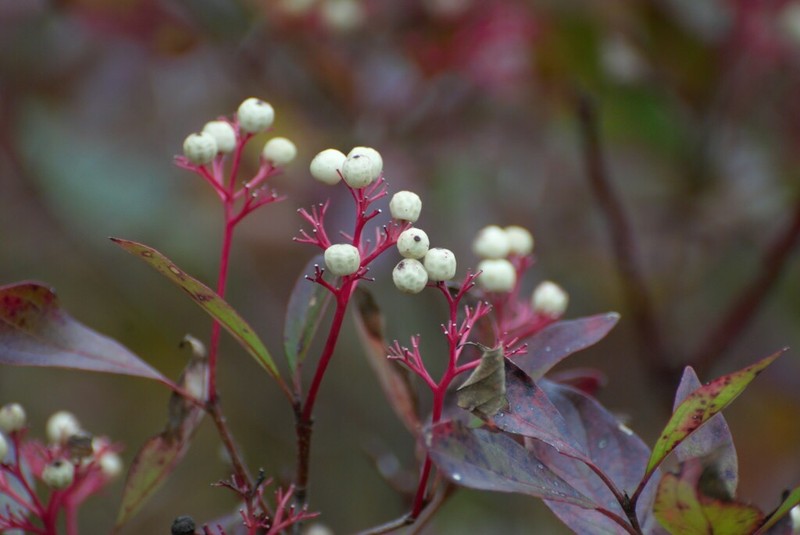
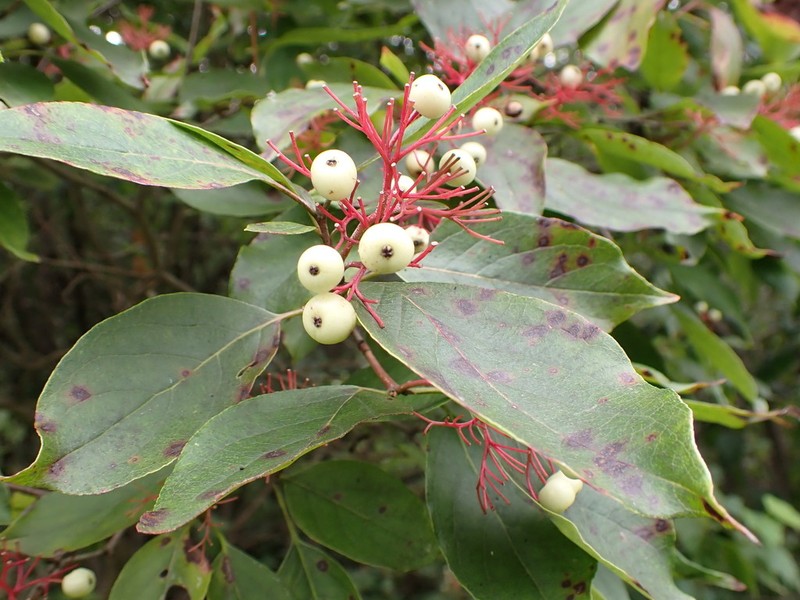
Establishment: Seeds are purchased from local people who collect within a 50 mile radius of the nursery. Fruits are white at maturity. Each fruit contains a single bony stone that contains 1 or 2 seeds. Mature seeds are round, and brown in color. Gray dogwood is found throughout the northeastern and north central United States south to Arkansas, Texas and east to South Carolina. Seed sources are from south central Missouri.
Source: npn.rngr.net
ORGHPS Germination Guide: Use repeated cycles of 4°C, then 20°C for 3 months each. Germination is very prolonged. Pulpy coat inhibits germination. Remove by soaking and rinsing in clean water for approximately 7 days. Discard water. * wash and rinse daily in clean water x 14 days to remove pulp
Where to Buy
Nationwide Seller
- Sheffield's Seed (seeds)
- Ernst Seeds (seeds)
- Ernst Seeds (seeds)