
Powdery Liveforever
Dudleya farinosa
- Native to:
- United States
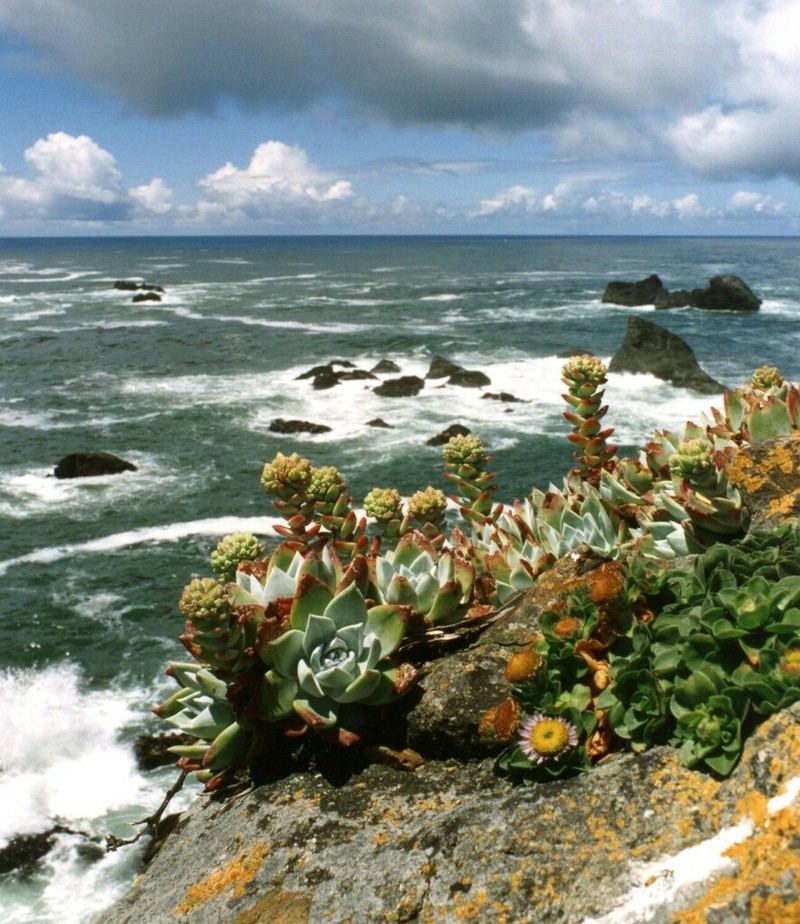
iNaturalist: © jeffgoddard (iNaturalist #264124396)
Taxonomy
- Division:
- Magnoliophyta | - Flowering plants
- Family:
- Crassulaceae
- Genus:
- Dudleya
- Species:
- Dudleya farinosa
- USDA Symbol:
- DUFA
Growth Characteristics
- Life Cycle:
- Perennial
- Growth Habit:
- Succulent
- Height:
- 30 cm
- Light Requirements:
- Part Shade
- Drought Tolerance:
- High
- Bloom Months:
- may,jun,jul,aug,sep
- Bloom Colors:
- yellow
Wildlife Benefits
- Bees:
- ★☆☆☆☆ Documented bee visitation (GBIF)
- Butterflies & Moths:
- ★☆☆☆☆ Documented Lepidoptera association (GBIF)
Garden & Ecology Notes
- Wildlife Value:
- bees, butterflies
- Deer Resistant:
- Yes
- Salt Tolerant:
- Yes
Soil Requirements
- Soil Type:
- rocky, well-drained, nutrient-poor soil
- pH:
- 6.0 - 7.5 (slightly acidic to neutral)
- Drainage:
- excellent drainage required
- Moisture:
- dry to moderate
- Notes:
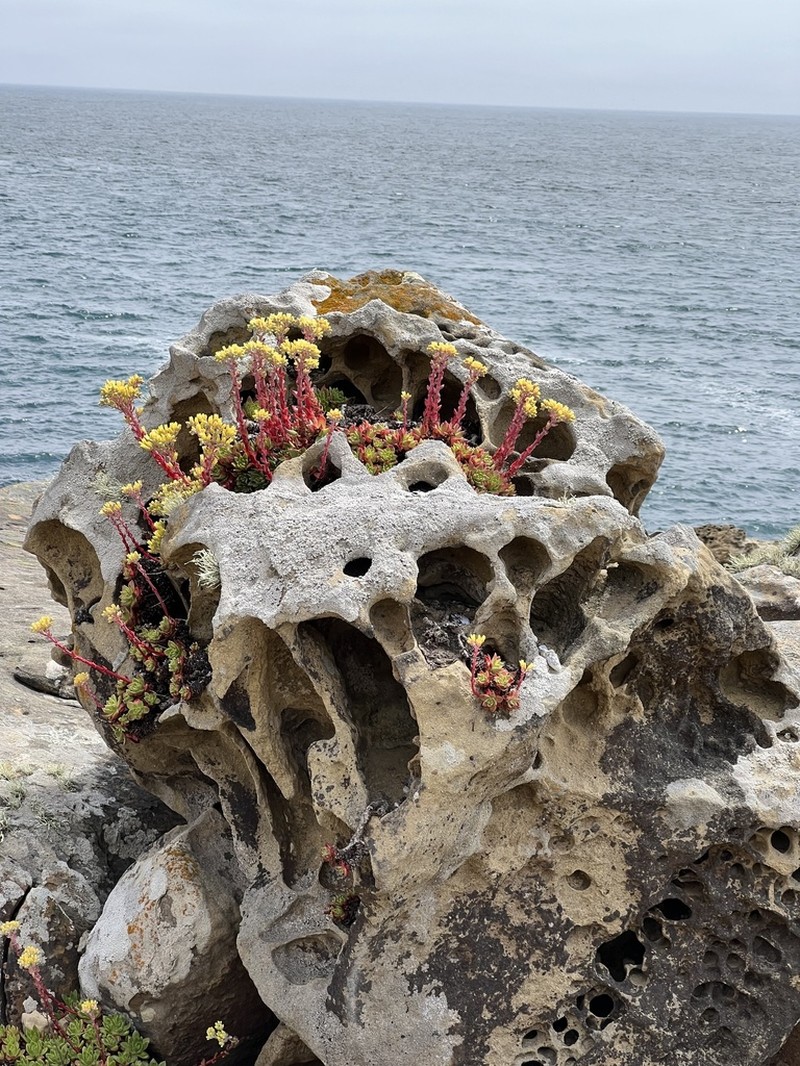
- native to coastal bluffs and rocky outcrops
Propagation & Germination
Pre-treatment: Seeds are cold stratified for 2 weeks in moist peat moss
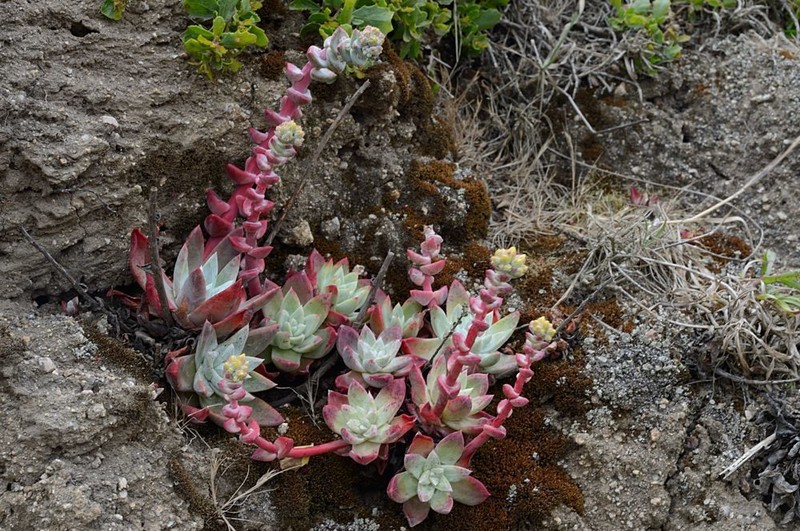
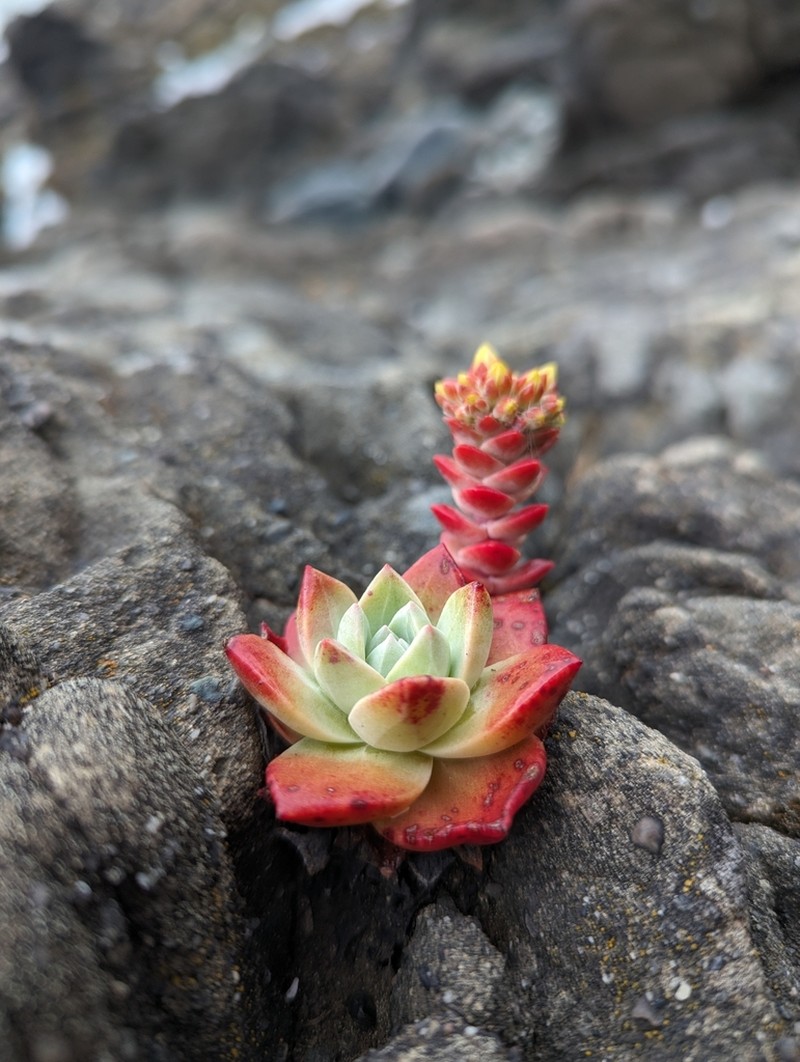
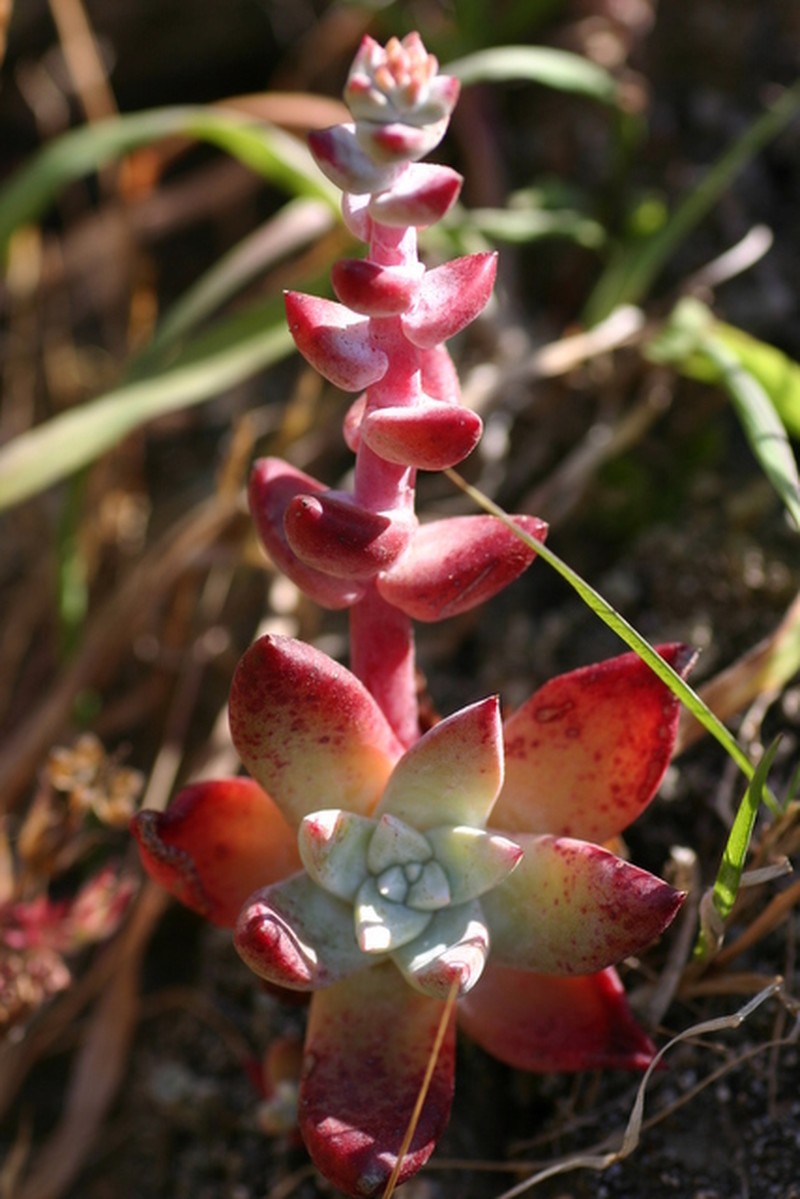
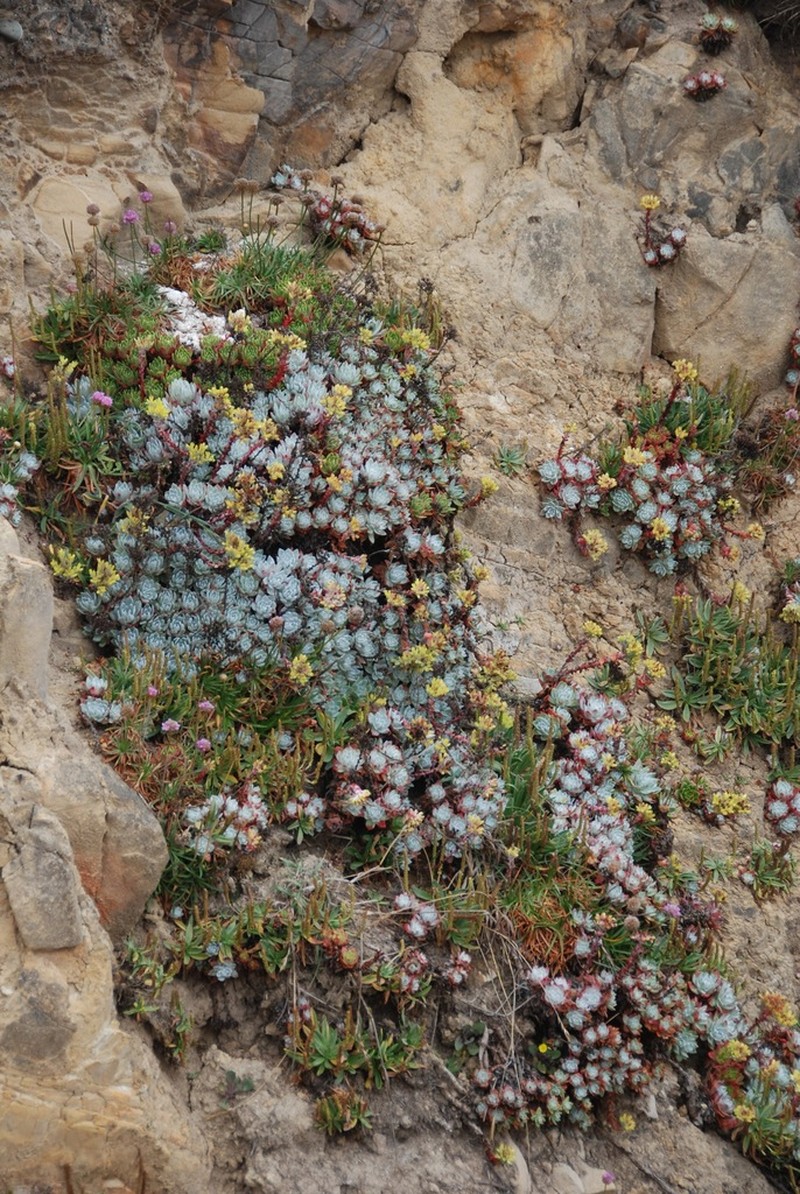
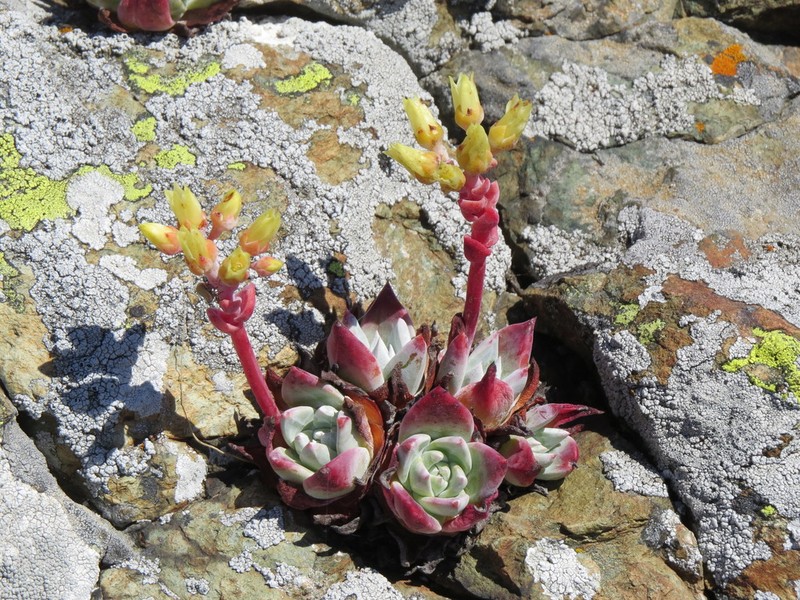
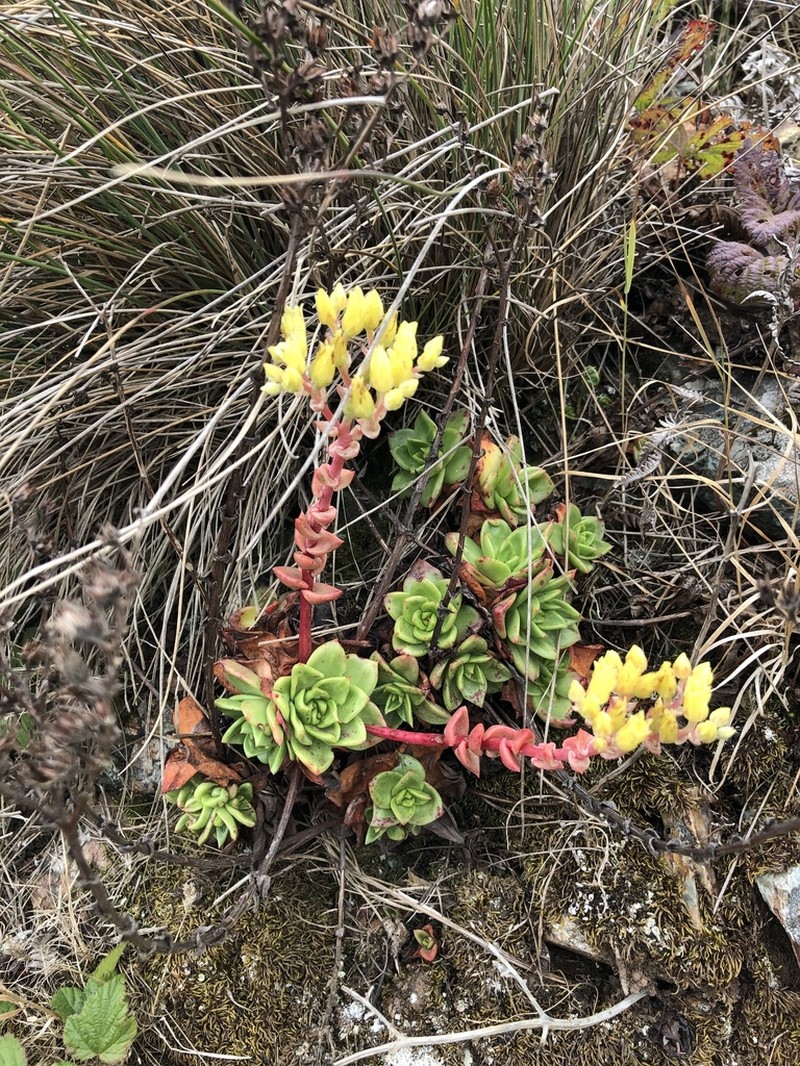
Establishment: Seeds are collected between June 1st and September 1st. Mature inflorescences are brown cymes which rises from succulent basal leaves. Seeds are tiny and dust like. D. farinosa is found on sea bluffs, coastal sage and scrub communities from Los Angeles county, California, north to southern Oregon.
Source: npn.rngr.net