
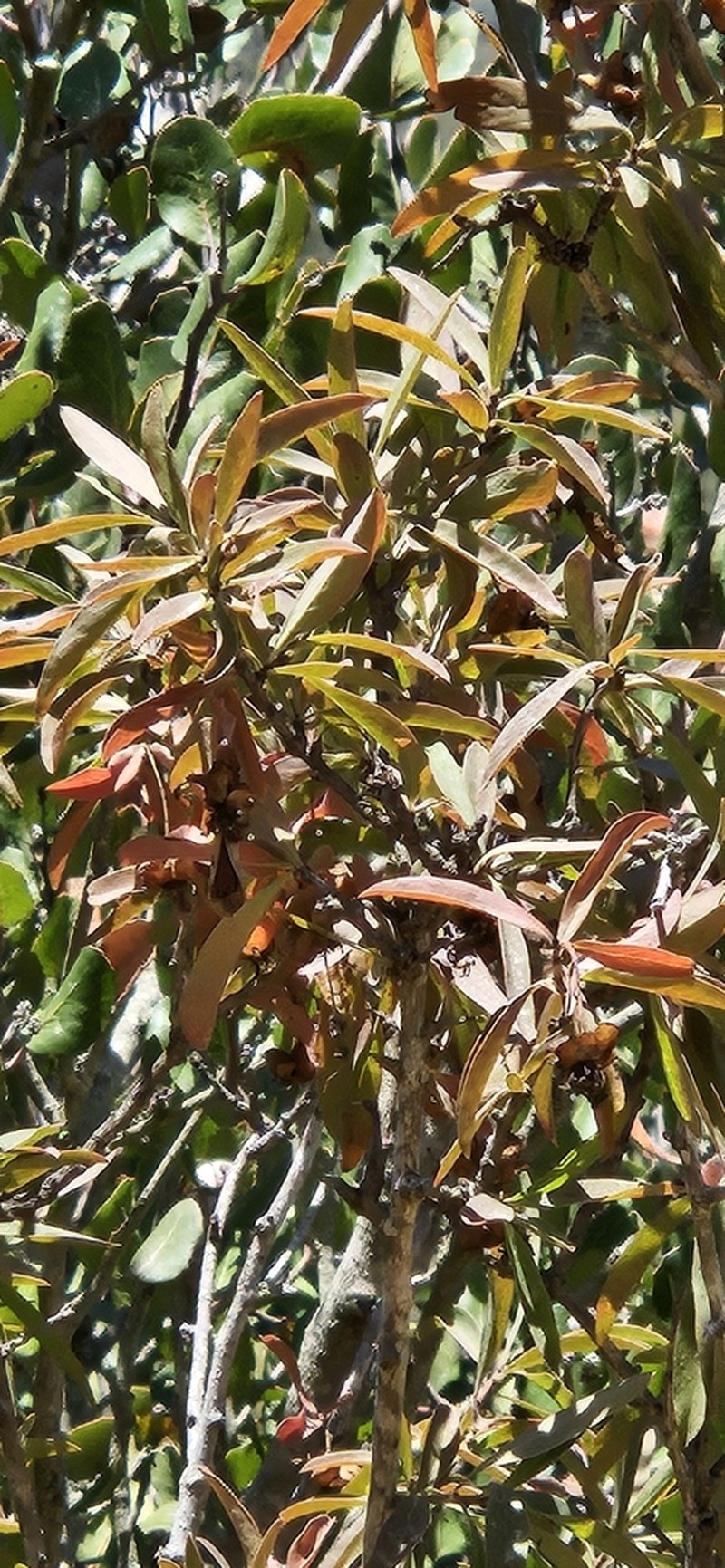
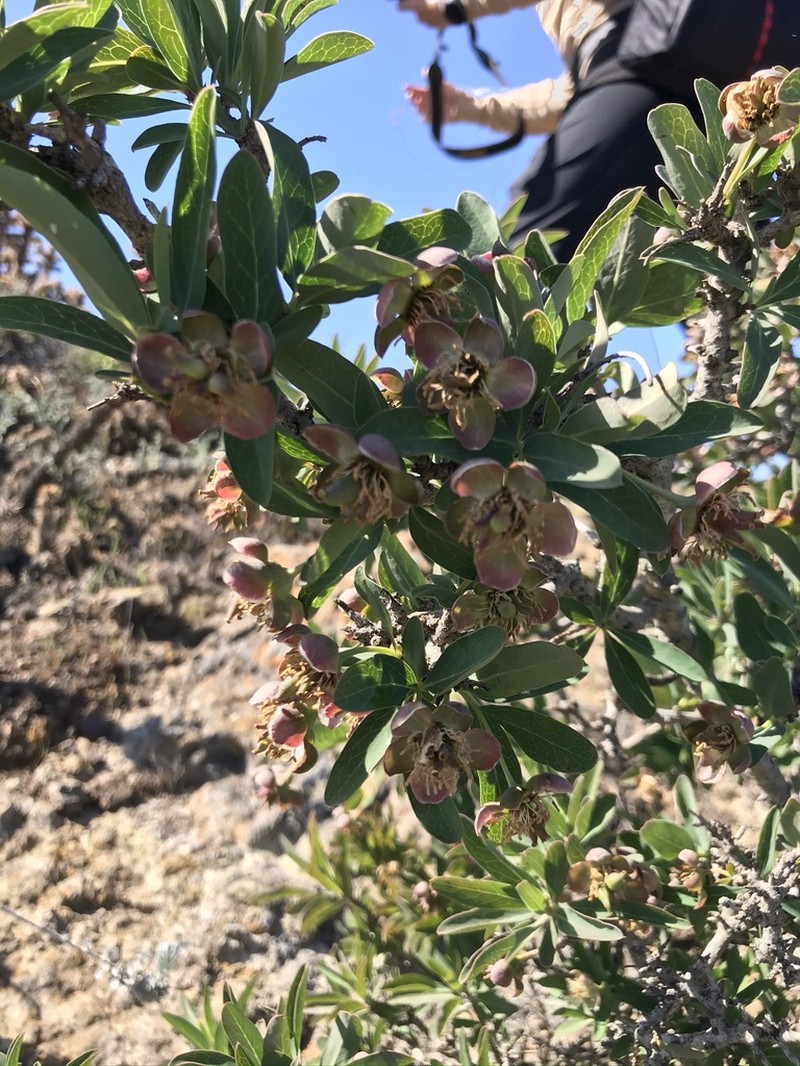
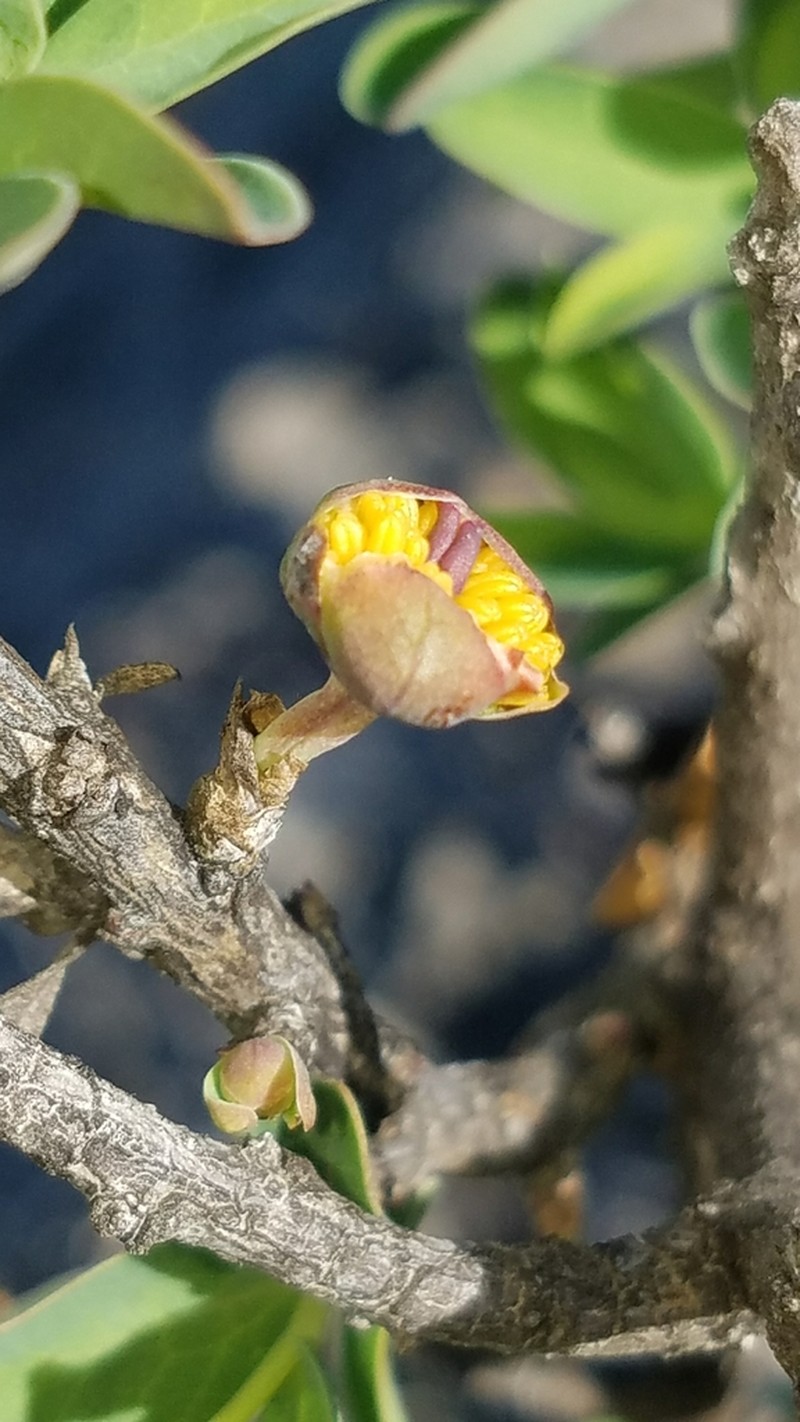
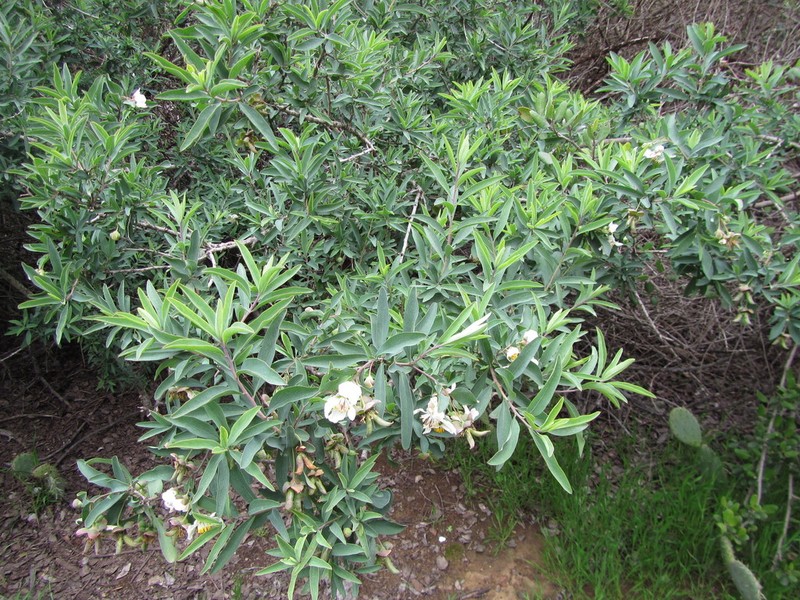
California Rockflower
Crossosoma californicum
- Native to:
- Mexican Pacific Is., Mexico, United States
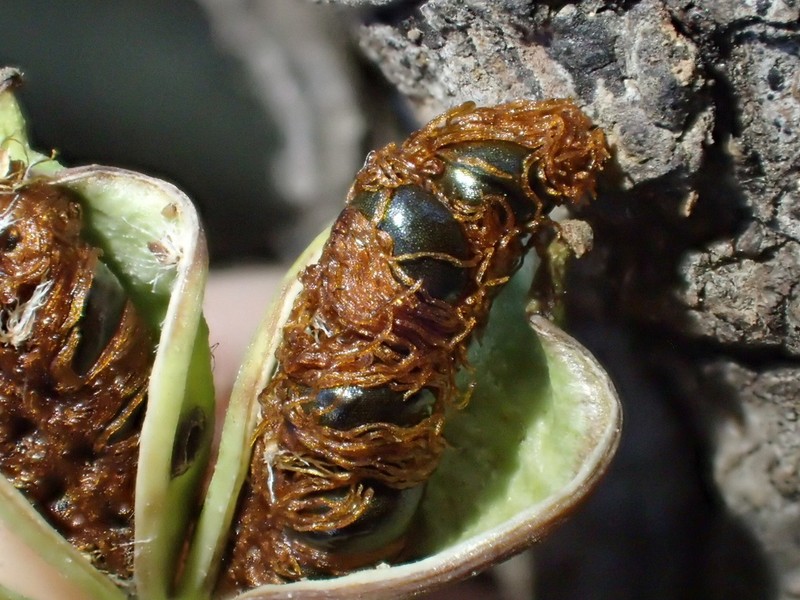
iNaturalist: © leptonia (iNaturalist #195991489)
Taxonomy
- Division:
- Magnoliophyta | - Flowering plants
- Family:
- Crossosomataceae
- Genus:
- Crossosoma
- Species:
- Crossosoma californicum
- USDA Symbol:
- CRCA4
Growth Characteristics
- Life Cycle:
- Perennial
- Growth Habit:
- Shrub
- Height:
- 300 cm
- Light Requirements:
- Full Sun
- Drought Tolerance:
- High
- Bloom Months:
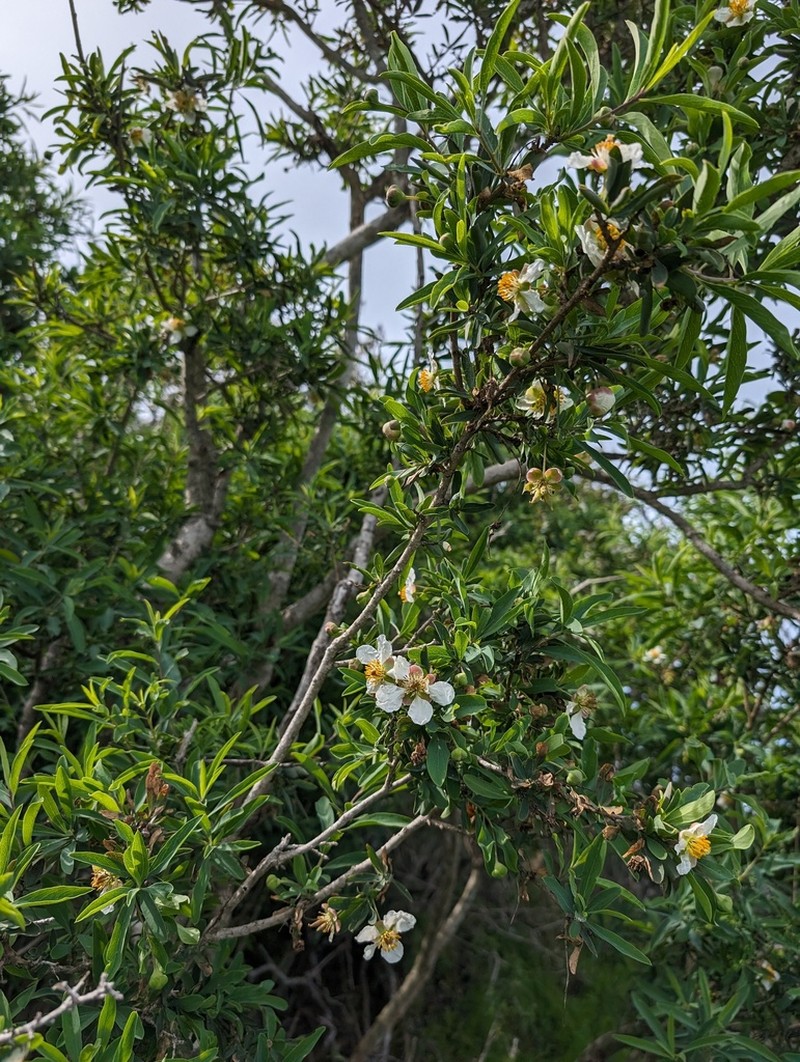
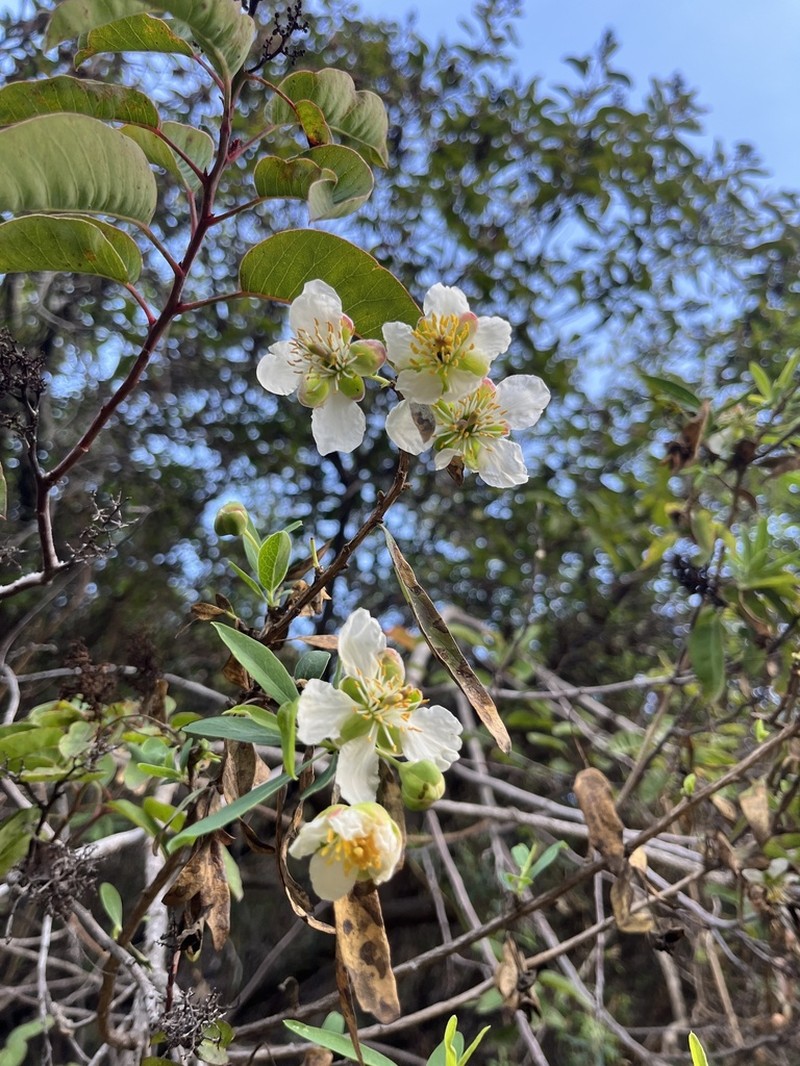
- feb,mar,apr
- Bloom Colors:
- white
- Evergreen Shrub:
- Yes
- Landscaping Shrub:
- Yes
Wildlife Benefits
- Bees:
- ★☆☆☆☆ Documented bee visitation (GBIF)
- Butterflies & Moths:
- ★☆☆☆☆ Documented Lepidoptera association (GBIF)
- Hummingbirds:
- ★☆☆☆☆ Documented hummingbird visits (GBIF)
Reported Fauna Sightings
Hummingbirds: Allen's Hummingbird (Selasphorus sasin)
Garden & Ecology Notes
- Wildlife Value:
- bees, butterflies
- Deer Resistant:
- Yes
- Salt Tolerant:
- Yes
- Fragrant:
- Yes
Soil Requirements
- Soil Type:
- rocky, well-drained, nutrient-poor soil
- pH:
- 6.0 - 7.5 (slightly acidic to neutral)
- Drainage:
- excellent drainage required
- Moisture:
- dry to moderate
- Notes:
- native to arid, rocky slopes
Propagation & Germination
Pre-treatment: Seeds are surface sterilized with a 5 to 10 minute Physan disinfectant soak or a 3 to 5 minute 5% bleach solution. They are then soaked in distilled water for 24 hours, followed by a 30 minute hot water soak or a 1:2 (v:v) liquid smoke to water soak for 24 hours. Seeds undergo natural cold, moist stratification during early winter months.
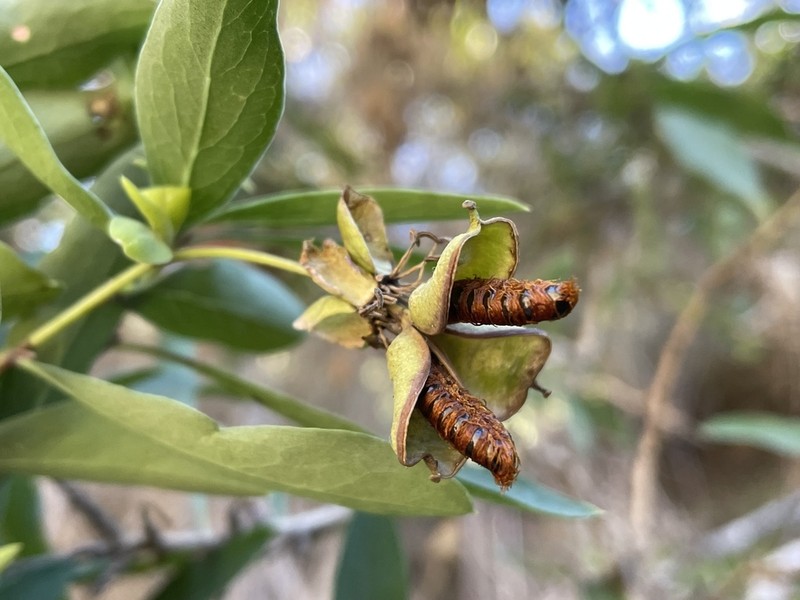
Establishment: Seeds are hand collected when fully matured, typically from December to May. Seeds are shiny black at maturity. Catalina Crossosoma is found throughout southern California and the Channel islands.
Source: npn.rngr.net