
Watermelon
Citrullus lanatus
- Native to:
- Egypt, Ethiopia, Guam, Libya, Navassa Island, Palau, Sudan-South Sudan
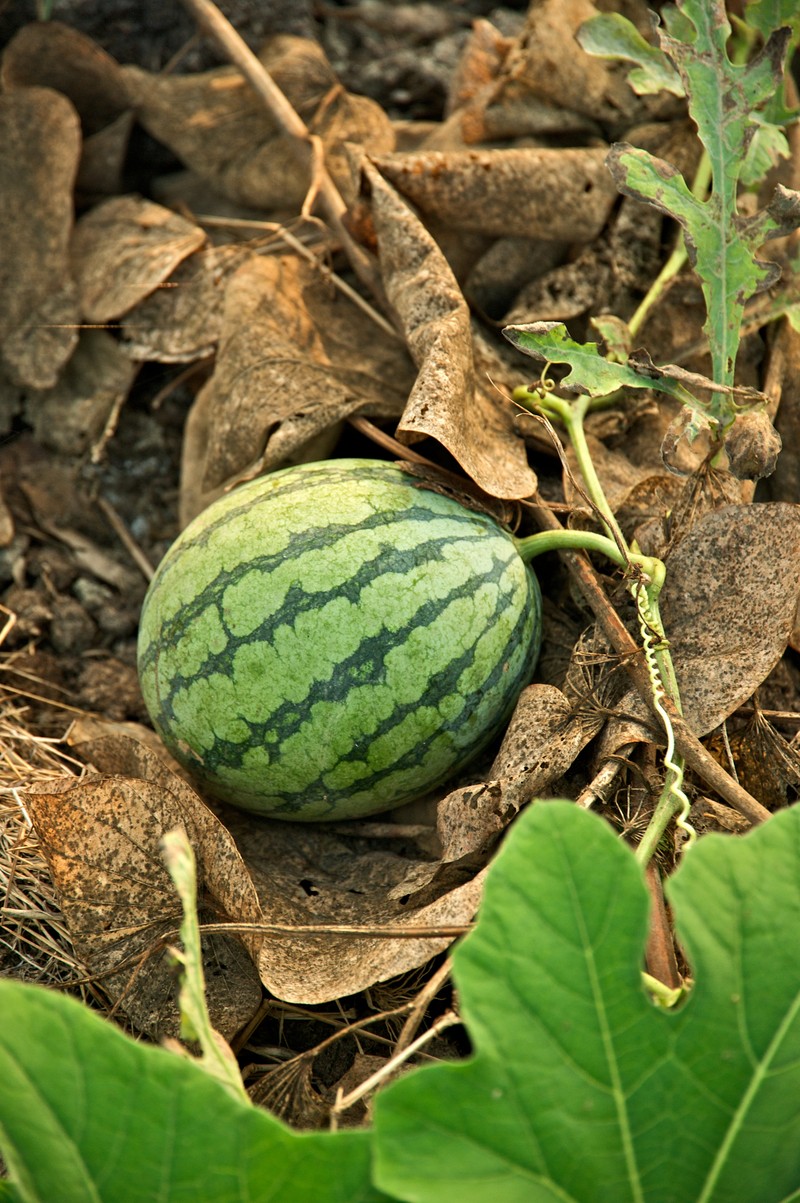
Fred Hsu ( Wikipedia:User:Fred Hsu (en.wikipedia.org) on en.wikipedia (en.wikipedia.org) )
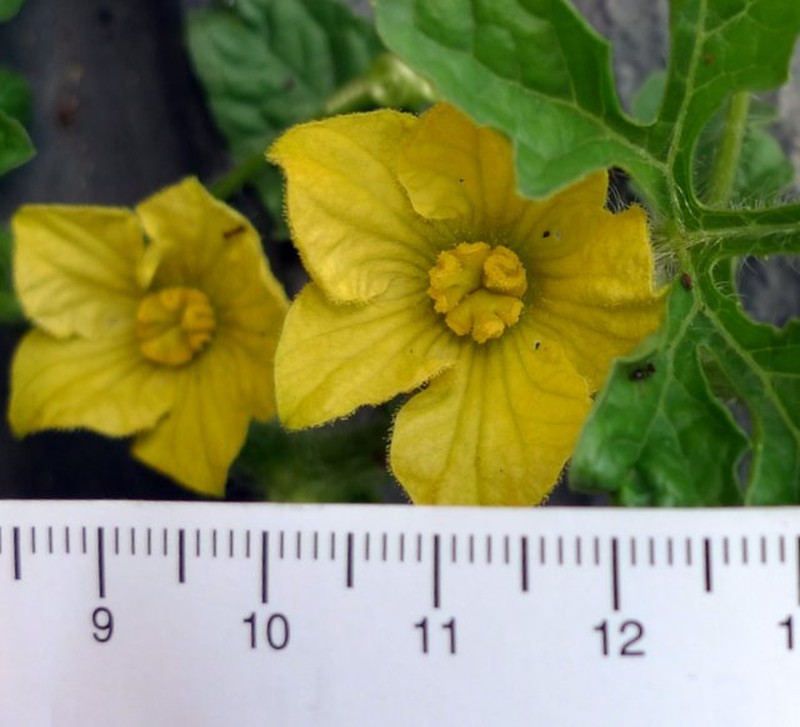
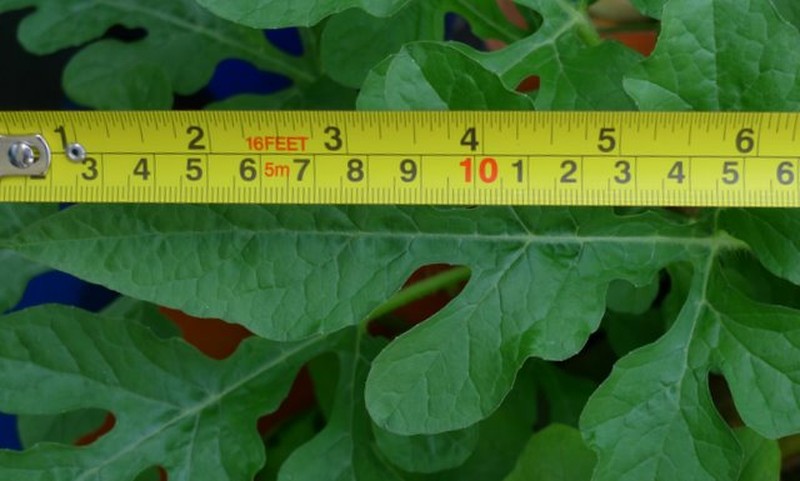
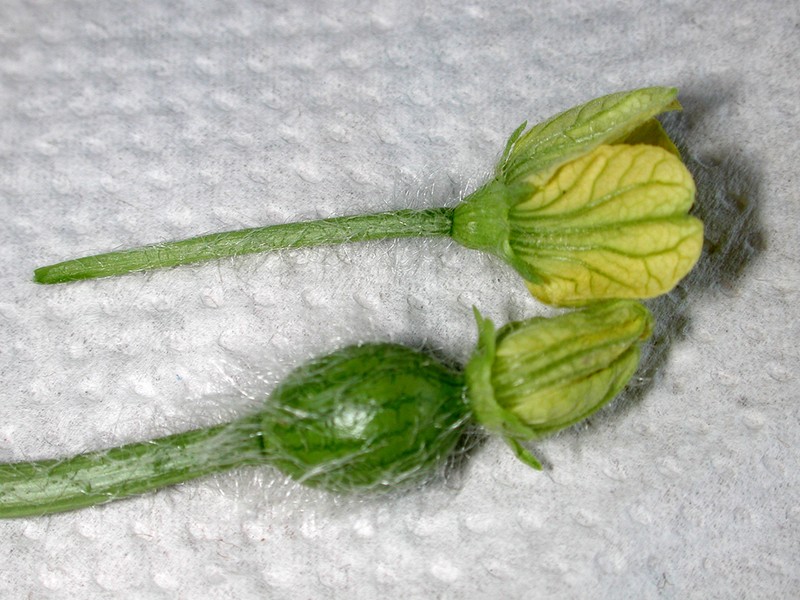
Taxonomy
- Division:
- Magnoliophyta | - Flowering plants
- Family:
- Cucurbitaceae
- Genus:
- Citrullus
- Species:
- Citrullus lanatus
- USDA Symbol:
- CILA3
Growth Characteristics
- Life Cycle:
- Annual
- Growth Habit:
- Forb/herb , Vine
- Height:
- 50 cm
- Light Requirements:
- Full Sun
- Drought Tolerance:
- Medium
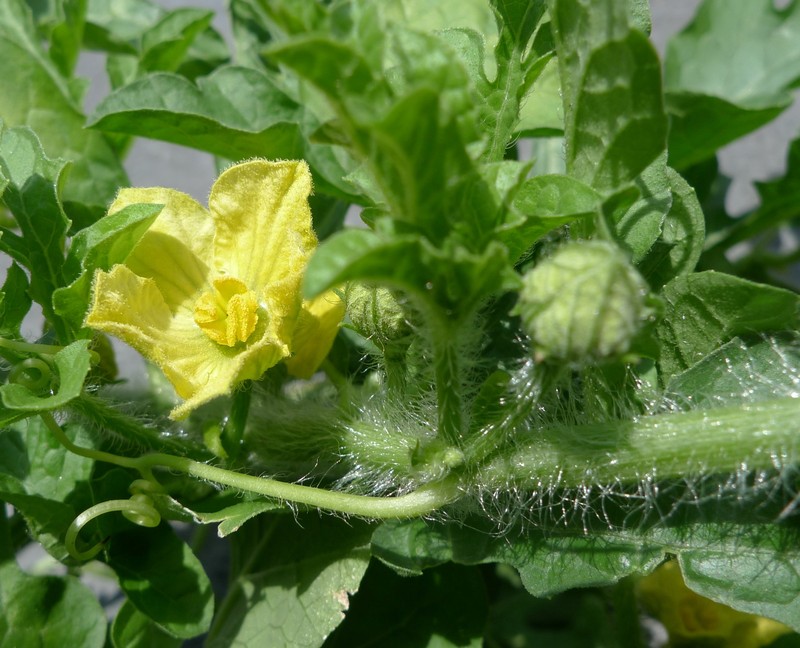
- Bloom Months:
- jun,jul,aug
- Bloom Colors:
- yellow
Wildlife Benefits
- Bees:
- ★☆☆☆☆ Documented bee visitation (GBIF)
- Caterpillars:
- ★★☆☆☆ Recorded caterpillar host plant (HOSTS Database)
Host Plant for Caterpillars
Alfalfa Looper (Autographa californica), Armyworm moth (Pseudaletia unipuncta), Cabbage looper (Trichoplusia ni), corn earworm (Helicoverpa zea), Fall armyworm (Spodoptera frugiperda), melonworm moth (Diaphania hyalinata), Old Man Dart (Agrotis vetusta), Phyllira Tiger Moth (Grammia phyllira), Pyrausta sp., Salt Marsh Moth (Estigmene acrea), Southern armyworm (Spodoptera eridania), Virginia Tiger Moth (Spilosoma virginica), White-lined sphinx moth (Hyles lineata)
Garden & Ecology Notes
- Wildlife Value:
- bees, birds
Soil Requirements
- Soil Type:
- sandy, well-drained, nutrient-rich soil
- pH:
- 5.8 - 6.5 (slightly acidic to neutral)
- Drainage:
- excellent drainage required
- Moisture:
- dry to moderate
- Notes:
- Native to arid regions; prefers sandy soils
Propagation & Germination
- Germination Time:
- 7–14 days
- Notes:
- Seeds germinate readily in warm soil (21-35°C) without pretreatment.
Where to Buy
Nationwide Seller
- Sheffield's Seed (seeds)