
Winter Squash
Cucurbita maxima
- Native to:
- Argentina, Bolivia, Guam, Palau
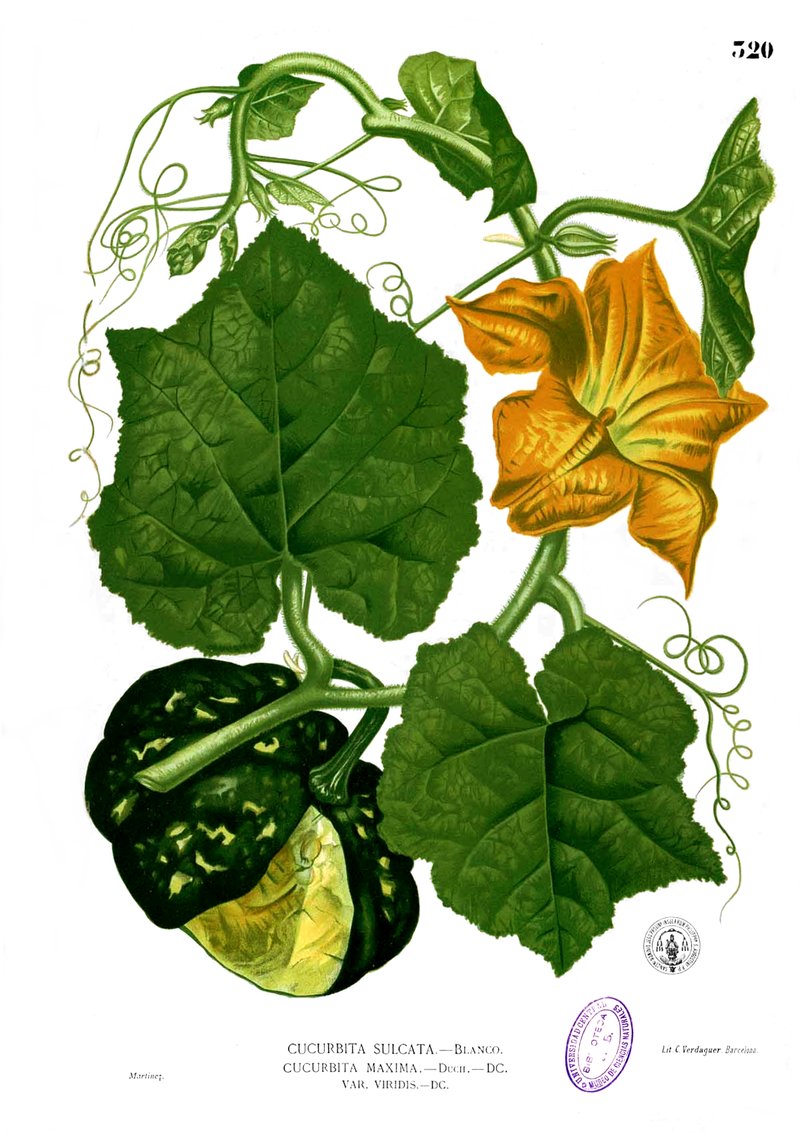
Laurascudder
Taxonomy
- Division:
- Magnoliophyta | - Flowering plants
- Family:
- Cucurbitaceae
- Genus:
- Cucurbita
- Species:
- Cucurbita maxima
- USDA Symbol:
- CUMA3
Growth Characteristics
- Life Cycle:
- Annual
- Growth Habit:
- Forb/herb , Vine
- Height:
- 60 cm
- Light Requirements:
- Full Sun
- Drought Tolerance:
- Medium
- Bloom Months:
- jun,jul,aug
- Bloom Colors:
- yellow
- Food Forest:
- Contains edible parts
Wildlife Benefits
- Bees:
- ★☆☆☆☆ Documented bee visitation (GBIF)
- Butterflies & Moths:
- ★★★★★ Documented Lepidoptera association (GBIF)
- Caterpillars:
- ★★☆☆☆ Recorded caterpillar host plant (HOSTS Database)
Host Plant for Caterpillars
Alfalfa Looper (Autographa californica), Black cutworm (Agrotis ipsilon), Cabbage looper (Trichoplusia ni), corn earworm (Helicoverpa zea), Euxoa tessellata, Gothic dart (Feltia subgothica), melonworm moth (Diaphania hyalinata), pickleworm (Diaphania nitidalis), Southern armyworm (Spodoptera eridania), Squash vine borer (Melittia cucurbitae), Virginia Tiger Moth (Spilosoma virginica)
Reported Fauna Sightings
Bees: Xenoglossa pruinosa
Garden & Ecology Notes
- Wildlife Value:
- bees, birds
Soil Requirements
- Soil Type:
- rich, well-drained loamy soil
- pH:
- 5.5 - 7.0 (slightly acidic to neutral)
- Drainage:
- excellent drainage required
- Moisture:
- consistently moist
- Notes:
- native to South America, prefers fertile soils
Propagation & Germination
- Stratification:
- None required
- Germination Time:
- 7–14 days
- Notes:
- Seeds germinate readily in warm soil (21-35°C) without pretreatment.