
California Manroot
Marah fabaceus
- Native to:
- United States
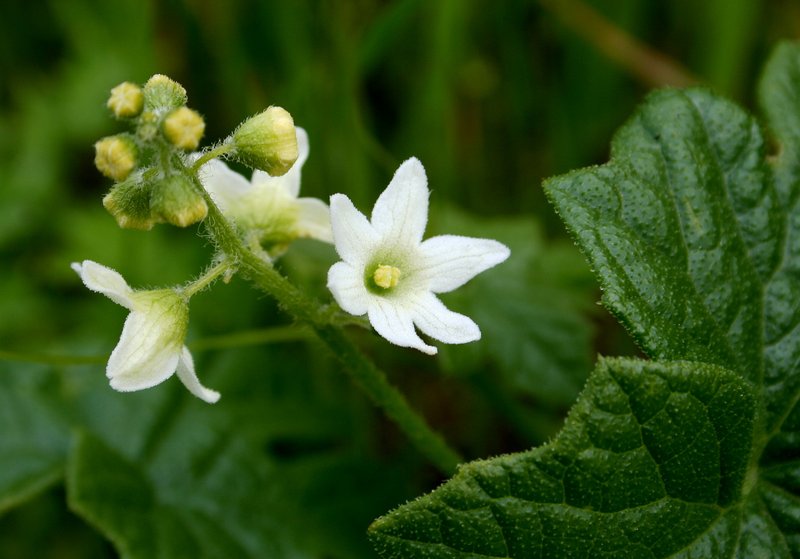
Calibas
Taxonomy
- Division:
- Magnoliophyta | - Flowering plants
- Family:
- Cucurbitaceae
- Genus:
- Marah
- Species:
- Marah fabaceus
- USDA Symbol:
- MAFA3
Growth Characteristics
- Life Cycle:
- Perennial
- Growth Habit:
- Forb/herb , Vine
- Height:
- 600 cm
- Light Requirements:
- Full Sun
- Drought Tolerance:
- Medium
- Bloom Months:
- mar,apr,may
- Bloom Colors:
- white
Wildlife Benefits
- Caterpillars:
- ★☆☆☆☆ Recorded caterpillar host plant (HOSTS Database)
Host Plant for Caterpillars
Glorious Squash Vine Borer (Melittia gloriosa)
Garden & Ecology Notes
- Wildlife Value:
- birds, small mammals
- Deer Resistant:
- Yes
- Fire Ecology:
- Fire adapted — tolerates or benefits from fire
- Fire Notes:
- Resprouts from large tuberous root after fire; seeds may germinate in post-fire conditions.
Soil Requirements
- Soil Type:
- well-drained, sandy or rocky soil
- pH:
- 6.0 - 7.5 (slightly acidic to neutral)
- Drainage:
- excellent drainage required
- Moisture:
- dry to moderate
- Notes:
- native to chaparral and coastal scrub regions
Propagation & Germination
- Stratification:
- Cold/moist stratification required — 30–60 days
- Scarification:
- Seed coat scarification required before sowing
- Germination Time:
- 14–30 days
- Notes:
- Seeds require scarification (nicking or sanding) followed by cold stratification for 30-60 days to break dormancy.
Pre-treatment: Seeds are soaked overnight with warm water or placed in dry, cold storage following collection and prior to sowing.
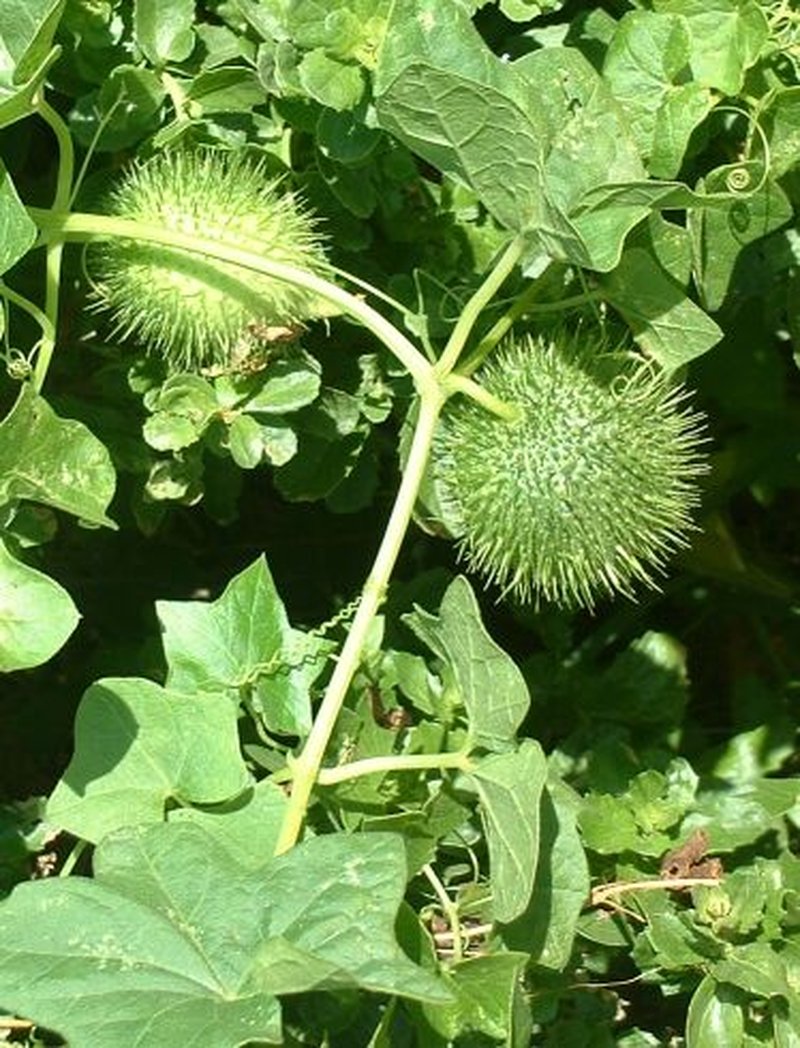
Establishment: Clean seed may be rapidly collected from ripening fruits of after falling to the ground from early to late spring. Seeds are collected between April 1st and June 15th. Mature pods are brown and spiny. Seed is greenish brown at maturity. Found on banks and slopes below 2,500 feet elevation near the coast; from Marin to Monterery County, California.
Source: npn.rngr.net