
Cosmopolitan Bulrush
Bolboschoenus maritimus
- Native to:
- Afghanistan, Albania, Argentina, Austria, Azores, Baleares, Baltic States, Bangladesh, Belarus, Belgium, Brazil, Bulgaria, Cambodia, Cape Verde, Chad, Chile, China, Colombia, Corse, Cuba, Cyprus, Czechia-Slovakia, Denmark, East Aegean Is., Finland, France, Germany, Great Britain, Greece, Gulf States, Hawaii, Hungary, India, Iran, Ireland, Italy, Kazakhstan, Kirgizstan, Korea, Kriti, Krym, Kuwait, Laos, Madeira, Mexico, Nansei-shoto, Netherlands, North Caucasus, Norway, NW. Balkan Pen., Oman, Pakistan, Palestine, Peru, Poland, Portugal, Prince Edward I., Romania, Russia, Sardegna, Saudi Arabia, Sicilia, South Africa, Spain, Sudan-South Sudan, Suriname, Sweden, Switzerland, Tadzhikistan, Taiwan, Thailand, Transcaucasus, Türkiye, Türkiye-in-Europe, Turkmenistan, Ukraine, United States, Uzbekistan, Vietnam, Virgin Islands
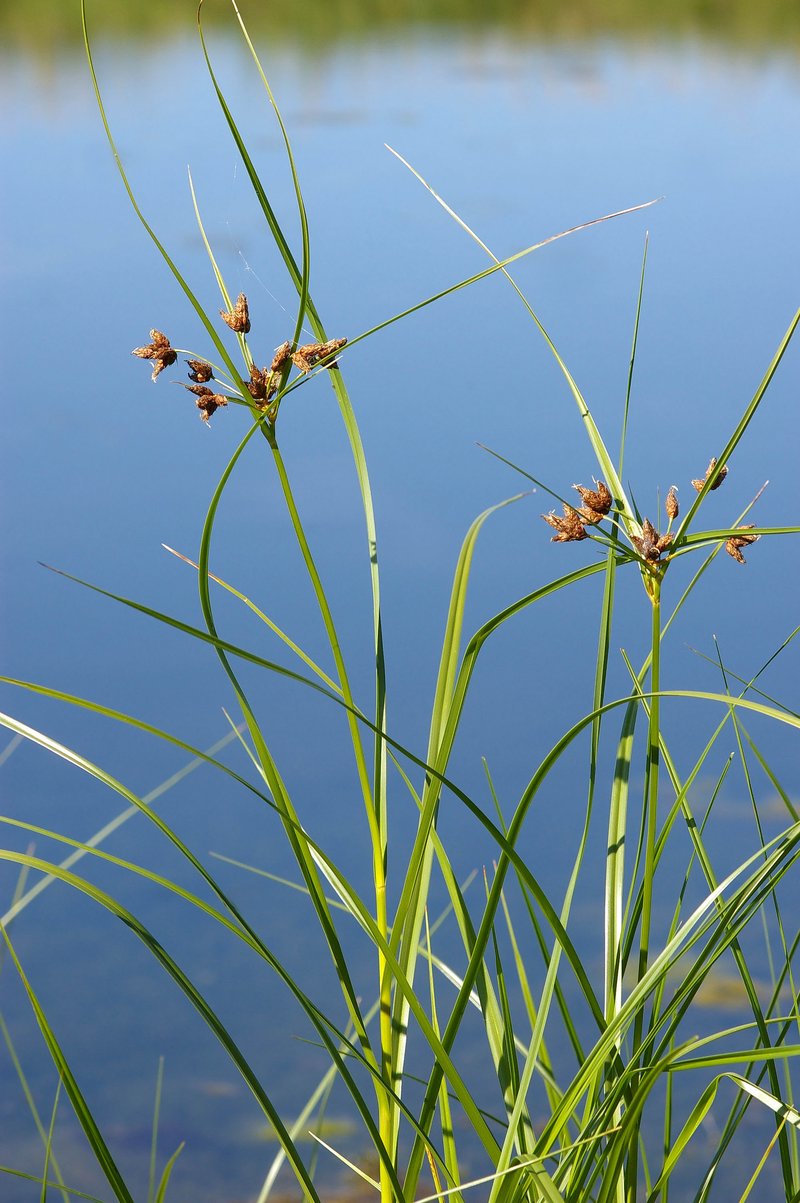
Christian Fischer
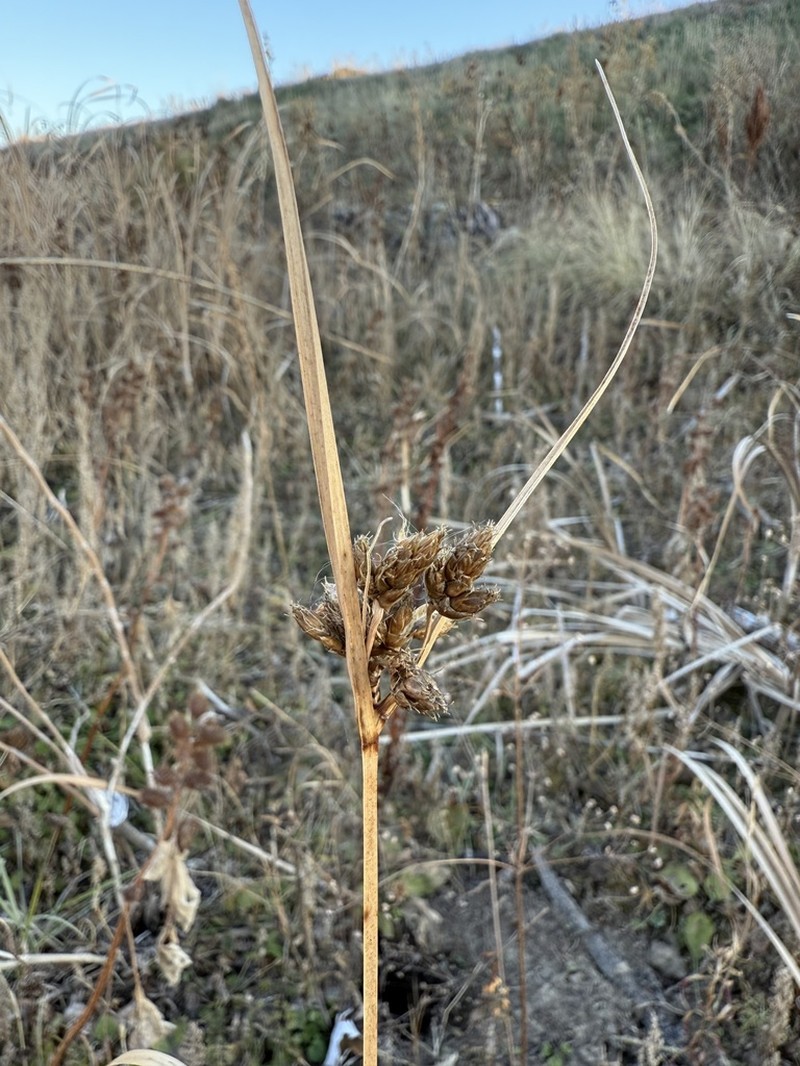
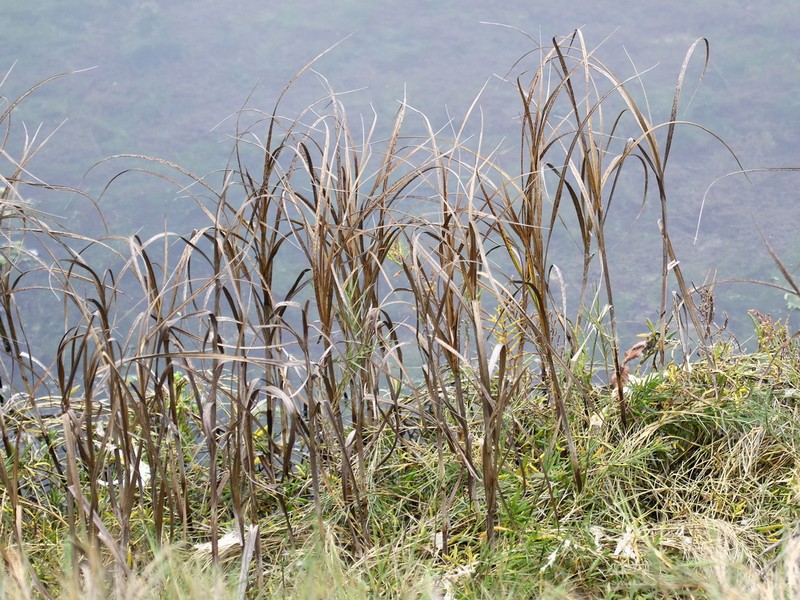
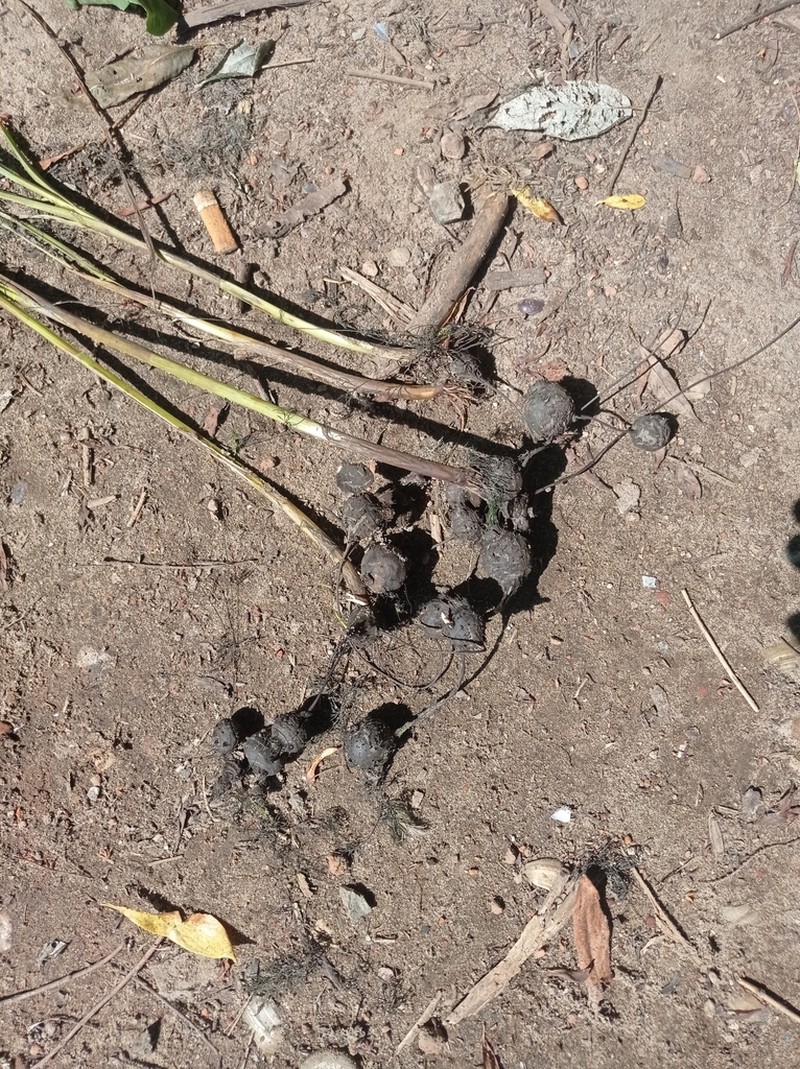
Taxonomy
- Division:
- Magnoliophyta | - Flowering plants
- Family:
- Cyperaceae
- Genus:
- Bolboschoenus
- Species:
- Bolboschoenus maritimus
- USDA Symbol:
- BOMA7
Growth Characteristics
- Life Cycle:
- Perennial
- Growth Habit:
- Graminoid
- Height:
- 120 cm
- Light Requirements:
- Full Sun
- Drought Tolerance:
- Low
- Bloom Months:
- jun,jul,aug
- Bloom Colors:
- brown
Wildlife Benefits
- Butterflies & Moths:
- ★★☆☆☆ Documented Lepidoptera association (GBIF)
- Caterpillars:
- ★☆☆☆☆ Recorded caterpillar host plant (HOSTS Database)
Host Plant for Caterpillars
Biselachista salinaris, Microcalyptris scirpi
Garden & Ecology Notes
- Wildlife Value:
- waterfowl, shorebirds
- Deer Resistant:
- Yes
- Salt Tolerant:
- Yes
Soil Requirements
- Soil Type:
- clay to sandy, nutrient-rich soil
- pH:
- 6.0 - 8.5 (neutral to slightly alkaline)
- Drainage:
- tolerates poor drainage
- Moisture:
- consistently moist
- Notes:
- commonly found in coastal and estuarine wetlands
Propagation & Germination
Pre-treatment: Seeds were cold stratified for 80 days. Seeds germinate at alternating temperatures of 30/5 C. Germination was greater in light than dark.
Establishment: S. maritimus is found throughout temperate North America, Asia, and New Zealand in fresh water marshes below 4,000 feet elevation.
Source: npn.rngr.net