
Eastern Narrowleaf Sedge
Carex amphibola
- Native to:
- Canada, United States, Virgin Islands
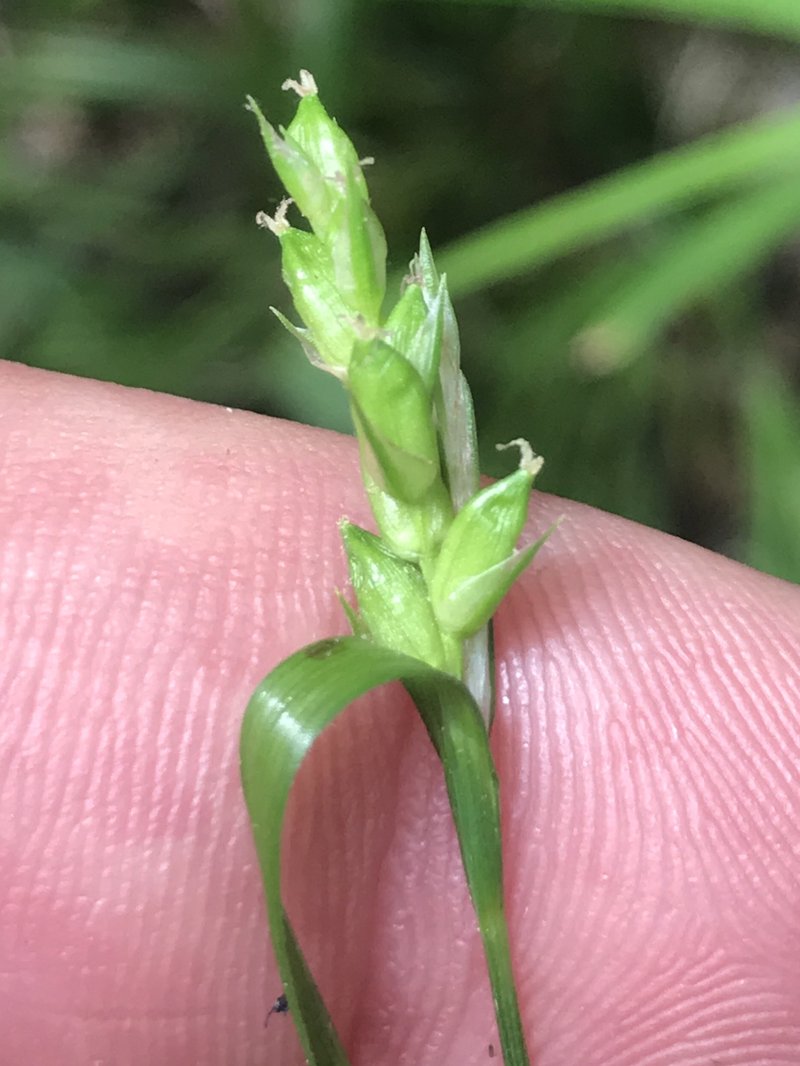
(c) Summit Metro Parks, some rights reserved (CC BY)
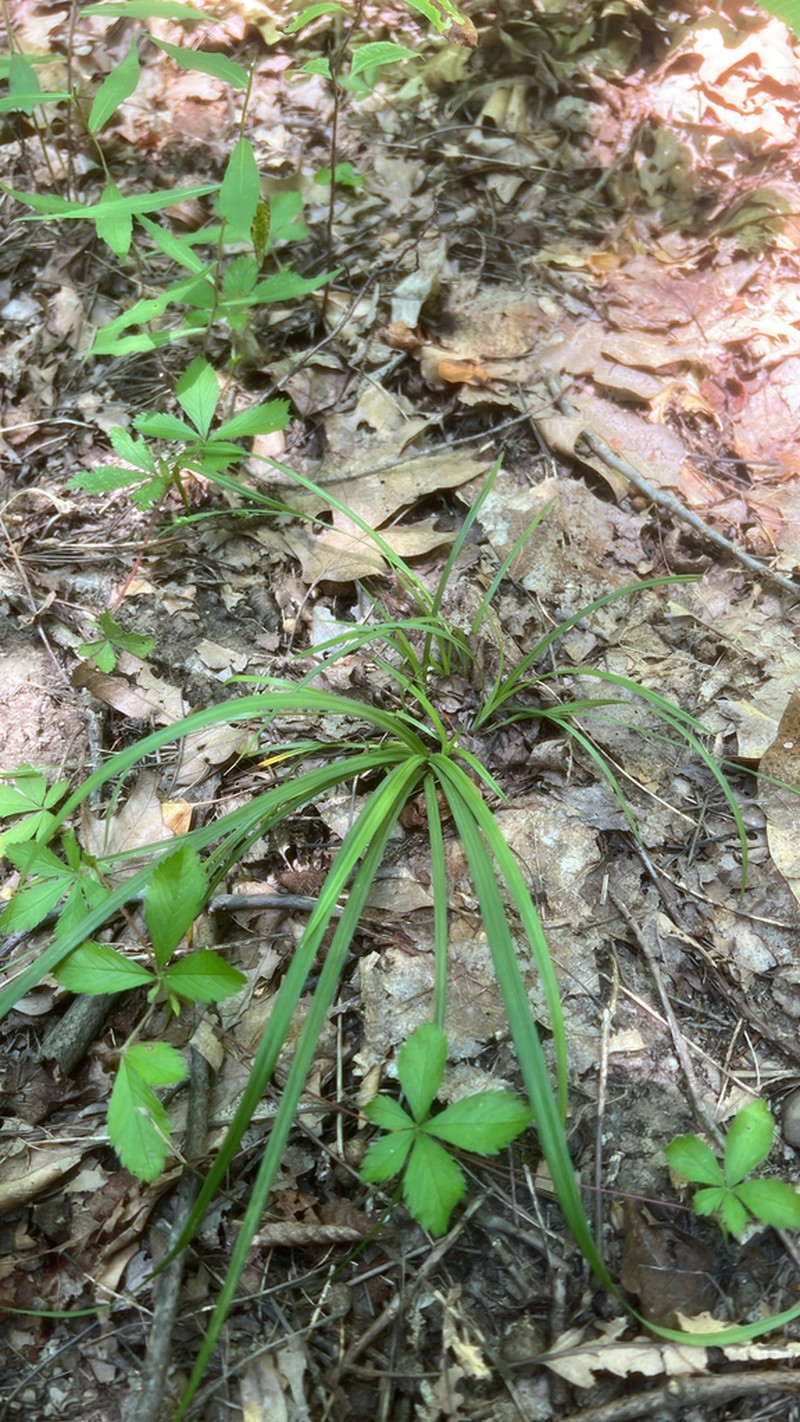
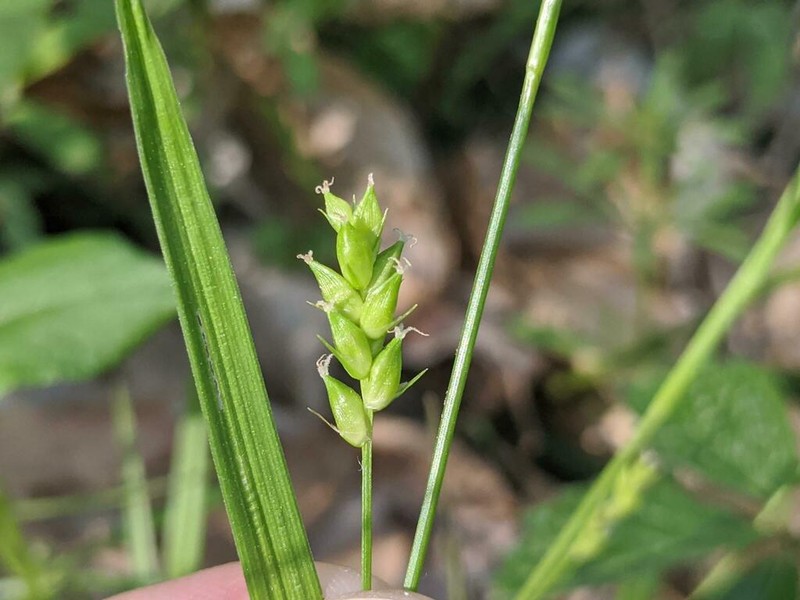
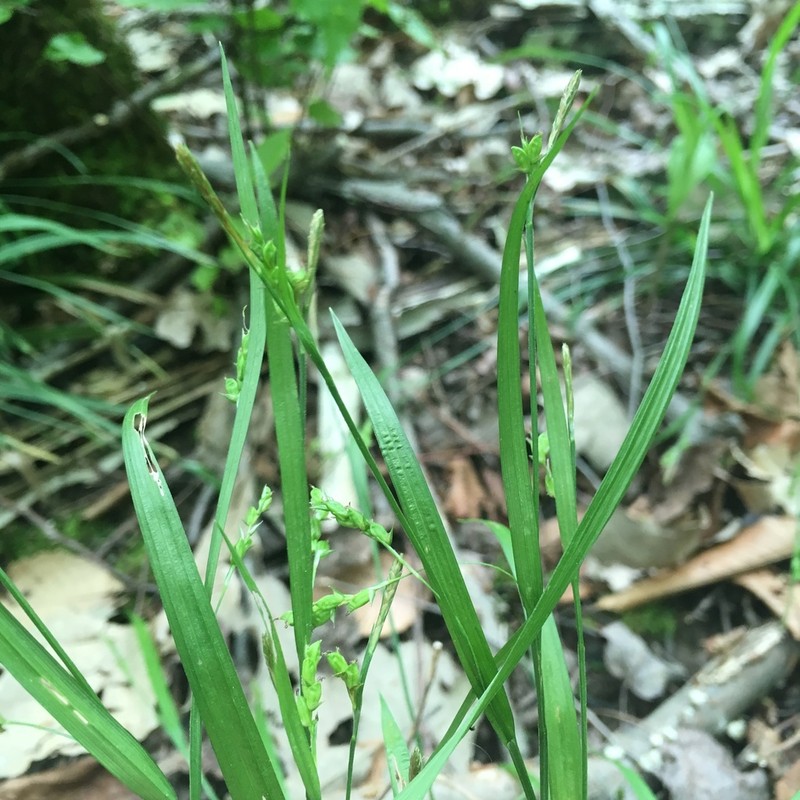
Taxonomy
- Division:
- Magnoliophyta | - Flowering plants
- Family:
- Cyperaceae
- Genus:
- Carex
- Species:
- Carex amphibola
- USDA Symbol:
- CAAM8
Growth Characteristics
- Life Cycle:
- Perennial
- Growth Habit:
- Graminoid
- Height:
- 90 cm
- Light Requirements:
- Part Shade,Shade
- Drought Tolerance:
- Low
- Bloom Months:
- apr,may,jun
- Bloom Colors:
- greenish
Wildlife Benefits
- Butterflies & Moths:
- ★☆☆☆☆ Documented Lepidoptera association (GBIF)
Garden & Ecology Notes
- Wildlife Value:
- birds, small mammals
Soil Requirements
- Soil Type:
- rich, well-drained loamy soil
- pH:
- 5.5 - 7.0 (slightly acidic to neutral)
- Drainage:
- tolerates poor drainage
- Moisture:
- consistently moist
- Notes:
- prefers shaded, woodland environments
Propagation & Germination
- Stratification:
- Cold/moist stratification required — 60–90 days
- Germination Time:
- 14–30 days
- Notes:
- Seeds benefit from cold moist stratification for 60-90 days to break dormancy.
Pre-treatment: Seed is planted into round cell greenhouse flat liners with 38 cells per flat filled with coarse processed bark and composted pine bark growing medium. Seed is surface sown at a rate of 3-5 seeds per cell and lightly covered with starter sized, 1/16" - 1/8" diameter, granite poultry grit. Prepared flats are lightly hand watered to slightly moisten the growing medium and cold stratified at 35 degrees Fahrenheit for a minimum of 30 days.
Source: npn.rngr.net
Where to Buy
Nationwide Seller
- North Creek Nurseries (nursery)