
Water Sedge
Carex aquatilis
- Native to:
- Aleutian Is., Baltic States, Canada, Finland, Germany, Great Britain, Greenland, Ireland, Labrador, Netherlands, Norway, Prince Edward I., Russia, Sweden, United States, Virgin Islands
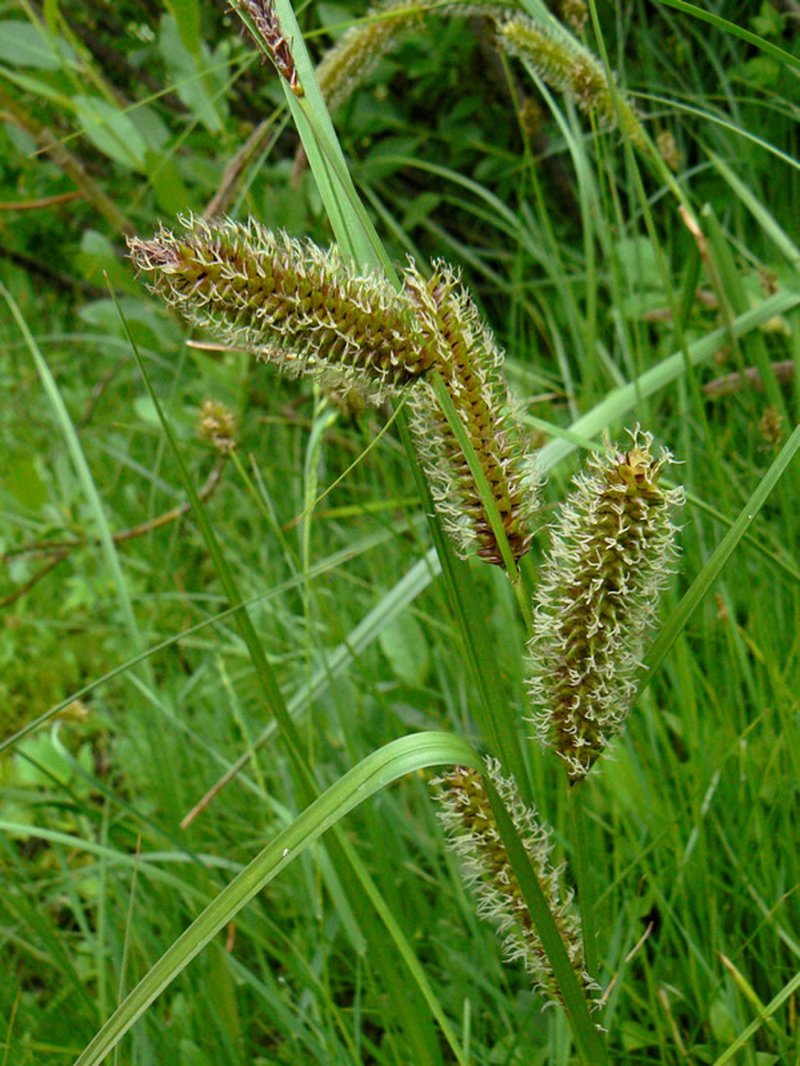
Teresa Prendusi, USFS botanist per [1] (www.nps.gov)
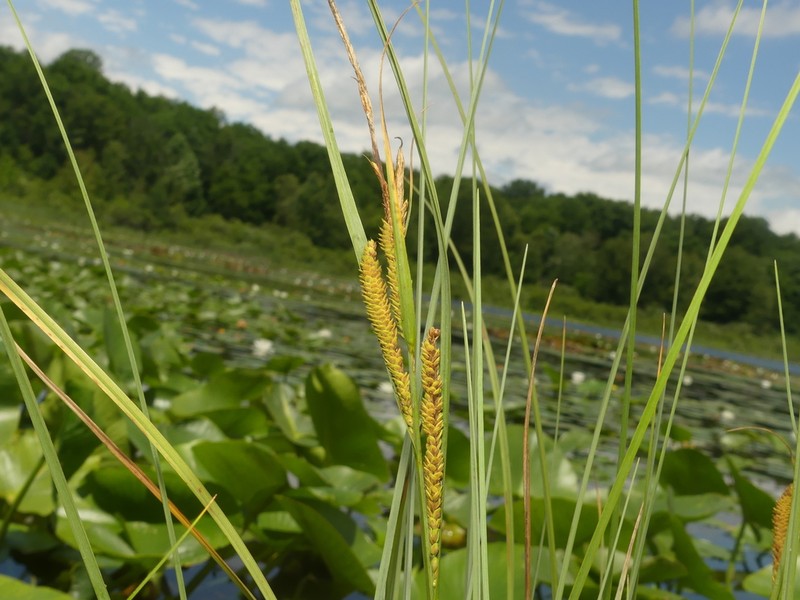
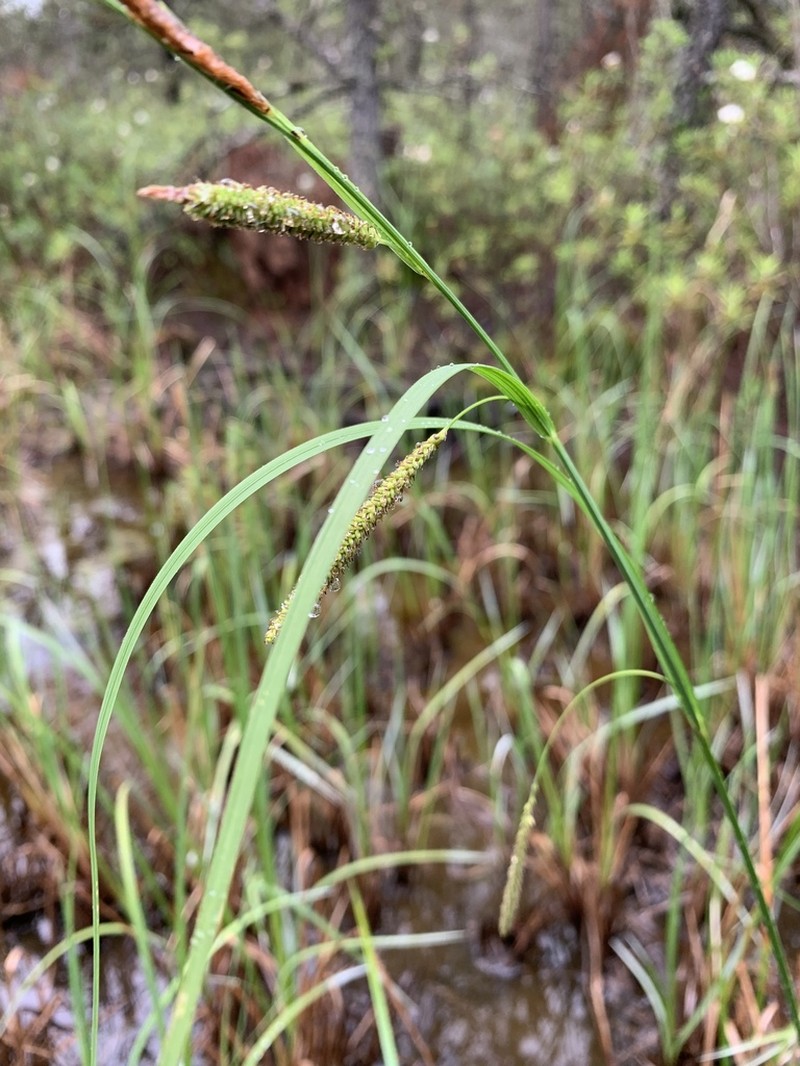
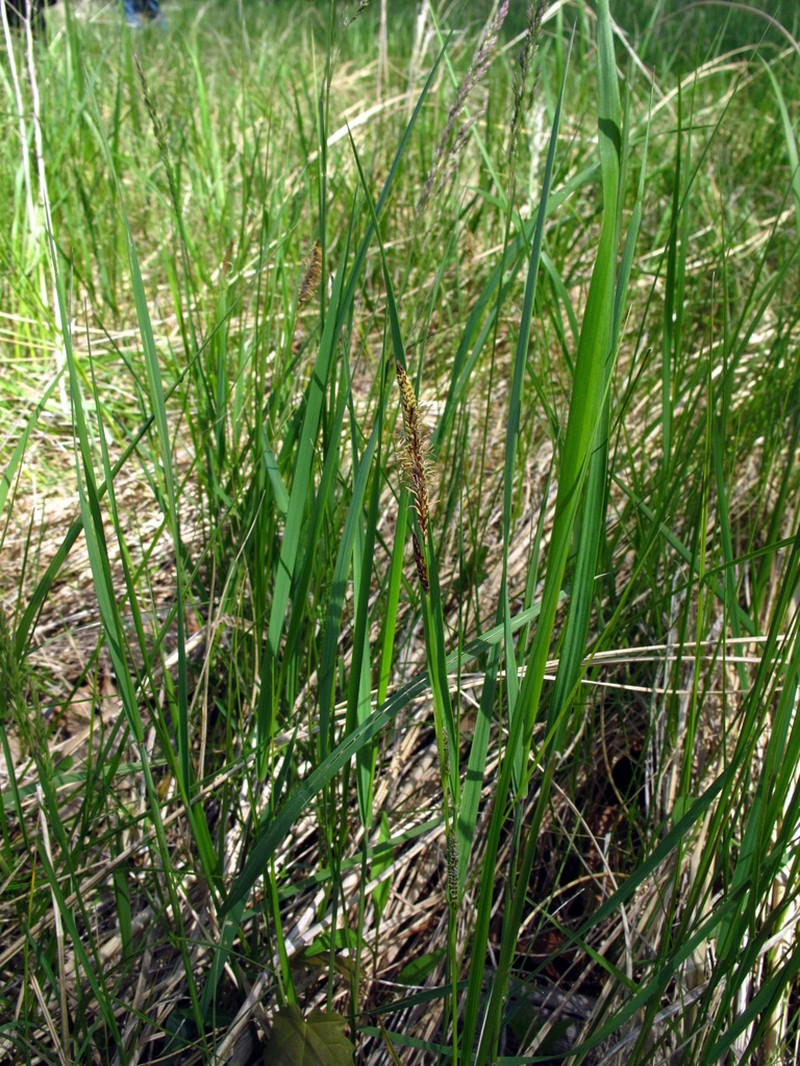
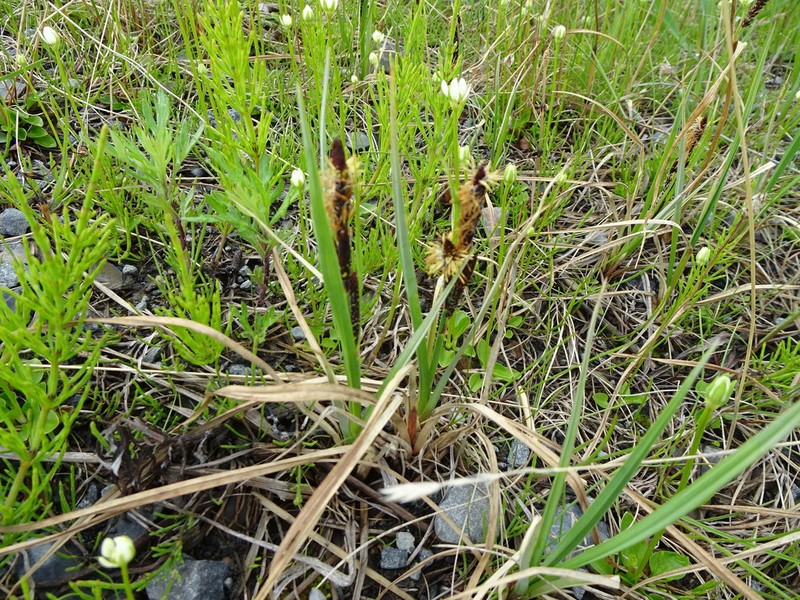
Taxonomy
- Division:
- Magnoliophyta | - Flowering plants
- Family:
- Cyperaceae
- Genus:
- Carex
- Species:
- Carex aquatilis
- USDA Symbol:
- CAAQ
Growth Characteristics
- Life Cycle:
- Perennial
- Growth Habit:
- Graminoid
- Height:
- 120 cm
- Light Requirements:
- Full Sun,Part Shade
- Drought Tolerance:
- Low
- Bloom Months:
- may,jun,jul
- Bloom Colors:
- greenish
Wildlife Benefits
- Butterflies & Moths:
- ★☆☆☆☆ Documented Lepidoptera association (GBIF)
Garden & Ecology Notes
- Wildlife Value:
- waterfowl, muskrats, beavers
- Fire Ecology:
- Fire adapted — tolerates or benefits from fire
- Fire Notes:
- Resprouts from rhizomes after fire; can increase in abundance following fire in wet meadows.
Soil Requirements
- Soil Type:
- rich, organic, moisture-retentive soil
- pH:
- 5.5 - 7.5 (slightly acidic to neutral)
- Drainage:
- tolerates poor drainage
- Moisture:
- consistently moist
- Notes:
- Commonly found in wetlands, marshes, and along streams.
Propagation & Germination
- Stratification:
- Cold/moist stratification required — 30–60 days
- Germination Time:
- 14–30 days
- Notes:
- Seeds benefit from cold moist stratification for 30-60 days; germination occurs in cool, moist conditions.
Pre-treatment: Place seeds in linen bags and soak in cold running water for 2 days. Then place bags between layers of sphagnum moss kept at 2 degrees C (35.6 degrees F) for 30 days before sowing.
Establishment: Different protocols suggest varying pre-treatments and germination methods, with germination rates ranging from 15% to 99%. The protocol with the highest germination rate (99%) involves a 30-day cold stratification in sphagnum moss. Some protocols suggest using a soil-less mixture or a specific soil mix, while others suggest a peat and vermiculite mix. Care should be taken when collecting seeds to avoid perigynia smut.
Source: npn.rngr.net
Where to Buy
Nationwide Seller
- Prairie Moon Nursery (nursery and seeds)
- Pizzo Native Plant Nursery (wholesale nursery)
- Native Seed Group (seeds)