
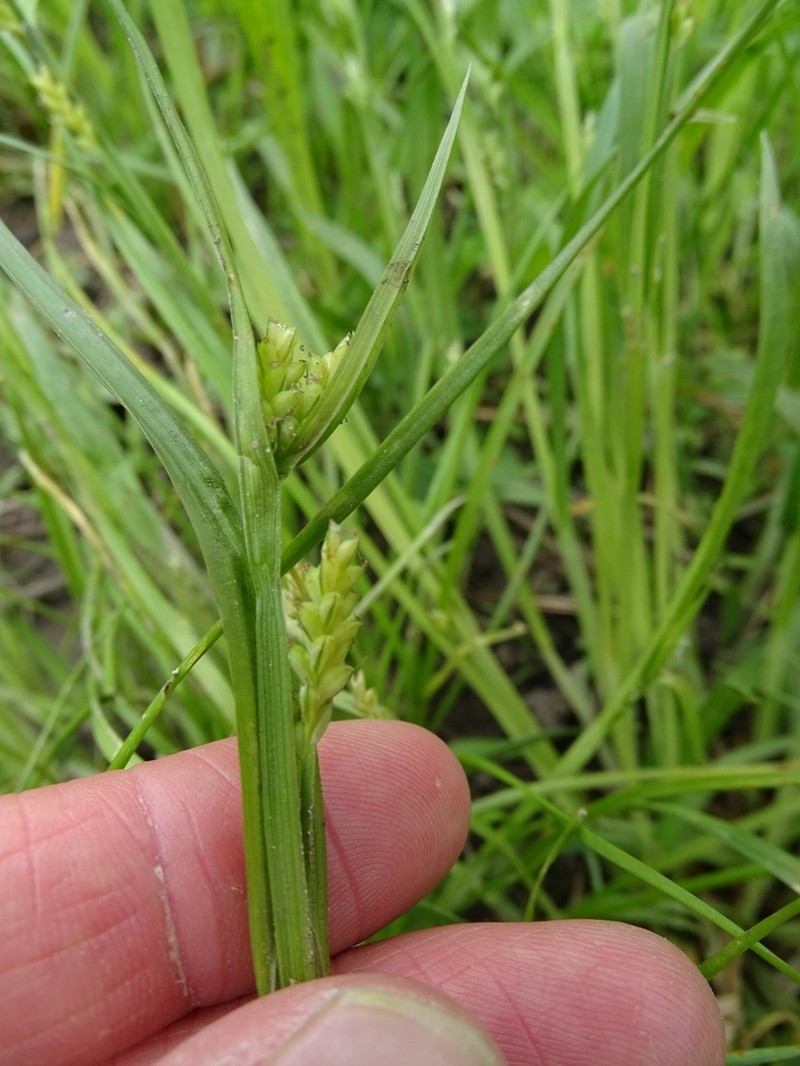
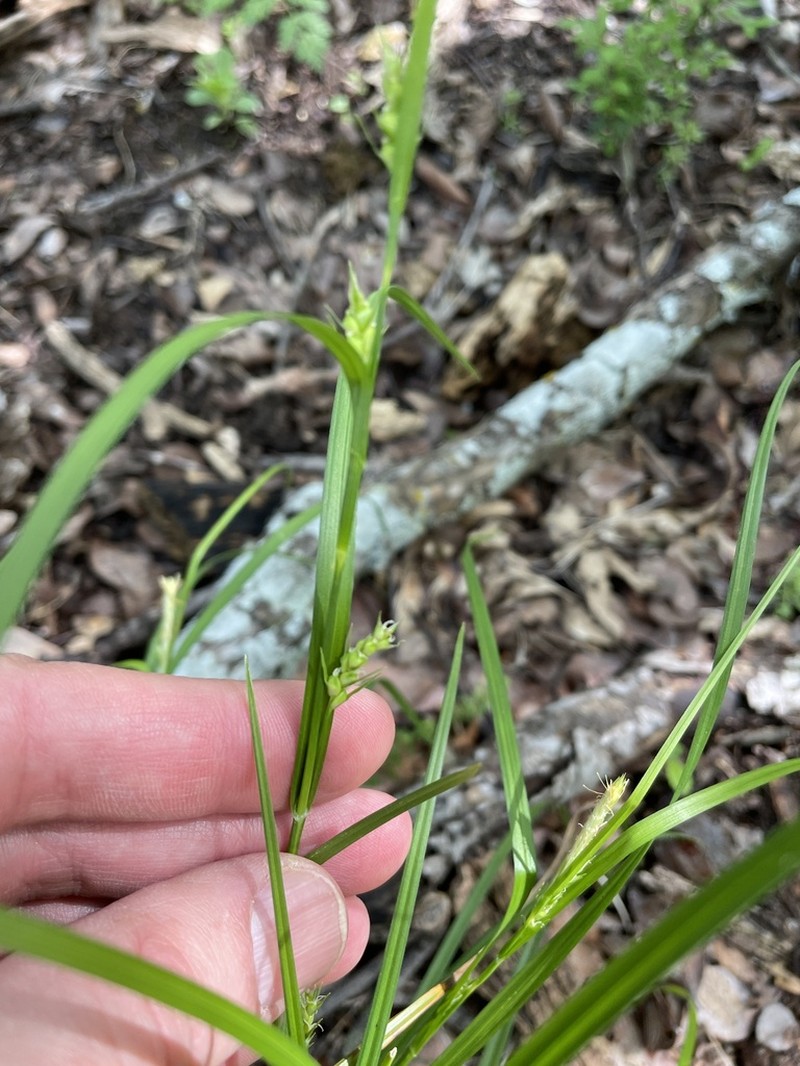
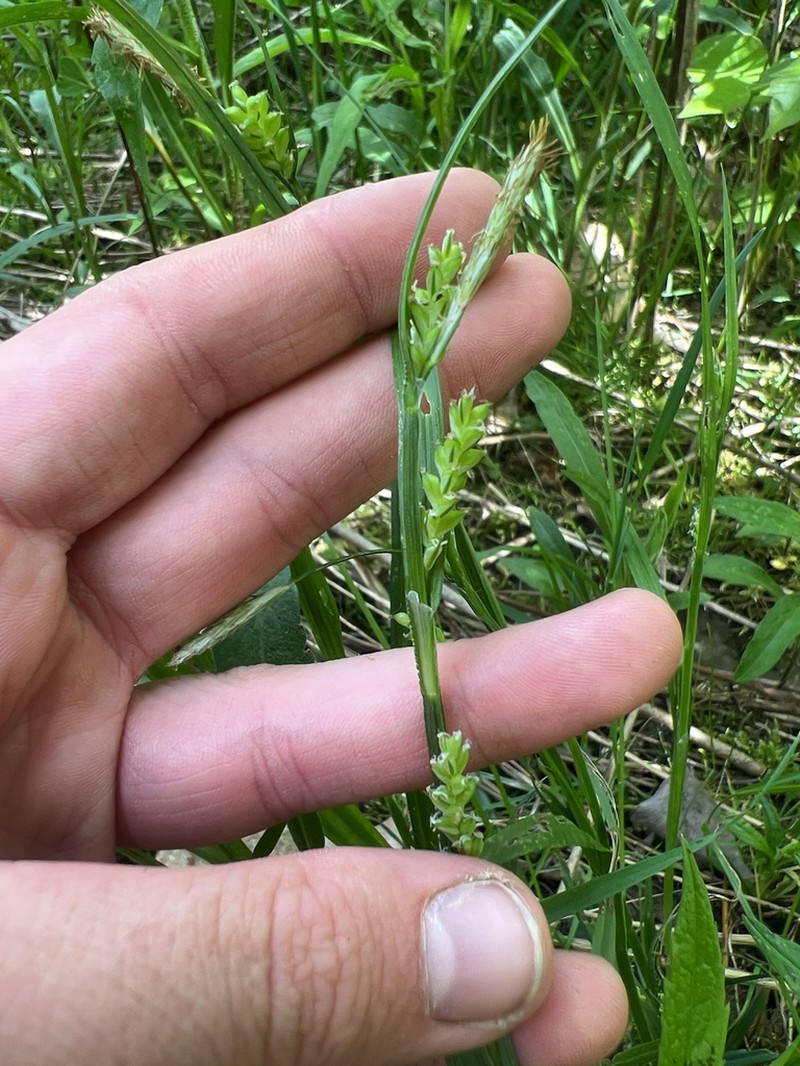
Eastern Woodland Sedge
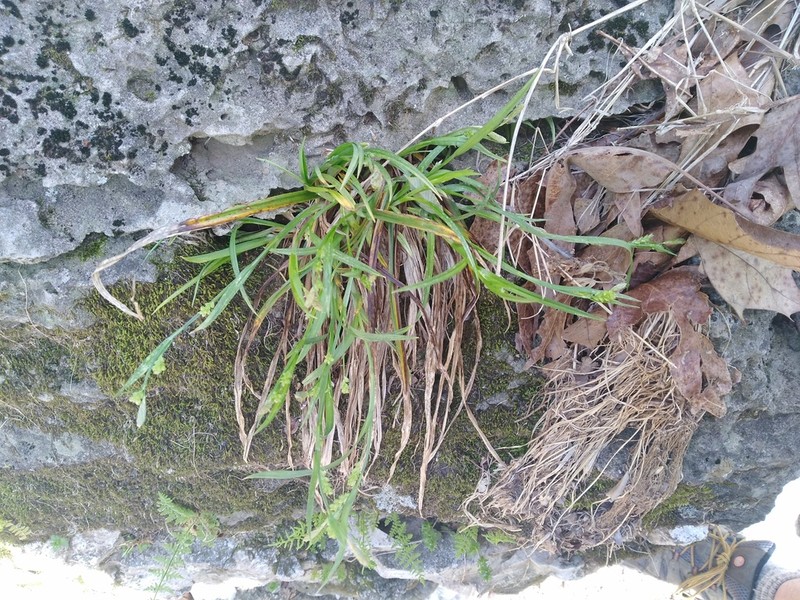
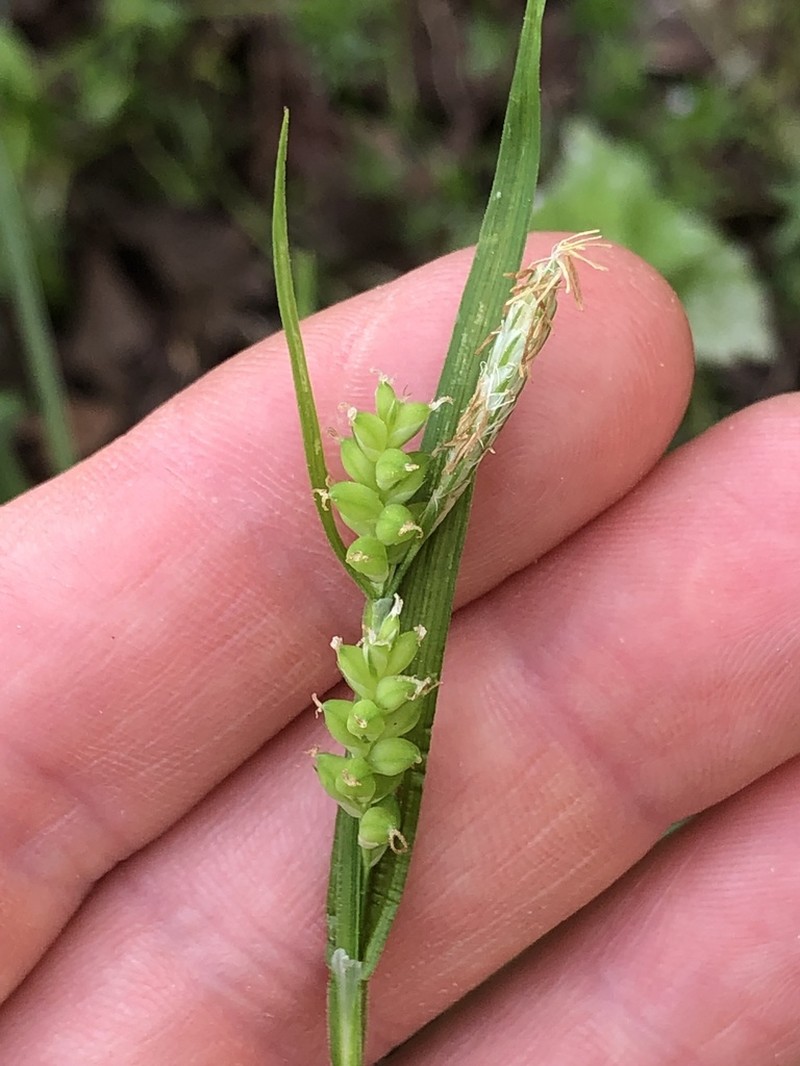
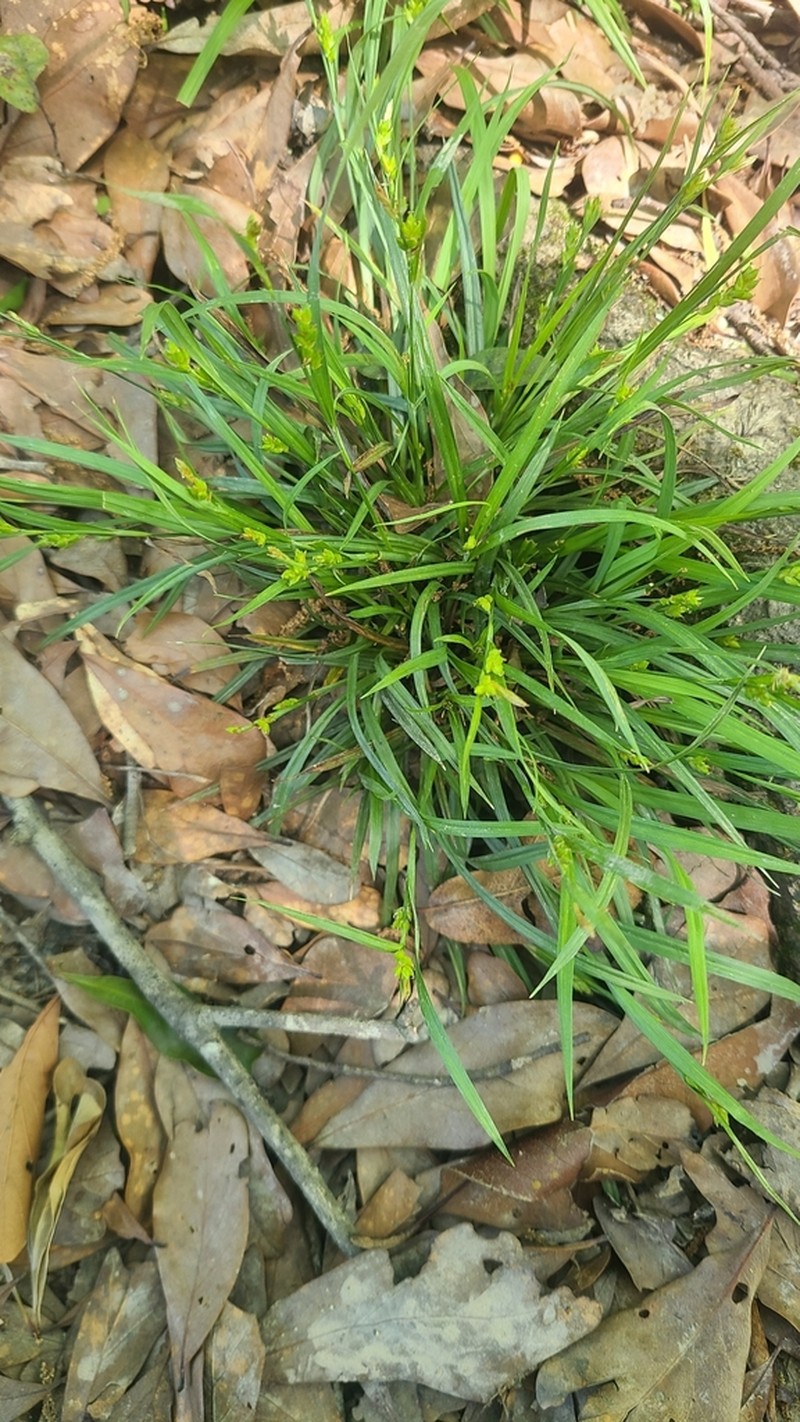
Carex blanda
- Native to:
- Canada, United States, Virgin Islands
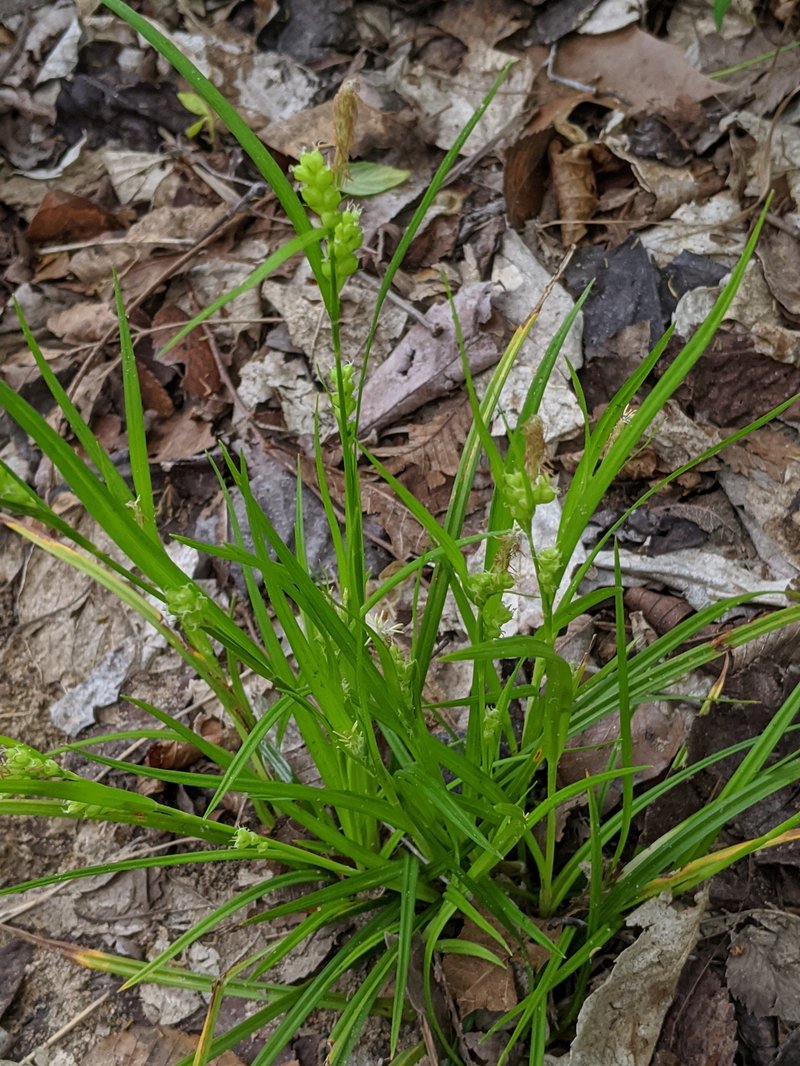
Alison Northup (www.inaturalist.org)
Taxonomy
- Division:
- Magnoliophyta | - Flowering plants
- Family:
- Cyperaceae
- Genus:
- Carex
- Species:
- Carex blanda
- USDA Symbol:
- CABL
Growth Characteristics
- Life Cycle:
- Perennial
- Growth Habit:
- Graminoid
- Height:
- 60 cm
- Light Requirements:
- Full Sun,Part Shade,Shade
- Drought Tolerance:
- Low
- Bloom Months:
- apr,may,jun
- Bloom Colors:
- greenish
- Ground Cover:
- Yes
- Lawn Substitute:
- Yes
Wildlife Benefits
- Butterflies & Moths:
- ★★☆☆☆ Documented Lepidoptera association (GBIF)
Host Plant for Caterpillars
Cosmopterix clemensella
Garden & Ecology Notes
- Wildlife Value:
- birds, small mammals
Soil Requirements
- Soil Type:
- rich, well-drained loamy soil
- pH:
- 5.5 - 7.5 (slightly acidic to neutral)
- Drainage:
- tolerates poor drainage
- Moisture:
- consistently moist
- Notes:
- Commonly found in woodlands and meadows
Propagation & Germination
- Stratification:
- Cold/moist stratification required — 30–60 days
- Germination Time:
- 14–30 days
- Notes:
- Seeds benefit from cold moist stratification for 30-60 days.
Pre-treatment: Seed is planted into round cell greenhouse flat liners with 38 cells per flat that have been filled with coarse processed bark and composted pine bark growing medium. Seed is surface sown at a rate of 3-5 seeds per cell and lightly covered with starter sized, 1/16" - 1/8" diameter, granite poultry grit to combat damping off diseases. Prepared flats are lightly hand watered to slightly moisten the growing medium and cold stratified at 35 degrees Fahrenheit for a minimum of 30 days.
Source: npn.rngr.net
Where to Buy
Nationwide Seller
- Prairie Moon Nursery (nursery and seeds)
- Pizzo Native Plant Nursery (wholesale nursery)