
Shortbeak Sedge
Carex brevior
- Native to:
- Canada, Mexico, United States, Virgin Islands
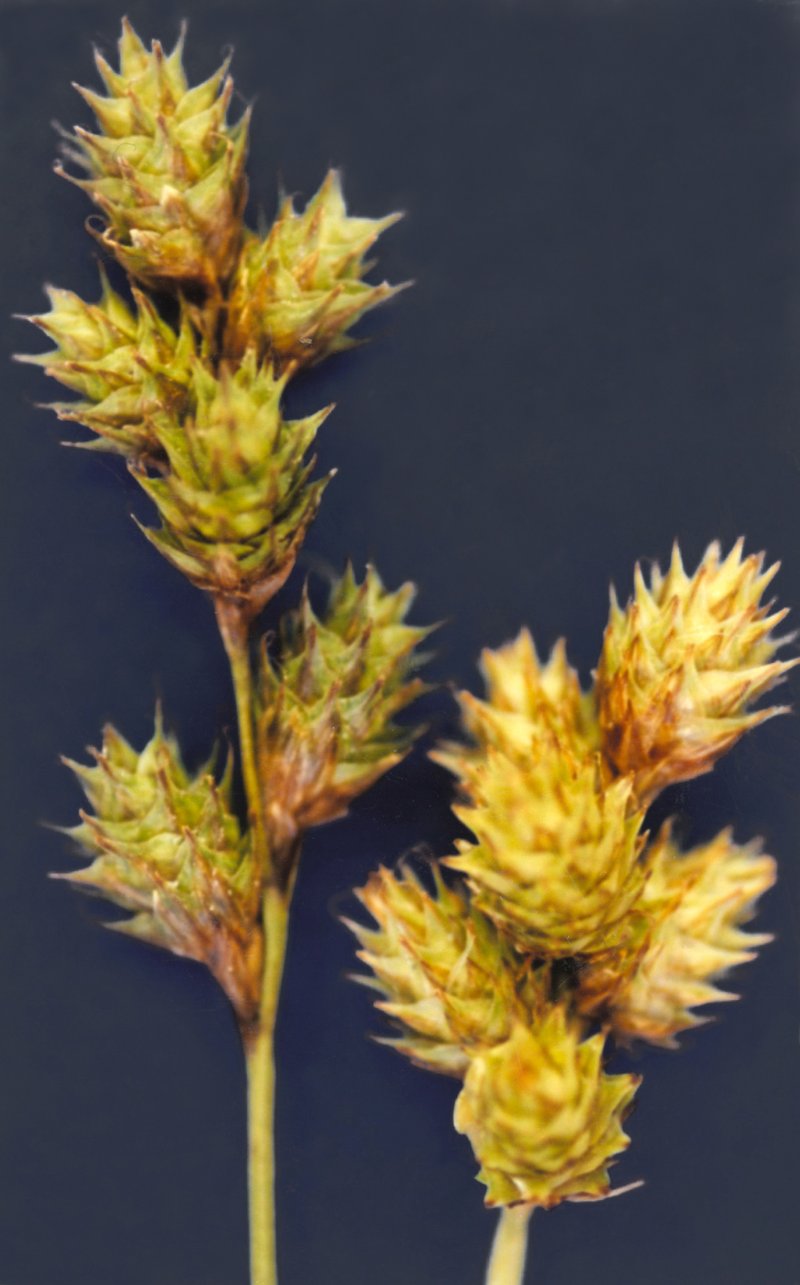
Jim Pisarowicz
Taxonomy
- Division:
- Magnoliophyta | - Flowering plants
- Family:
- Cyperaceae
- Genus:
- Carex
- Species:
- Carex brevior
- USDA Symbol:
- CABR10
Growth Characteristics
- Life Cycle:
- Perennial
- Growth Habit:
- Graminoid
- Height:
- 90 cm
- Light Requirements:
- Full Sun
- Drought Tolerance:
- Medium
- Bloom Months:
- apr,may,jun
- Bloom Colors:
- greenish, brown
- Ground Cover:
- Yes
- Lawn Substitute:
- Yes
Garden & Ecology Notes
- Wildlife Value:
- birds, small mammals
- Deer Resistant:
- Yes
Soil Requirements
- Soil Type:
- rich, well-drained loamy soil
- pH:
- 5.5 - 7.5 (slightly acidic to neutral)
- Drainage:
- tolerates poor drainage
- Moisture:
- consistently moist
- Notes:
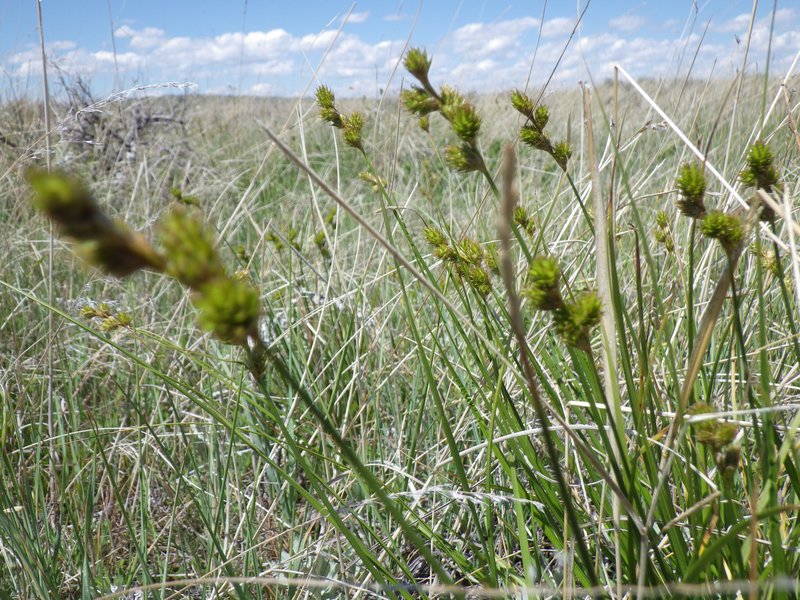
- Prefers open, sunny areas in prairies and meadows
Propagation & Germination
- Stratification:
- Cold/moist stratification required — 30–60 days
- Germination Time:
- 14–30 days
- Notes:
- Seeds benefit from cold moist stratification for 30-60 days to break dormancy.
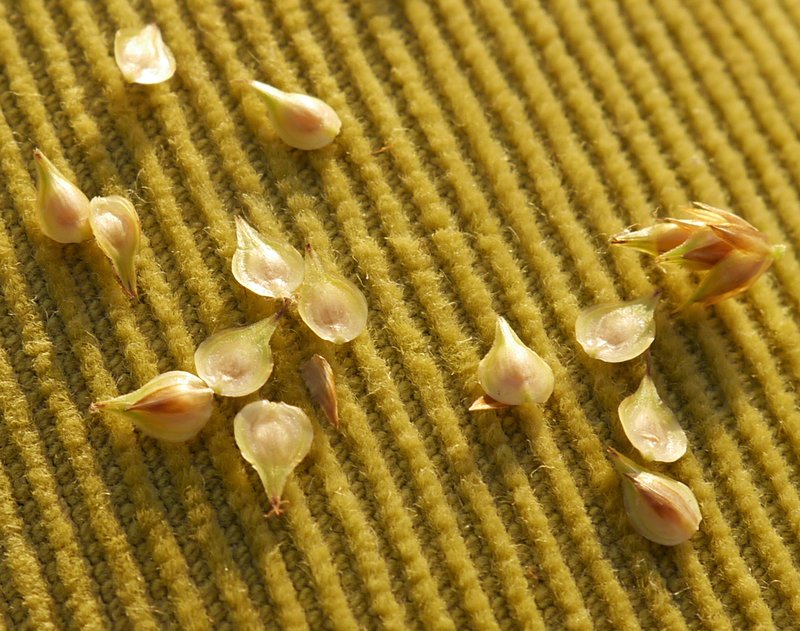
Pre-treatment: Perigynia will germinate fresh, but germination improves after a period of cold, moist stratification (40 F in moist sand for 10 days up to 4 weeks).
Establishment: Seeds are hand-harvested from native remnant prairies from late June through early July. The plant is broadly distributed across the U.S. east of the Rocky Mts to New England, south to Texas; excluding the Southeastern U.S.
Source: npn.rngr.net
Where to Buy
Nationwide Seller
- Pizzo Native Plant Nursery (wholesale nursery)
- Native Plants Nursery (nursery)
- Prairie Moon Nursery (nursery and seeds)