
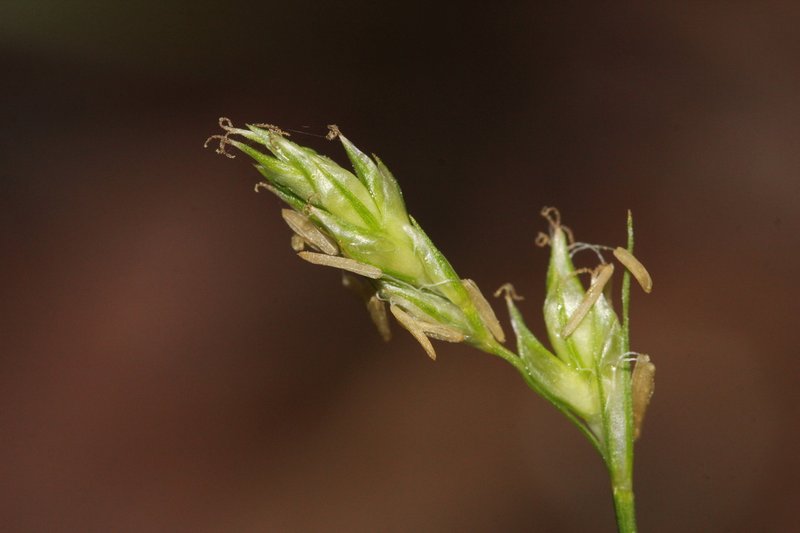
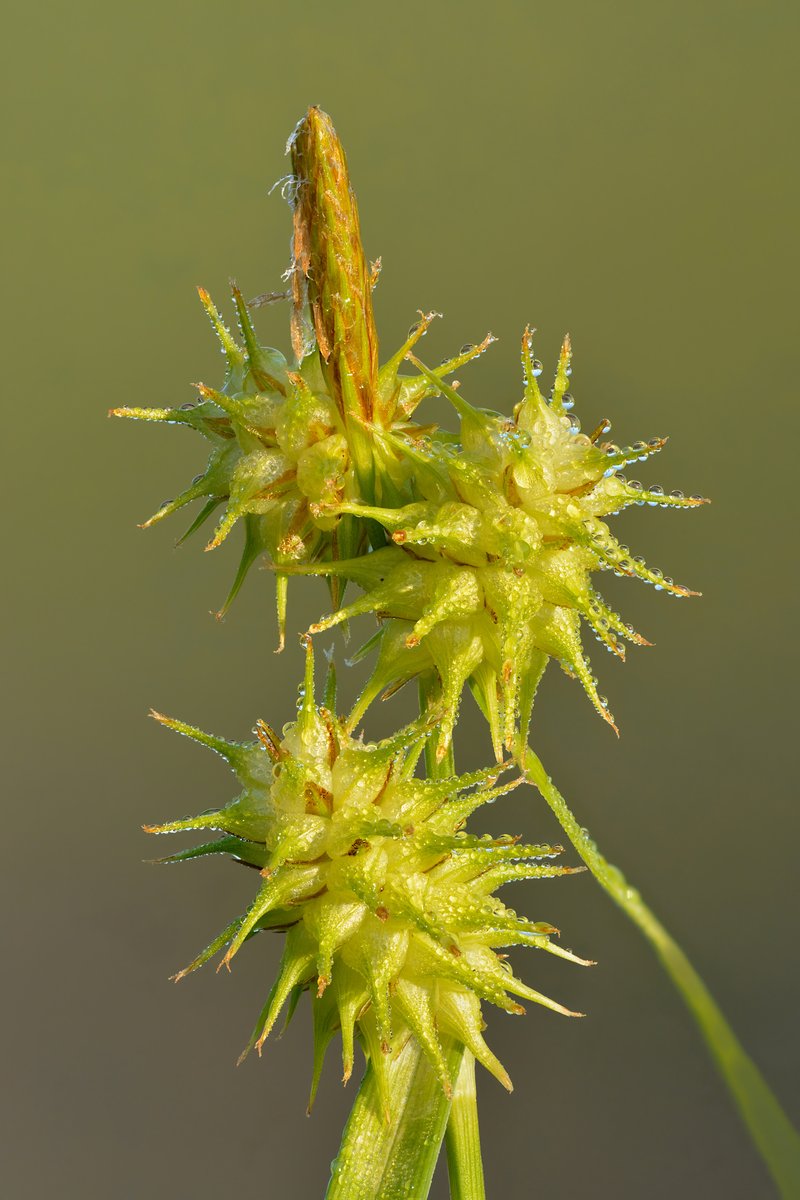
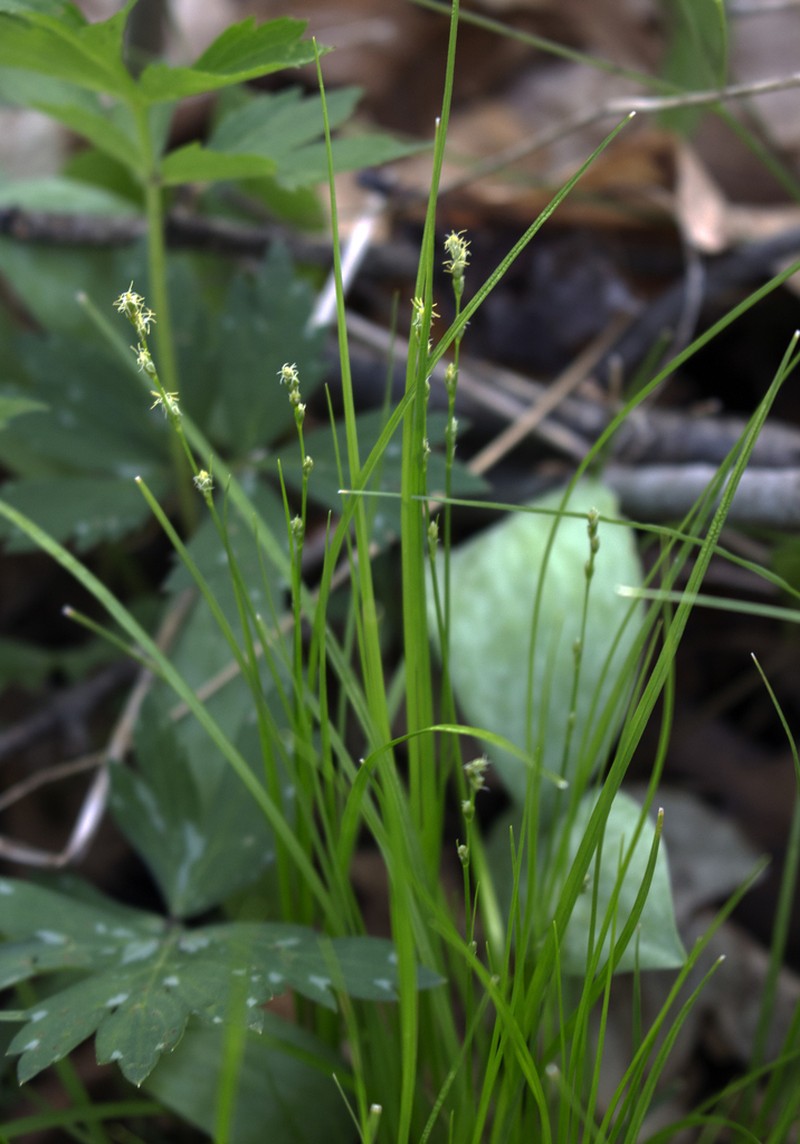
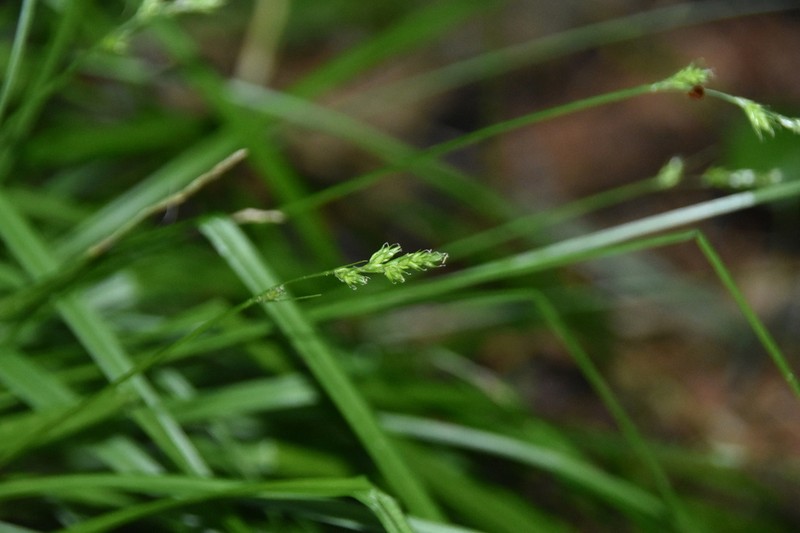
Dewey Sedge
Carex deweyana
- Native to:
- Canada, Labrador, Prince Edward I., United States
birds_bugs_botany
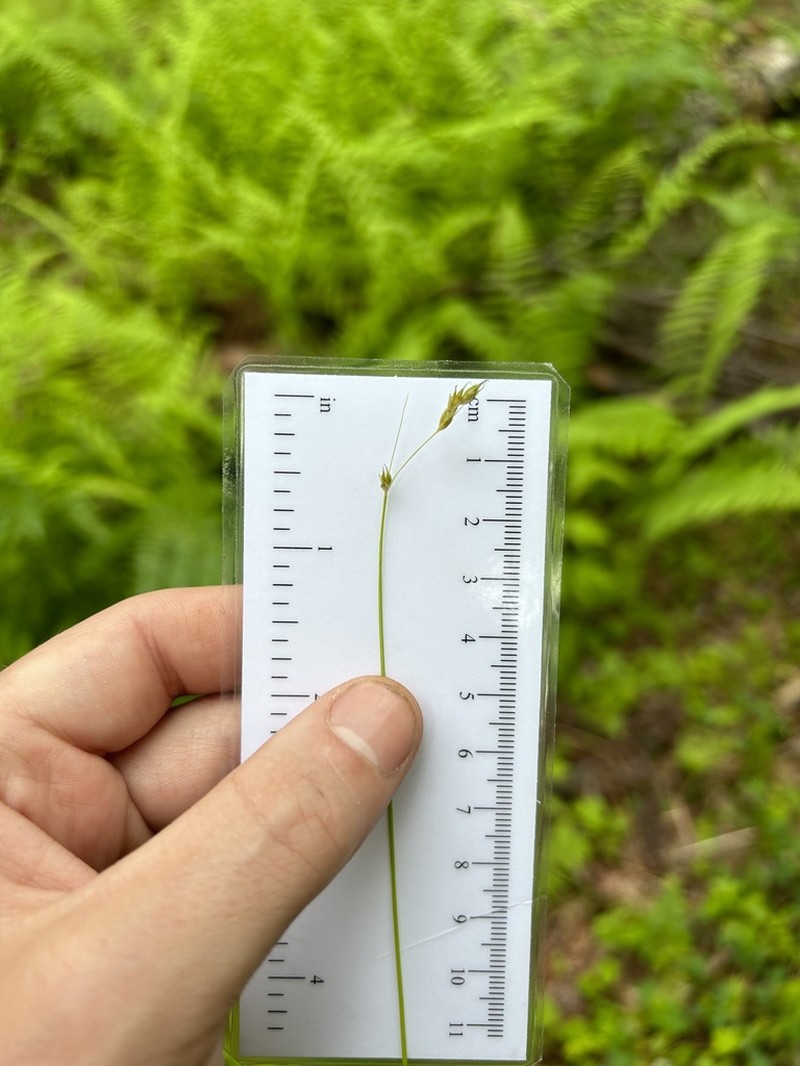
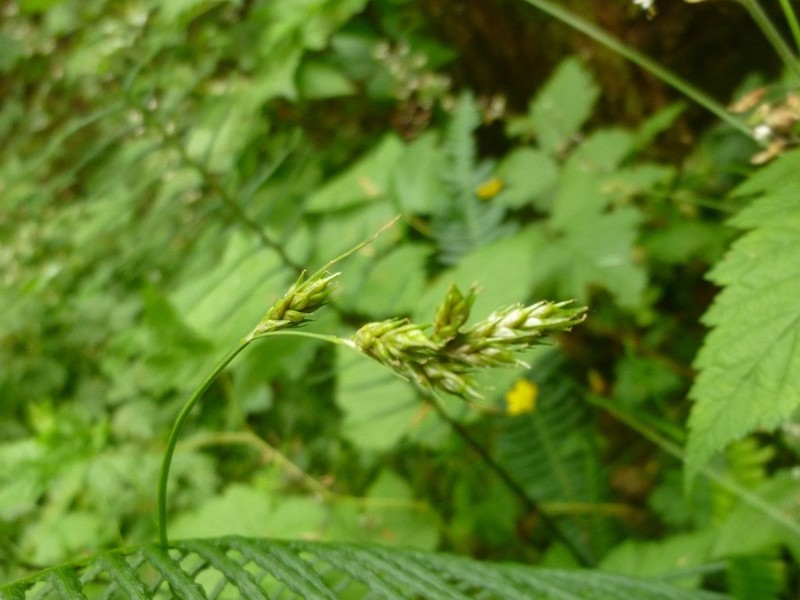
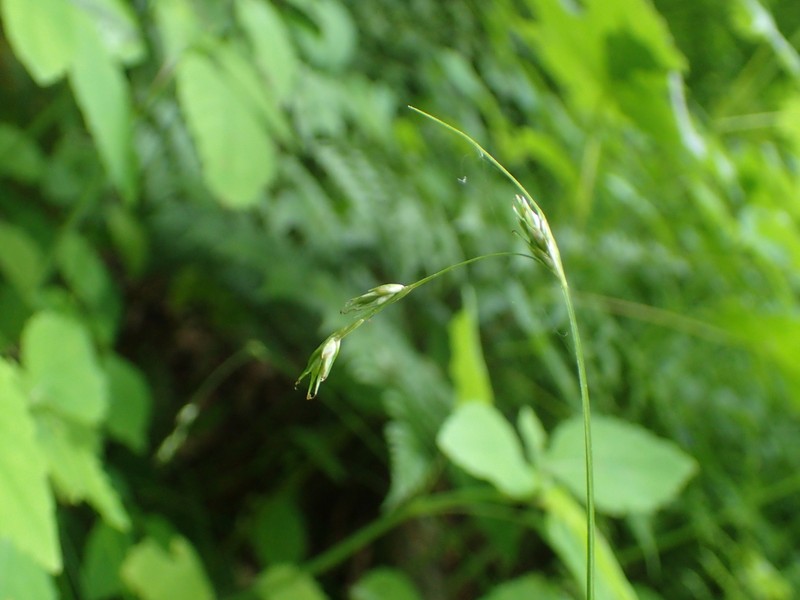
Taxonomy
- Division:
- Magnoliophyta | - Flowering plants
- Family:
- Cyperaceae
- Genus:
- Carex
- Species:
- Carex deweyana
- USDA Symbol:
- CADE9
Growth Characteristics
- Life Cycle:
- Perennial
- Growth Habit:
- Graminoid
- Height:
- 90 cm
- Light Requirements:
- Part Shade
- Drought Tolerance:
- Low
- Bloom Months:
- may,jun,jul
Garden & Ecology Notes
- Wildlife Value:
- birds, small mammals
Soil Requirements
- Soil Type:
- rich, well-drained loamy soil
- pH:
- 5.5 - 7.0 (slightly acidic to neutral)
- Drainage:
- tolerates poor drainage
- Moisture:
- consistently moist
- Notes:
- commonly found in woodland and forested areas
Propagation & Germination
- Stratification:
- Cold/moist stratification required — 60–90 days
- Germination Time:
- 14–30 days
- Notes:
- Seeds benefit from cold moist stratification for 60-90 days to break dormancy.
Pre-treatment: Seeds are sown into cone-tainers filled with Sunshine # 1, a soil-less peat-based media amended with micro-nutrients (Micromax) and a slow-release fertilizer (Osmocote 14-14-14). A minimum of 30 day cold, moist stratification is also recommended.
Establishment: Seeds are collected in late August when perigynia turn tan and are easily stripped from the inflorescence. C. deweyana grows in moist forest openings and streambanks, from near sea level to near tree line, widespread throughout North America and eastern Asia.
Source: npn.rngr.net