
Lesser Panicled Sedge
Carex diandra
- Native to:
- Austria, Baltic States, Belarus, Belgium, Canada, China, Czechia-Slovakia, Denmark, Finland, France, Germany, Great Britain, Hungary, Iceland, India, Iran, Ireland, Italy, Japan, Kazakhstan, Kirgizstan, Kuril Is., Labrador, Netherlands, New Zealand, North Caucasus, Norway, NW. Balkan Pen., Poland, Prince Edward I., Romania, Russia, Spain, Sweden, Switzerland, Transcaucasus, Türkiye, Turkmenistan, Ukraine, United States, Uzbekistan
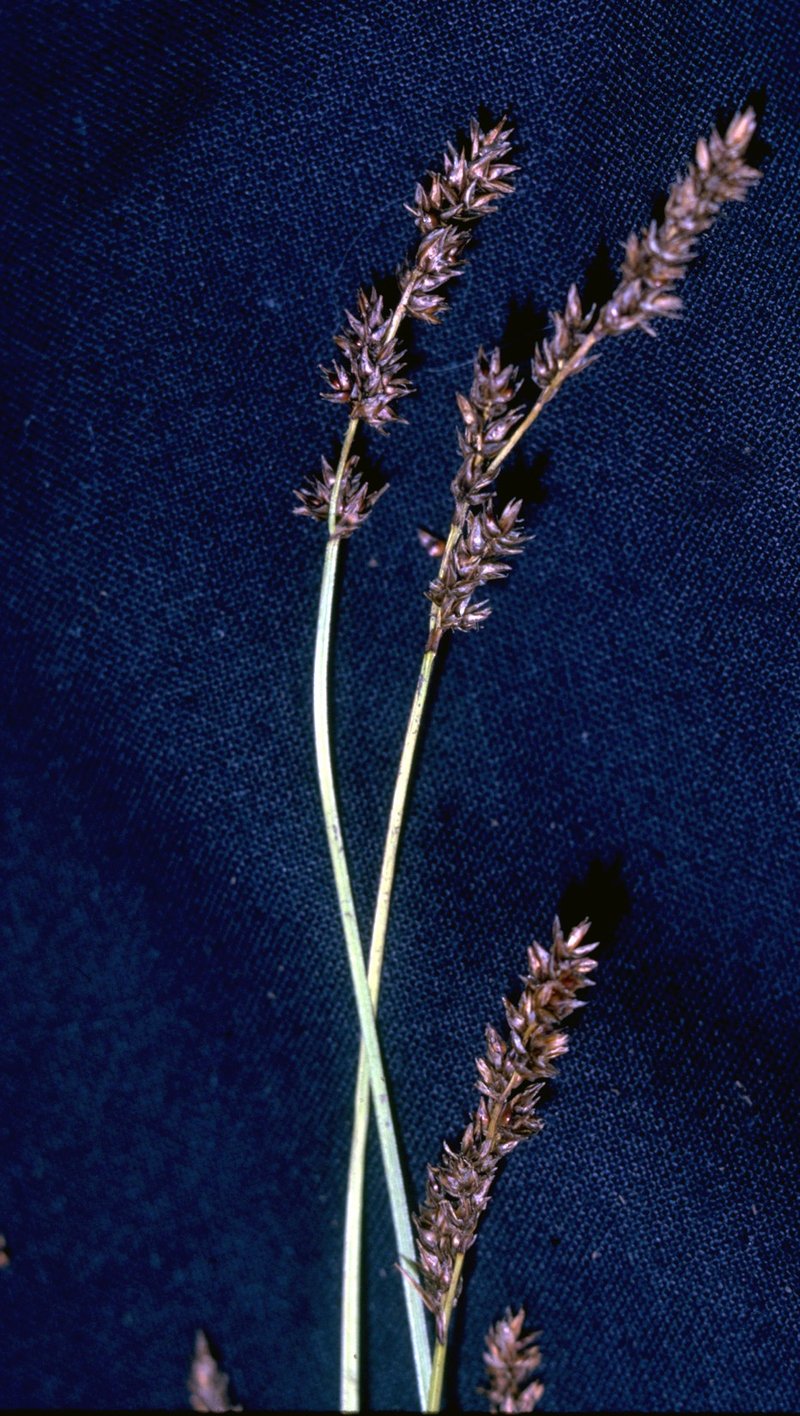
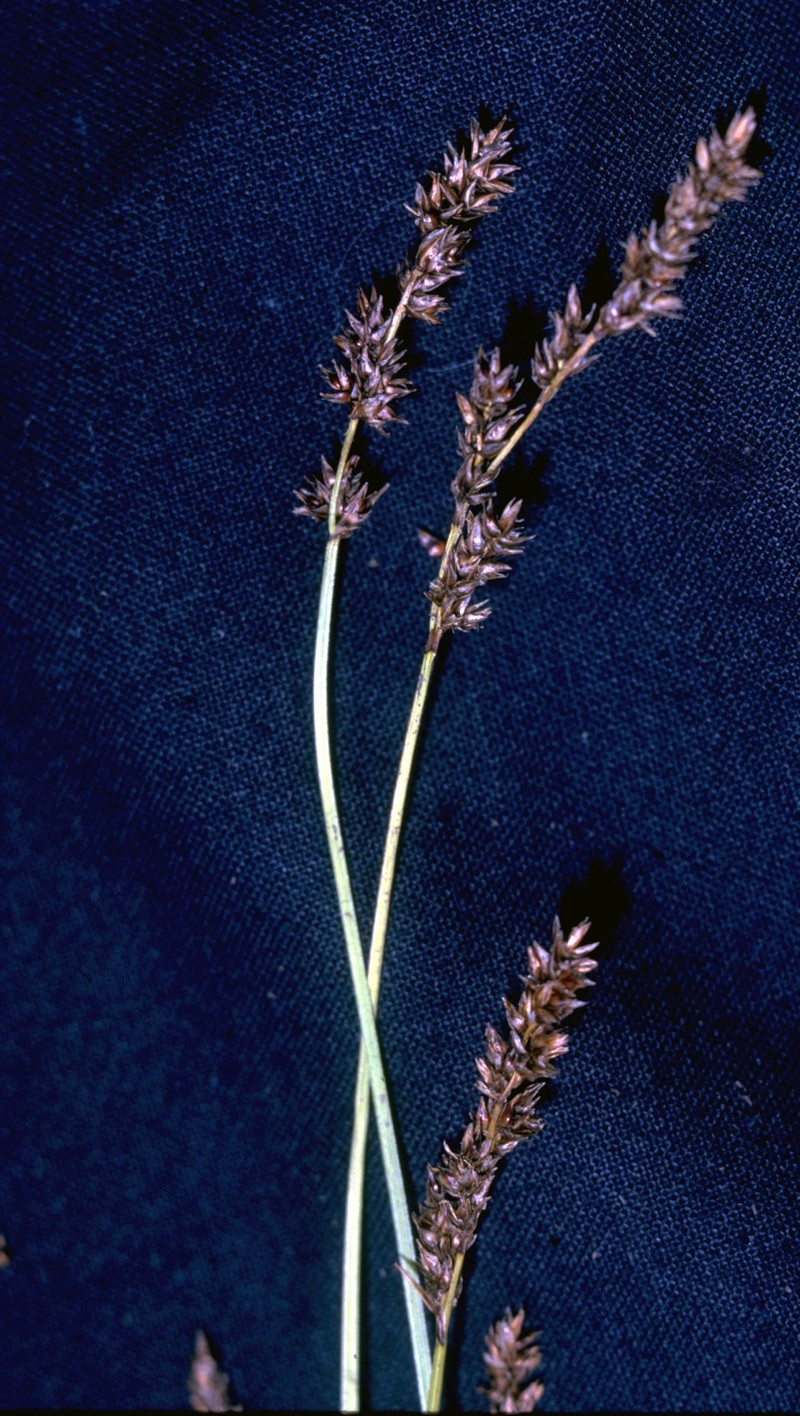
Robert H. Mohlenbrock. USDA NRCS, 1992, Western wetland flora: Field office guide to plant species. Provided by USDA NRCS Wetland Science Institute (WSI), Sacramento
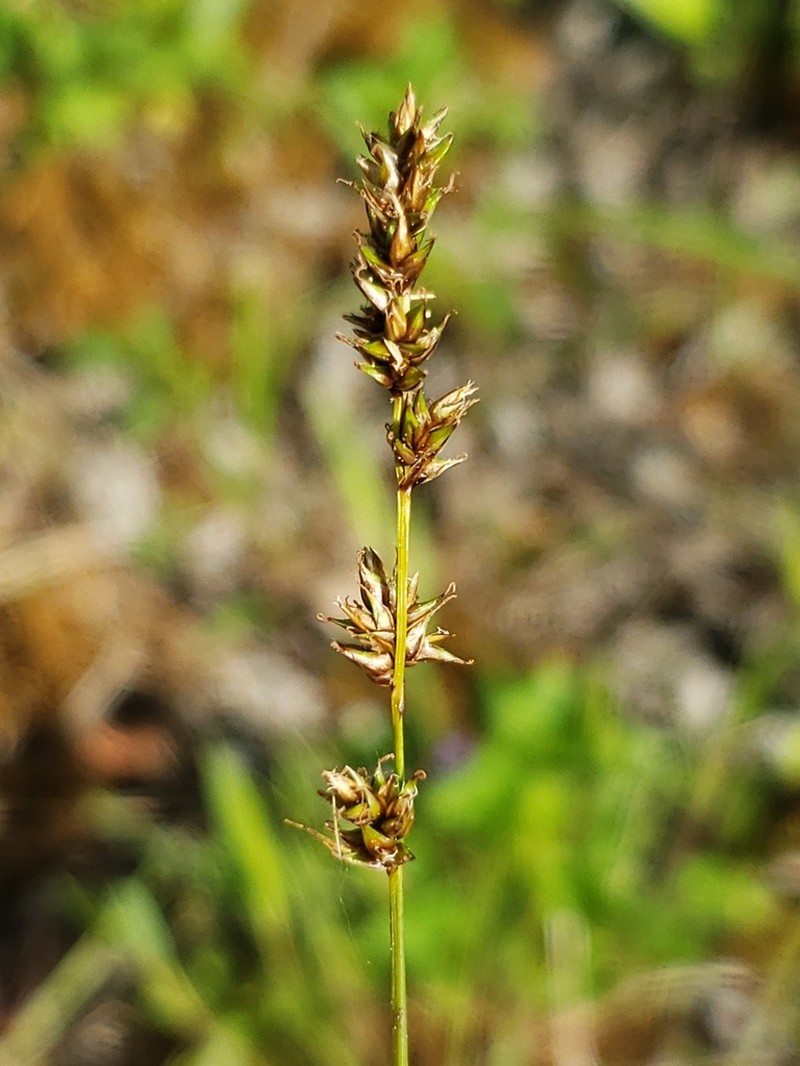
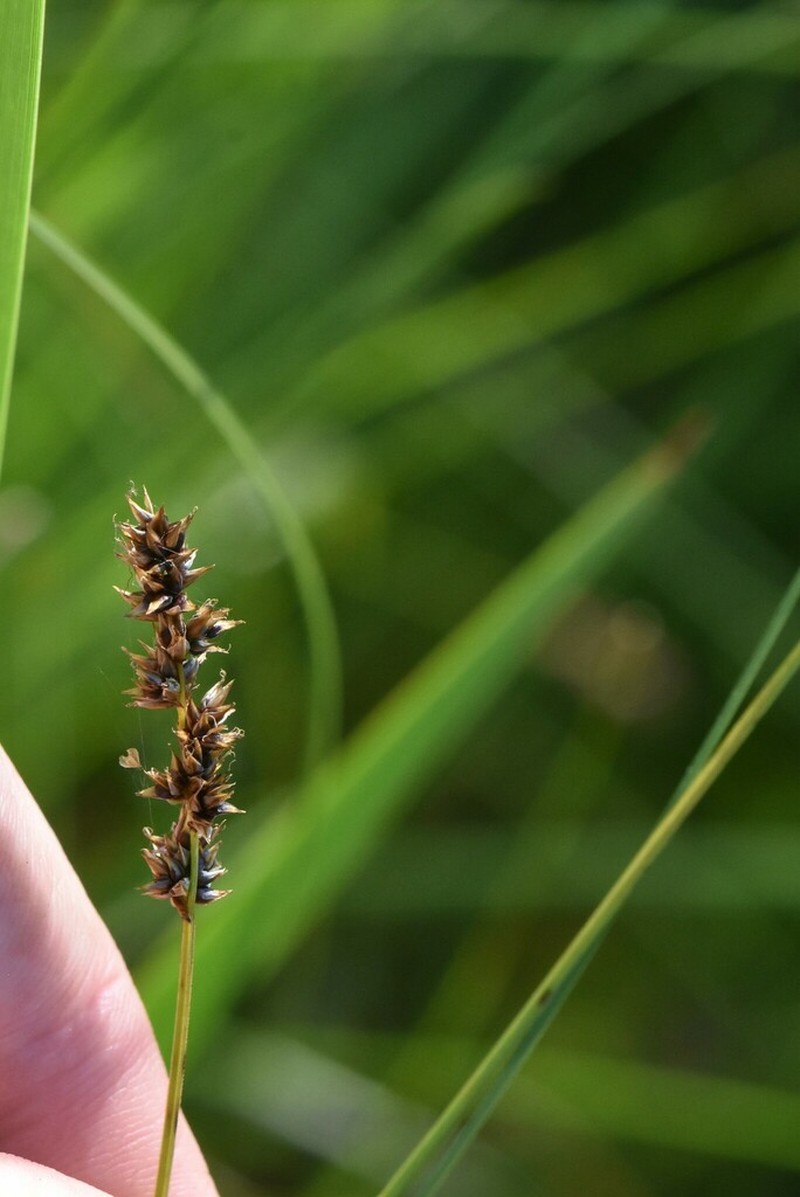
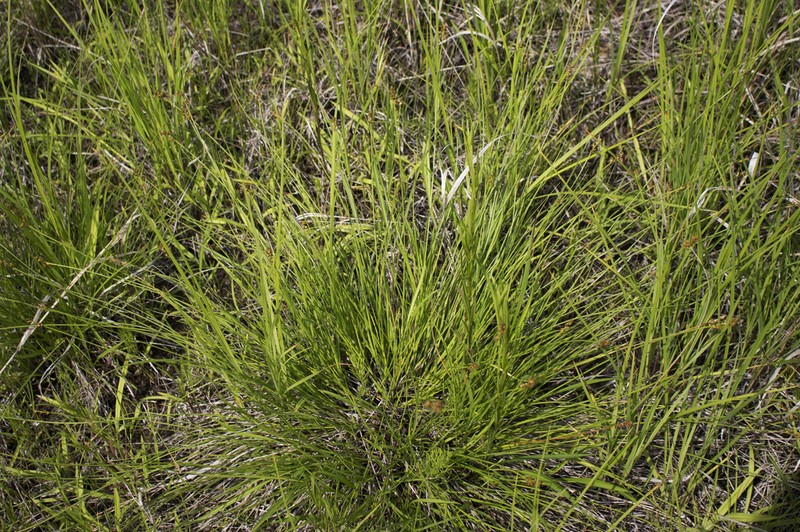
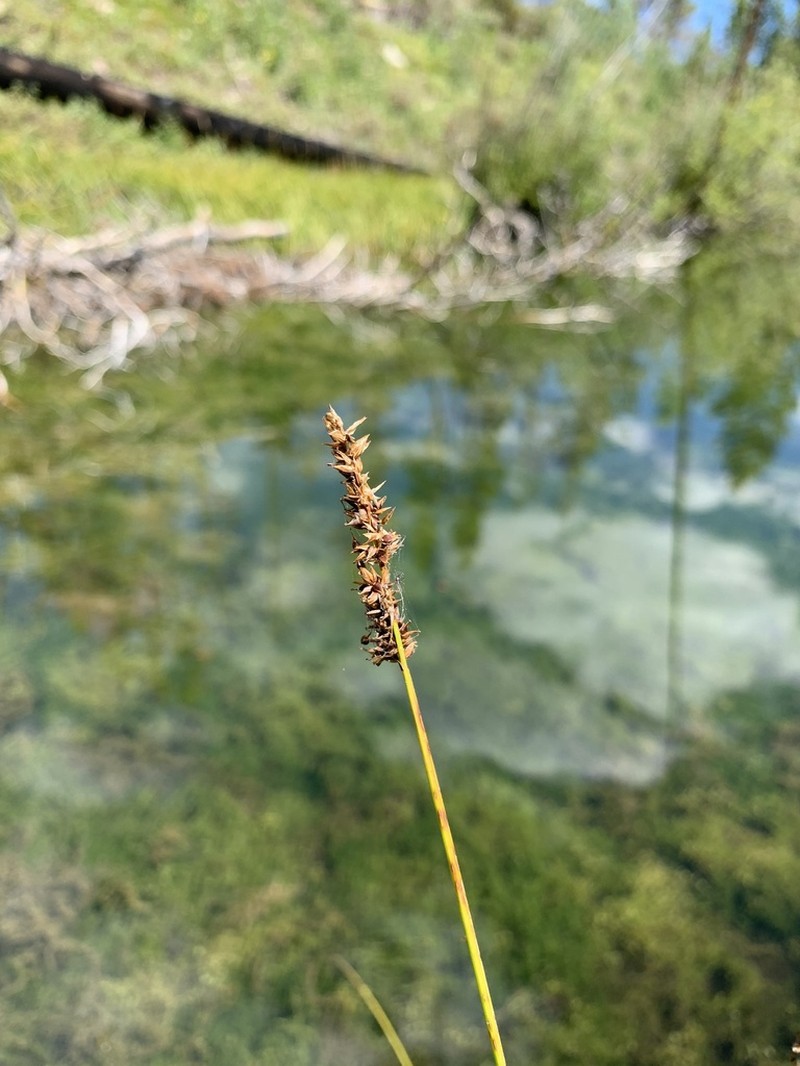
Taxonomy
- Division:
- Magnoliophyta | - Flowering plants
- Family:
- Cyperaceae
- Genus:
- Carex
- Species:
- Carex diandra
- USDA Symbol:
- CADI4
Growth Characteristics
- Life Cycle:
- Perennial
- Growth Habit:
- Graminoid
- Height:
- 90 cm
- Light Requirements:
- Full Sun,Part Shade,Shade
- Drought Tolerance:
- Low
- Bloom Months:
- may,jun,jul
- Bloom Colors:
- brown, green
Garden & Ecology Notes
- Wildlife Value:
- birds, small mammals
Soil Requirements
- Soil Type:
- rich, organic, moisture-retentive soil
- pH:
- 5.5 - 7.0 (slightly acidic to neutral)
- Drainage:
- tolerates poor drainage
- Moisture:
- consistently moist
- Notes:
- Commonly found in wetlands and marshes
Propagation & Germination
- Stratification:
- Cold/moist stratification required — 30–60 days
- Germination Time:
- 14–30 days
- Notes:
- Seeds benefit from cold, moist stratification for 1-2 months to break dormancy.
Where to Buy
Nationwide Seller
- Prairie Moon Nursery (nursery and seeds)