
Shorthair Sedge
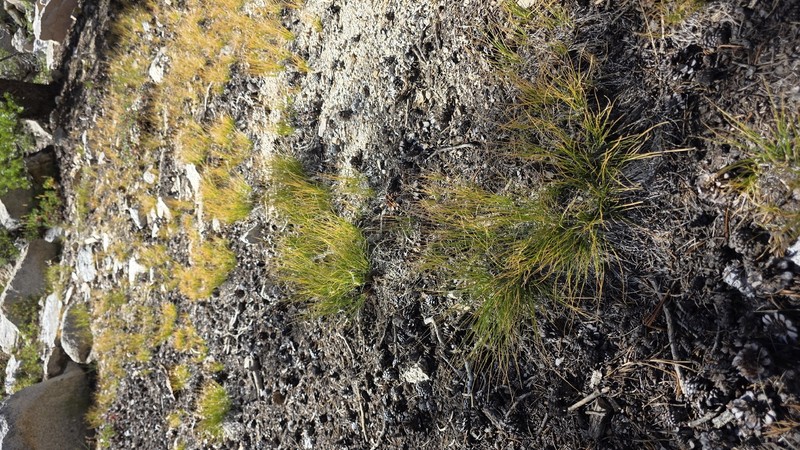
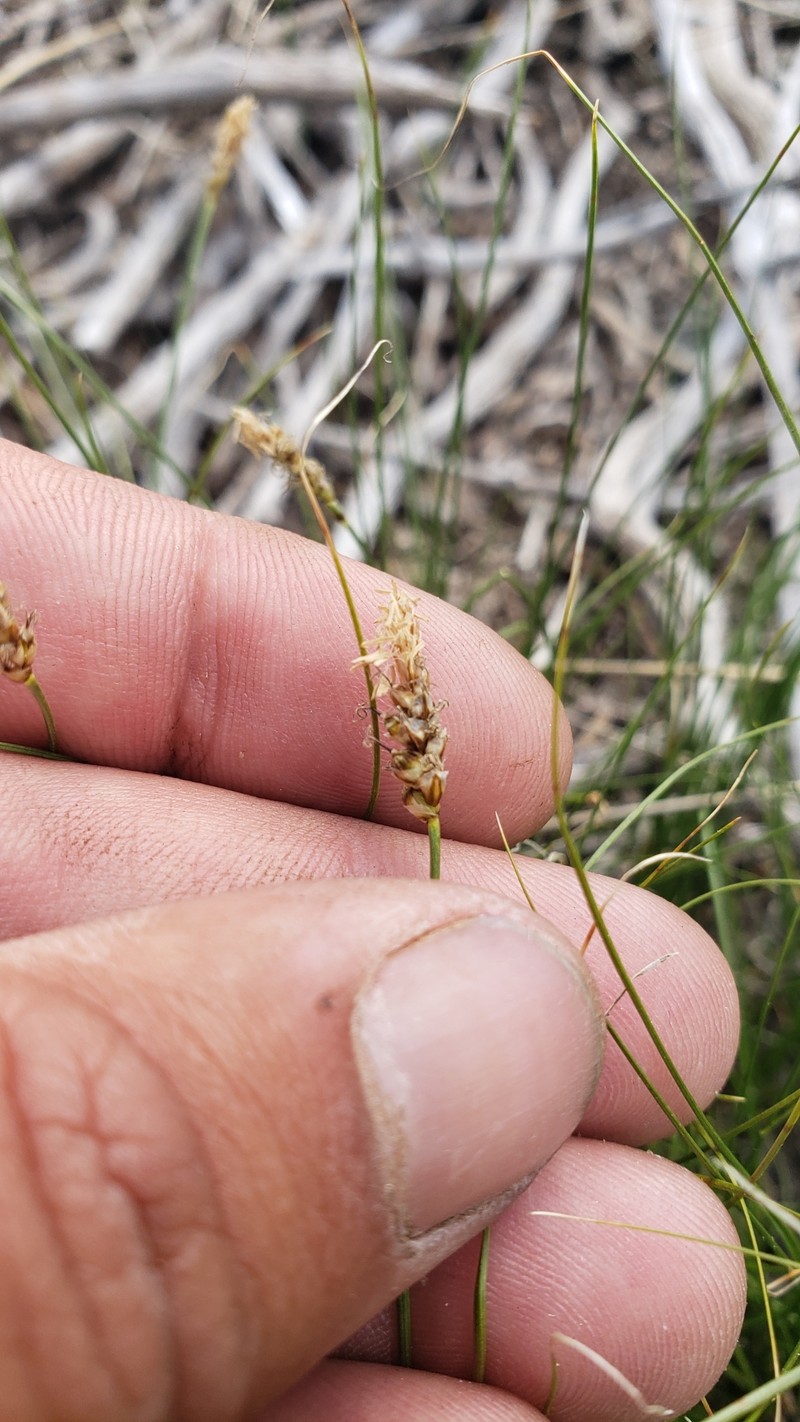
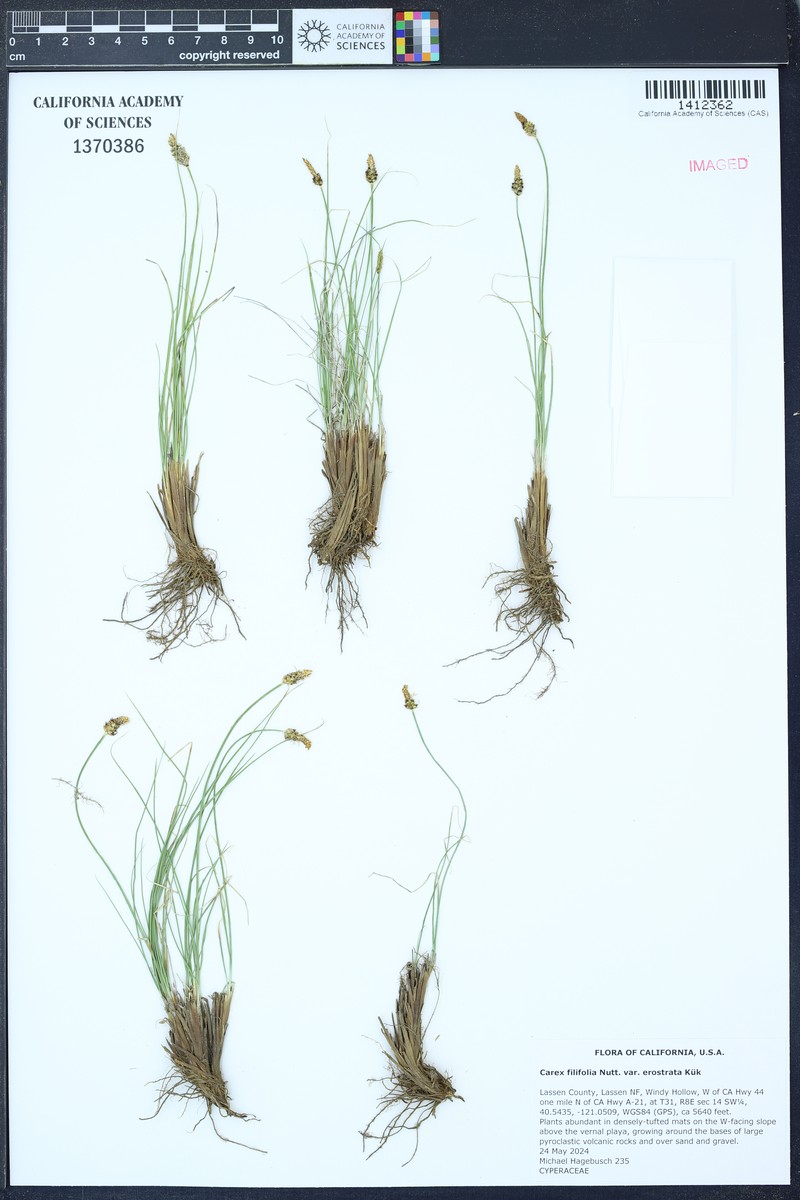
Carex filifolia var. erostrata
- Native to:
- United States
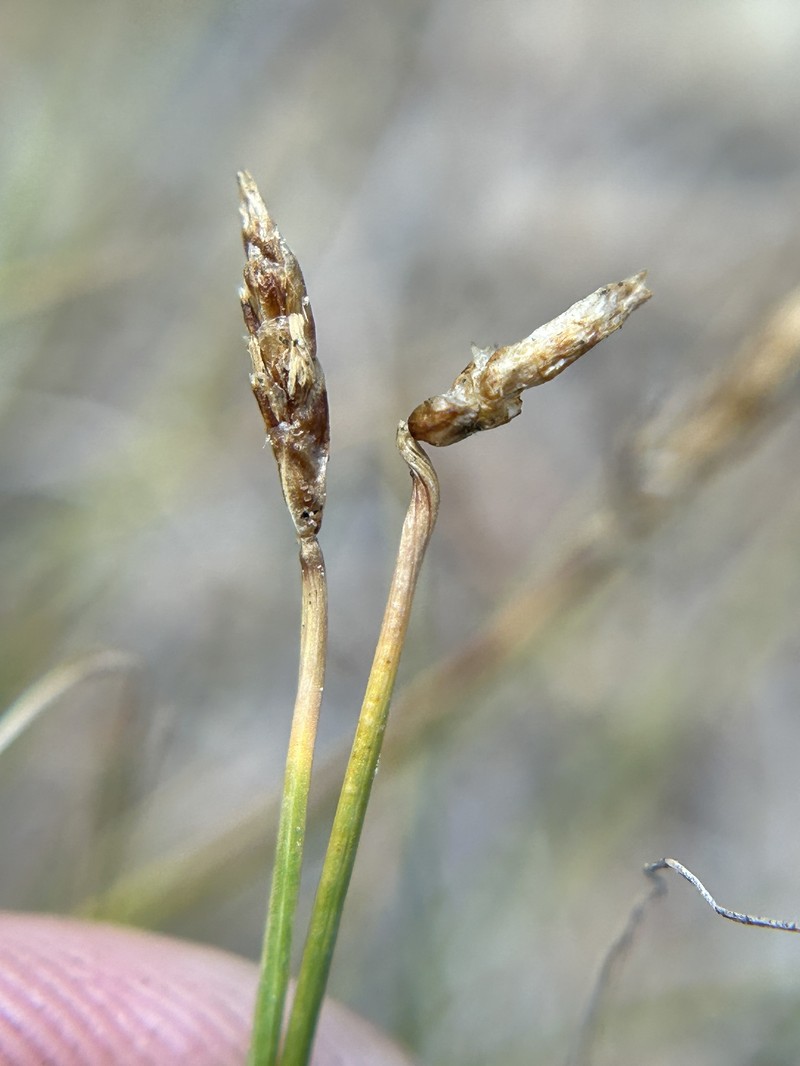
GBIF: Alex Heyman
Taxonomy
- Division:
- Magnoliophyta | - Flowering plants
- Family:
- Cyperaceae
- Genus:
- Carex
- Species:
- Carex filifolia var. erostrata
- USDA Symbol:
- CAEX4
Growth Characteristics
- Life Cycle:
- Perennial
- Growth Habit:
- Graminoid
- Height:
- 30 cm
- Light Requirements:
- Full Sun
- Drought Tolerance:
- High
- Bloom Months:
- apr,may,jun
- Ground Cover:
- Yes
Wildlife Benefits
- Caterpillars:
- ★☆☆☆☆ Recorded caterpillar host plant (HOSTS Database)
Host Plant for Caterpillars
Kellogg's Oncocnemis (Oncocnemis kelloggii), Syngrapha hochenwarthi
Garden & Ecology Notes
- Wildlife Value:
- birds, small mammals
- Deer Resistant:
- Yes
- Fire Ecology:
- Fire adapted — tolerates or benefits from fire
- Fire Notes:
- Resprouts from base after fire; common in fire-maintained grasslands and dry prairies.
Soil Requirements
- Soil Type:
- sandy, well-drained, nutrient-poor soil
- pH:
- 6.0 - 7.5 (neutral to slightly alkaline)
- Drainage:
- excellent drainage required
- Moisture:
- dry to moderate
- Notes:
- native to dry grasslands and prairies
Propagation & Germination
- Stratification:
- Cold/moist stratification required — 30–60 days
- Germination Time:
- 14–30 days
- Notes:
- Cool temperatures and moist conditions improve germination rates.
Pre-treatment: Divisions were placed into Vitamin B-1 solution for 15 minutes to help prevent transplant shock.
Establishment: This protocol was for a container (plug) product type and the propagation material was collected in the Yosemite National Park. The plant is generally distributed in meadows at 7,000-10,000 feet elevation.
Source: npn.rngr.net