
Hood's Sedge
Carex hoodii
- Native to:
- Canada, United States
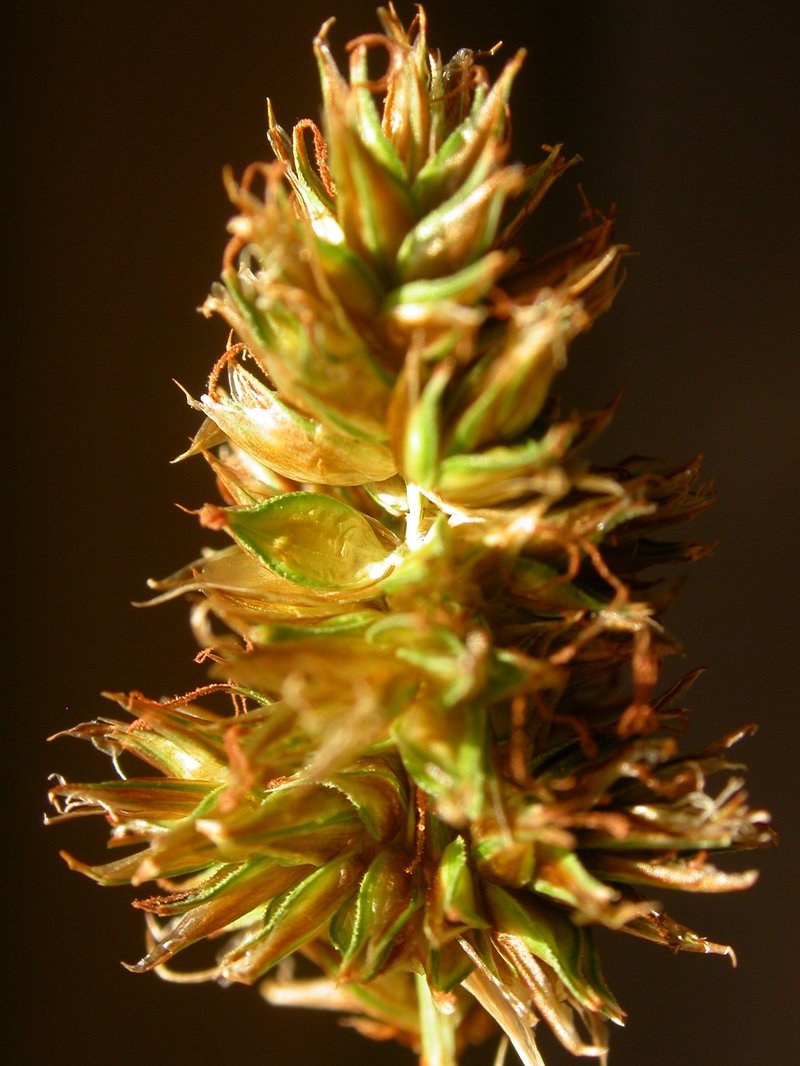
Matt Lavin (www.flickr.com)
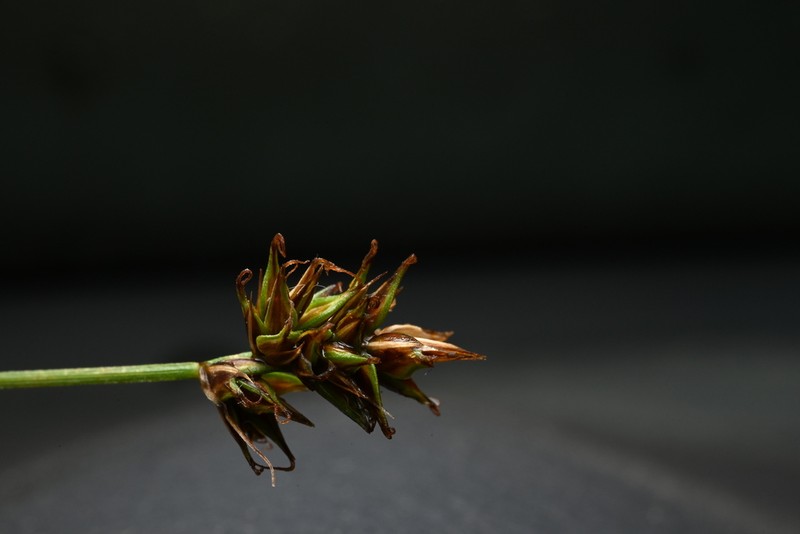
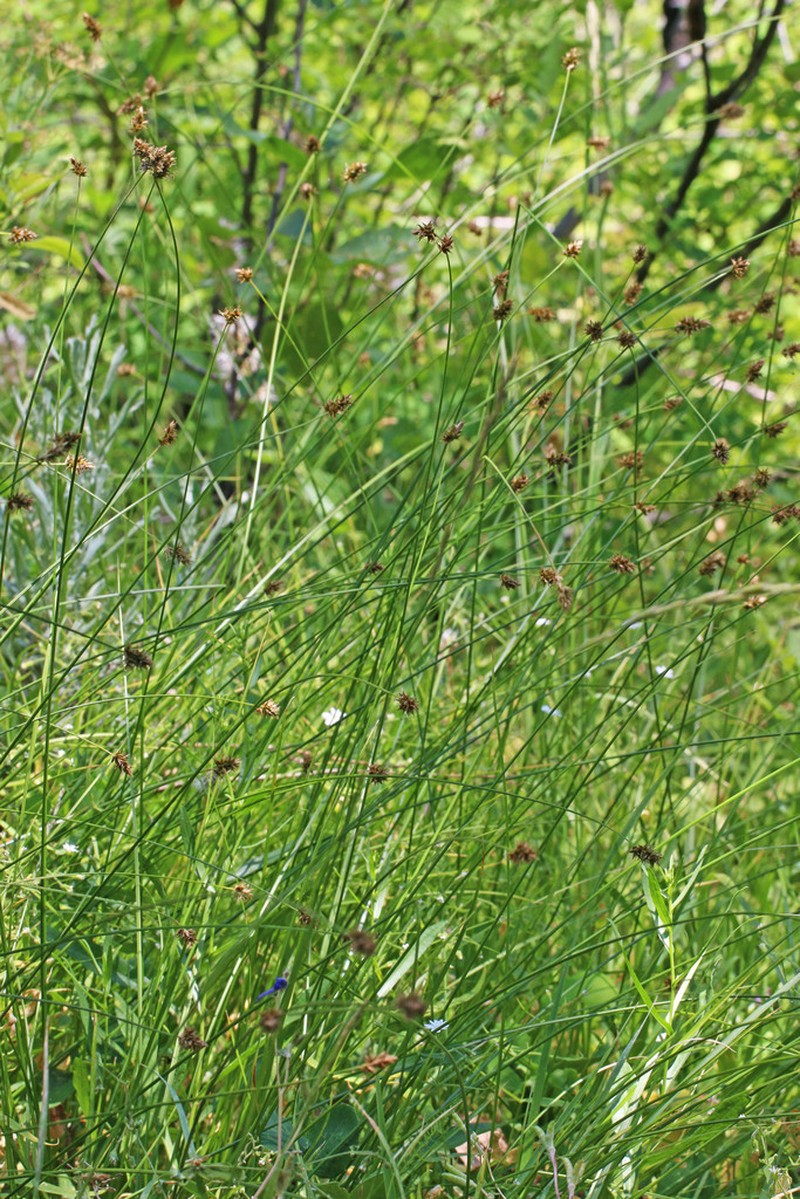
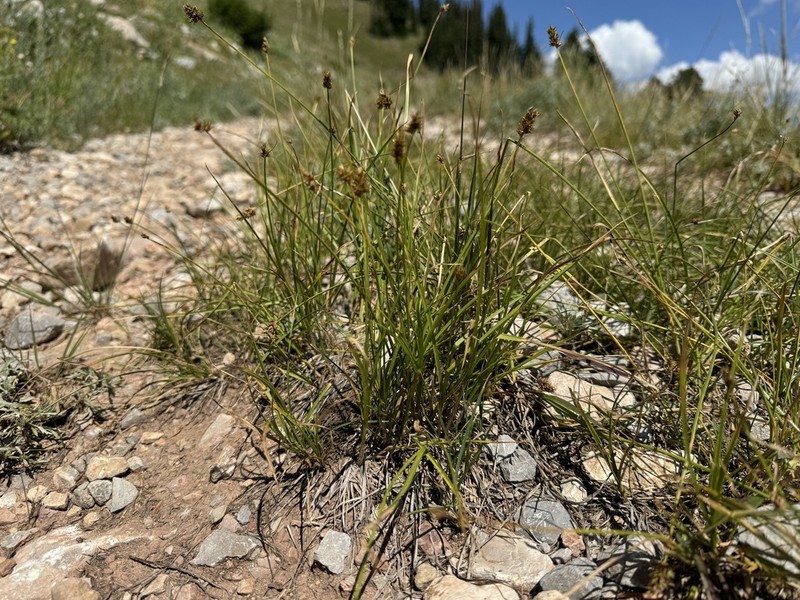
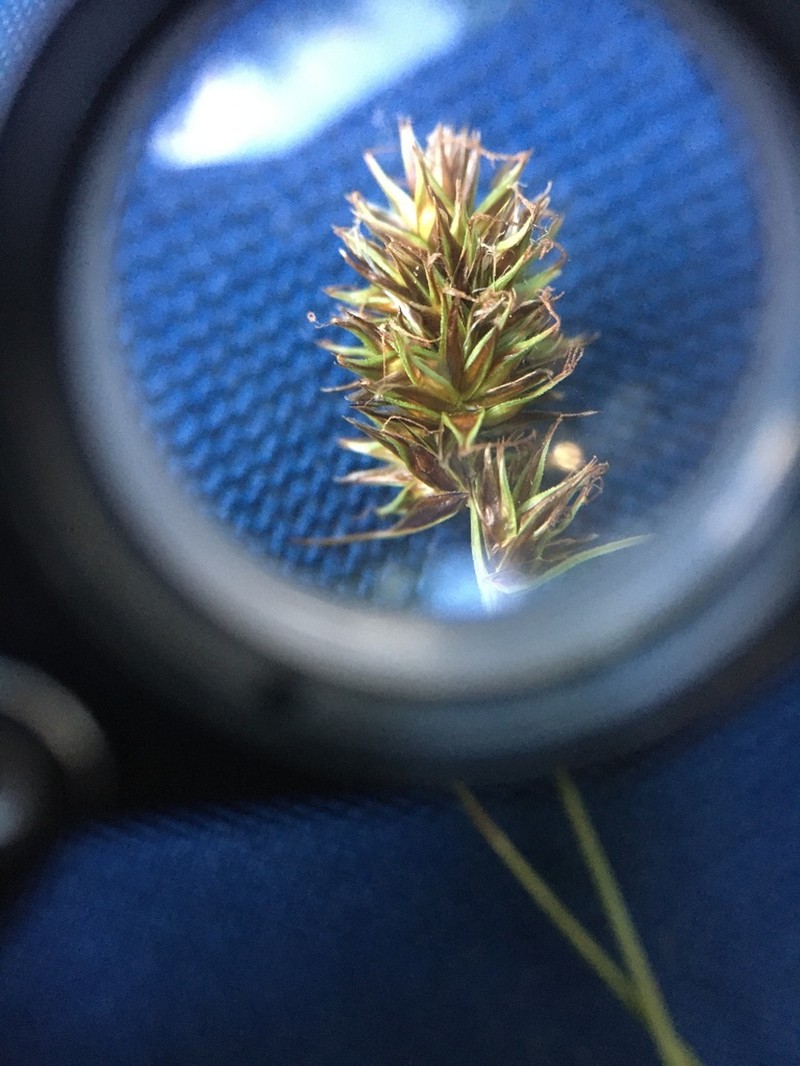
Taxonomy
- Division:
- Magnoliophyta | - Flowering plants
- Family:
- Cyperaceae
- Genus:
- Carex
- Species:
- Carex hoodii
- USDA Symbol:
- CAHO5
Growth Characteristics
- Life Cycle:
- Perennial
- Growth Habit:
- Graminoid
- Height:
- 90 cm
- Light Requirements:
- Full Sun
- Drought Tolerance:
- Medium
- Bloom Months:
- may,jun,jul
- Bloom Colors:
- greenish
Garden & Ecology Notes
- Wildlife Value:
- birds, small mammals
Soil Requirements
- Soil Type:
- moist, well-drained loamy or sandy soil
- pH:
- 5.5 - 7.5 (slightly acidic to neutral)
- Drainage:
- tolerates poor drainage
- Moisture:
- consistently moist
- Notes:
- commonly found in meadows and open woods
Propagation & Germination
- Stratification:
- Cold/moist stratification required — 30–60 days
- Germination Time:
- 14–30 days
- Notes:
- Seeds benefit from cold moist stratification for 30-60 days to break dormancy.
Pre-treatment: Seeds are placed in cold moist stratification for 90-112 days. They can be placed in finely woven mesh bags and then into gallon freezer bags filled with wet soil mix. Alternatively, a 5 month outdoor cold-moist stratification can be used.
Establishment: C. hoodii is a western North American species, found from the Rocky Mountain states west, from lowlands to the subalpine zone. Mature inflorescences are cut with scissors and kept in paper bags in drying shed prior to cleaning. No fertilizer was added to the soil mix in one of the protocols.
Source: npn.rngr.net