
Hairy Sedge
Carex lacustris
- Native to:
- Canada, United States, Virgin Islands
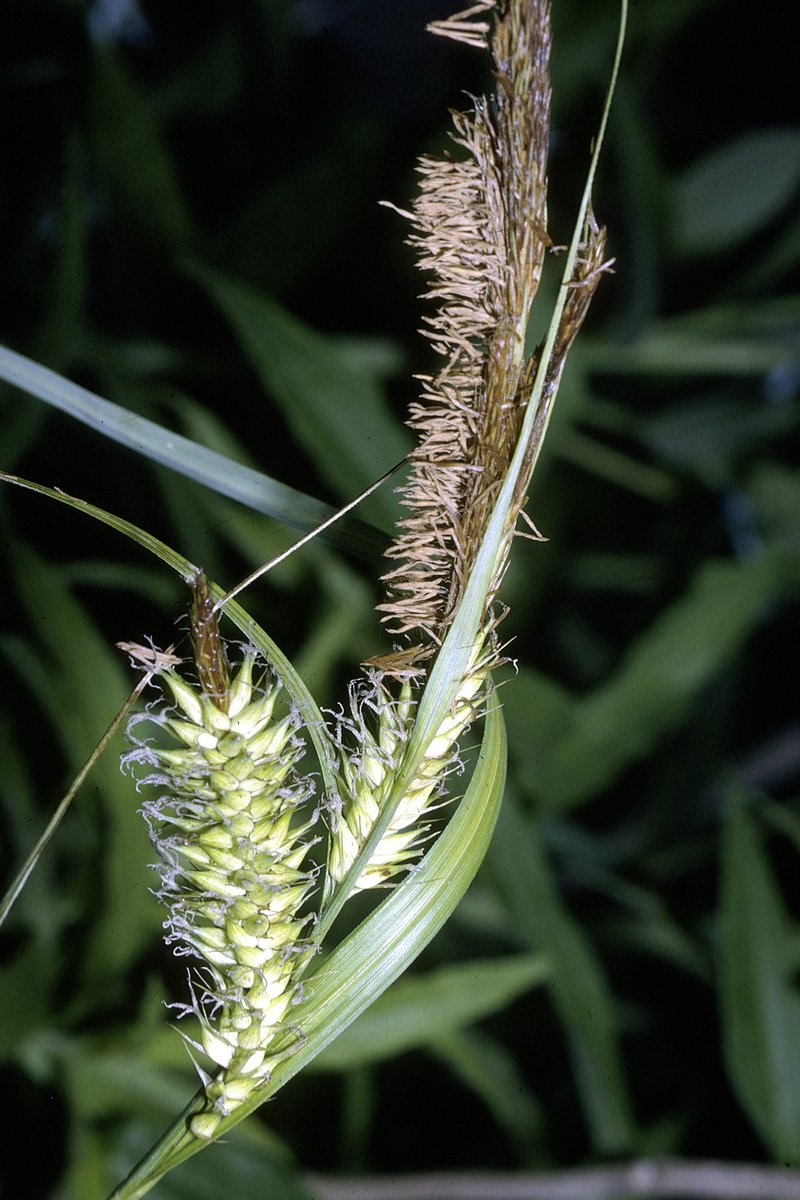
Robert H. Mohlenbrock. USDA NRCS. 1995. Northeast wetland flora: Field office guide to plant species. Northeast National Technical Center, Chester. Courtesy of USDA NRCS Wetland Science Institute.
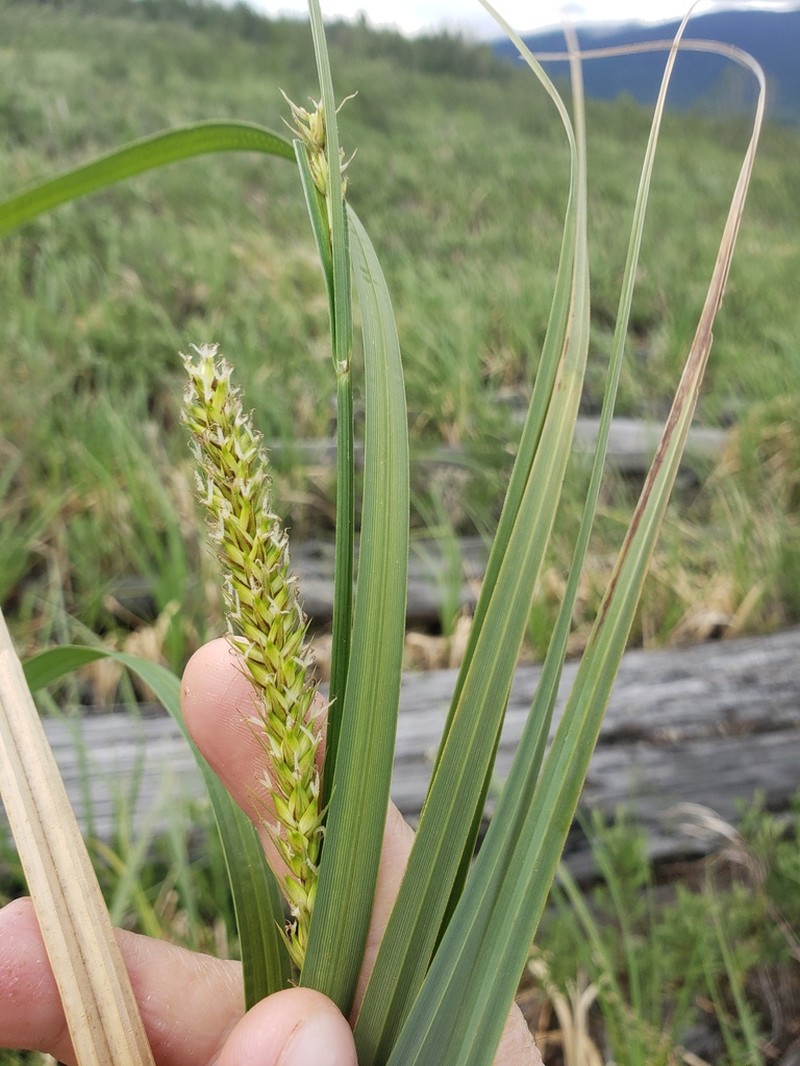
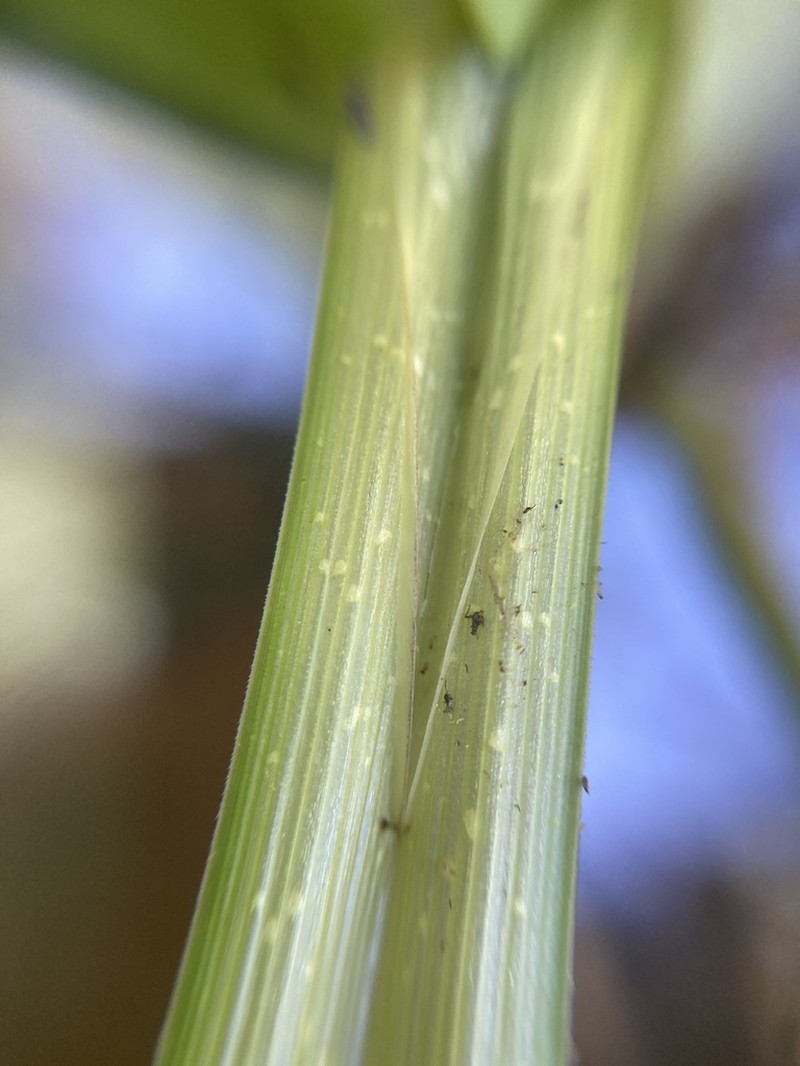
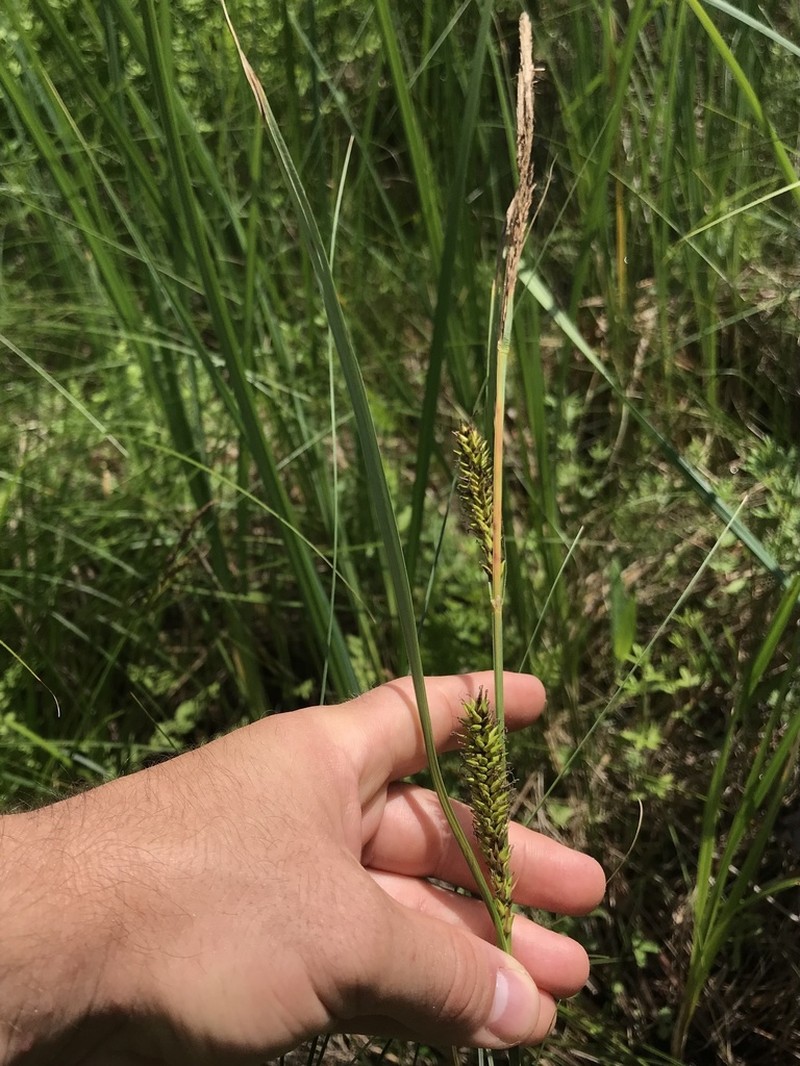
Taxonomy
- Division:
- Magnoliophyta | - Flowering plants
- Family:
- Cyperaceae
- Genus:
- Carex
- Species:
- Carex lacustris
- USDA Symbol:
- CALA16
Growth Characteristics
- Life Cycle:
- Perennial
- Growth Habit:
- Graminoid
- Height:
- 150 cm
- Light Requirements:
- Full Sun,Part Shade,Shade
- Drought Tolerance:
- Low
- Bloom Months:
- may,jun
- Bloom Colors:
- greenish
Wildlife Benefits
- Butterflies & Moths:
- ★☆☆☆☆ Documented Lepidoptera association (GBIF)
- Caterpillars:
- ★★☆☆☆ Recorded caterpillar host plant (HOSTS Database)
Host Plant for Caterpillars
Appalachian brown (Satyrodes appalachia), Broad-winged Skipper (Poanes viator), Dion Skipper (Euphyes dion), Dukes' skipper (Euphyes dukesi), Dun Skipper (Euphyes vestris), Eyed Brown (Satyrodes eurydice)
Garden & Ecology Notes
- Wildlife Value:
- birds, small mammals
Soil Requirements
- Soil Type:
- rich, organic, moisture-retentive soil
- pH:
- 5.5 - 7.5 (slightly acidic to neutral)
- Drainage:
- tolerates poor drainage
- Moisture:
- consistently moist
- Notes:
- Commonly found in wetlands and marshes
Propagation & Germination
- Stratification:
- Cold/moist stratification required — 60–90 days
- Germination Time:
- 14–30 days
- Notes:
- Seeds benefit from cold moist stratification for 60-90 days; germination occurs in spring under moist conditions.
Where to Buy
Nationwide Seller
- Prairie Moon Nursery (nursery and seeds)