
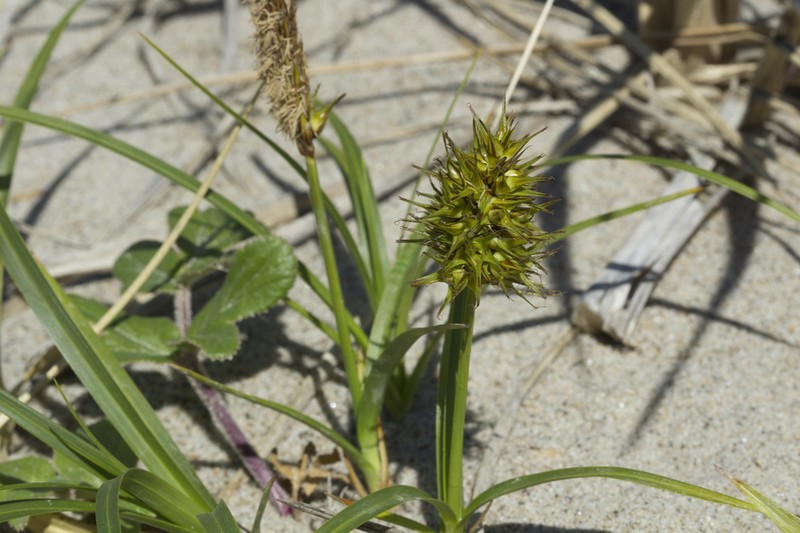
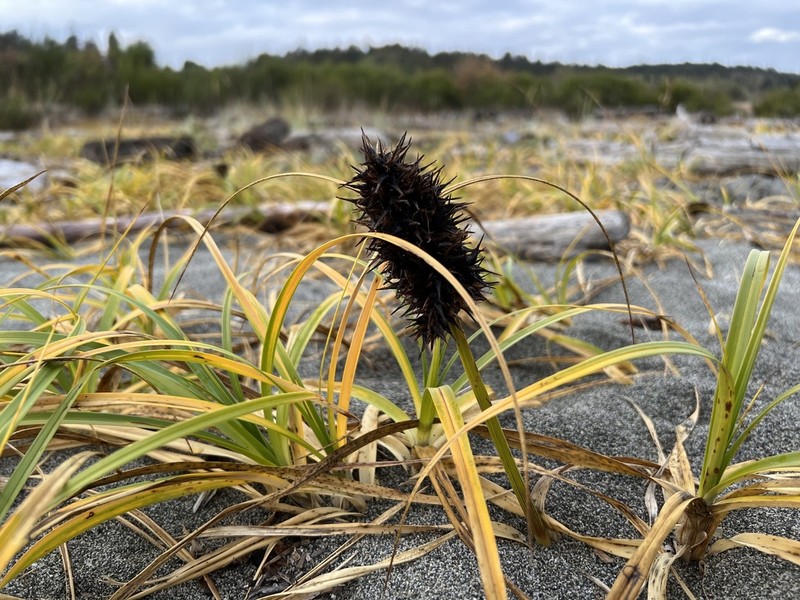
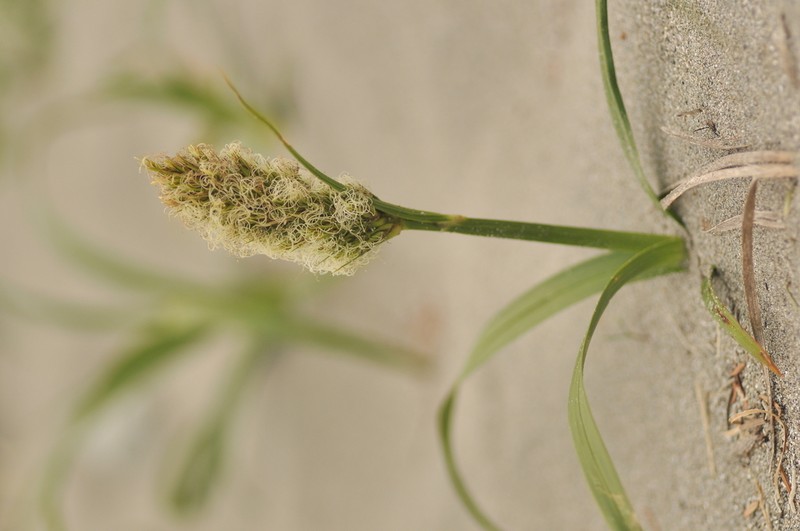
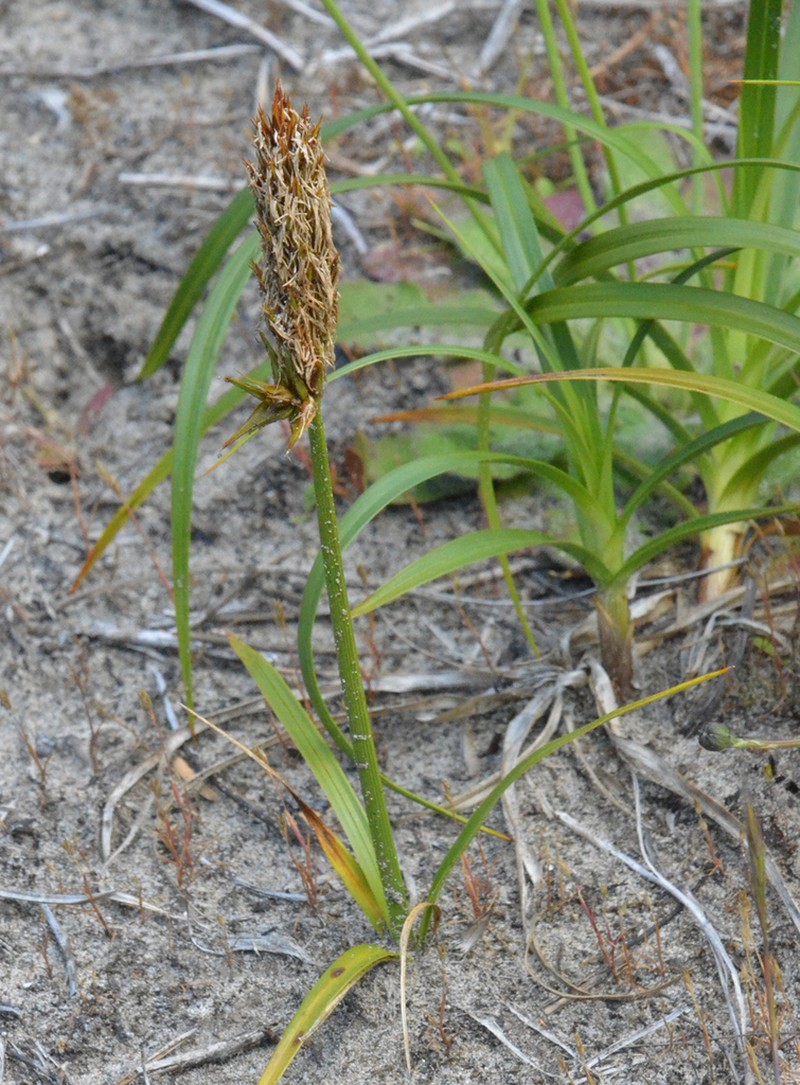
Largehead Sedge
Carex macrocephala
- Native to:
- Canada, Japan, Kuril Is., Russia, United States
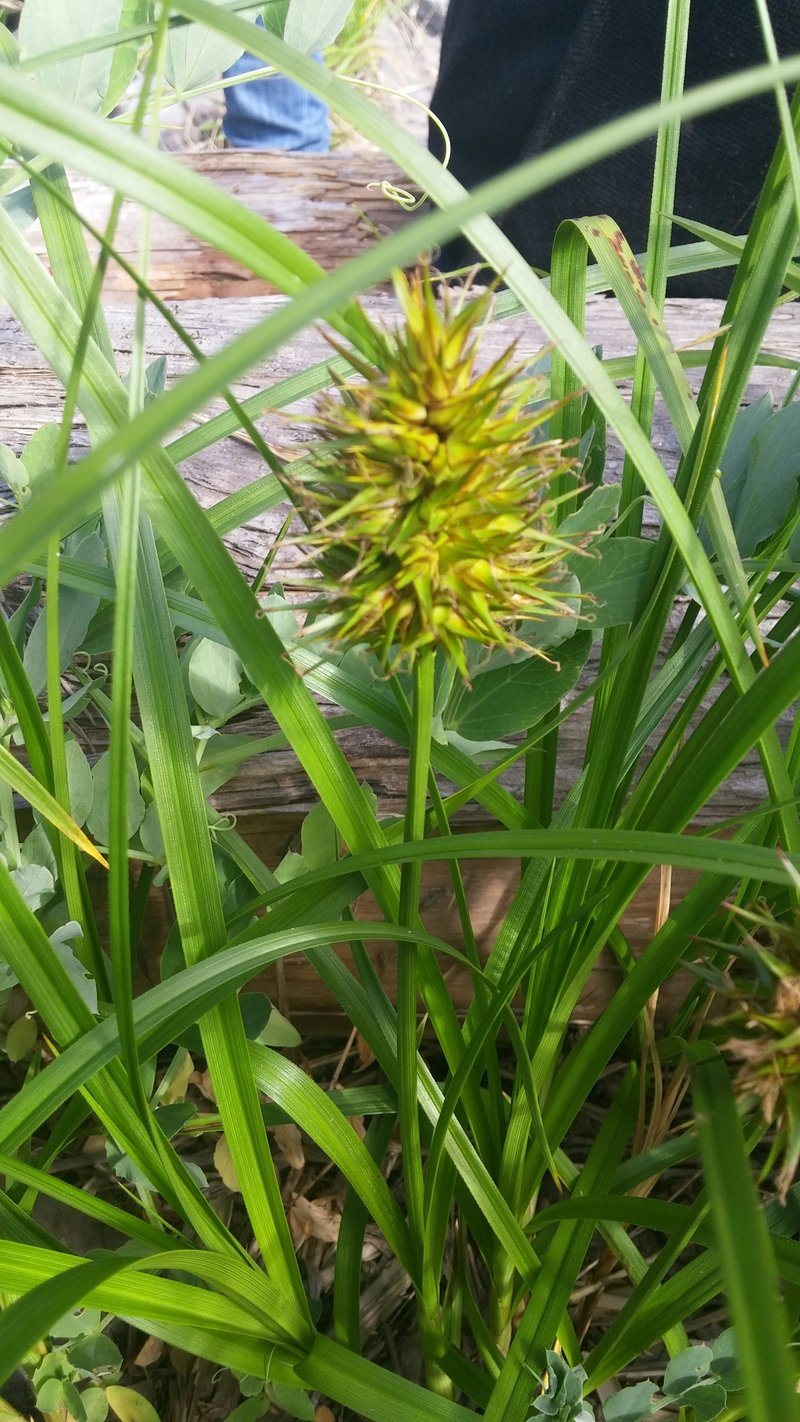
Riley Pollom (www.inaturalist.org)
Taxonomy
- Division:
- Magnoliophyta | - Flowering plants
- Family:
- Cyperaceae
- Genus:
- Carex
- Species:
- Carex macrocephala
- USDA Symbol:
- CAMA10
Growth Characteristics
- Life Cycle:
- Perennial
- Growth Habit:
- Graminoid
- Height:
- 30 cm
- Light Requirements:
- Full Sun
- Drought Tolerance:
- High
- Bloom Months:
- may,jun
- Ground Cover:
- Yes
- Lawn Substitute:
- Yes
Garden & Ecology Notes
- Wildlife Value:
- birds, small mammals
- Deer Resistant:
- Yes
- Salt Tolerant:
- Yes
Soil Requirements
- Soil Type:
- sandy, well-drained, nutrient-poor soil
- pH:
- 5.5 - 7.5 (slightly acidic to neutral)
- Drainage:
- excellent drainage required
- Moisture:
- dry to moderate
- Notes:
- Commonly found in coastal dunes and sandy beaches.
Propagation & Germination
- Stratification:
- Cold/moist stratification required — 30–60 days
- Germination Time:
- 14–30 days
- Notes:
- Seeds benefit from cold moist stratification for 30-60 days to break dormancy.
Pre-treatment: Seeds require heavy mechanical scarification with sandpaper and the subsequent physical removal of the achene from the peryginial bracts prior to temperature treatment. Followed by 8 weeks of cold-moist stratification.
Establishment: Seeds collected in late summer or early fall. Germination requirements may vary, and some protocols suggest seeds may lay dormant until spring. Seeds are likely non-dormant or conditionally dormant, but require light to germinate. Germination rates and times may vary depending on specific conditions.
Source: npn.rngr.net