
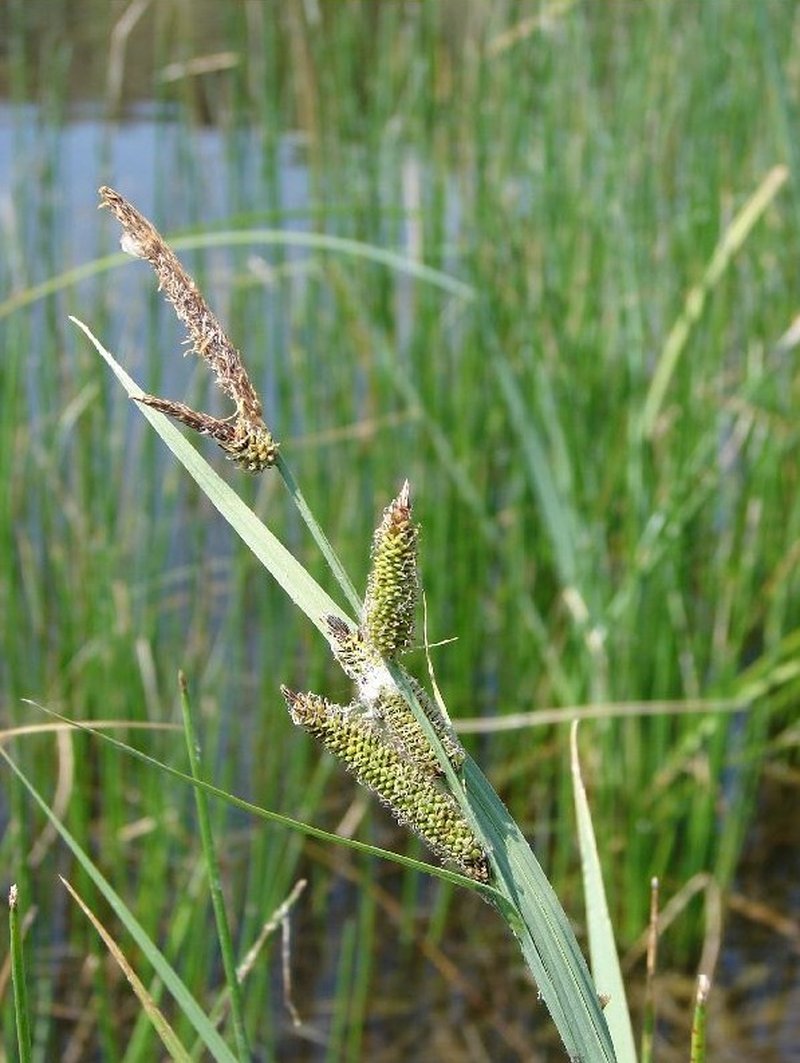
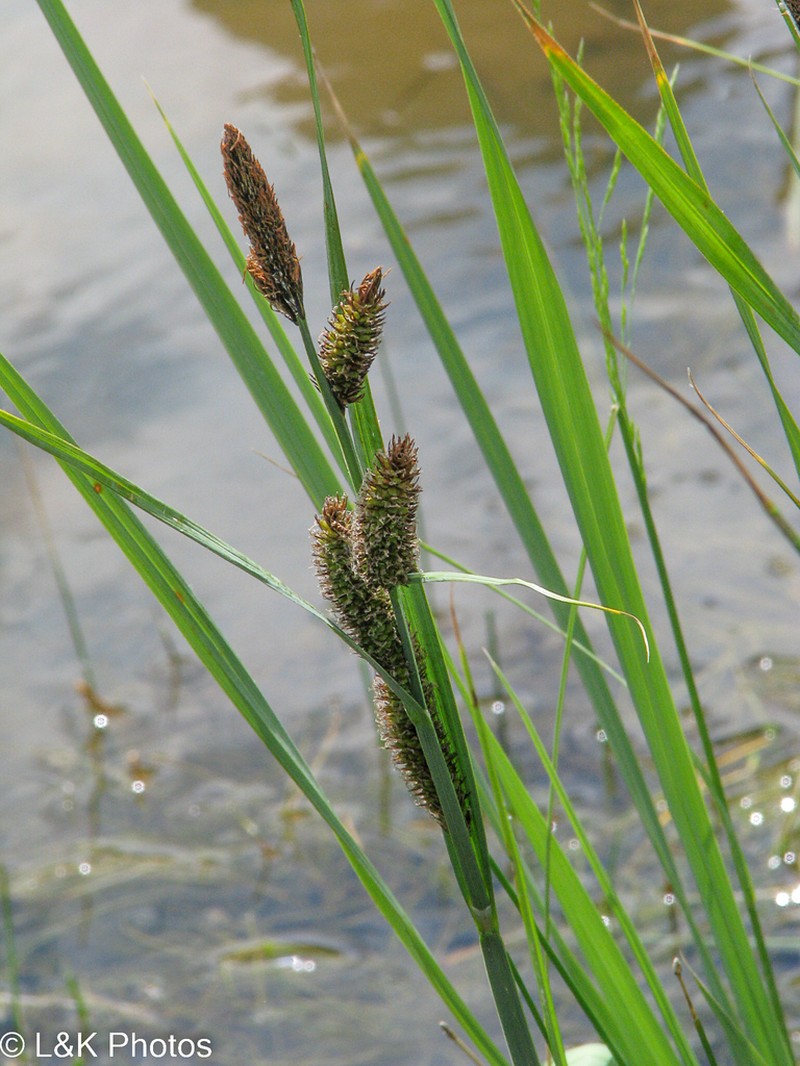
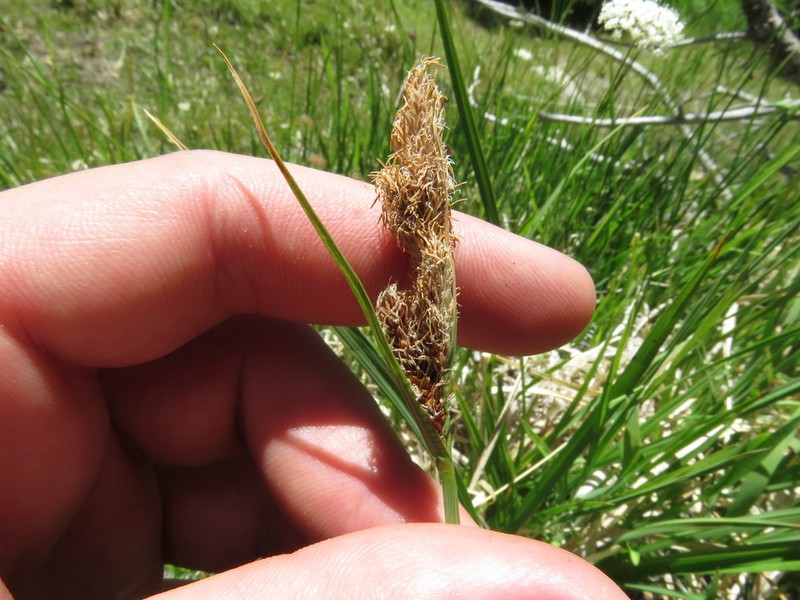
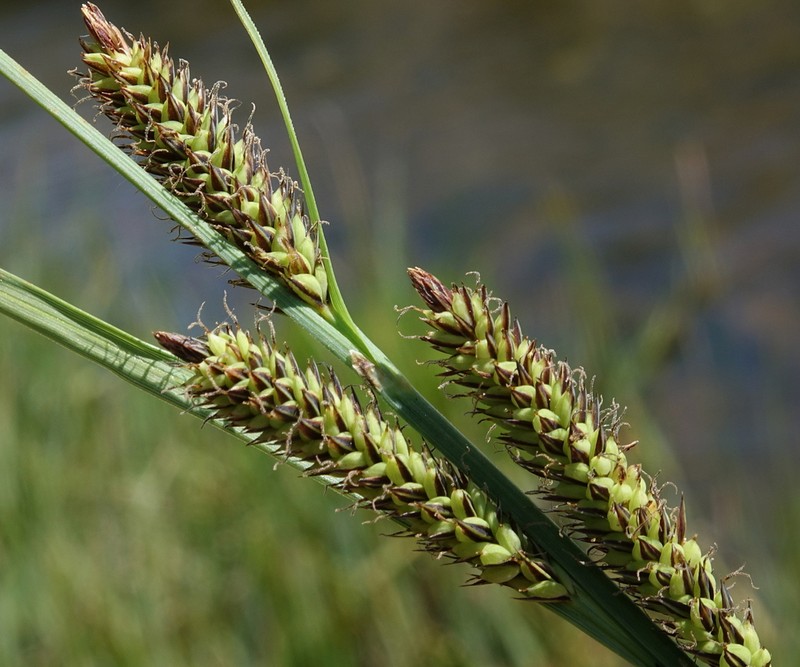
Nebraska Sedge
Carex nebrascensis
- Native to:
- Canada, United States
Sheri Hagwood
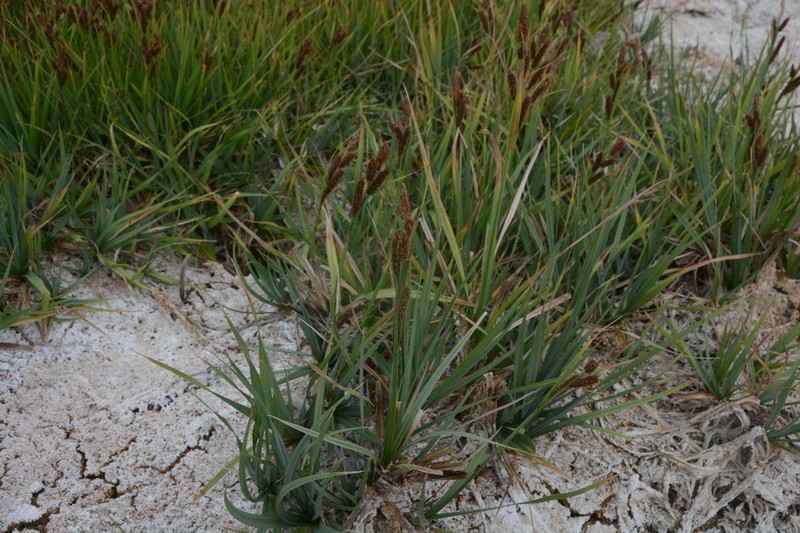
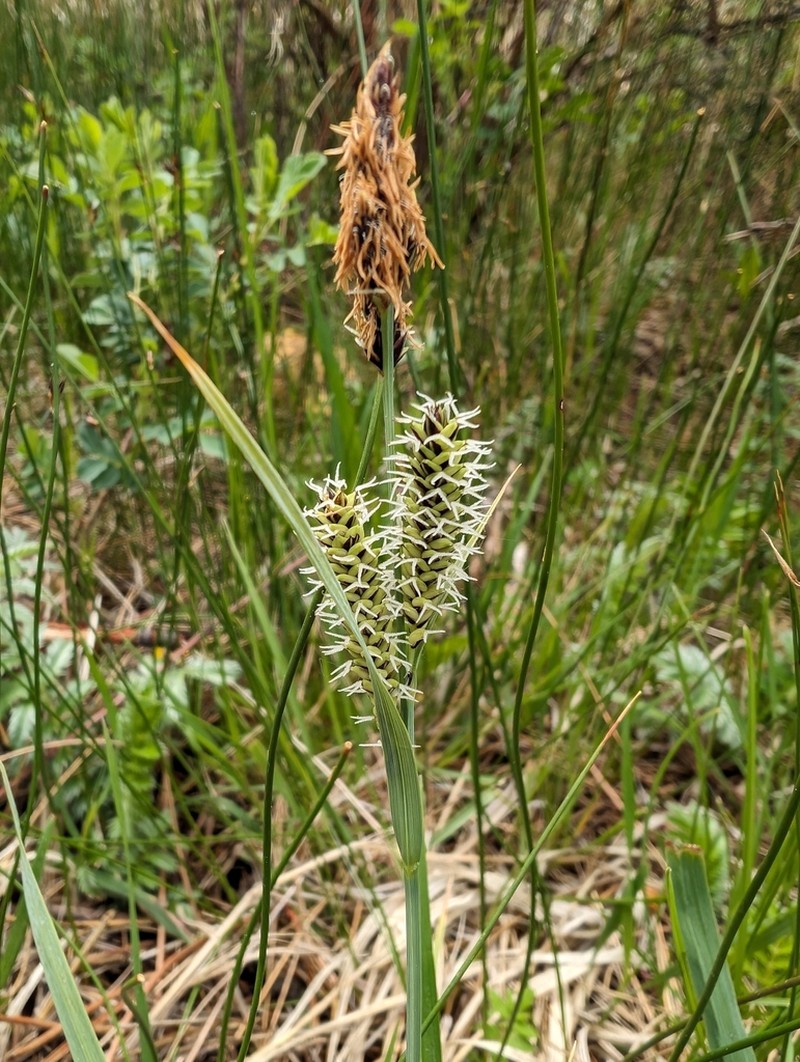
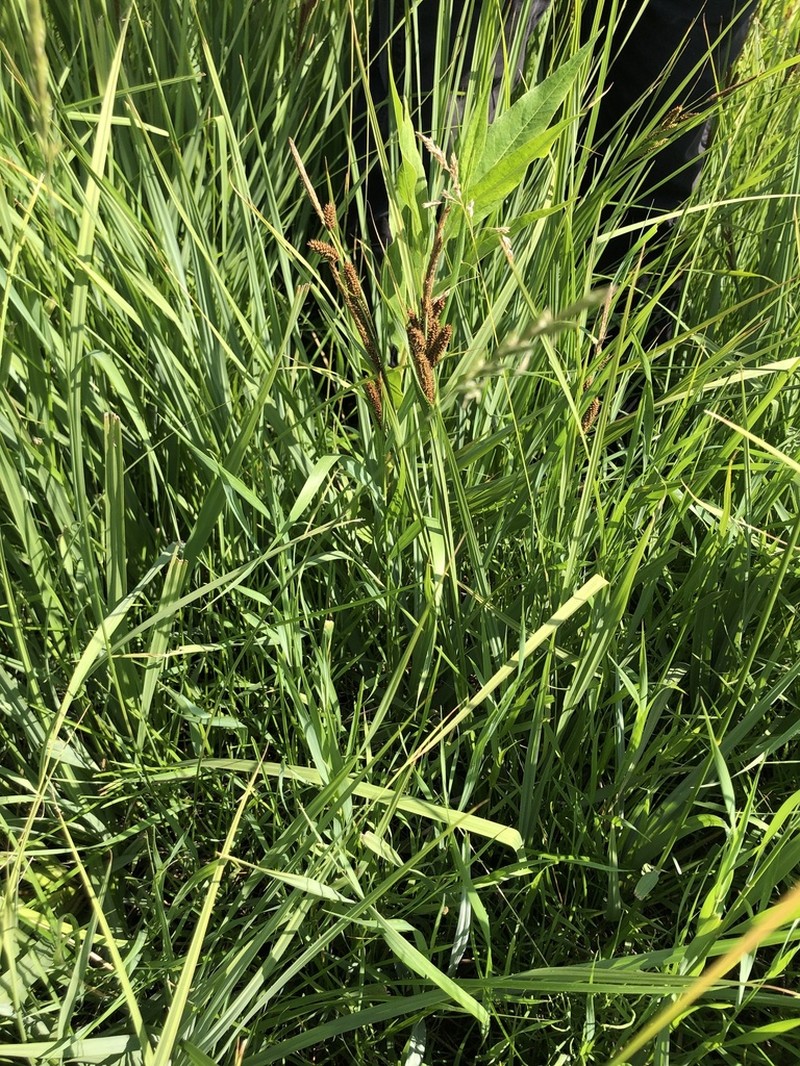
Taxonomy
- Division:
- Magnoliophyta | - Flowering plants
- Family:
- Cyperaceae
- Genus:
- Carex
- Species:
- Carex nebrascensis
- USDA Symbol:
- CANE2
Growth Characteristics
- Life Cycle:
- Perennial
- Growth Habit:
- Graminoid
- Height:
- 120 cm
- Light Requirements:
- Part Shade
- Drought Tolerance:
- Low
- Bloom Months:
- may,jun,jul
- Bloom Colors:
- green, brown
Garden & Ecology Notes
- Wildlife Value:
- birds, small mammals, waterfowl
- Fire Ecology:
- Fire adapted — tolerates or benefits from fire
- Fire Notes:
- Can resprout from rhizomes after fire; often increases in abundance post-fire in wet meadows.
Soil Requirements
- Soil Type:
- moist, nutrient-rich clay or loam
- pH:
- 6.0 - 8.0 (neutral to slightly alkaline)
- Drainage:
- tolerates poor drainage
- Moisture:
- consistently moist
- Notes:
- Commonly found in wet meadows and along streambanks
Propagation & Germination
- Stratification:
- Cold/moist stratification required — 30–60 days
- Germination Time:
- 14–30 days
- Notes:
- Seeds benefit from cold moist stratification for 30-60 days to break dormancy.
Pre-treatment: Achenes should be scarified using sandpaper or forceps and then cold, moist stratified with sphagnum peat moss for 32 days at 37°F. If stored, seeds should be kept in cool-dry conditions with temperatures of approximately 50°F and relative humidity of 20 to 30%.
Establishment: The protocols suggest different pre-treatment methods and temperature requirements. The germination rate was not specified in any of the protocols. Seeds are typically collected by hand, but a prairie seed stripper can also be used. The plant is found in various regions, including the western United States, Canada, and the Great Plains.
Source: npn.rngr.net
Where to Buy
Nationwide Seller
- Native Seed Group (seeds)