
Beaked Sedge
Carex rostrata
- Native to:
- Albania, Austria, Baltic States, Belarus, Belgium, Bulgaria, Canada, China, Czechia-Slovakia, Denmark, Finland, Føroyar, France, Germany, Great Britain, Greece, Greenland, Hungary, Iceland, India, Iran, Ireland, Italy, Japan, Kazakhstan, Korea, Labrador, Netherlands, North Caucasus, Norway, NW. Balkan Pen., Poland, Romania, Russia, Spain, Sweden, Switzerland, Transcaucasus, Türkiye, Ukraine, United States
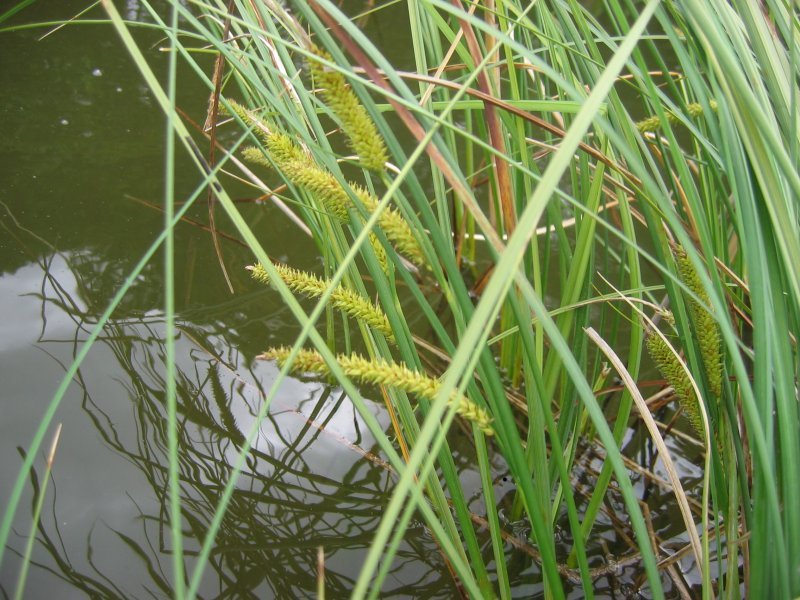
Kristian Peters -- Fabelfroh 16:01, 13 July 2006 (UTC)
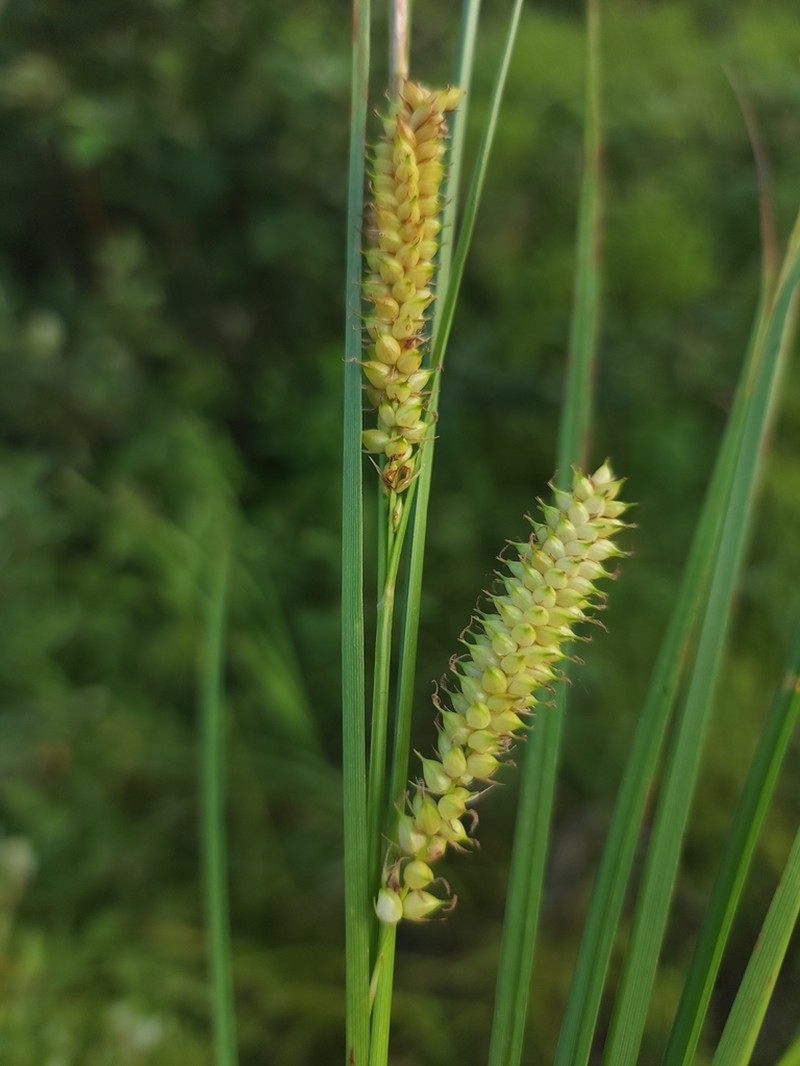
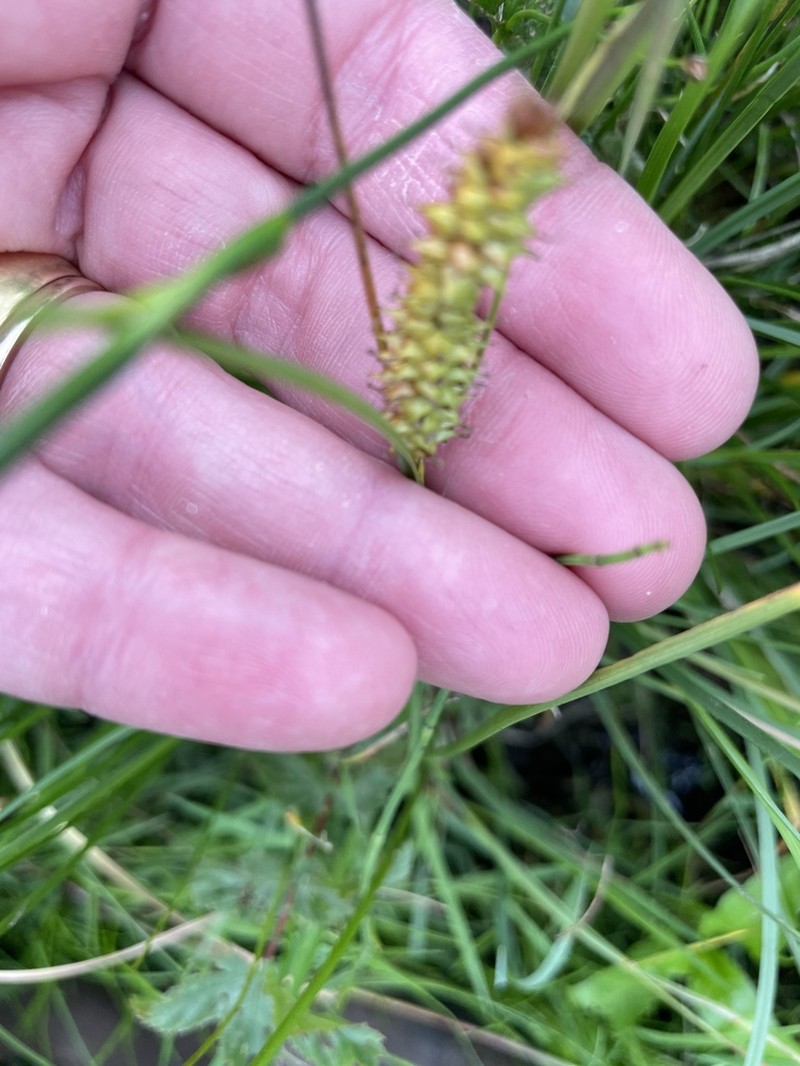
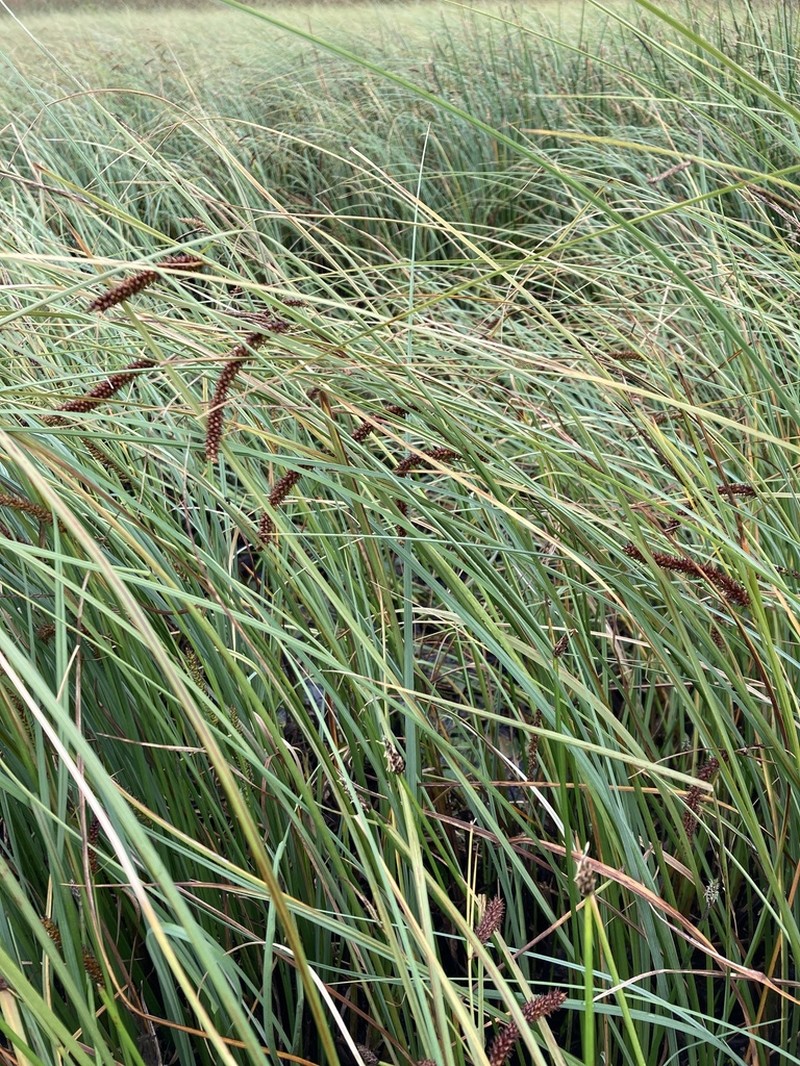
Taxonomy
- Division:
- Magnoliophyta | - Flowering plants
- Family:
- Cyperaceae
- Genus:
- Carex
- Species:
- Carex rostrata
- USDA Symbol:
- CARO6
Growth Characteristics
- Life Cycle:
- Perennial
- Growth Habit:
- Graminoid
- Height:
- 120 cm
- Light Requirements:
- Part Shade
- Drought Tolerance:
- Low
- Bloom Months:
- may,jun,jul
- Bloom Colors:
- greenish
Wildlife Benefits
- Butterflies & Moths:
- ★★★☆☆ Documented Lepidoptera association (GBIF)
- Caterpillars:
- ★☆☆☆☆ Recorded caterpillar host plant (HOSTS Database)
Host Plant for Caterpillars
Broad-winged Skipper (Poanes viator), Eyed Brown (Satyrodes eurydice)
Garden & Ecology Notes
- Wildlife Value:
- birds, waterfowl, small mammals
Soil Requirements
- Soil Type:
- peaty, nutrient-rich, waterlogged soil
- pH:
- 5.0 - 7.0 (acidic to neutral)
- Drainage:
- tolerates poor drainage
- Moisture:
- consistently moist
- Notes:
- commonly found in wetlands and bogs
Propagation & Germination
- Stratification:
- Cold/moist stratification required — 30–60 days
- Germination Time:
- 14–30 days
- Notes:
- Seeds benefit from cold moist stratification for 30-60 days; germinate at 20°C/68°F.
Pre-treatment: Seed is stored in cool-dry conditions at approximately 50°F and relative humidity of 20-30%. Seed is stratified by placing 20g of seed in a 236 ml jar with 8g of green sphagnum moss wrapped in a permeable cloth. The jar is filled with water and stored at 39°F for 30 days.
Source: npn.rngr.net
Where to Buy
Nationwide Seller
- Native Seed Group (seeds)