
Splitawn Sedge
Carex tumulicola
- Native to:
- Canada, United States
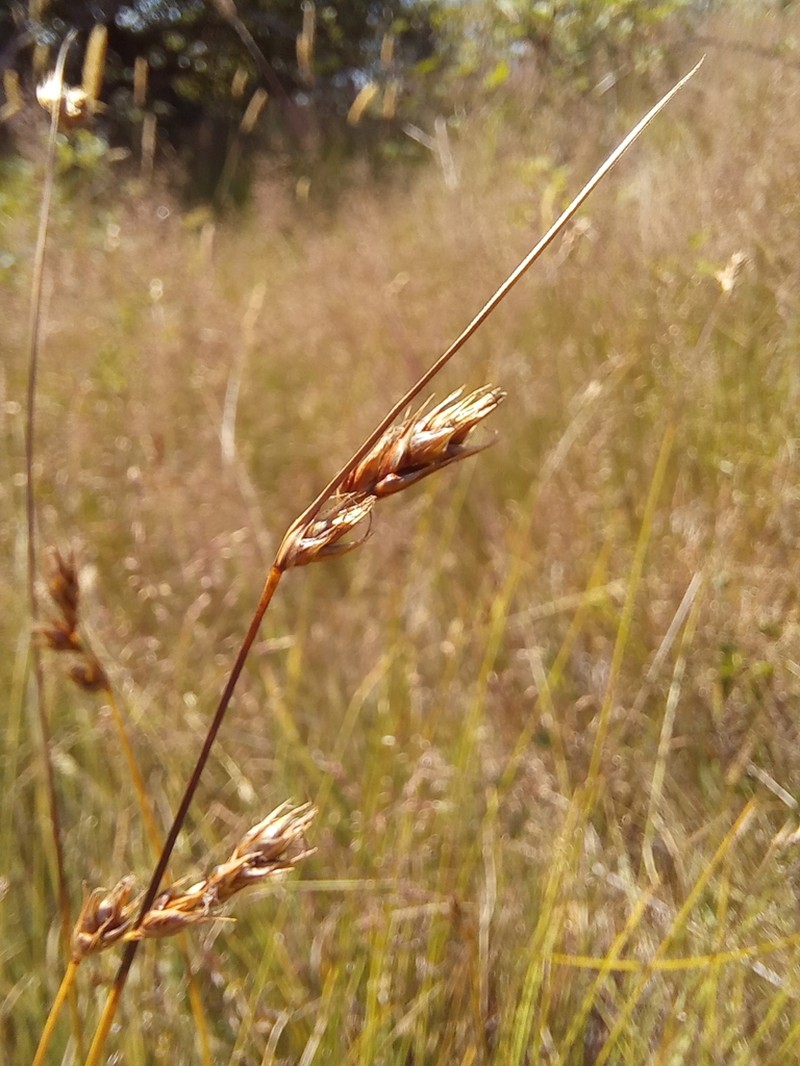
iNaturalist: © millie5 (iNaturalist #205049824)
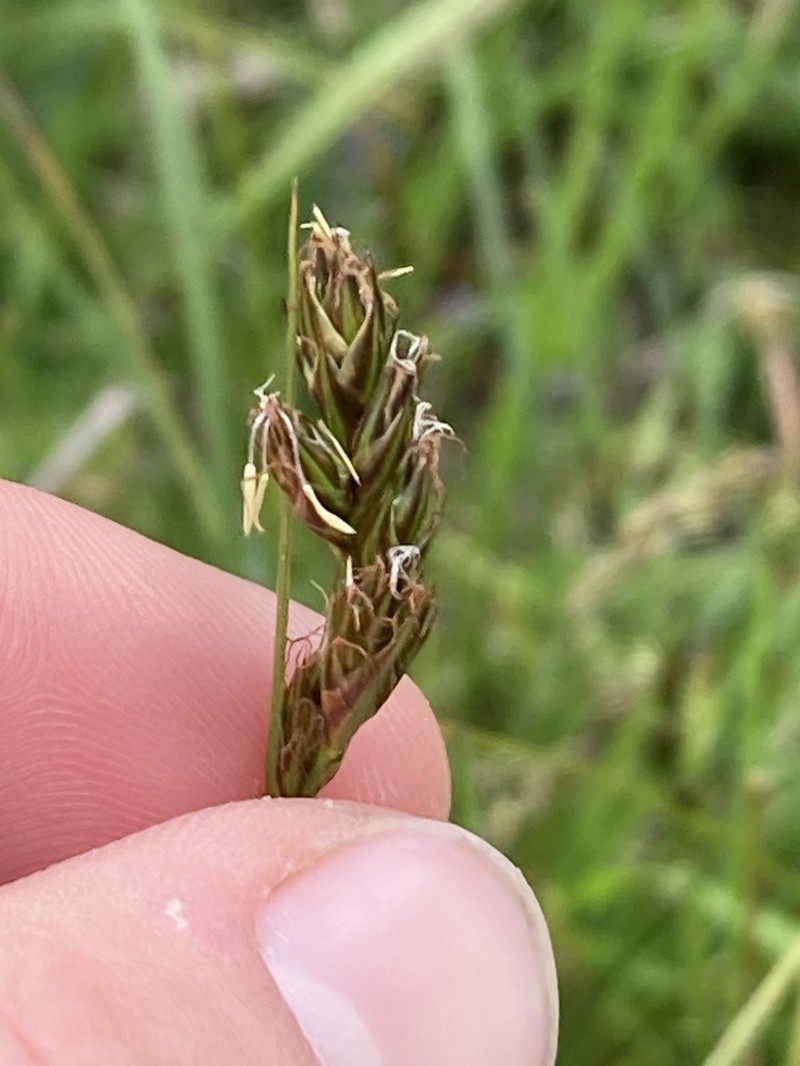
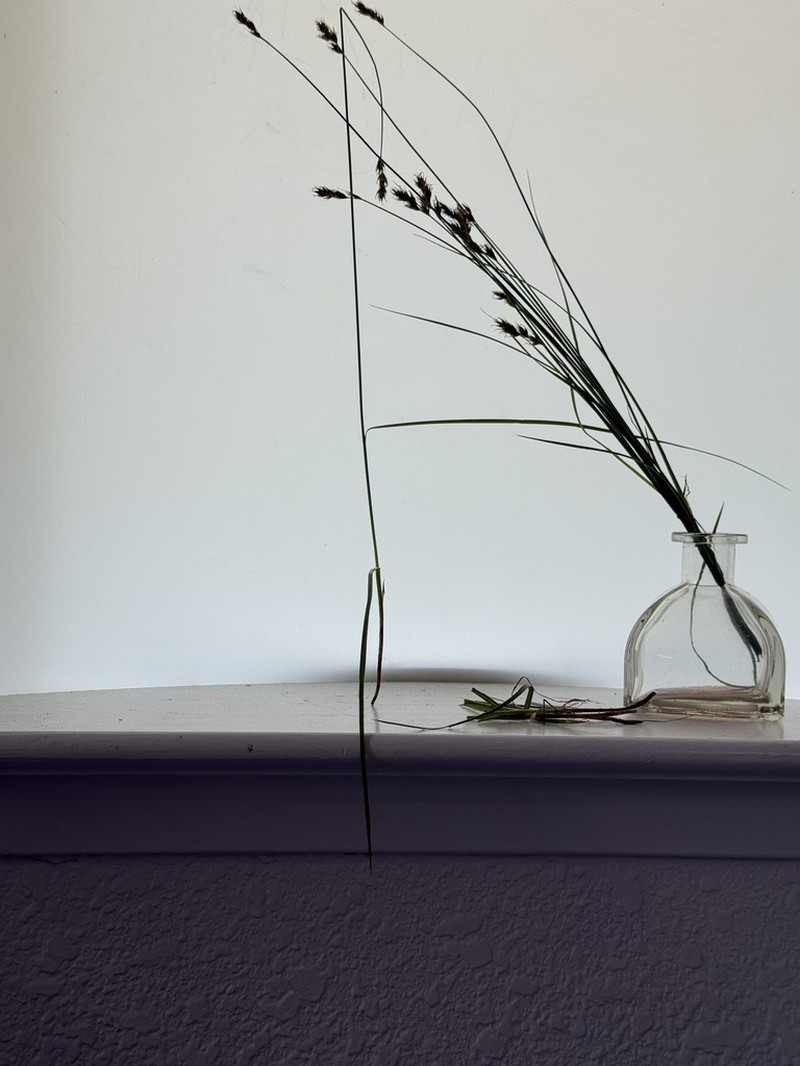
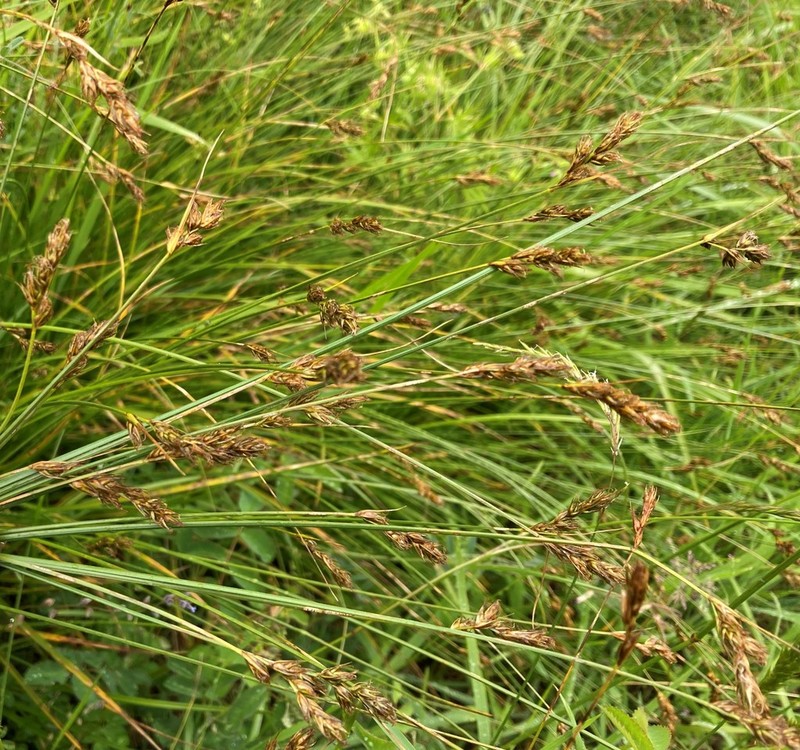
Taxonomy
- Division:
- Magnoliophyta | - Flowering plants
- Family:
- Cyperaceae
- Genus:
- Carex
- Species:
- Carex tumulicola
- USDA Symbol:
- CATU3
Growth Characteristics
- Life Cycle:
- Perennial
- Growth Habit:
- Graminoid
- Height:
- 60 cm
- Light Requirements:
- Full Sun
- Drought Tolerance:
- Medium
- Bloom Months:
- apr,may,jun
- Ground Cover:
- Yes
- Lawn Substitute:
- Yes
Wildlife Benefits
- Butterflies & Moths:
- ★☆☆☆☆ Documented Lepidoptera association (GBIF)
Garden & Ecology Notes
- Wildlife Value:
- birds, butterflies
- Deer Resistant:
- Yes
Soil Requirements
- Soil Type:
- well-drained, sandy to loamy soil
- pH:
- 5.5 - 7.5 (slightly acidic to neutral)
- Drainage:
- good drainage preferred
- Moisture:
- dry to moderate
- Notes:
- native to open woodlands and grasslands
Propagation & Germination
- Stratification:
- Cold/moist stratification required — 30–60 days
- Germination Time:
- 14–30 days
- Notes:
- Seeds benefit from cold stratification for 30-60 days to break dormancy.
Pre-treatment: Seeds were sown into cone-tainers filled with Sunshine # 1 (a soil-less, peat-based media) amended with micro-nutrients (Micromax) and a slow-release fertilizer (Osmocote 14-14-14). Flats were covered with polyethlene bags and placed in walk in cooler for 90-days.
Establishment: This species may need light or fluctuating temperatures during stratification. Further trials are being conducted due to sparse germination.
Source: npn.rngr.net