
Low Flatsedge
Cyperus pumilus
- Native to:
- Aldabra, Andaman Is., Angola, Australia, Bangladesh, Benin, Borneo, Botswana, Burkina, Cambodia, Central African Republic, Chad, China, Comoros, Congo, DR Congo, Eritrea, Eswatini, Ethiopia, Gabon, Gambia, Ghana, Guam, Guinea, Guinea-Bissau, Hainan, India, Ivory Coast, Jawa, Kenya, Laccadive Is., Lesser Sunda Is., Madagascar, Malawi, Malaya, Mali, Maluku, Mozambique, Myanmar, Namibia, Nepal, New Guinea, Nicobar Is., Niger, Nigeria, Pakistan, Philippines, Senegal, Sierra Leone, Socotra, Somalia, South Africa, Sri Lanka, Sudan-South Sudan, Sulawesi, Sumatera, Taiwan, Tanzania, Thailand, Togo, U.S. Minor Outlying Islands, Uganda, Vietnam, Zambia, Zimbabwe
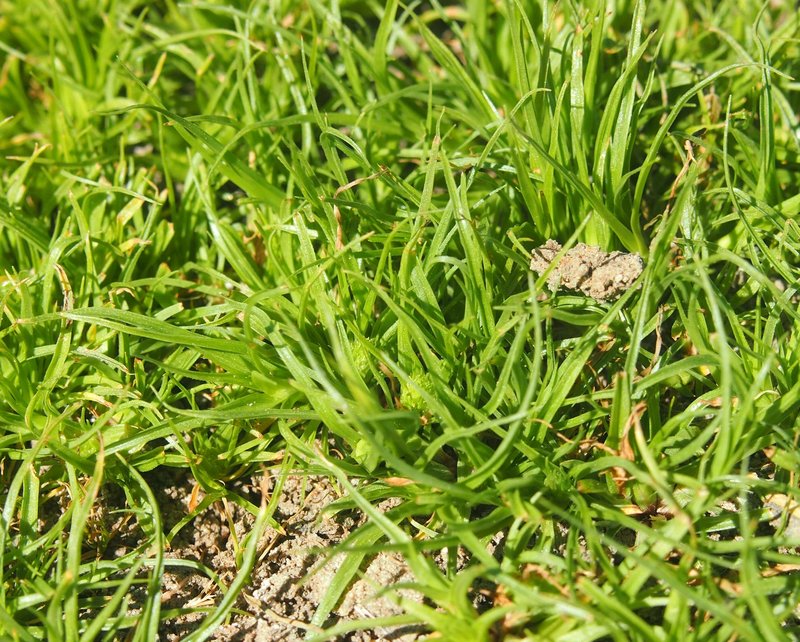
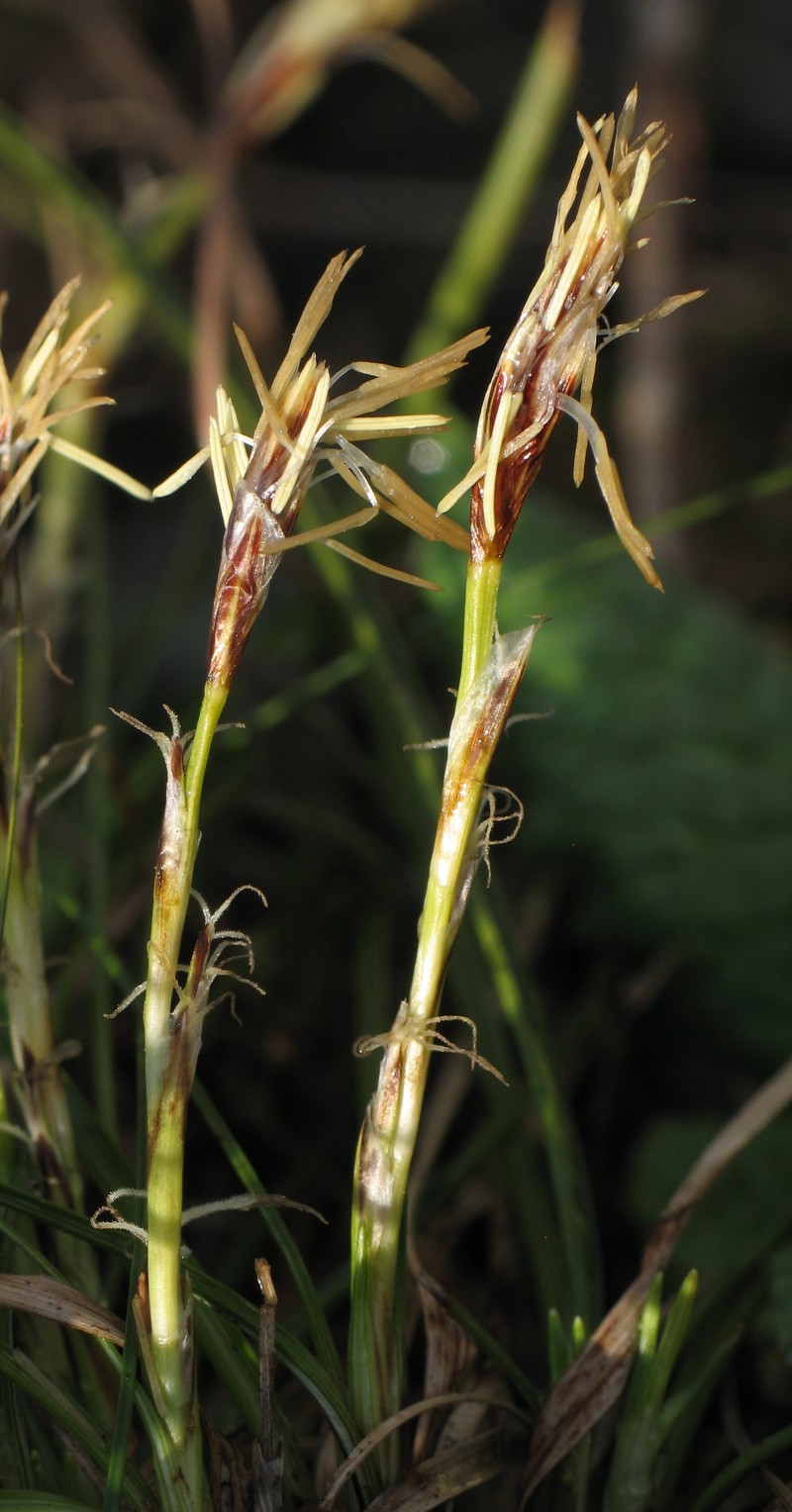
Photo by David J. Stang
Taxonomy
- Division:
- Magnoliophyta | - Flowering plants
- Family:
- Cyperaceae
- Genus:
- Cyperus
- Species:
- Cyperus pumilus
- USDA Symbol:
- CYPU3
Growth Characteristics
- Life Cycle:
- Annual
- Growth Habit:
- Graminoid
- Height:
- 30 cm
- Light Requirements:
- Full Sun
- Drought Tolerance:
- Low
- Bloom Months:
- jul,aug,sep
- Bloom Colors:
- greenish
Garden & Ecology Notes
- Wildlife Value:
- waterfowl, small mammals
Soil Requirements
- Soil Type:
- sandy, nutrient-poor, well-drained soil
- pH:
- 5.5 - 7.0 (slightly acidic to neutral)
- Drainage:
- excellent drainage required
- Moisture:
- consistently moist
- Notes:
- commonly found in coastal and sandy habitats