
Tussock Cottongrass
Eriophorum vaginatum
- Native to:
- Austria, Baltic States, Belarus, Belgium, Bulgaria, Canada, China, Czechia-Slovakia, Denmark, Finland, Føroyar, France, Germany, Great Britain, Greece, Greenland, Hungary, Ireland, Italy, Japan, Kazakhstan, Korea, Kuril Is., Labrador, Netherlands, North Caucasus, Norway, NW. Balkan Pen., Poland, Prince Edward I., Romania, Russia, Spain, Sweden, Switzerland, Transcaucasus, Türkiye, Ukraine, United States
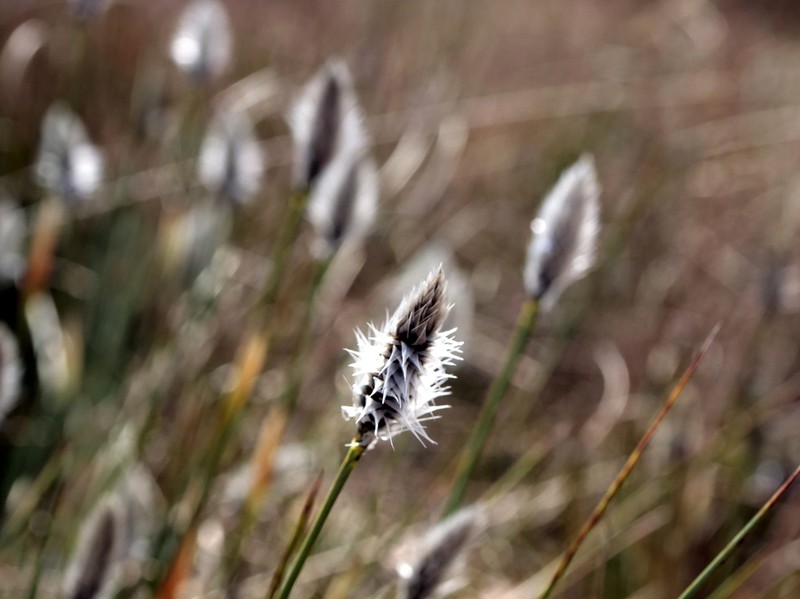
iNaturalist: © epsilon (iNaturalist #41758455)
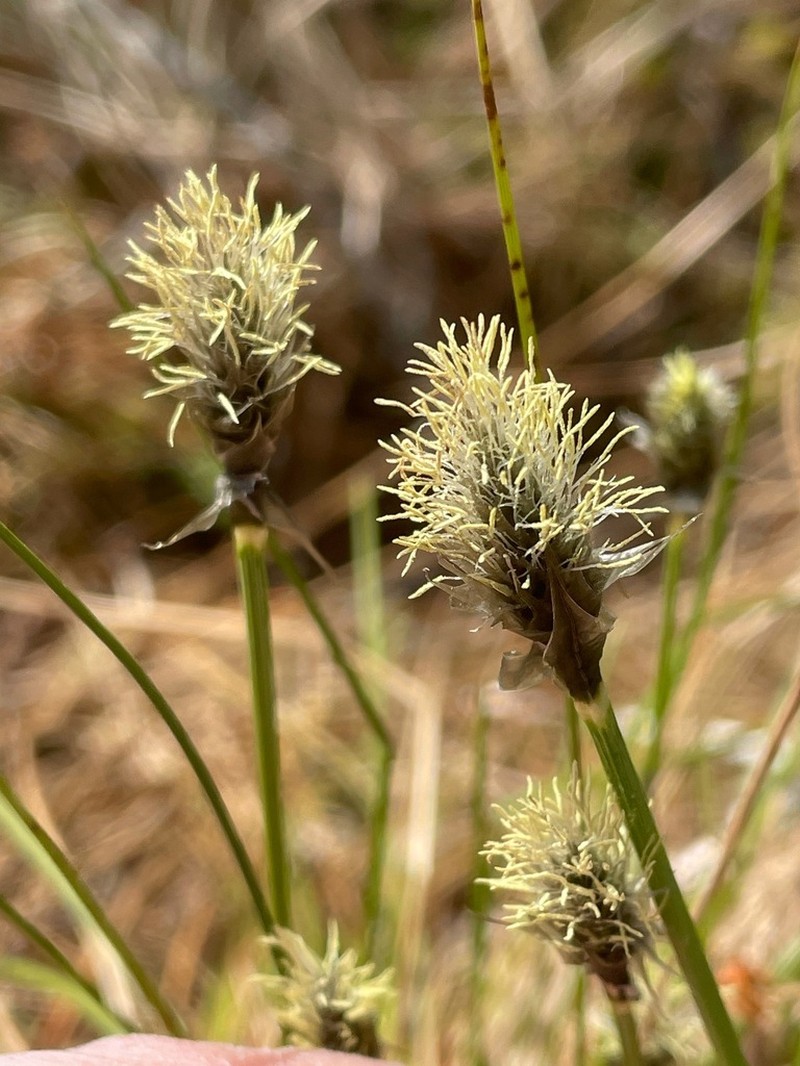

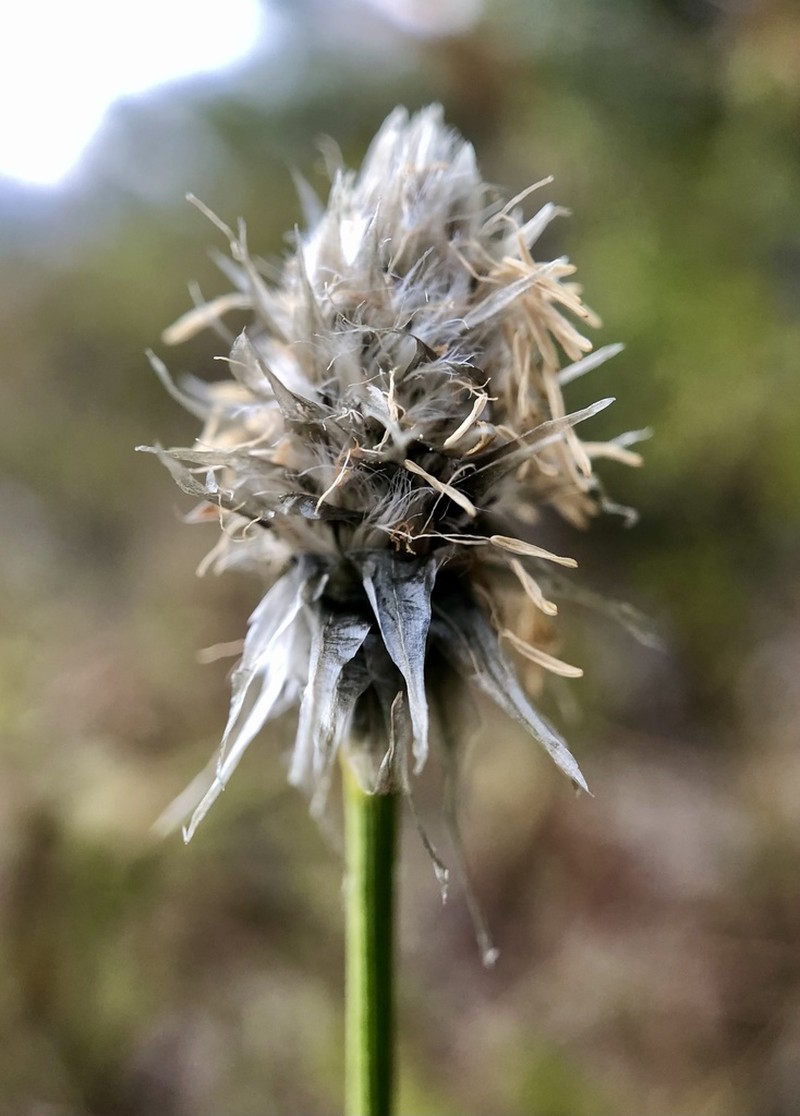
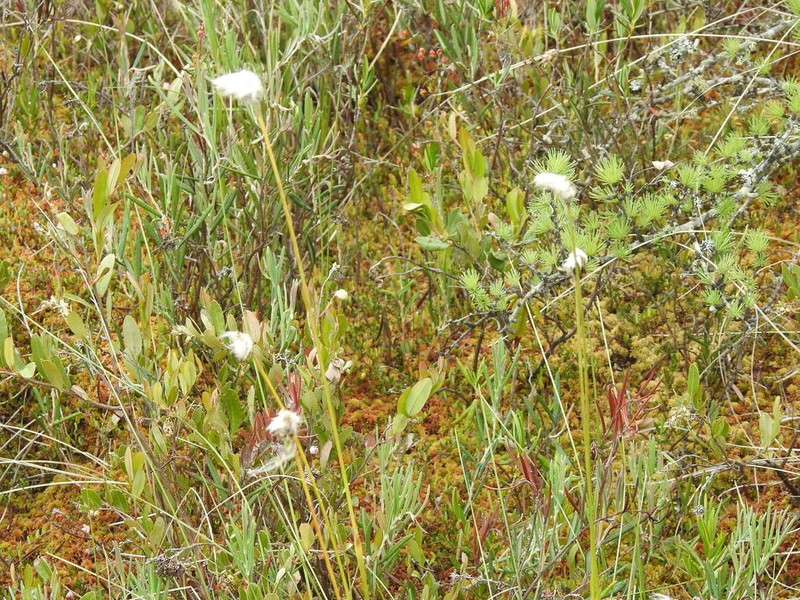
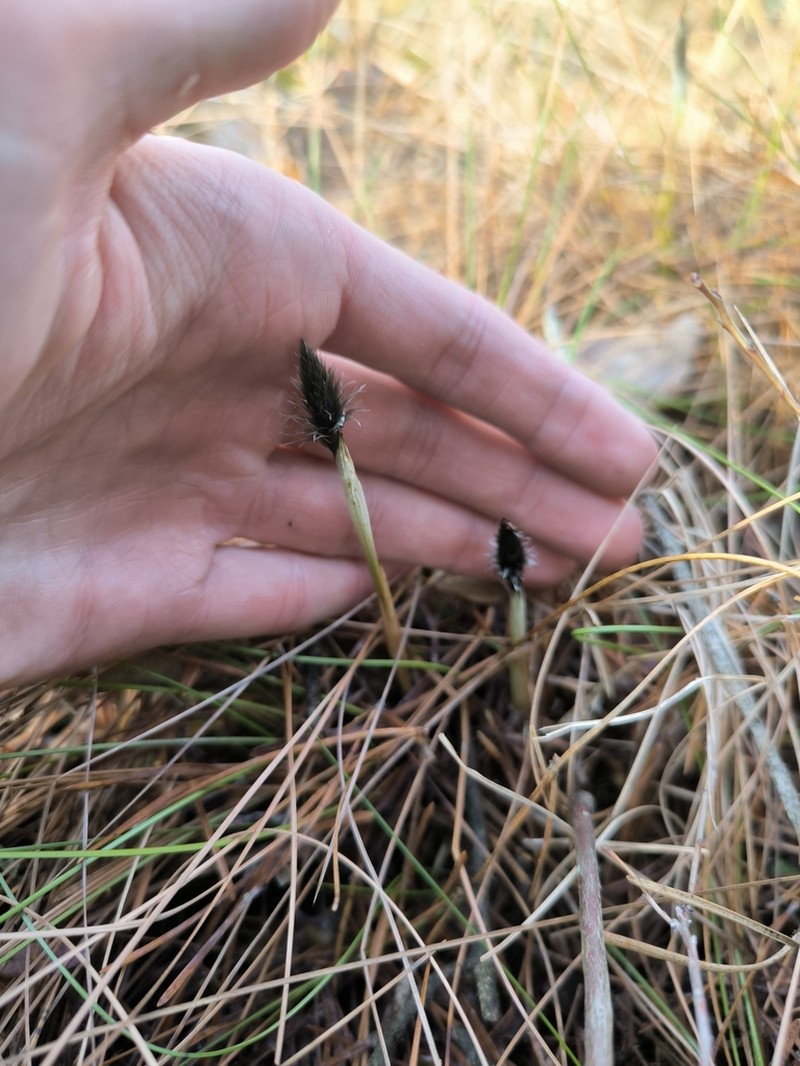
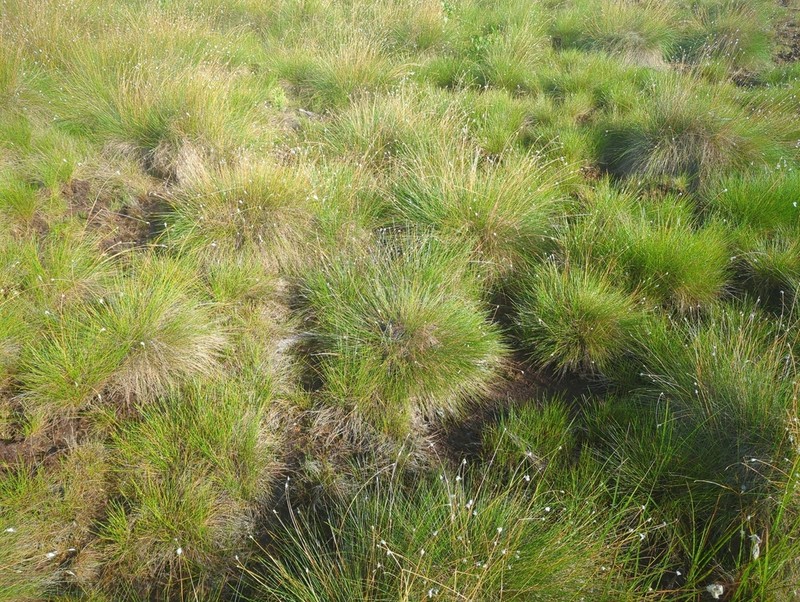
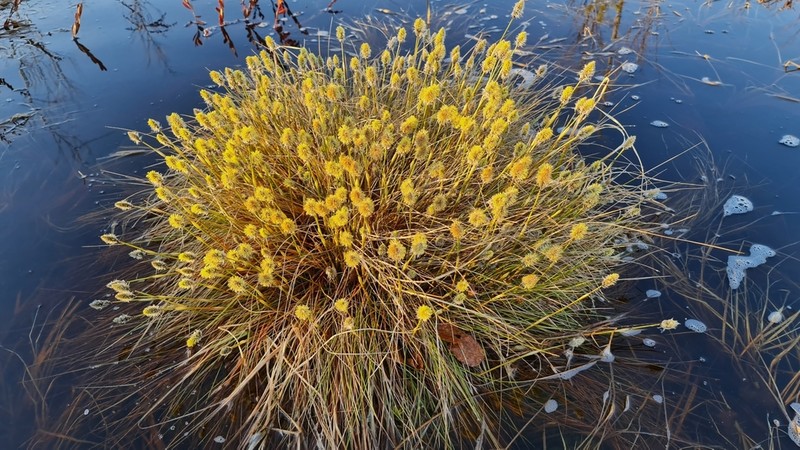
Taxonomy
- Division:
- Magnoliophyta | - Flowering plants
- Family:
- Cyperaceae
- Genus:
- Eriophorum
- Species:
- Eriophorum vaginatum
- USDA Symbol:
- ERVA4
Growth Characteristics
- Life Cycle:
- Perennial
- Growth Habit:
- Graminoid
- Height:
- 60 cm
- Light Requirements:
- Full Sun
- Drought Tolerance:
- Low
- Bloom Months:
- apr,may,jun
- Bloom Colors:
- white
Wildlife Benefits
- Butterflies & Moths:
- ★★★★☆ Documented Lepidoptera association (GBIF)
- Caterpillars:
- ★☆☆☆☆ Recorded caterpillar host plant (HOSTS Database)
Host Plant for Caterpillars
Jutta Arctic (Oeneis jutta)
Garden & Ecology Notes
- Wildlife Value:
- birds, small mammals
Soil Requirements
- Soil Type:
- peaty, nutrient-poor, acidic soil
- pH:
- 3.5 - 5.5 (strongly acidic to acidic)
- Drainage:
- tolerates poor drainage
- Moisture:
- consistently moist
- Notes:
- commonly found in bogs and wet heathlands
Propagation & Germination
- Stratification:
- Cold/moist stratification required — 30–60 days
- Germination Time:
- 14–30 days
- Notes:
- Seeds require cold stratification for 30-60 days to break dormancy; sow on moist peat surface and keep cool.
Pre-treatment: Cold-moist stratification for 30 days at 1–5°C (34–41°F).
Source: Claude AI
ORGHPS Germination Guide: Sow @ 20C. Germinates within 3 months. Requires light / surface sow (fine seed).