
Hurricanegrass
Fimbristylis cymosa
- Native to:
- Aldabra, American Samoa, Andaman Is., Aruba, Australia, Bahamas, Bangladesh, Belize, Benin, Bismarck Archipelago, Borneo, Botswana, Brazil, Cambodia, Caroline Is., Cayman Is., Chagos Archipelago, China, Christmas I., Cocos (Keeling) Is., Colombia, Comoros, Congo, Cook Is., Costa Rica, Cuba, Dominican Republic, DR Congo, Ecuador, Equatorial Guinea, Federated States of Micronesia, Fiji, French Guiana, Gabon, Ghana, Gilbert Is., Guam, Guatemala, Guinea, Gulf of Guinea Is., Gulf States, Guyana, Hainan, Honduras, Howland-Baker Is., India, Iran, Ivory Coast, Jamaica, Japan, Jawa, Kenya, Korea, Laos, Leeward Is., Lesser Sunda Is., Liberia, Line Is., Madagascar, Malaya, Maldives, Maluku, Marianas, Marquesas, Marshall Is., Marshall Islands, Mauritius, Mexico, Mozambique, Mozambique Channel Is., Myanmar, Nansei-shoto, Nauru, Nepal, Netherlands Antilles, New Caledonia, New Guinea, Nicaragua, Nicobar Is., Niger, Nigeria, Niue, Northern Mariana Islands, Oman, Pakistan, Palau, Panamá, Philippines, Phoenix Is., Pitcairn Is
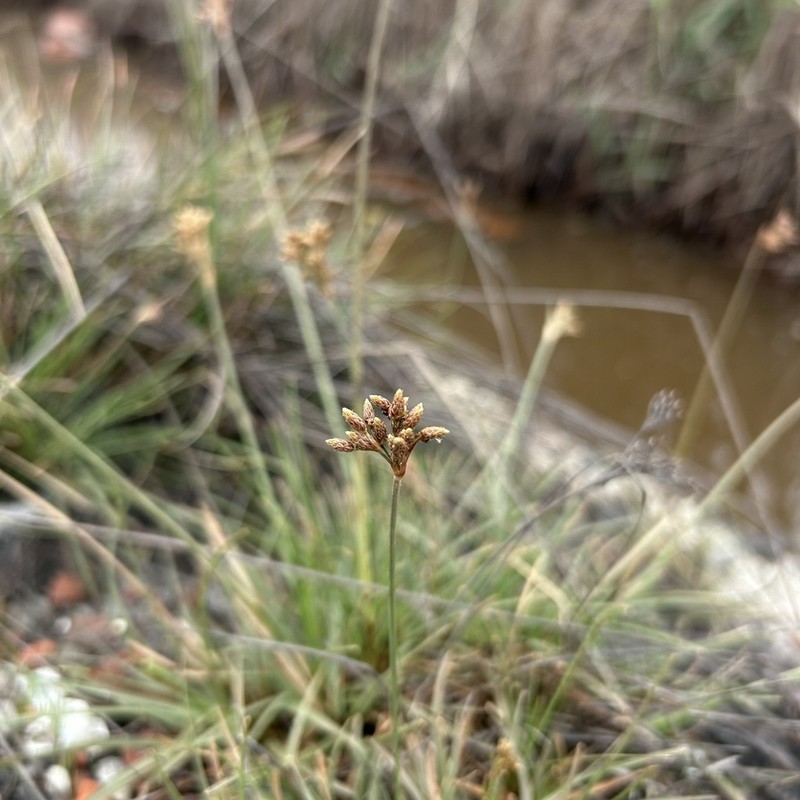
iNaturalist: © rrrkai (iNaturalist #217475025)
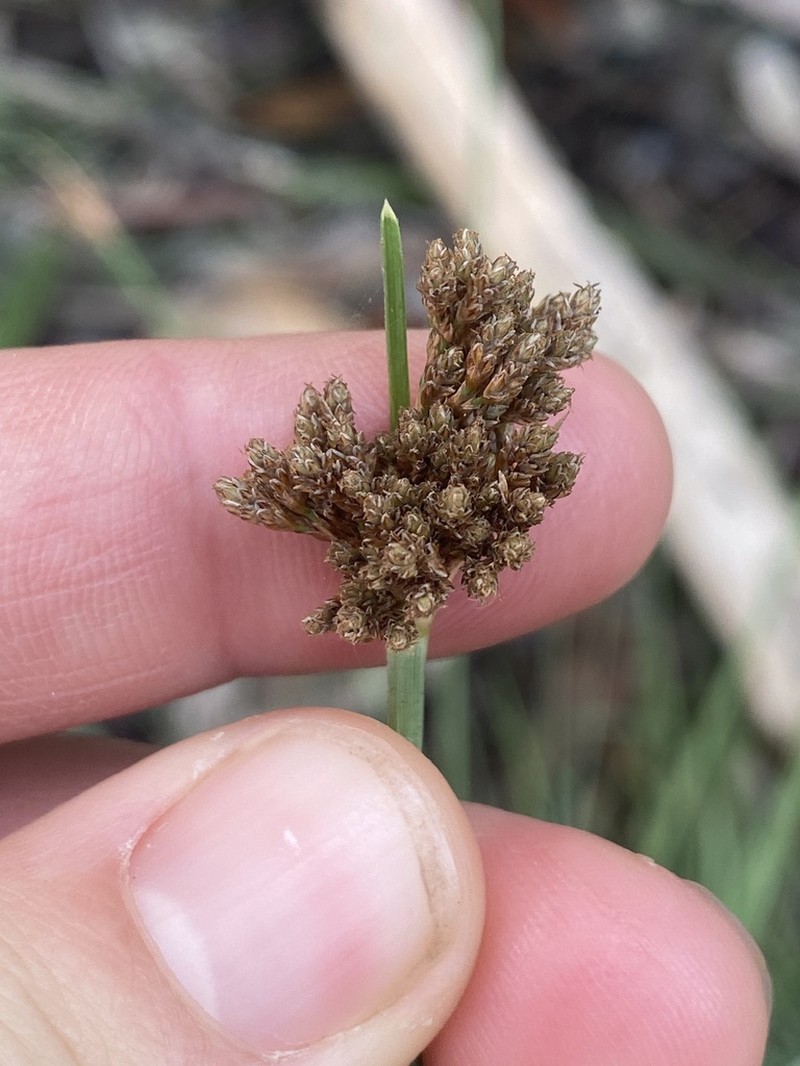
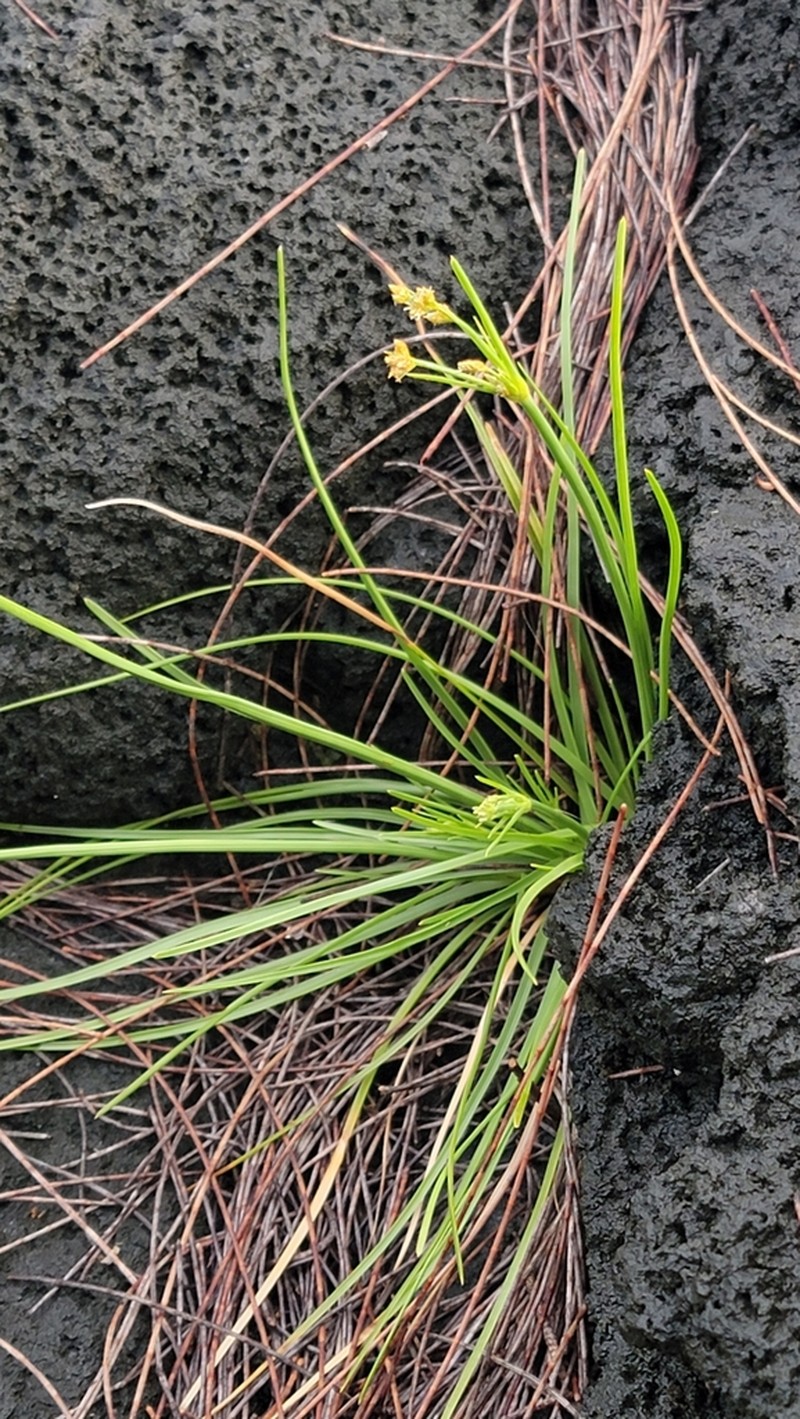
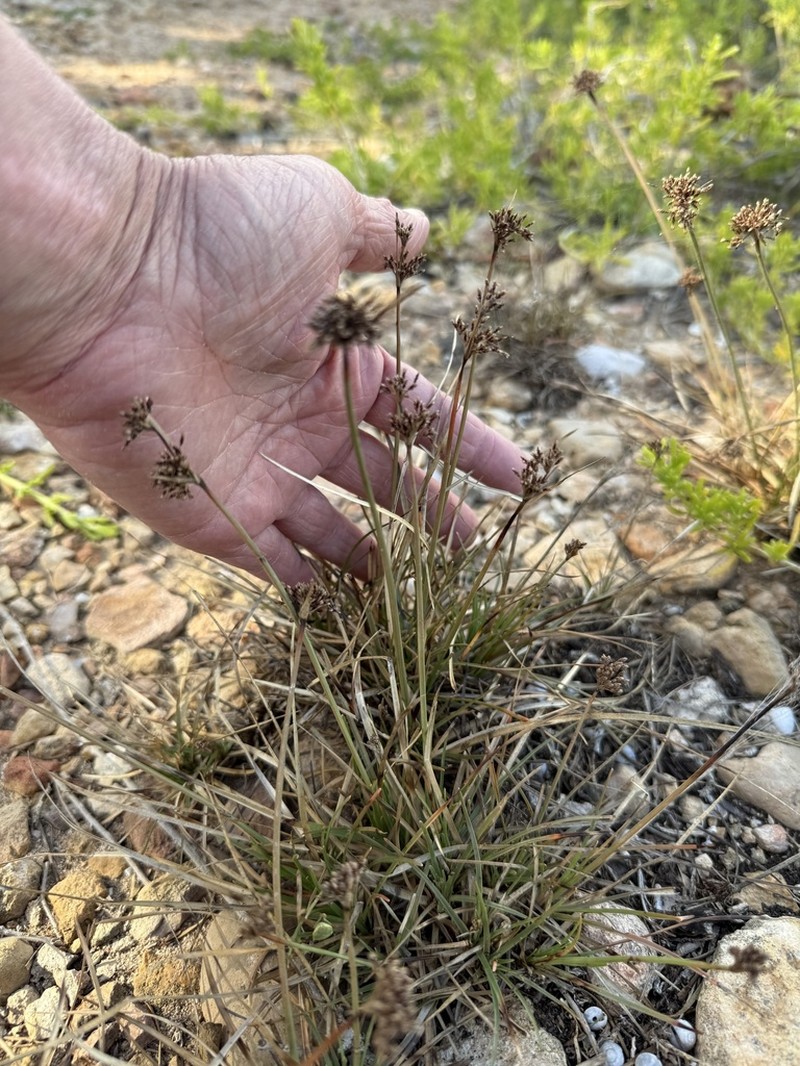
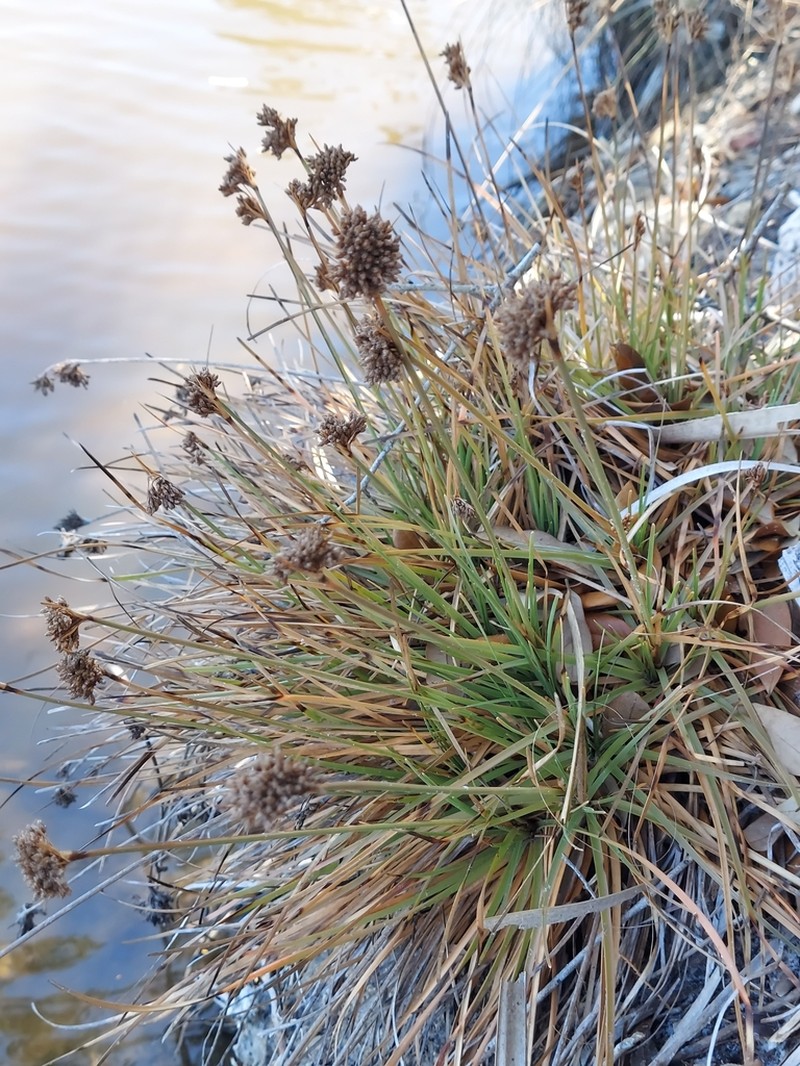
Taxonomy
- Division:
- Magnoliophyta | - Flowering plants
- Family:
- Cyperaceae
- Genus:
- Fimbristylis
- Species:
- Fimbristylis cymosa
- USDA Symbol:
- FICY
Growth Characteristics
- Life Cycle:
- Perennial
- Growth Habit:
- Graminoid
- Height:
- 60 cm
- Light Requirements:
- Full Sun
- Drought Tolerance:
- Low
- Bloom Months:
- jun,jul,aug,sep
- Bloom Colors:
- white
Garden & Ecology Notes
- Salt Tolerant:
- Yes
Soil Requirements
- Soil Type:
- sandy, nutrient-poor, well-drained soil
- pH:
- 5.5 - 7.5 (slightly acidic to neutral)
- Drainage:
- excellent drainage required
- Moisture:
- dry to moderate
- Notes:
- commonly found in coastal and dune areas
Propagation & Germination
Pre-treatment: Seeds are soaked overnight in water. Seeds should be cleaned before they are sown.
Establishment: Seeds are collected from mature plants, taking care not to harm the habitat. The plant is indigenous to Hawai'i and common on sandy beaches and in shallow sand or soil on and among rocks and cracks in lava. It can be out-planted along shorelines or inland in coral rubble or sand.
Source: npn.rngr.net