
Woolgrass
Scirpus cyperinus
- Native to:
- Canada, Mexico, Prince Edward I., United States, Virgin Islands
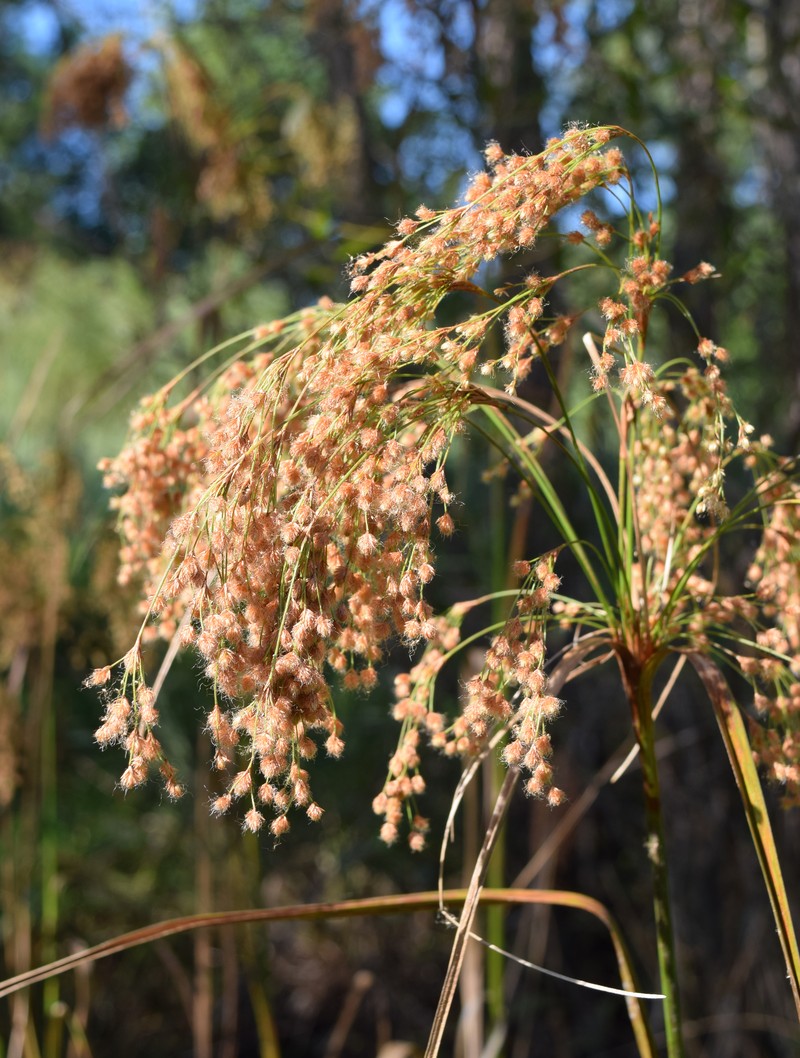
Fredlyfish4
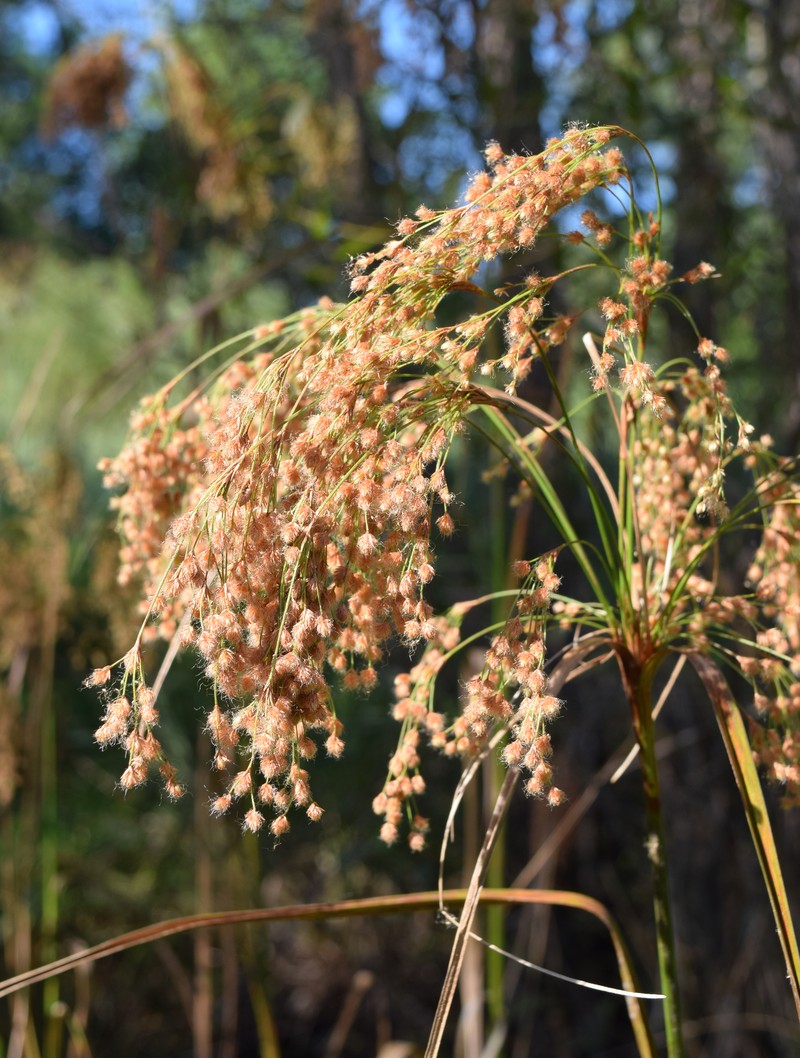
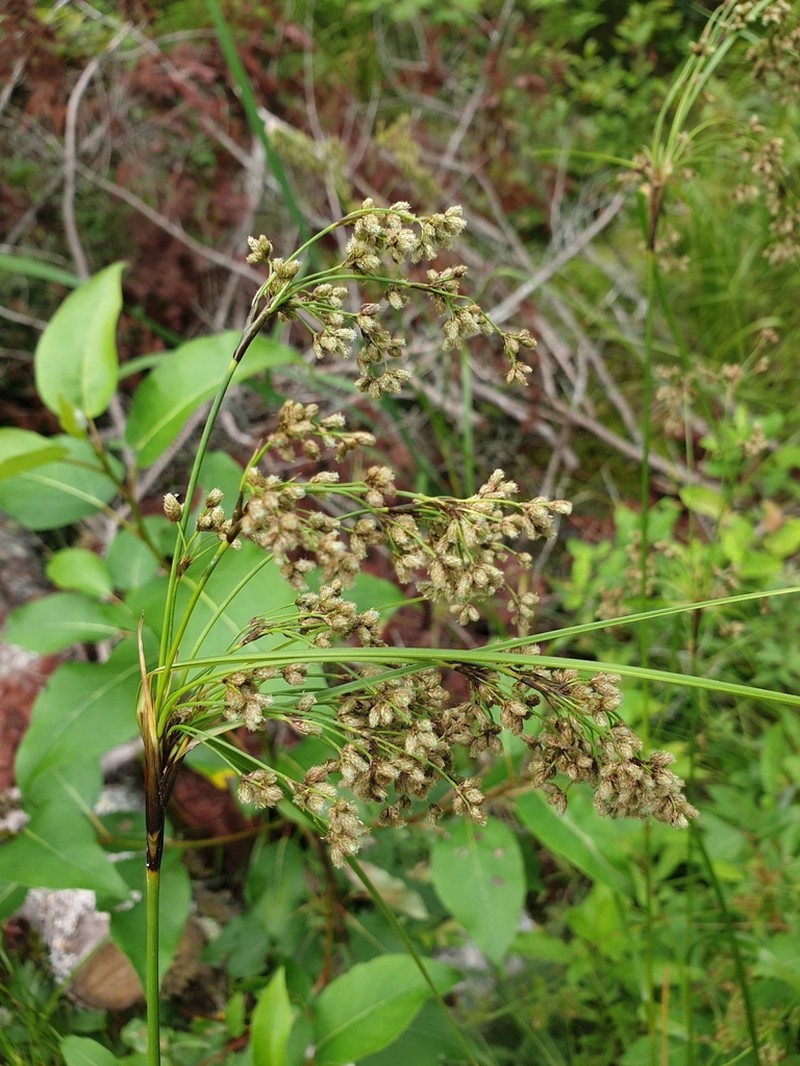
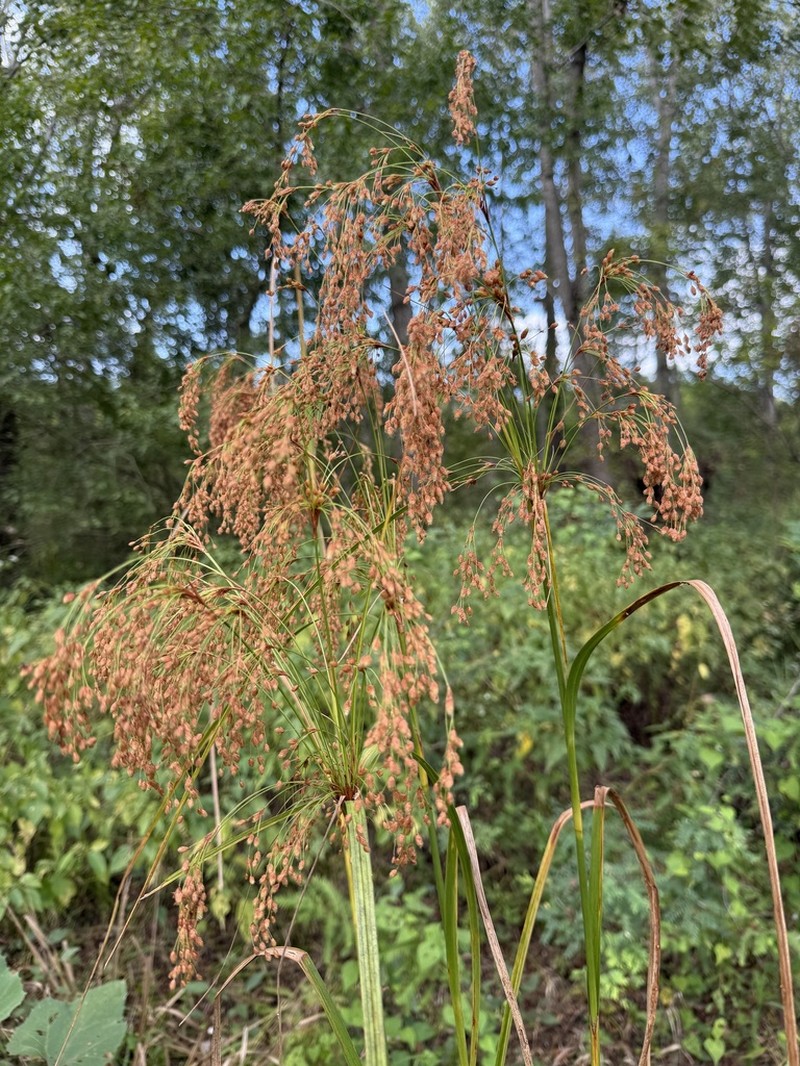
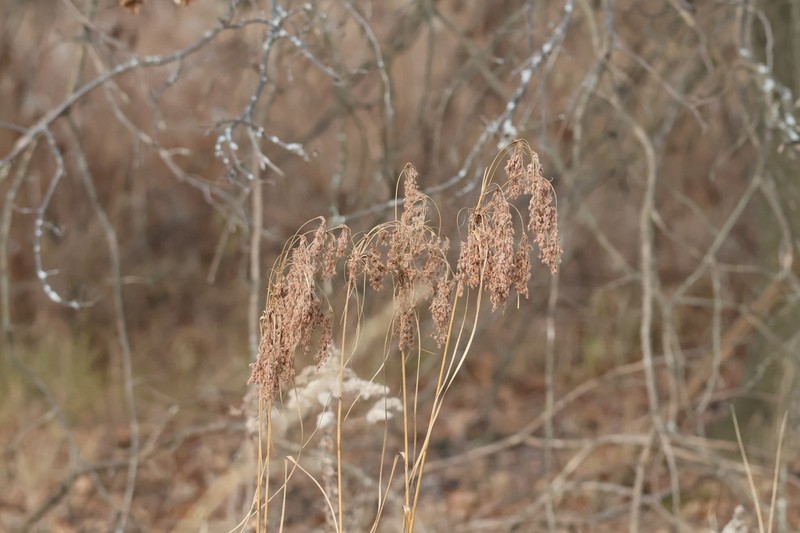
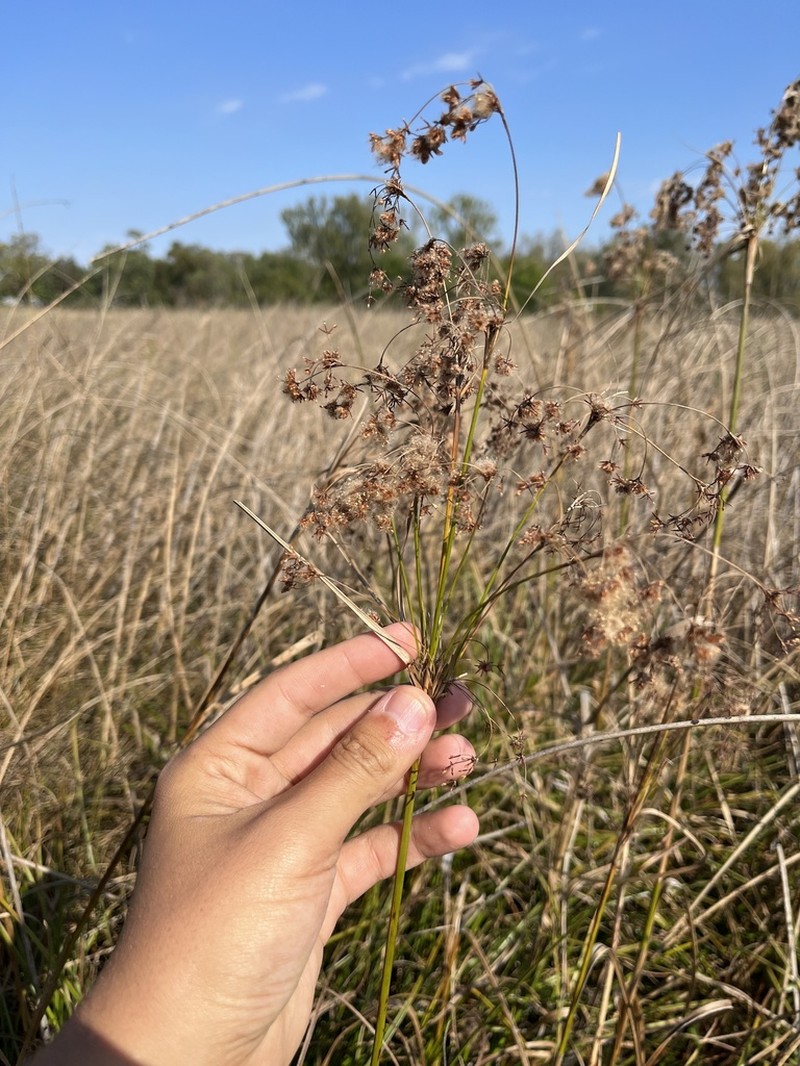
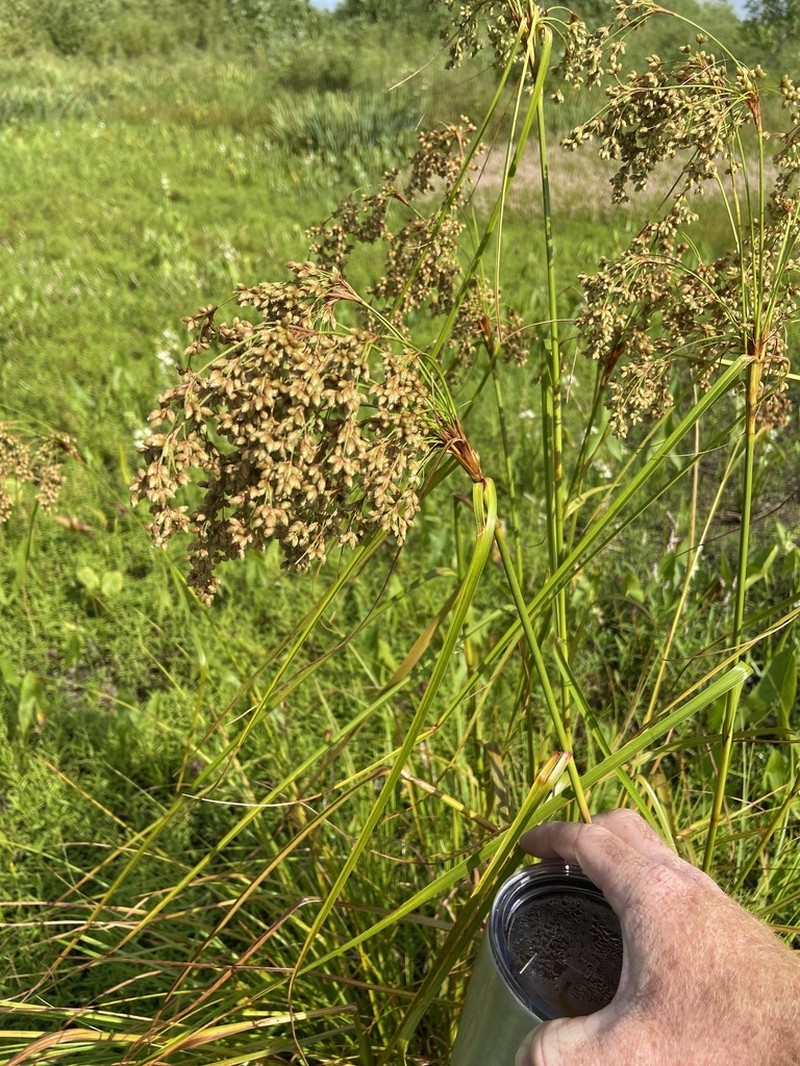
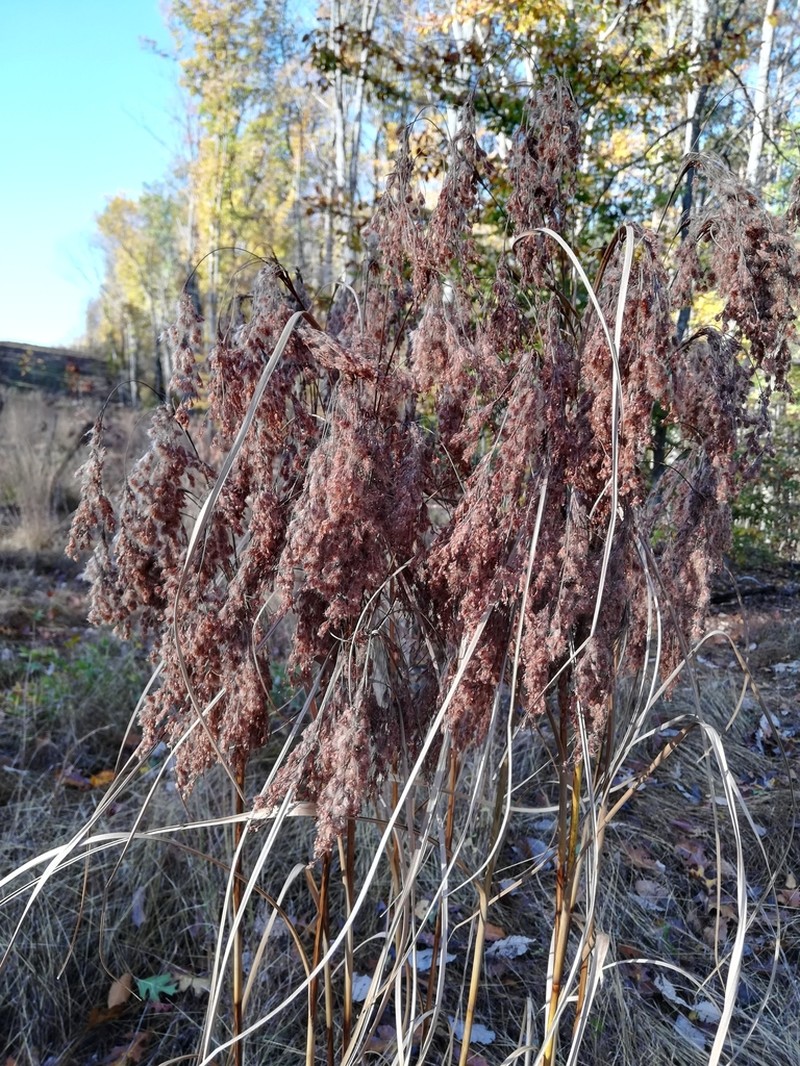
Taxonomy
- Division:
- Magnoliophyta | - Flowering plants
- Family:
- Cyperaceae
- Genus:
- Scirpus
- Species:
- Scirpus cyperinus
- USDA Symbol:
- SCCY
Growth Characteristics
- Life Cycle:
- Perennial
- Growth Habit:
- Graminoid
- Height:
- 150 cm
- Light Requirements:
- Full Sun
- Drought Tolerance:
- Low
- Bloom Months:
- jun,jul,aug
- Bloom Colors:
- brown, greenish
Wildlife Benefits
- Butterflies & Moths:
- ★☆☆☆☆ Documented Lepidoptera association (GBIF)
- Caterpillars:
- ★☆☆☆☆ Recorded caterpillar host plant (HOSTS Database)
Keystone Species Ranking
- Caterpillar Keystone:
- ★★☆☆☆ Butterfly & moth species supported by this genus (NWF)
Host Plant for Caterpillars
buttoned snout moth (Ledaea perditalis), Meropleon diversicolor, Dion Skipper (Euphyes dion), Eyed Brown (Satyrodes eurydice)
Garden & Ecology Notes
- Wildlife Value:
- birds, waterfowl, small mammals
- Deer Resistant:
- Yes
Soil Requirements
- Soil Type:
- rich, organic, moisture-retentive soil
- pH:
- 5.5 - 7.0 (slightly acidic to neutral)
- Drainage:
- tolerates poor drainage
- Moisture:
- consistently moist
- Notes:
- commonly found in wetlands and marshes
Propagation & Germination
- Stratification:
- Cold/moist stratification required — 30–60 days
- Germination Time:
- 14–30 days
- Notes:
- Seeds germinate readily after cold stratification; sow on moist soil surface with light.
Pre-treatment: Mix an equal amount of seeds with either perlite, vermiculite, or sphagnum peat moss. Add a small amount of water. Store in a refrigerator or garage (33-42 degrees F) for one month. Seeds can be stored this way for up to 3 years.
Establishment: Seeds are collected by hand from locally native plants within the eastern central Upper Peninsula. They grow in a dense wooly cluster and are collected in October-November. The plant is found in wet places such as meadows, shores, marshes, bogs, swamps, and along wet roadsides, and it prefers full sun.
Source: npn.rngr.net
Where to Buy
Nationwide Seller
- Vermont Wildflower Farm (nursery and seeds)
- Pizzo Native Plant Nursery (wholesale nursery)
- Sheffield's Seed (seeds)
- Prairie Moon Nursery (nursery and seeds)