
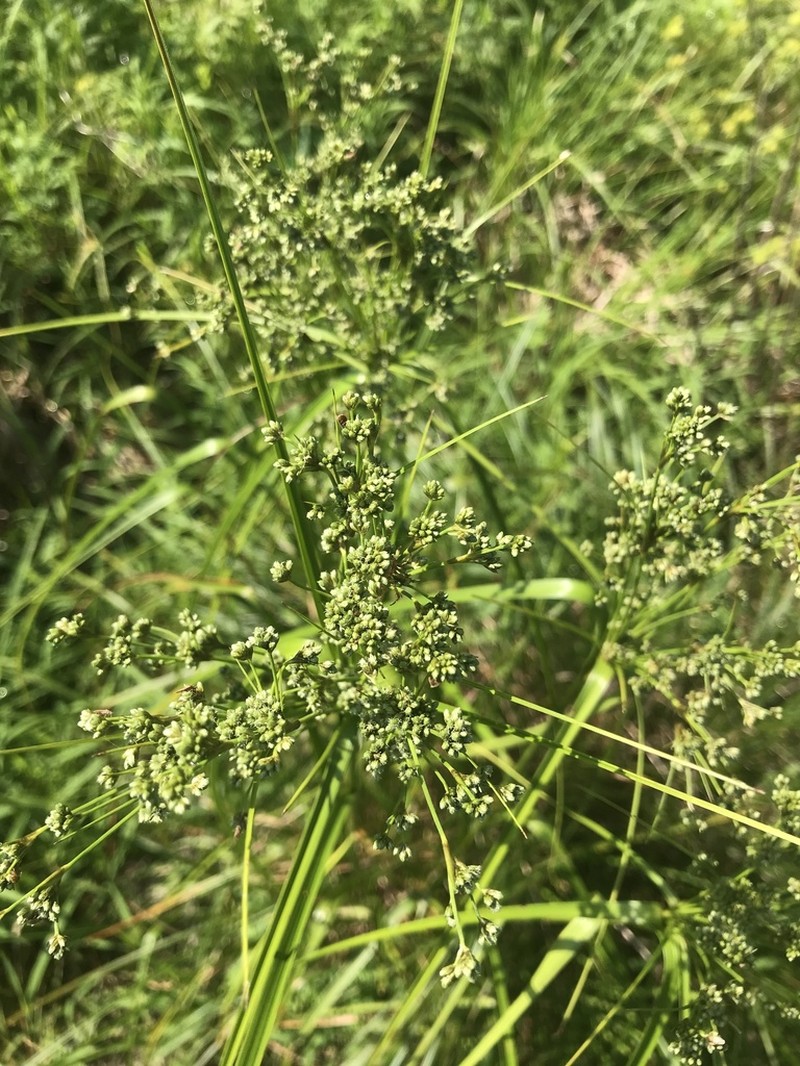
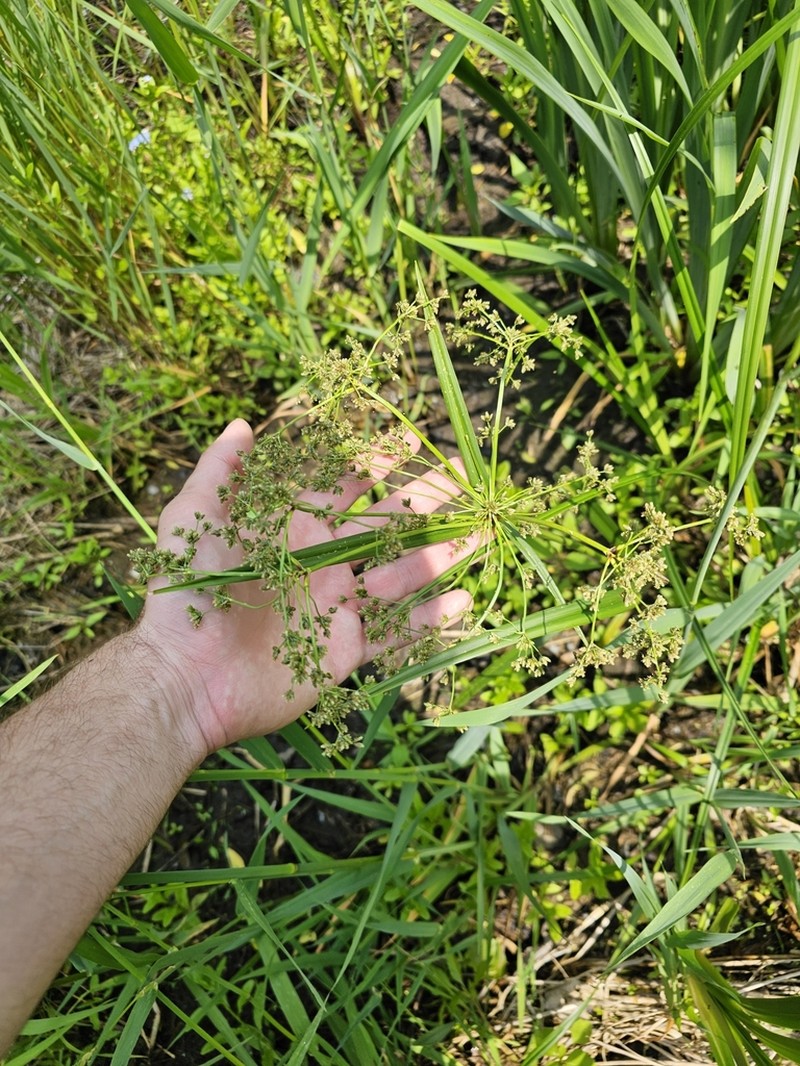
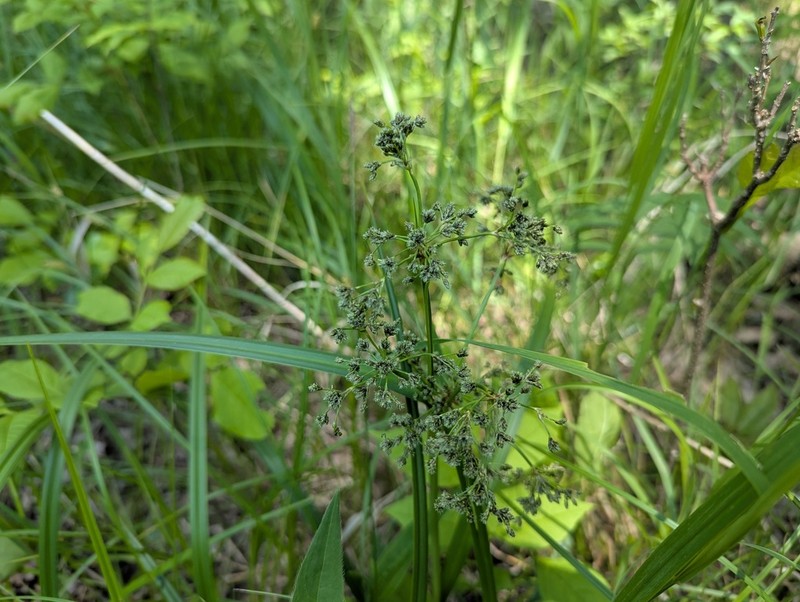
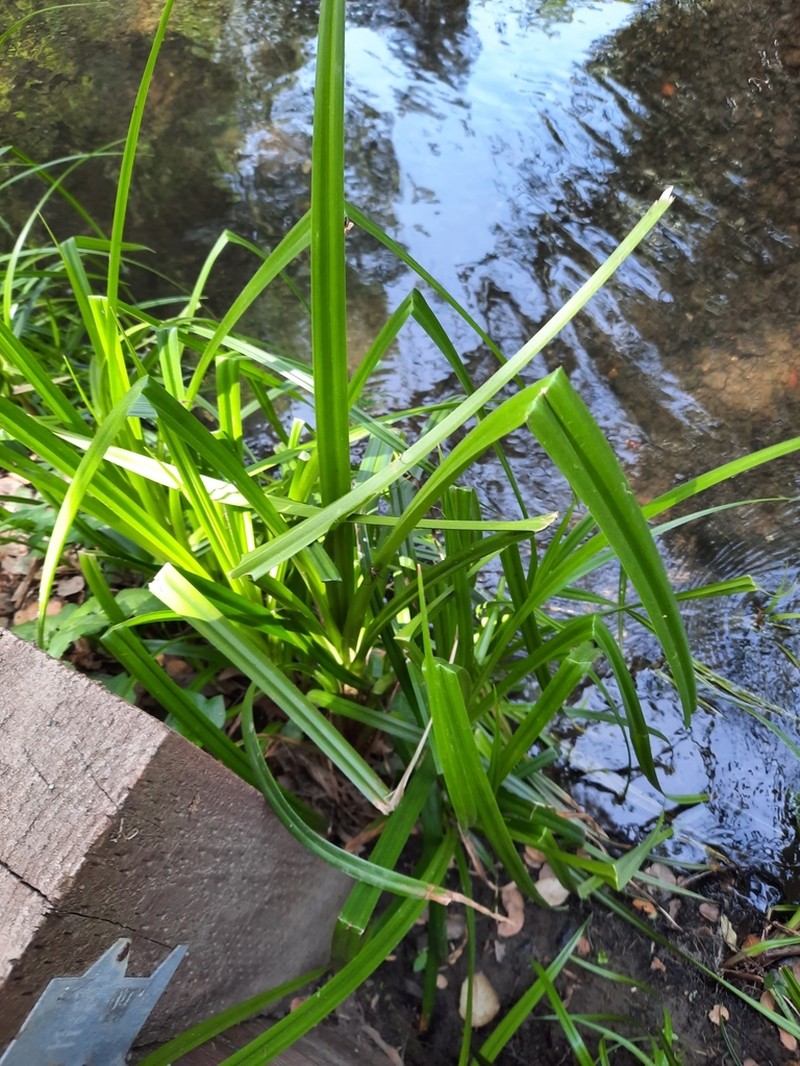
Panicled Bulrush
Scirpus microcarpus
- Native to:
- Canada, Labrador, Mexico, Prince Edward I., Russia, United States
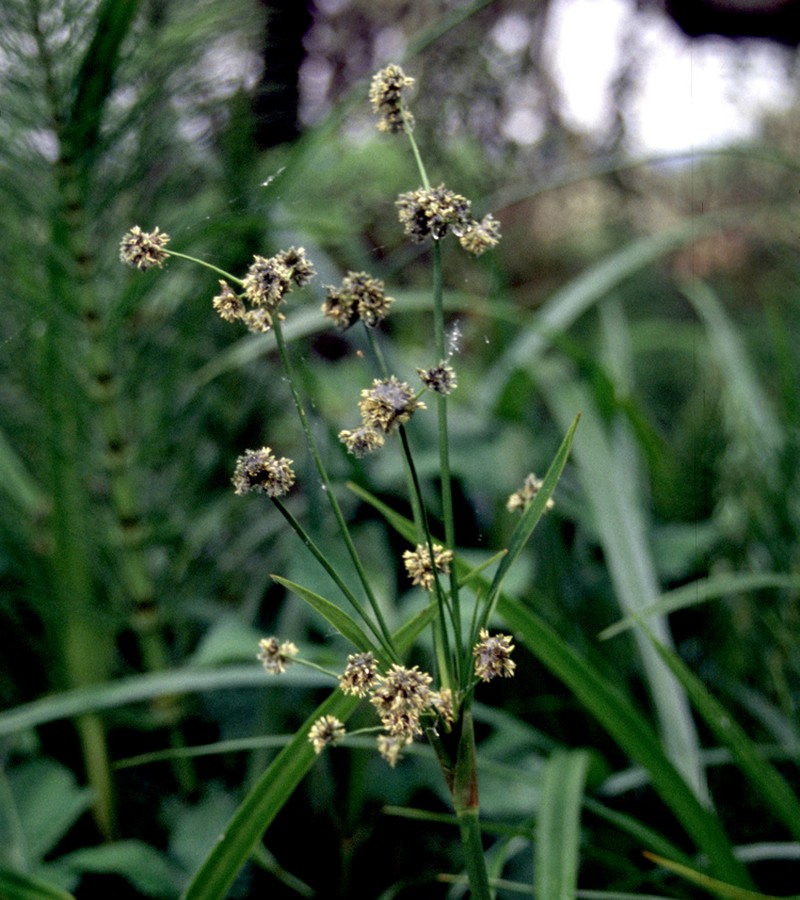
Dcrjsr
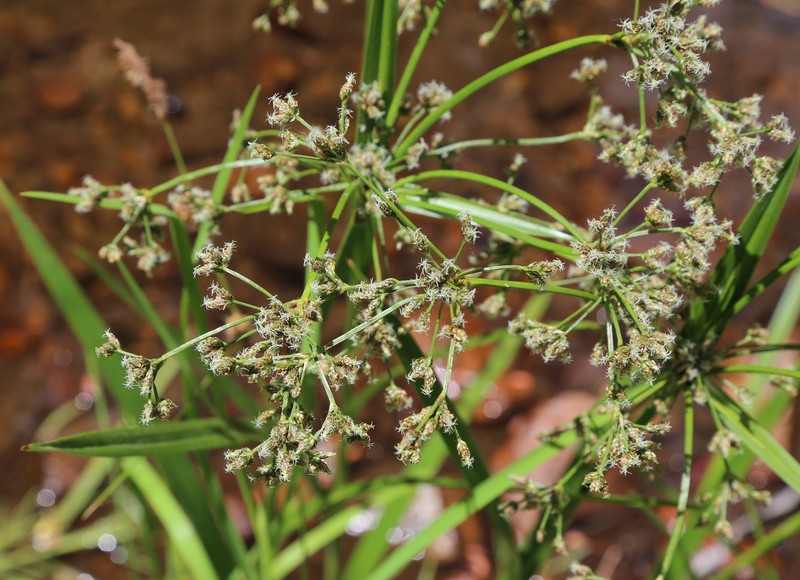
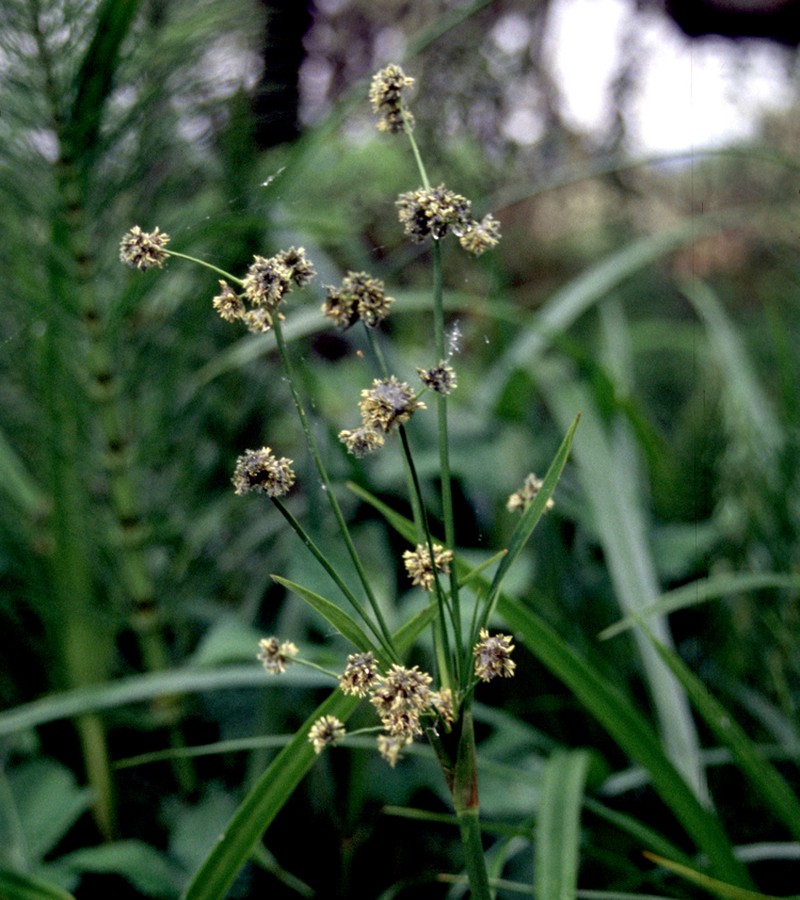
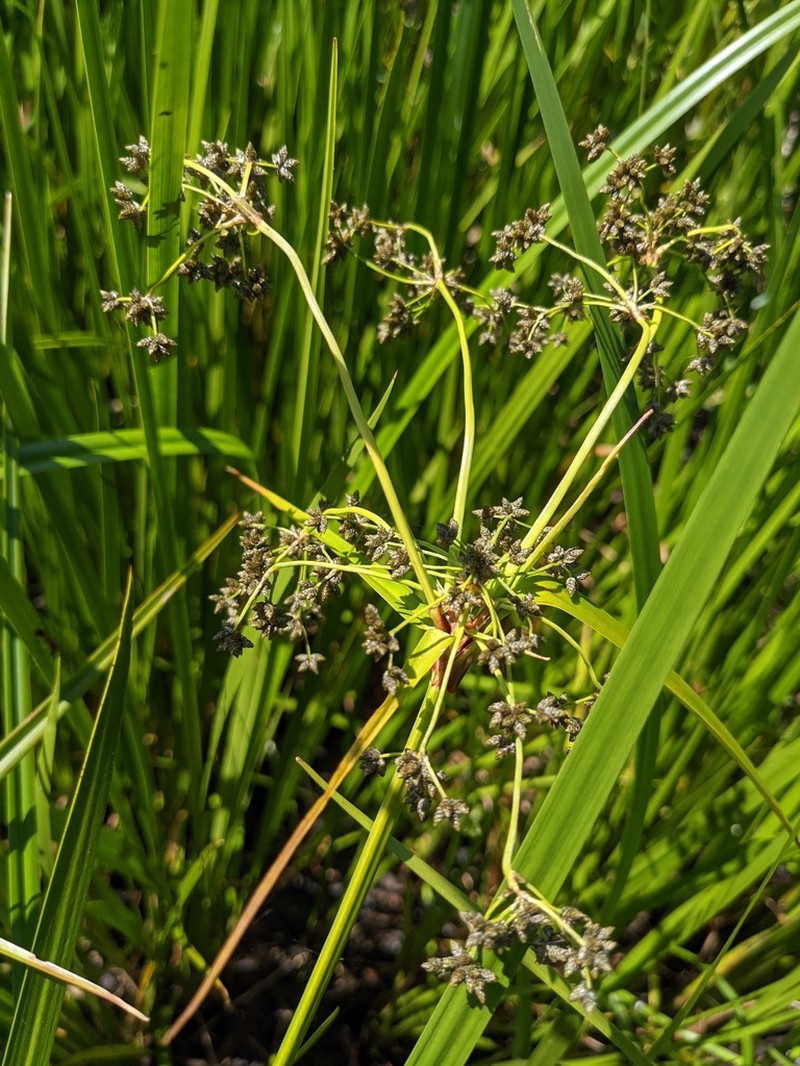
Taxonomy
- Division:
- Magnoliophyta | - Flowering plants
- Family:
- Cyperaceae
- Genus:
- Scirpus
- Species:
- Scirpus microcarpus
- USDA Symbol:
- SCMI2
Growth Characteristics
- Life Cycle:
- Perennial
- Growth Habit:
- Graminoid
- Height:
- 150 cm
- Light Requirements:
- Full Sun
- Drought Tolerance:
- Low
- Bloom Months:
- jun,jul,aug
- Bloom Colors:
- greenish, brown
Keystone Species Ranking
- Caterpillar Keystone:
- ★★☆☆☆ Butterfly & moth species supported by this genus (NWF)
Garden & Ecology Notes
- Wildlife Value:
- birds, waterfowl, small mammals
Soil Requirements
- Soil Type:
- rich, moisture-retentive loamy soil
- pH:
- 5.5 - 7.0 (slightly acidic to neutral)
- Drainage:
- tolerates poor drainage
- Moisture:
- consistently moist
- Notes:
- commonly found in wetlands and marshes
Propagation & Germination
- Stratification:
- Cold/moist stratification required — 30–60 days
- Germination Time:
- 14–30 days
- Notes:
- Seeds germinate best after cold stratification; sow on moist soil surface and keep consistently wet.
Pre-treatment: Seeds are either mixed with sand and sown directly into containers with a specific growing medium and refrigerated at 1 to 3 °C for 60 days, or stored in cool-dry conditions with temperatures of approximately 10° C and relative humidity of 20 to 30%, then placed outside for natural over-winter stratification.
Establishment: There are variations in the pre-treatment and establishment protocols. The choice of protocol may depend on the specific conditions and resources available.
Source: npn.rngr.net
Where to Buy
Nationwide Seller
- Prairie Moon Nursery (nursery and seeds)