
Common Persimmon
Diospyros virginiana
- Native to:
- United States, Virgin Islands
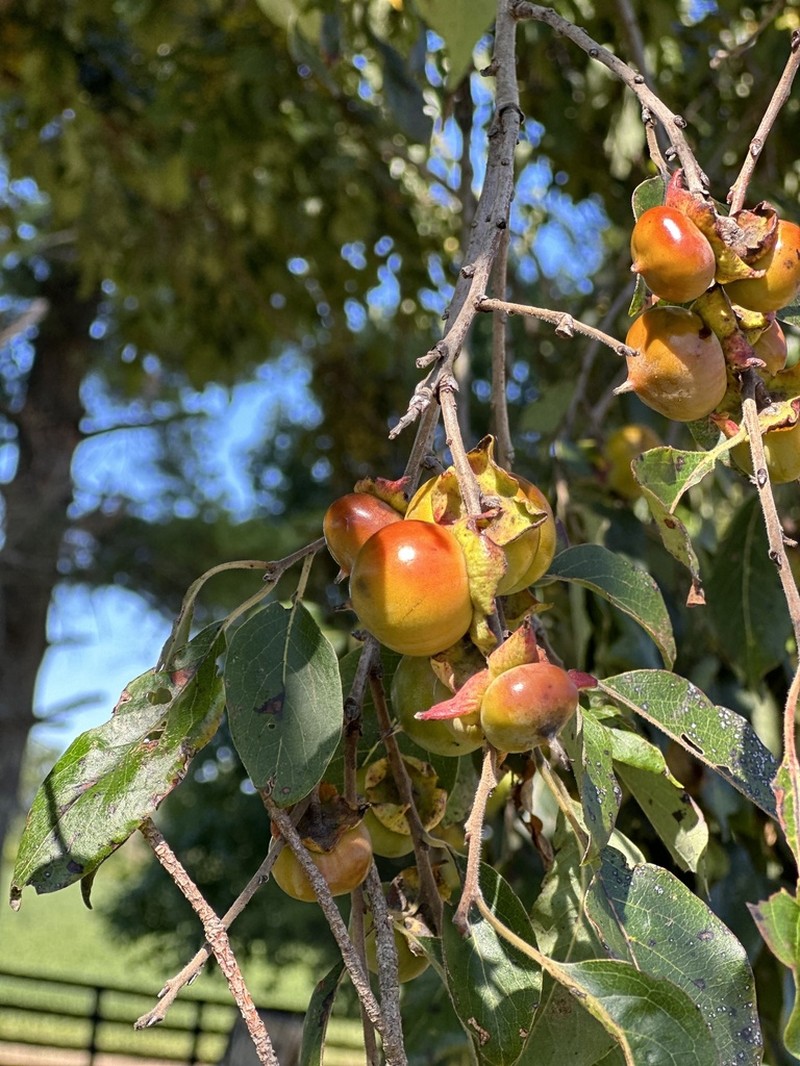
iNaturalist: © ziyi7 (iNaturalist #183837450)
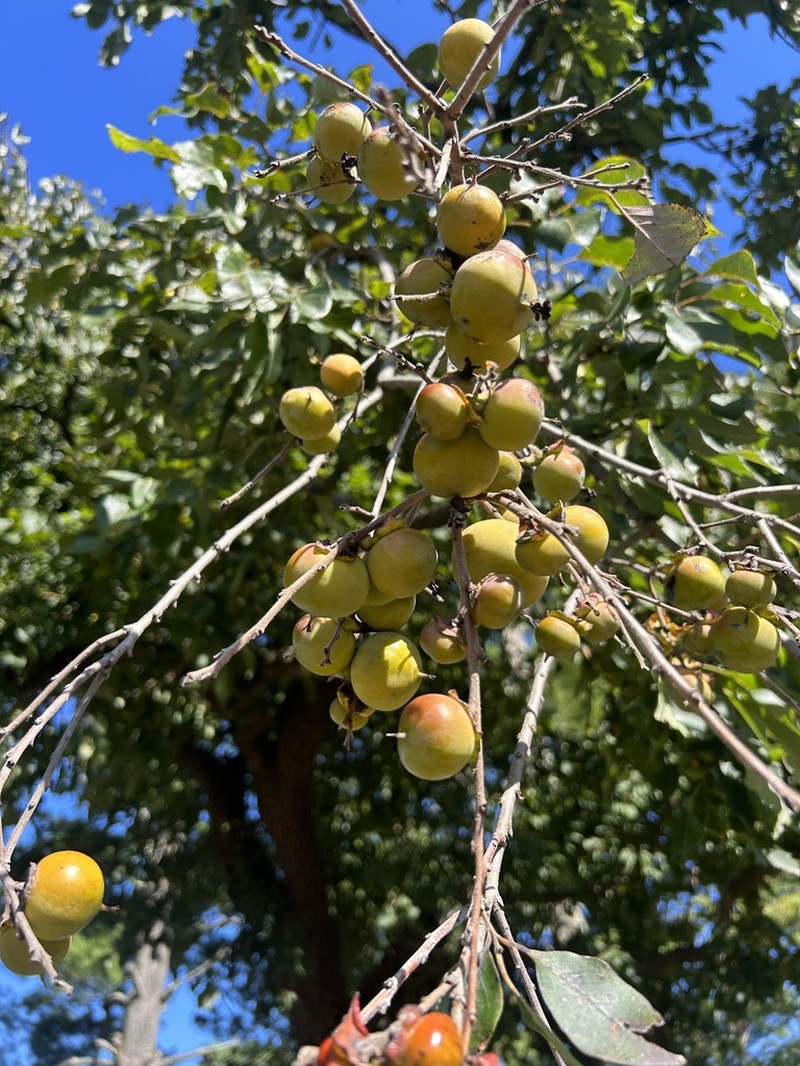

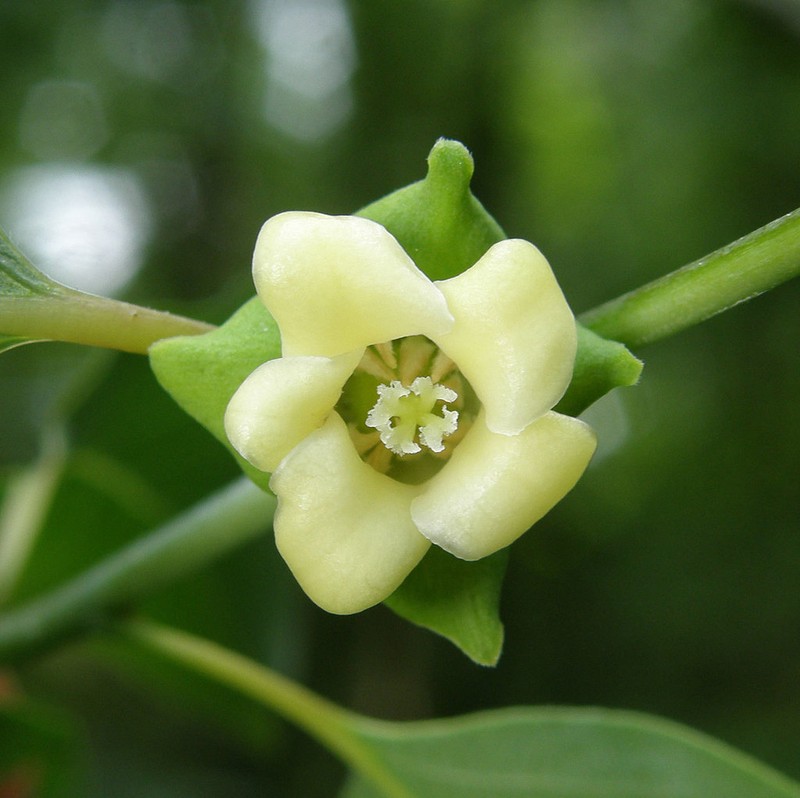
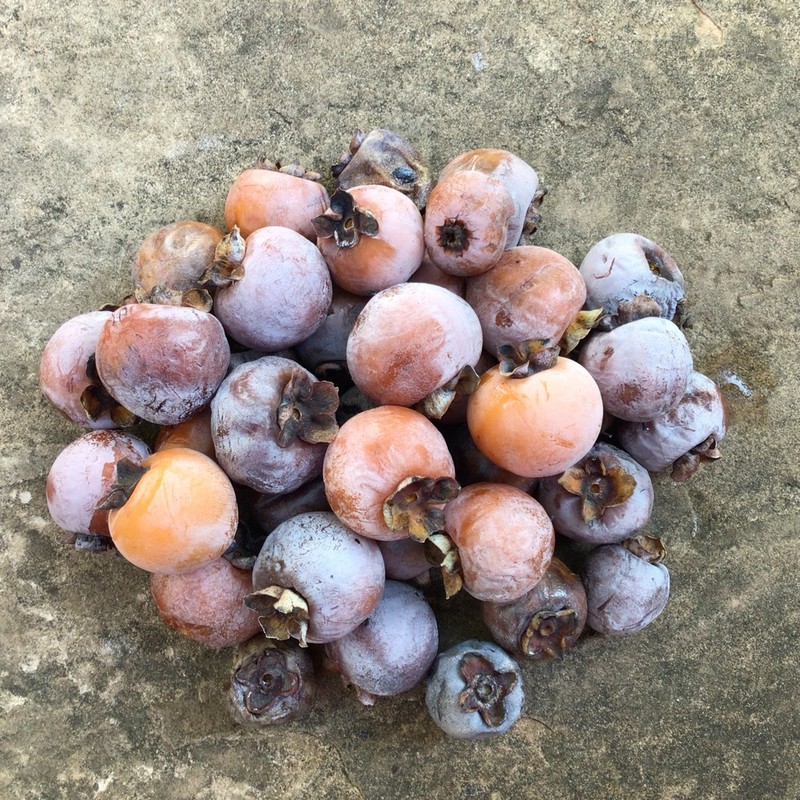
Taxonomy
- Division:
- Magnoliophyta | - Flowering plants
- Family:
- Ebenaceae
- Genus:
- Diospyros
- Species:
- Diospyros virginiana
- USDA Symbol:
- DIVI5
Growth Characteristics
- Life Cycle:
- Perennial
- Growth Habit:
- Tree
- Height:
- 3000 cm
- Light Requirements:
- Full Sun,Part Shade
- Drought Tolerance:
- High
- Bloom Months:
- may,jun
- Bloom Colors:
- greenish-yellow
- Food Forest:
- Contains edible parts
Wildlife Benefits
- Bees:
- ★☆☆☆☆ Documented bee visitation (GBIF)
- Butterflies & Moths:
- ★★★★★ Documented Lepidoptera association (GBIF)
- Caterpillars:
- ★★★★☆ Recorded caterpillar host plant (HOSTS Database)
Keystone Species Ranking
- Caterpillar Keystone:
- ★★★★☆ Butterfly & moth species supported by this genus (NWF)
Host Plant for Caterpillars
American plum borer (Euzophera semifuneralis), Bagworm moth (Thyridopteryx ephemeraeformis), Cecropia moth (Hyalophora cecropia), Coptodisca diospyriella, Cossula magnifica, dot-lined white (Artace cribraria), Echo Moth (Seirarctia echo), Eumarozia malachitana, Exelis pyrolaria, Fall webworm (Hyphantria cunea), Glover's Bagworm Moth (Cryptothelea gloverii), gray renia (Renia adspergillus), Gypsy moth (Lymantria dispar), Harrisimemna trisignata, Hypocala andremona, Imperial Moth (Eacles imperialis), Large necklace moth (Hypsoropha monilis), Large Tolype (Tolype velleda), long-winged dagger moth (Acronicta longa), Luna moth (Actias luna), Monoleuca semifascia, Penitent Underwing (Catocala piatrix), Promethea silkmoth (Callosamia promethea), Red-humped caterpillar moth (Schizura concinna), Regal Moth (Citheronia regalis), Small necklace moth (Hypsoropha hormos), southern metarranthis moth (Metarranthis hypochraria), Synanthedon uroceriformis, Tersa sphinx (Xylophanes tersa), Variable antepione (Antepione thisoaria), Variable Oakleaf Caterpillar Moth (Lochmaeus manteo), White-marked Tussock Moth (Orgyia leucostigma), white-marked tussock moth (Dasychira leucophaea)
Reported Fauna Sightings
Bees: Common eastern bumble bee (Bombus impatiens) Moths:Coelodasys Packard, Coptodisca diospyriella, Exelis pyrolaria, Fall webworm (Hyphantria cunea)
Garden & Ecology Notes
- Wildlife Value:
- birds, mammals, butterflies
- Fragrant:
- Yes
- Fall Color:
- yellow, orange, red
- Fire Ecology:
- Fire adapted — tolerates or benefits from fire
- Fire Notes:
- Mature trees are fire-tolerant; fire can help control competing vegetation and promote seedling establishment.
Soil Requirements
- Soil Type:
- rich, well-drained loamy soil
- pH:
- 5.5 - 7.5 (slightly acidic to neutral)
- Drainage:
- tolerates poor drainage
- Moisture:
- dry to moderate
- Notes:
- adaptable to various soil types, including sandy and clay soils
Propagation & Germination
- Stratification:
- Cold/moist stratification required — 60–90 days
- Germination Time:
- 30–60 days
- Notes:
- Seeds require cold stratification for 60-90 days to break dormancy; germination occurs in spring.
Pre-treatment: Seeds can be sown directly after cleaning or cold stratified at 40°F for 90 days or stratified in damp sphagnum peat moss for three or four months in 36° to 40°F refrigerator.
Establishment: Seeds are collected from various locations including Cumberland Gap National Historical Park, Shenandoah National Park, Great Smoky Mountains National Park, and Chickasaw National Recreation Area. The protocols vary slightly in terms of pre-treatment and sowing techniques.
Source: npn.rngr.net
ORGHPS Germination Guide: Sow @ 4C for 3 months, then place @ 20C for 3 months. Pulpy coat -- soak & rinse daily 7 days to remove.
Where to Buy
Nationwide Seller
- Sheffield's Seed (seeds)
- Native Plants Nursery (nursery)