
Autumn Olive
Elaeagnus umbellata
- Native to:
- Afghanistan, China, Japan, Korea, Nepal, Pakistan
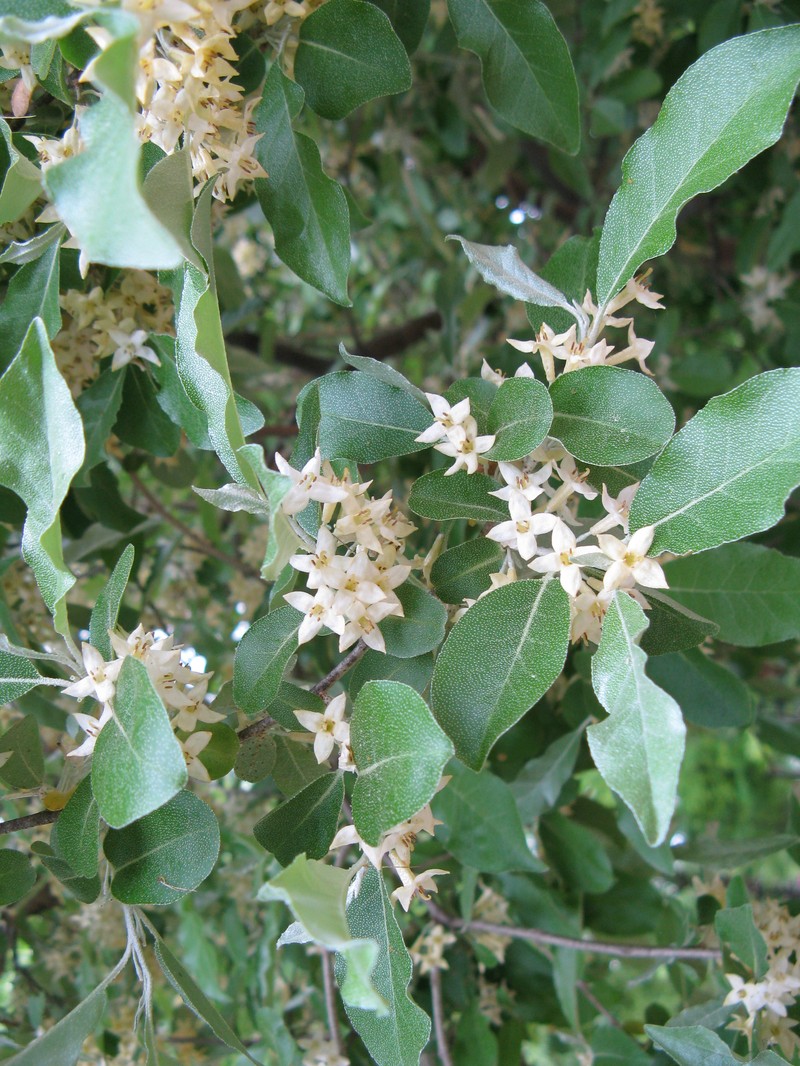
KENPEI
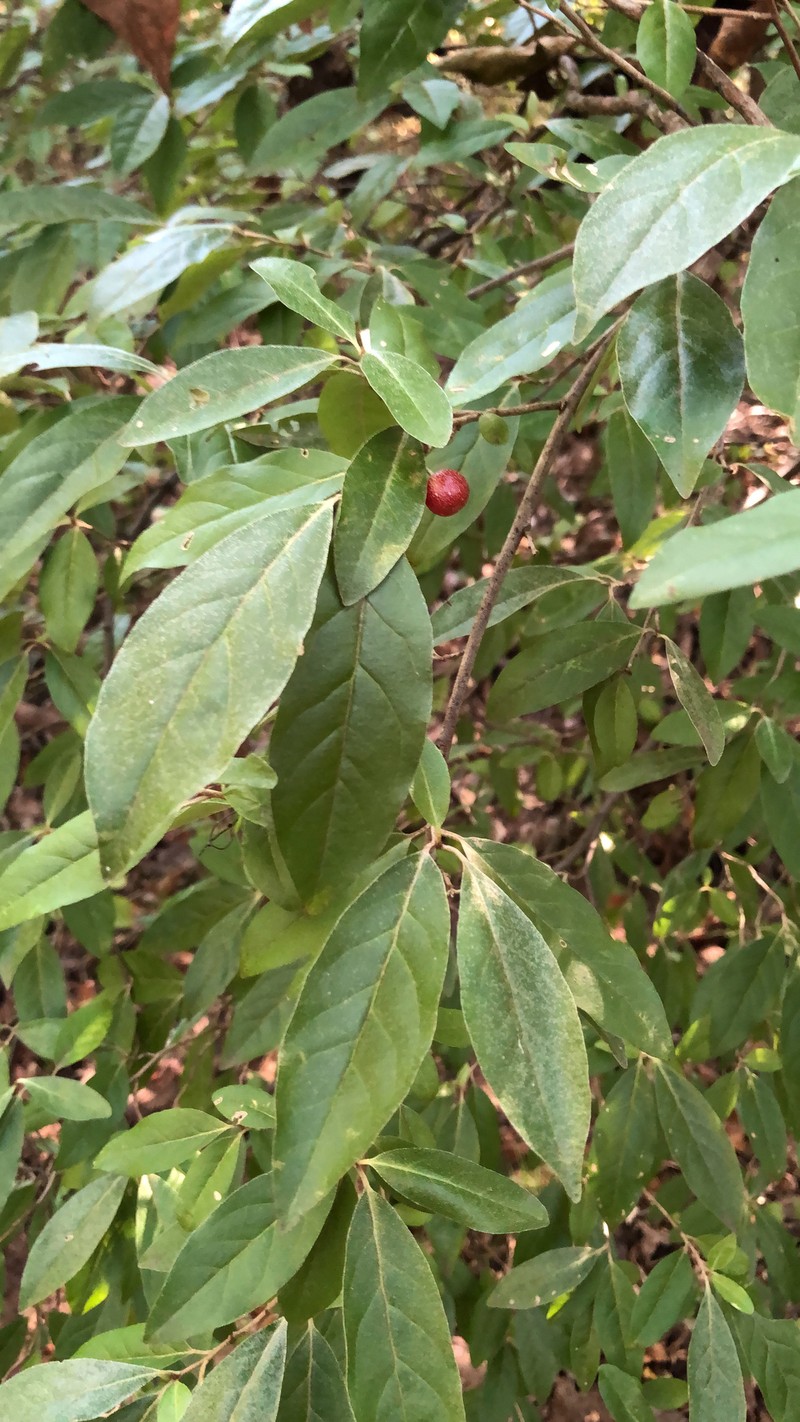
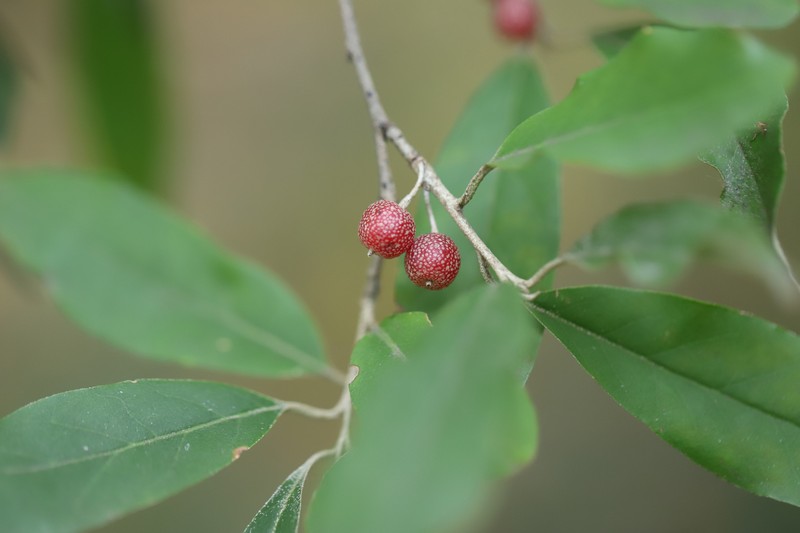
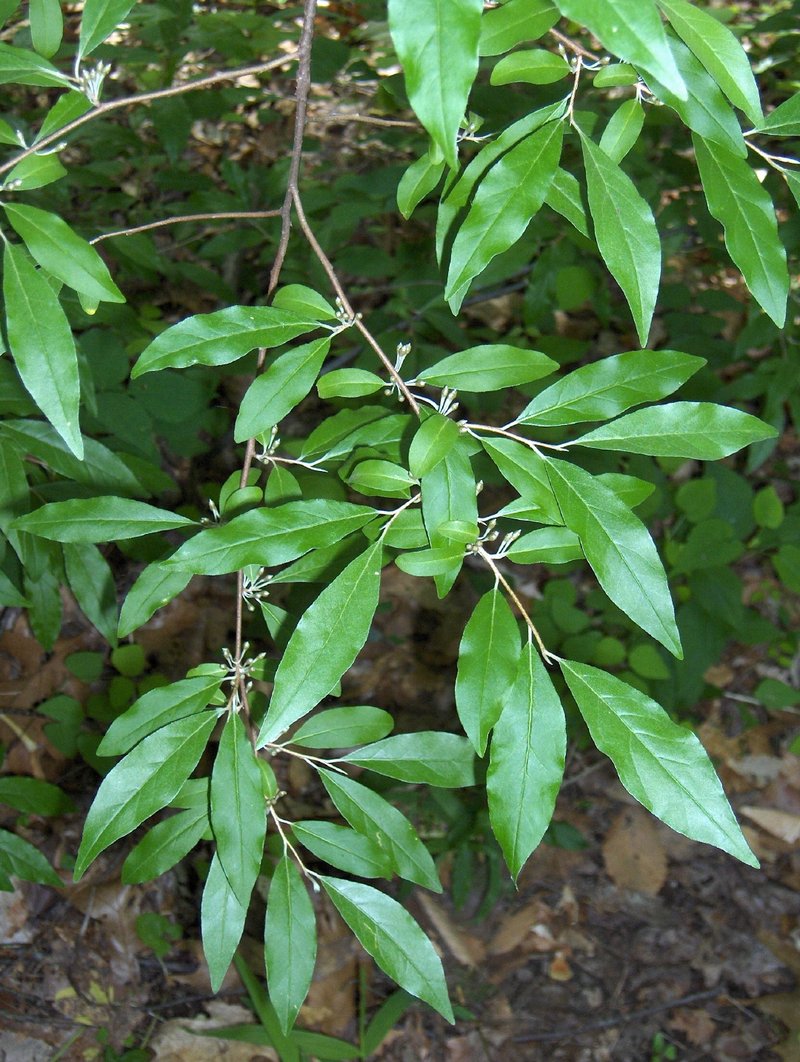
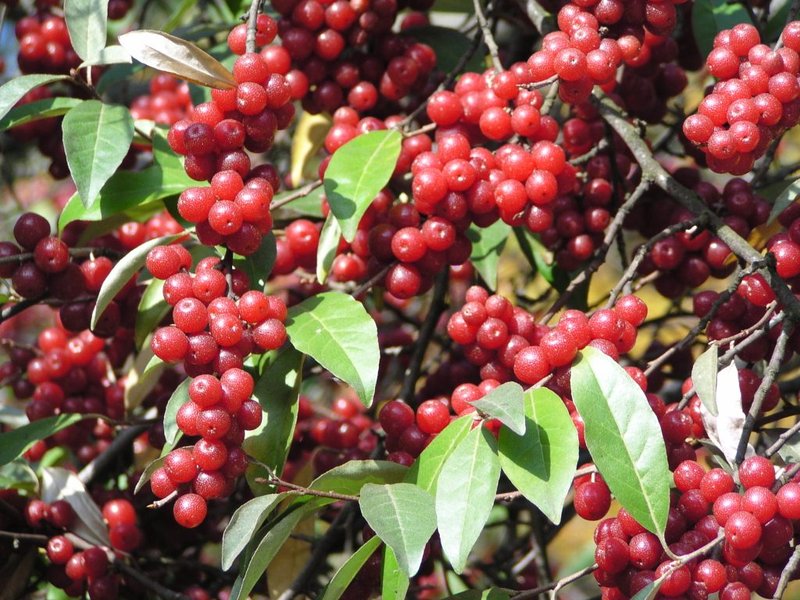
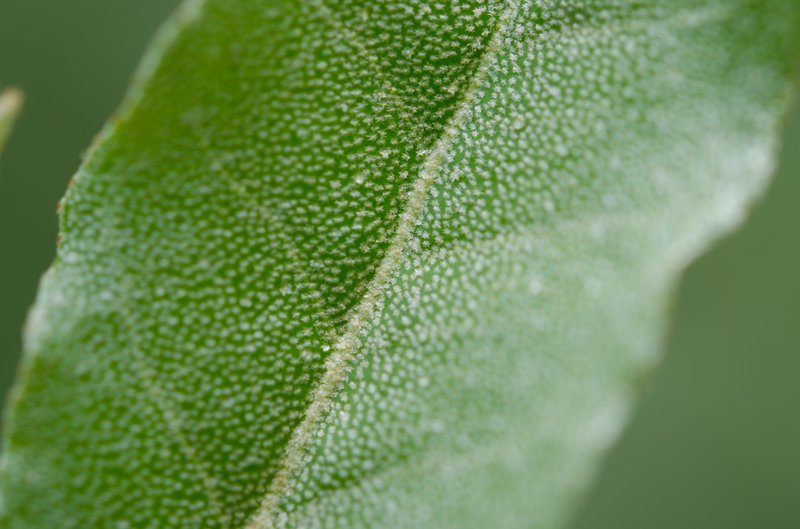
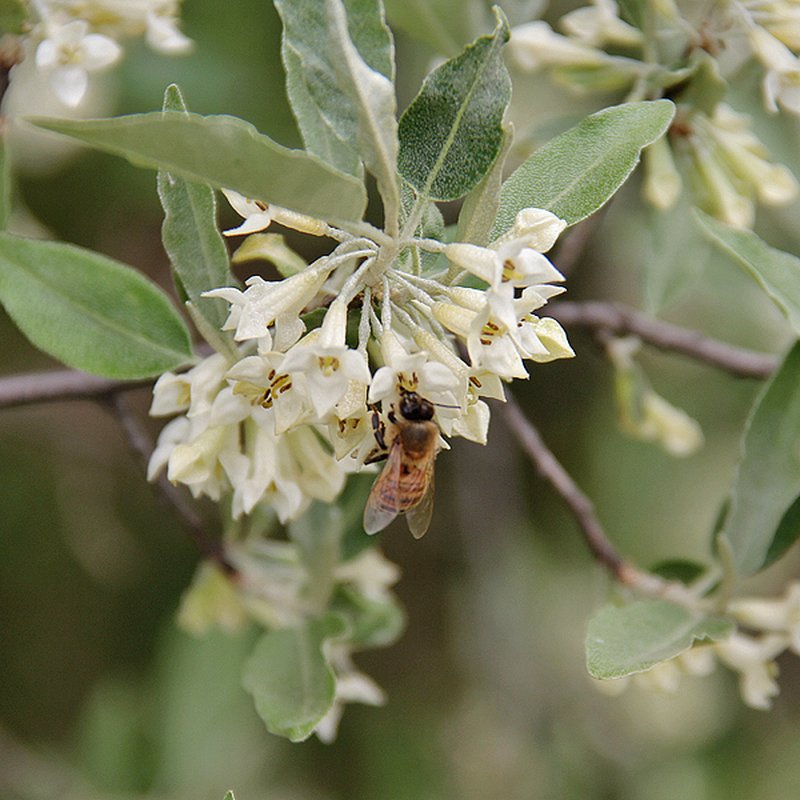
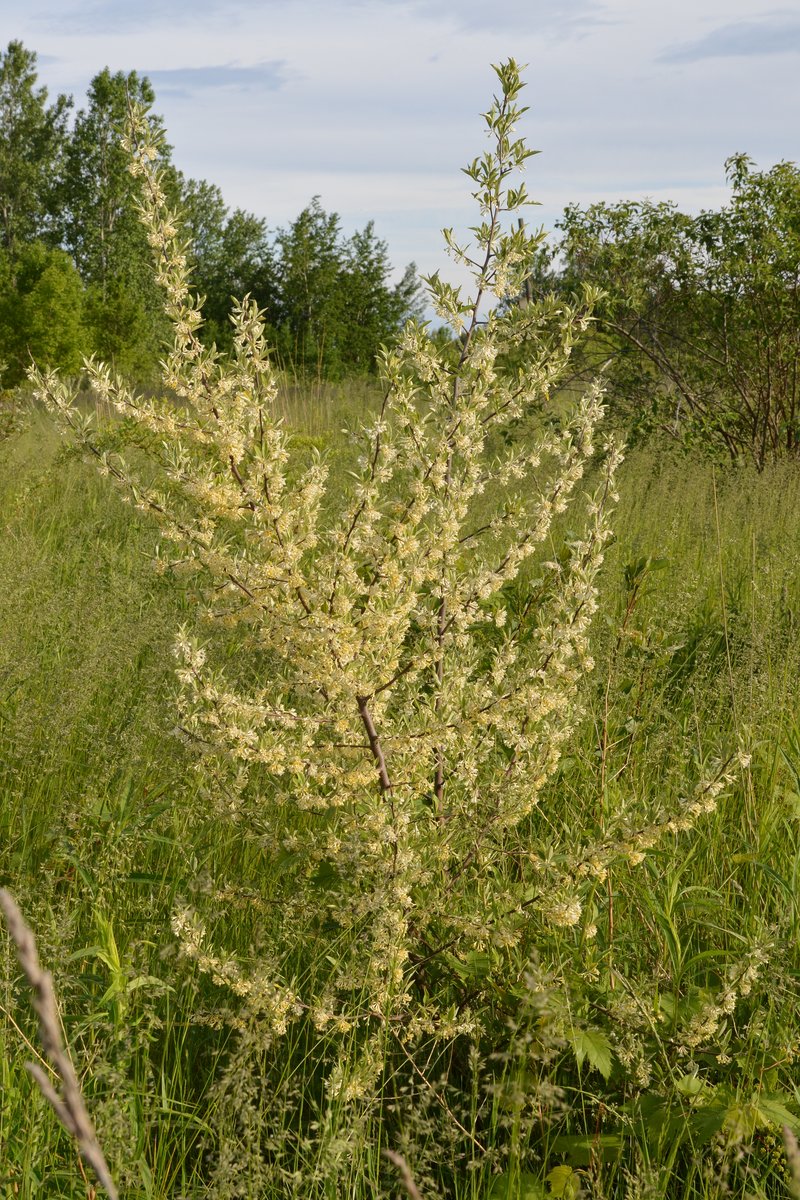
Taxonomy
- Division:
- Magnoliophyta | - Flowering plants
- Family:
- Elaeagnaceae
- Genus:
- Elaeagnus
- Species:
- Elaeagnus umbellata
- USDA Symbol:
- ELUM
Growth Characteristics
- Life Cycle:
- Perennial
- Growth Habit:
- Shrub
- Height:
- 600 cm
- Light Requirements:
- Full Sun
- Drought Tolerance:
- High
- Bloom Months:
- apr,may,jun
- Bloom Colors:
- white, yellow
- Landscaping Shrub:
- Yes
Wildlife Benefits
- Bees:
- ★★☆☆☆ Documented bee visitation (GBIF)
- Butterflies & Moths:
- ★★★★☆ Documented Lepidoptera association (GBIF)
Reported Fauna Sightings
Bees: Brown-belted bumble (Bombus griseocollis), Common eastern (Bombus impatiens), Eastern Carpenter Bee (Xylocopa virginica), ⚠️Western honey bee (Apis mellifera) Moths:Bagworm moth (Thyridopteryx ephemeraeformis), Fall webworm (Hyphantria cunea), Hickory Tussock Moth (Lophocampa caryae), Salt Marsh Moth (Estigmene acrea) Butterflies:Eastern Tiger Swallowtail (Papilio glaucus), Red Admiral (Vanessa atalanta)
Garden & Ecology Notes
- Wildlife Value:
- birds, small mammals
- Salt Tolerant:
- Yes
- Fragrant:
- Yes
- Fire Ecology:
- Fire adapted — tolerates or benefits from fire
- Fire Notes:
- Resprouts vigorously after fire; can increase in density post-fire.
Soil Requirements
- Soil Type:
- well-drained, sandy or loamy soil
- pH:
- 6.0 - 7.5 (slightly acidic to neutral)
- Drainage:
- excellent drainage required
- Moisture:
- dry to moderate
- Notes:
- tolerates poor soil fertility
Propagation & Germination
- Stratification:
- Cold/moist stratification required — 60–90 days
- Germination Time:
- 30–60 days
- Notes:
- Seeds benefit from cold stratification for 60-90 days to break dormancy.
Where to Buy
Nationwide Seller
- Sheffield's Seed (seeds)