
Roundleaf Buffaloberry
Shepherdia rotundifolia
- Native to:
- United States
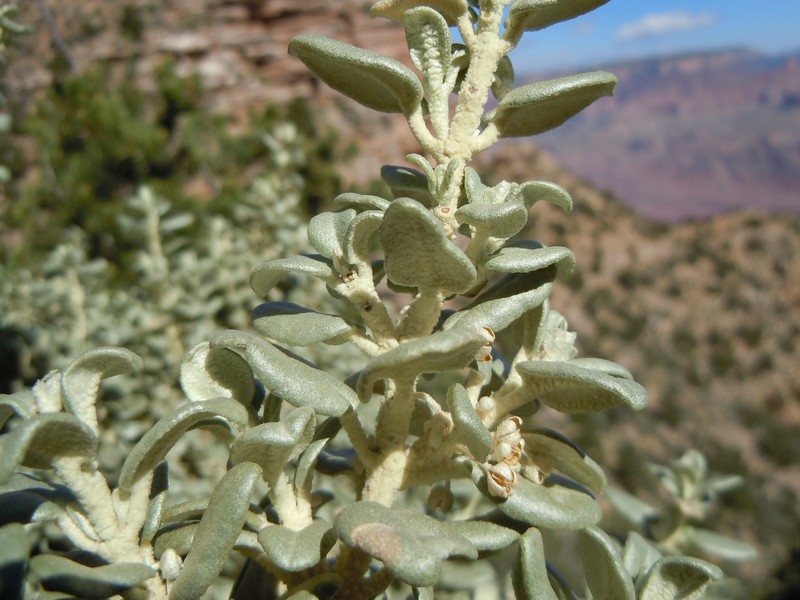
Matt Lavin (www.flickr.com) from Bozeman, Montana, USA
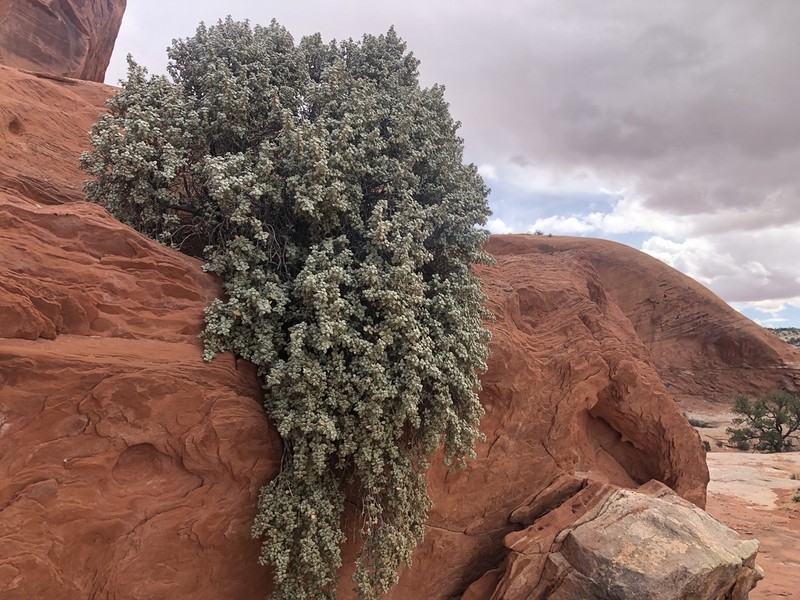
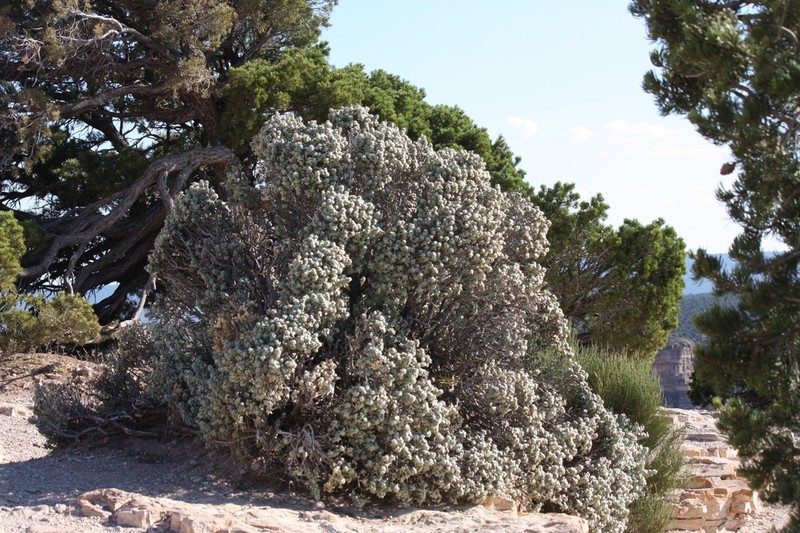
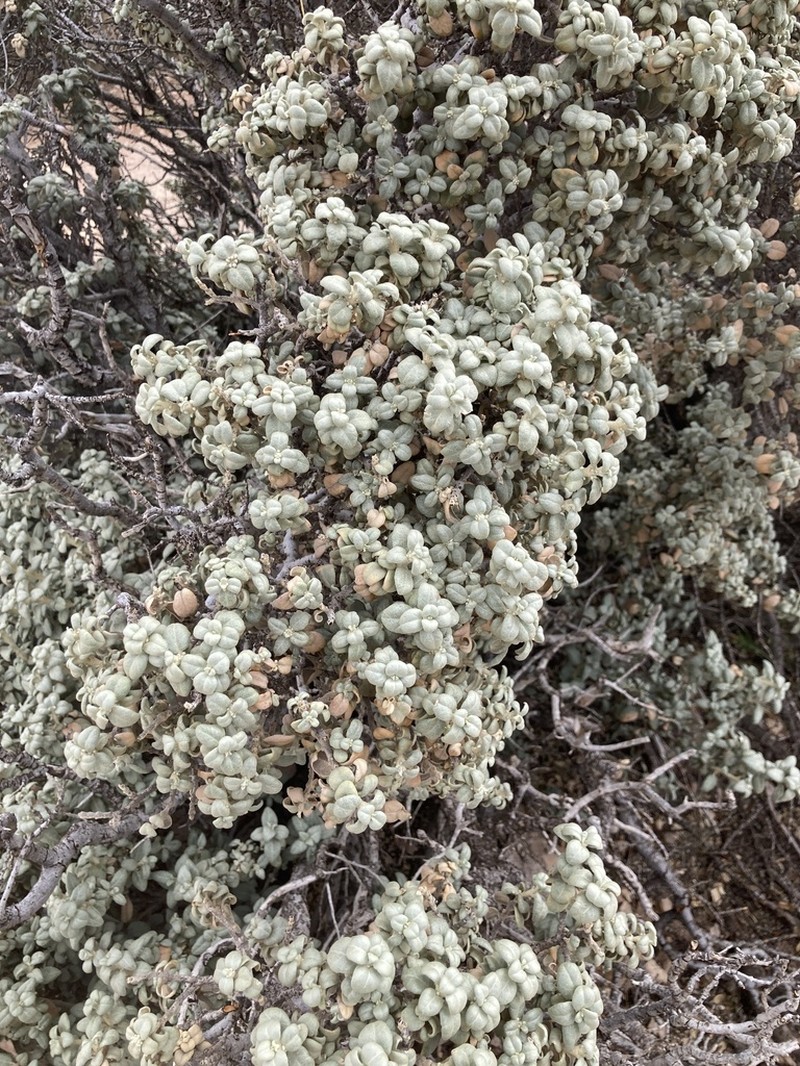
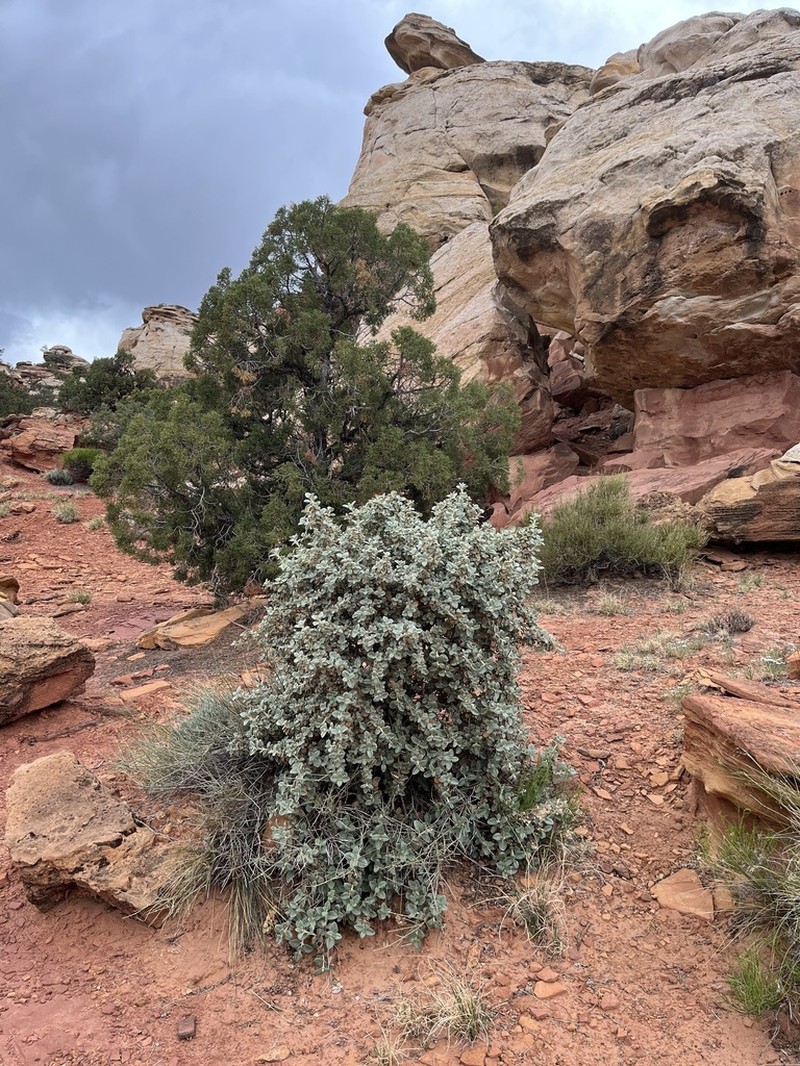
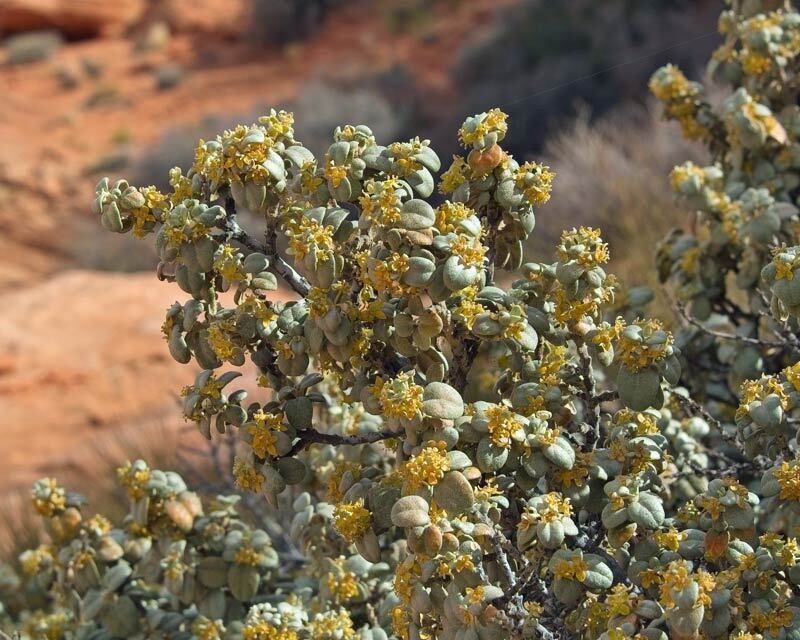
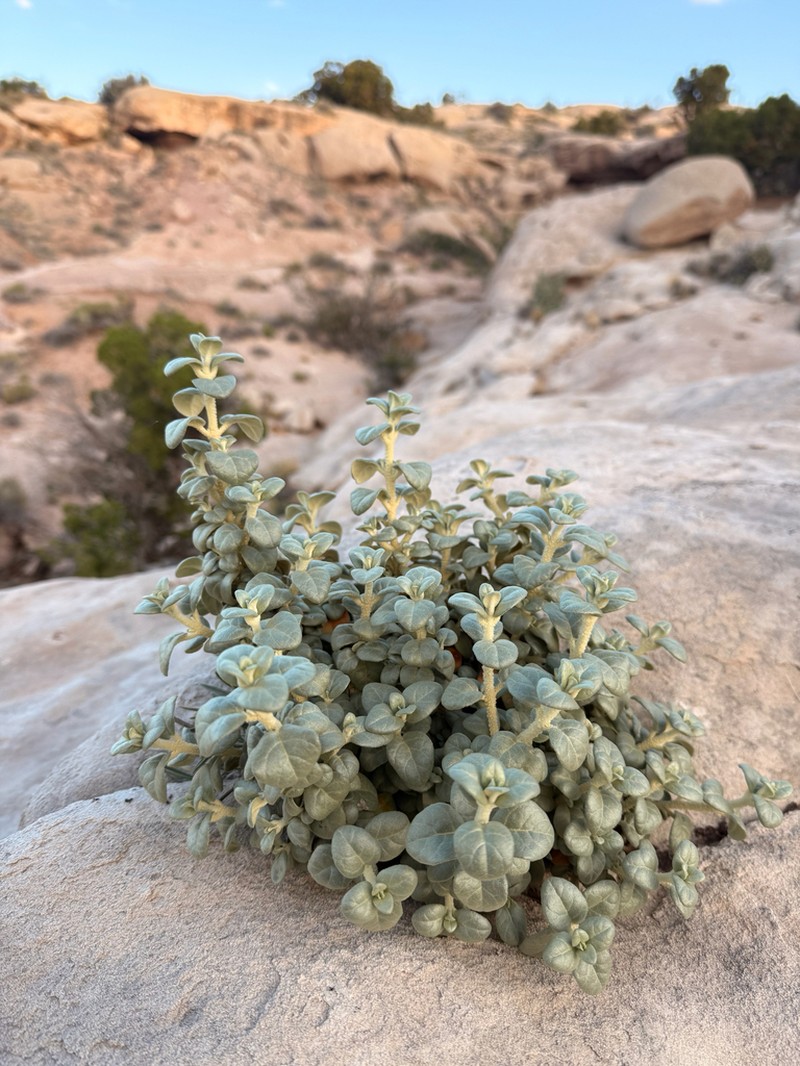
Taxonomy
- Division:
- Magnoliophyta | - Flowering plants
- Family:
- Elaeagnaceae
- Genus:
- Shepherdia
- Species:
- Shepherdia rotundifolia
- USDA Symbol:
- SHRO
Growth Characteristics
- Life Cycle:
- Perennial
- Growth Habit:
- Shrub
- Height:
- 300 cm
- Light Requirements:
- Full Sun
- Drought Tolerance:
- High
- Bloom Months:
- mar,apr,may
- Bloom Colors:
- yellow
- Evergreen Shrub:
- Yes
- Landscaping Shrub:
- Yes
Garden & Ecology Notes
- Wildlife Value:
- birds, small mammals
- Deer Resistant:
- Yes
Soil Requirements
- Soil Type:
- rocky, well-drained, nutrient-poor soil
- pH:
- 7.0 - 8.5 (neutral to slightly alkaline)
- Drainage:
- excellent drainage required
- Moisture:
- dry to moderate
- Notes:
- native to arid, rocky regions
Propagation & Germination
- Stratification:
- Cold/moist stratification required — 60–90 days
- Scarification:
- Seed coat scarification required before sowing
- Germination Time:
- 30–60 days
- Notes:
- Seeds require scarification (nicking or hot water treatment) followed by cold stratification for 60-90 days to break dormancy.
Pre-treatment: Seeds are stratified naturally by planting them in the fall in a thin layer of sand on mulched field beds.
Establishment: Seeds are wild collected during fall months and are kept separated according to site, elevation and source. The fruit of Shepherdia rotundifolia is a fleshy berry. The plant is found in Juniper-pinyon woodlands of the Colorado plateau of central and southern Utah and northern Arizona.
Source: npn.rngr.net