
Arctostaphylos crustacea
Arctostaphylos crustacea
- Native to:
- United States | CA
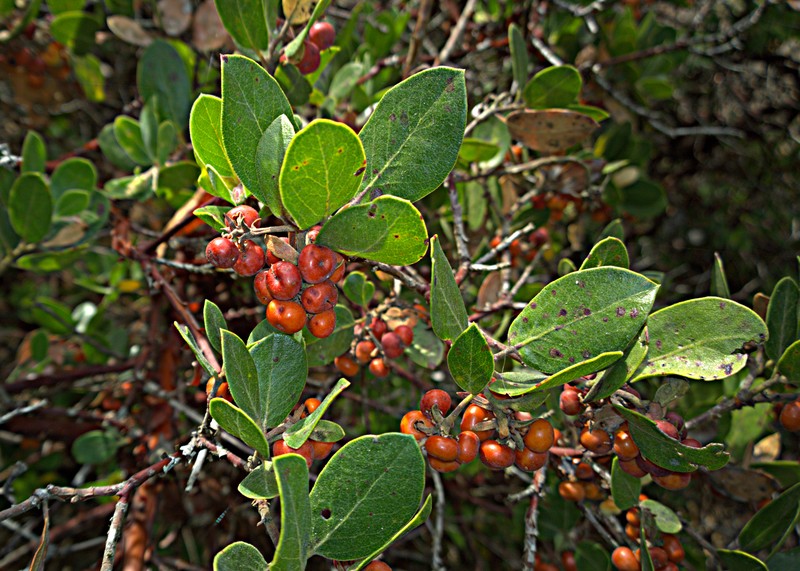
Wikimedia: John Rusk (www.flickr.com) from Berkeley, CA, United States of America
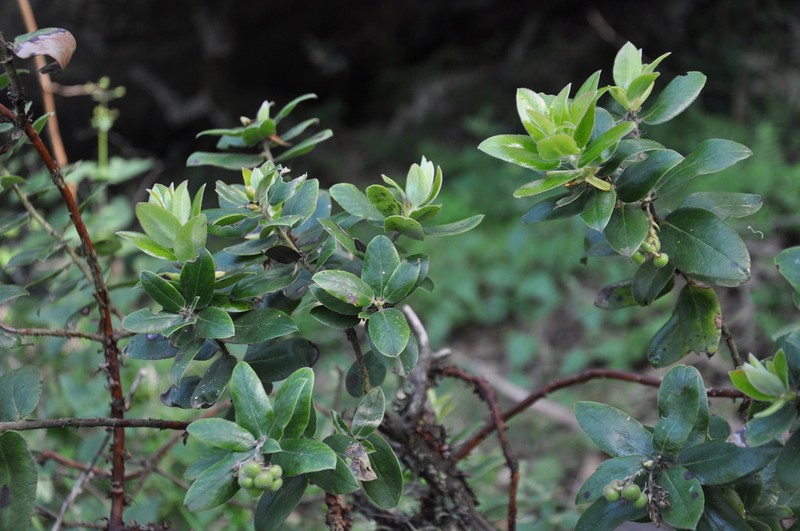
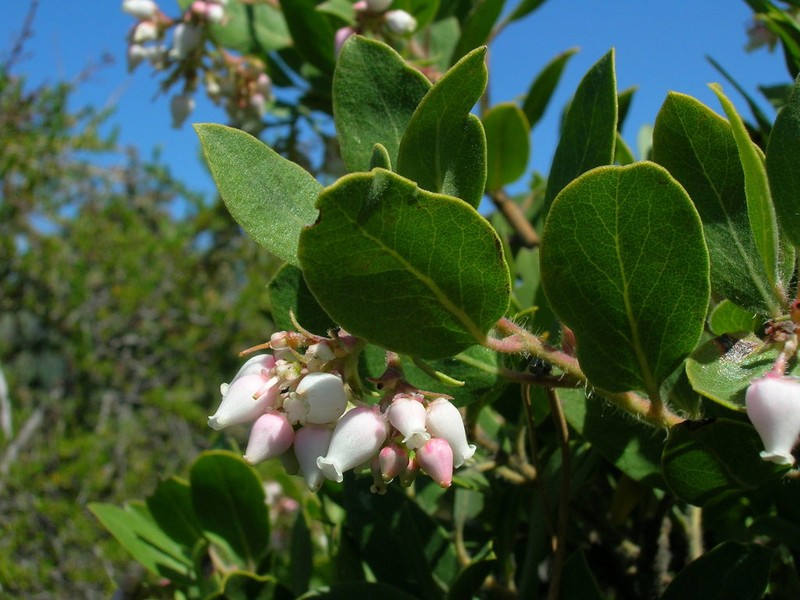
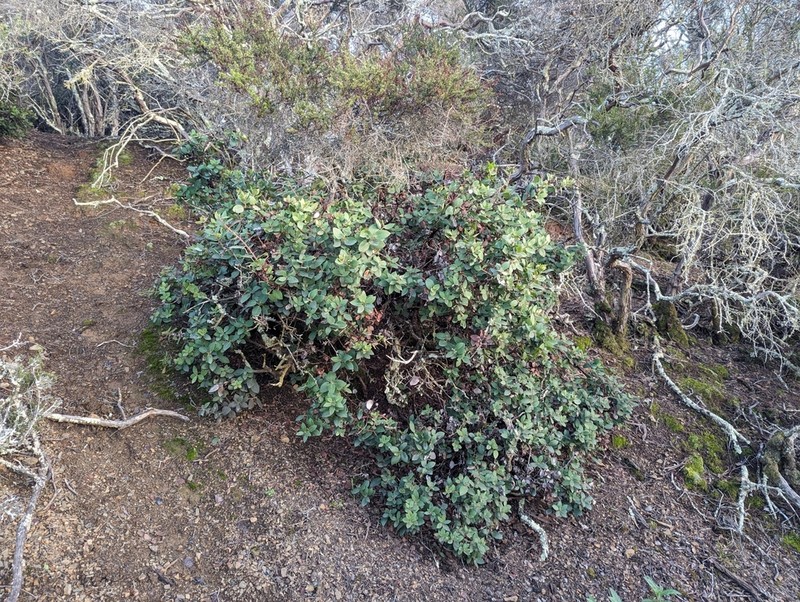
Taxonomy
- Division:
- Magnoliophyta | - Flowering plants
- Family:
- Ericaceae
- Genus:
- Arctostaphylos
- Species:
- Arctostaphylos crustacea
Growth Characteristics
- Growth Habit:
- Shrub
- Height:
- 300 cm
- Drought Tolerance:
- High
- Bloom Months:
- jan,feb,mar,apr
- Bloom Colors:
- white, pink
- Evergreen Shrub:
- Yes
- Landscaping Shrub:
- Yes
Keystone Species Ranking
- Caterpillar Keystone:
- ★★★★☆ Butterfly & moth species supported by this genus (NWF)
- Pollen Specialist Bee Keystone:
- ★★☆☆☆ Native pollen specialist bee species supported by this genus (NWF)
Reported Fauna Sightings
Moths:Marmara arbutiella
Garden & Ecology Notes
- Wildlife Value:
- birds, butterflies, small mammals
- Fire Ecology:
- Fire adapted — tolerates or benefits from fire
- Fire Notes:
- Resprouts from lignotuber after fire; seeds also germinate in response to fire cues.
Source: deepseek-v4-flash
Propagation & Germination
- Stratification:
- Cold/moist stratification required — 30–90 days
- Scarification:
- Seed coat scarification required before sowing
- Germination Time:
- 30–90 days
- Notes:
- Seeds require scarification (hot water or acid) followed by cold stratification for 30-90 days.
Source: deepseek-v4-flash
ORGHPS Germination Guide: Expose to fluctuation outdoor winter temperatures including freezing for 3 months. Gradually increase light and temperature in the spring. Requires light or the seed is very fine. Surface sow and expose to light. Requires scarification. Nick or rub between sheets of sandpaper. Requires soaking. Place in warm water until seeds swell, usually 24-48 hours. Discard water and any seeds that remain floating. * immerse in boiling water for 20 seconds