
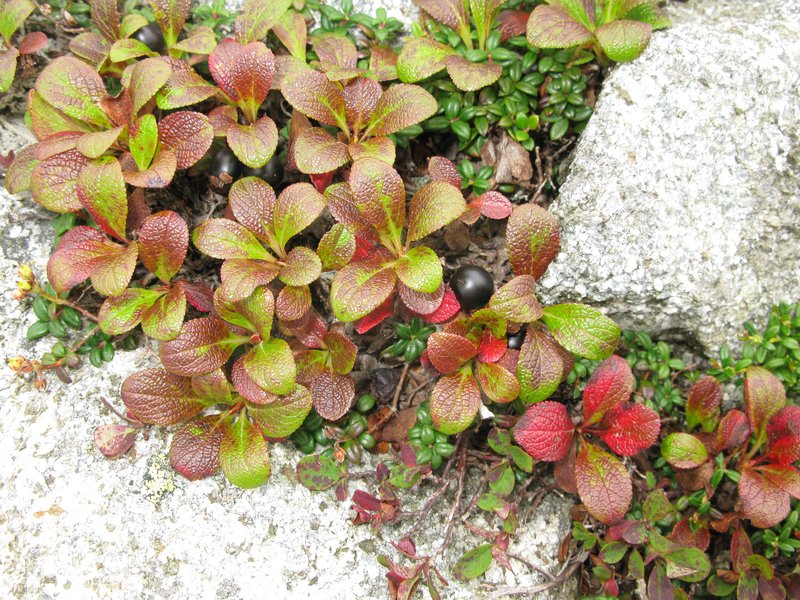
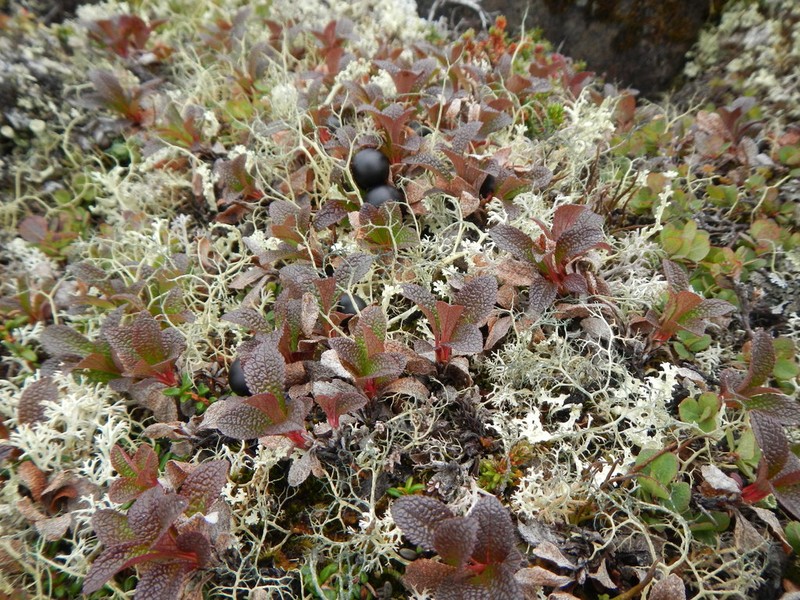
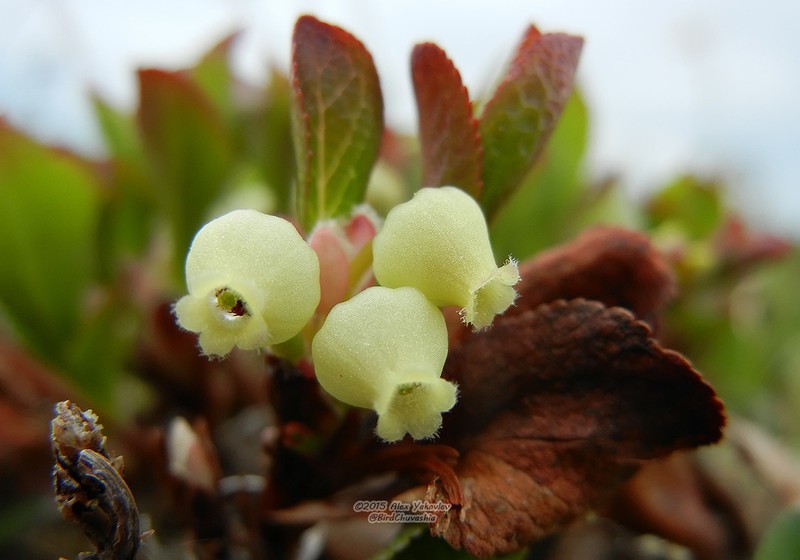
Alpine Bearberry
Arctous alpina
- Native to:
- Albania, Aleutian Is., Austria, Canada, China, Czechia-Slovakia, Denmark, Finland, France, Germany, Great Britain, Greenland, Italy, Japan, Kazakhstan, Kirgizstan, Kuril Is., Labrador, Norway, NW. Balkan Pen., Russia, Spain, Sweden, Switzerland, Ukraine, United States
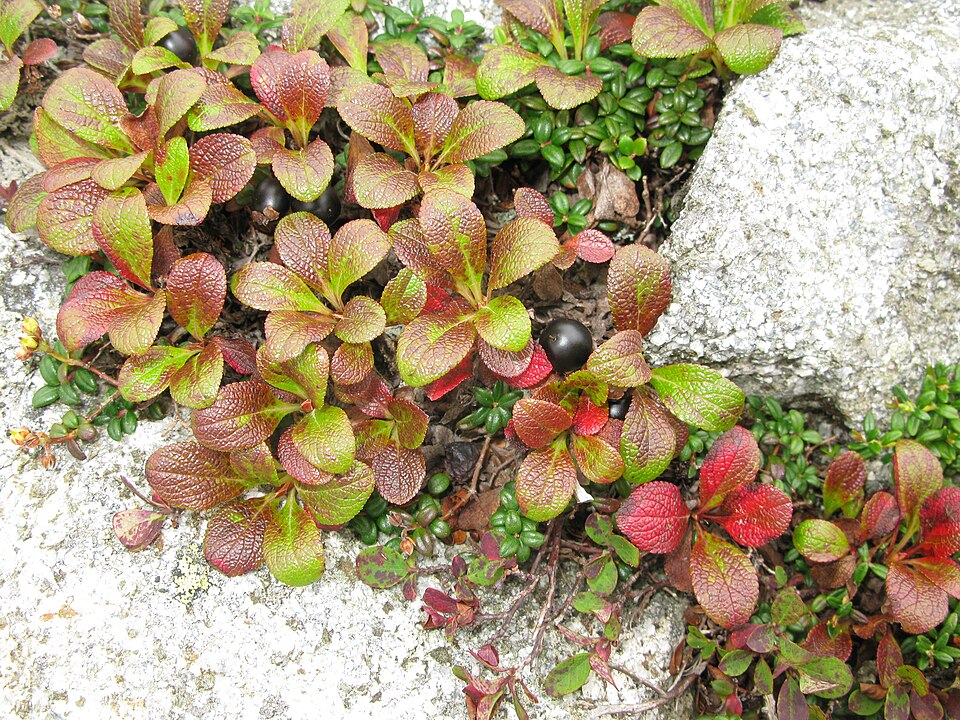
Qwert1234
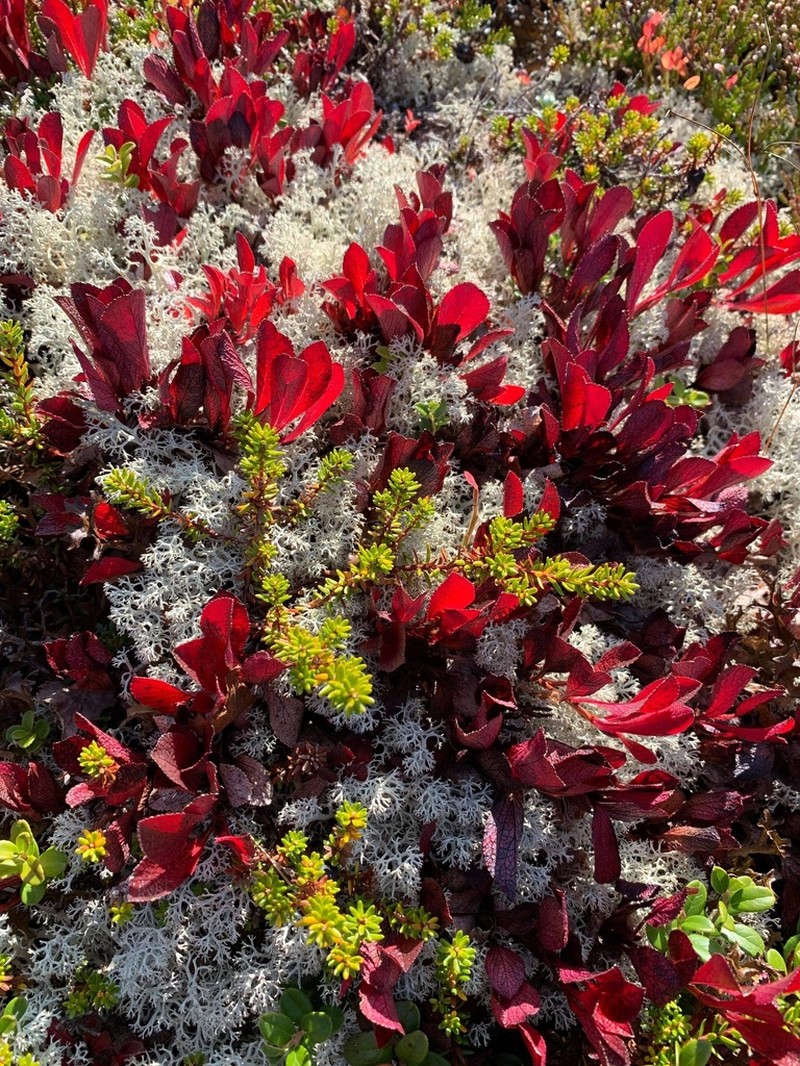
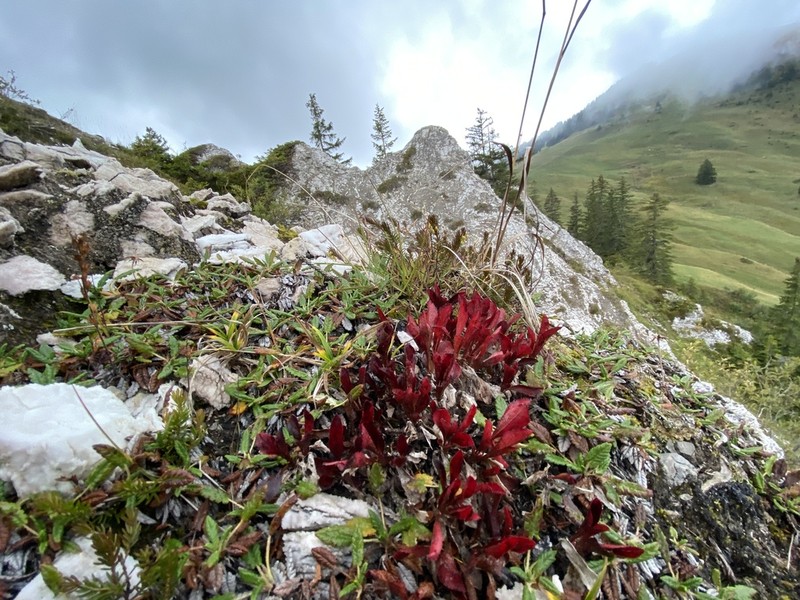
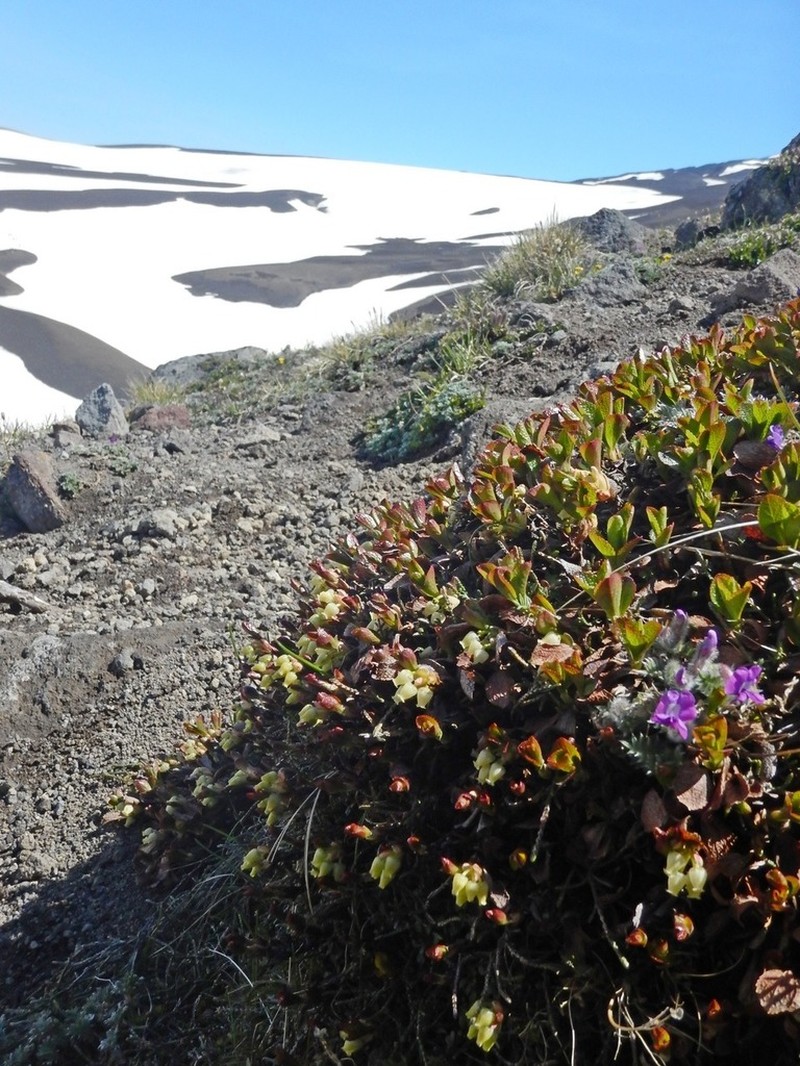
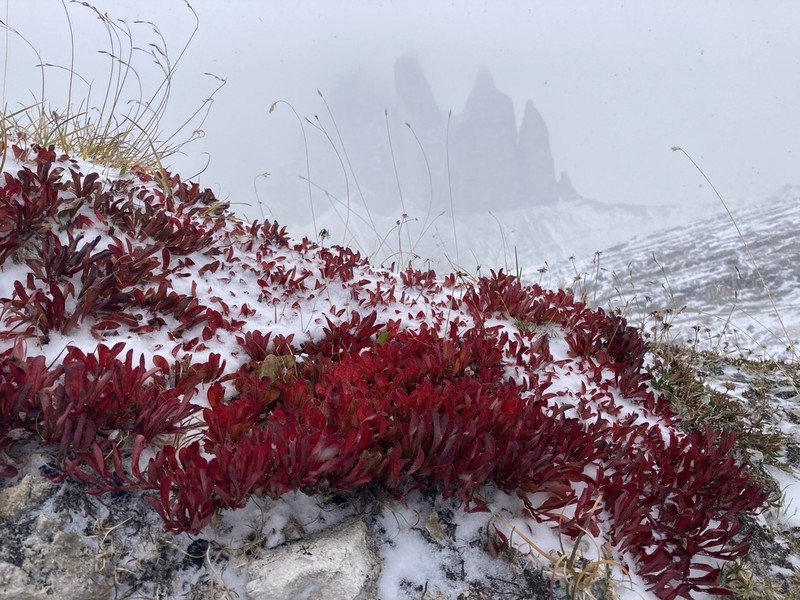
Taxonomy
- Division:
- Magnoliophyta | - Flowering plants
- Family:
- Ericaceae
- Genus:
- Arctous
- Species:
- Arctous alpina
- USDA Symbol:
- ARAL2
Growth Characteristics
- Life Cycle:
- Perennial
- Growth Habit:
- Shrub
- Height:
- 20 cm
- Light Requirements:
- Full Sun
- Drought Tolerance:
- Low
- Bloom Months:
- may,jun
- Bloom Colors:
- white, pink
- Ground Cover:
- Yes
Wildlife Benefits
- Bees:
- ★★★☆☆ Documented bee visitation (GBIF)
- Butterflies & Moths:
- ★☆☆☆☆ Documented Lepidoptera association (GBIF)
- Caterpillars:
- ★☆☆☆☆ Recorded caterpillar host plant (HOSTS Database)
Host Plant for Caterpillars
Mendocino saturnia moth (Saturnia mendocino)
Garden & Ecology Notes
- Wildlife Value:
- birds, small mammals
- Fall Color:
- red, orange
Soil Requirements
- Soil Type:
- sandy, acidic, nutrient-poor soil
- pH:
- 4.5 - 6.5 (acidic to slightly acidic)
- Drainage:
- excellent drainage required
- Moisture:
- dry to moderate
- Notes:
- native to alpine and subarctic regions
Propagation & Germination
- Stratification:
- Cold/moist stratification required — 60–90 days
- Germination Time:
- 30–60 days
- Notes:
- Seeds require cold stratification for 60-90 days to break dormancy.
Pre-treatment: Not given
Establishment: The provided protocol lacks specific information on propagation source, pre-treatment, establishment protocol, temperature, germination rate, and germination time range for Andromeda polifolia.
Source: npn.rngr.net