
Black Huckleberry
Gaylussacia baccata
- Native to:
- Canada, Prince Edward I., United States, Virgin Islands
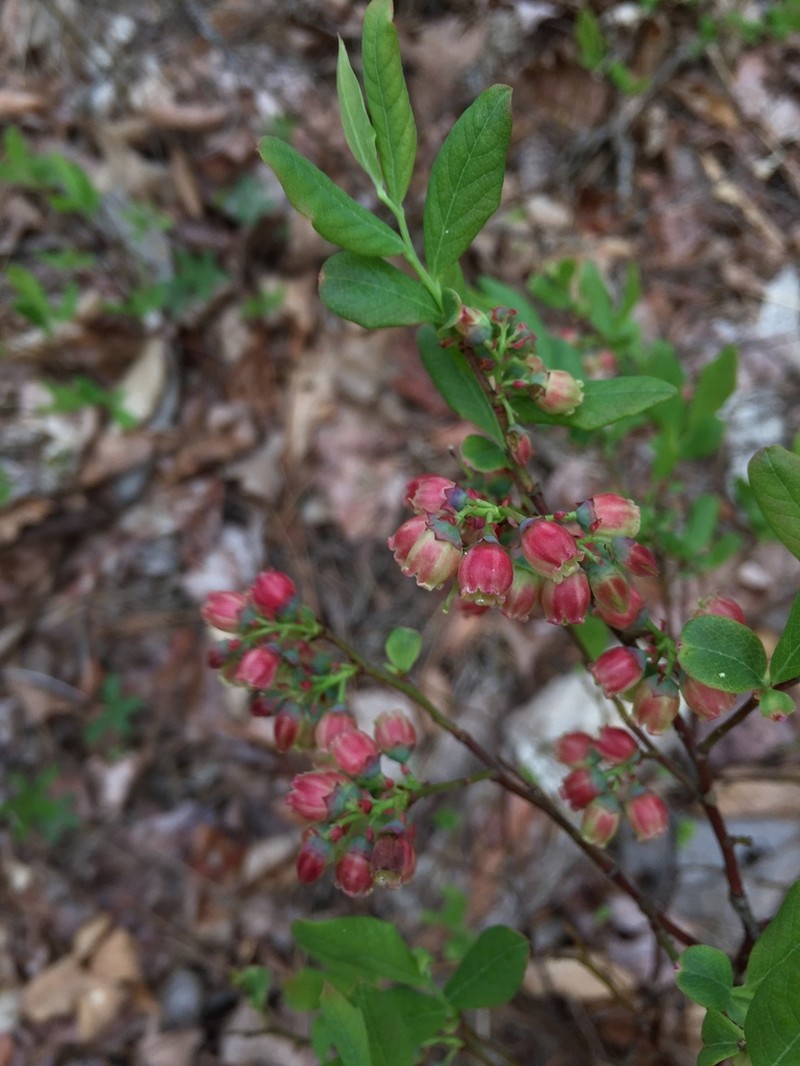
iNaturalist: © bobcc (iNaturalist #22912282)
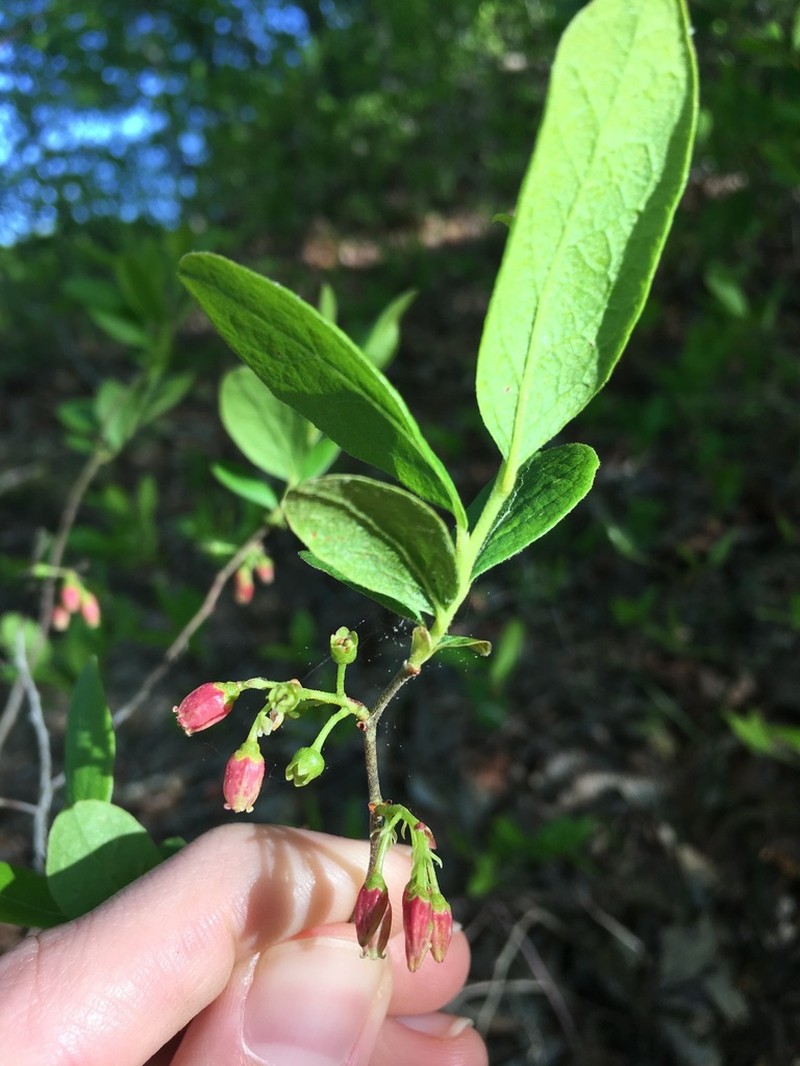
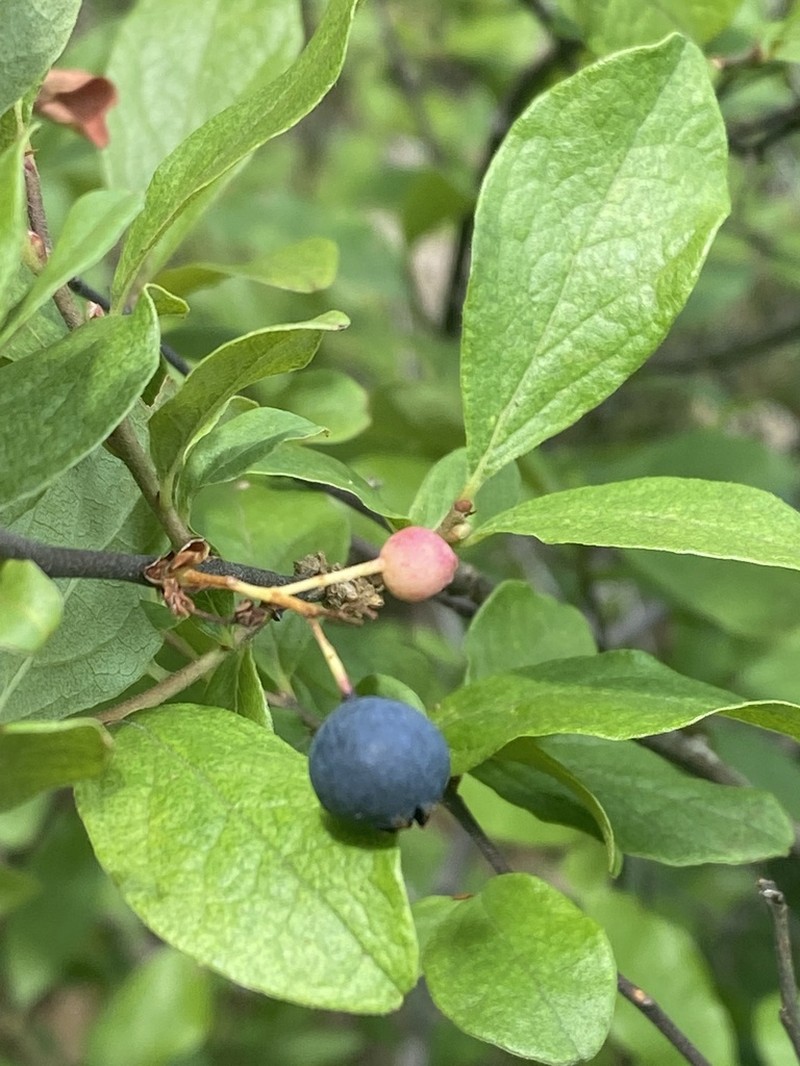
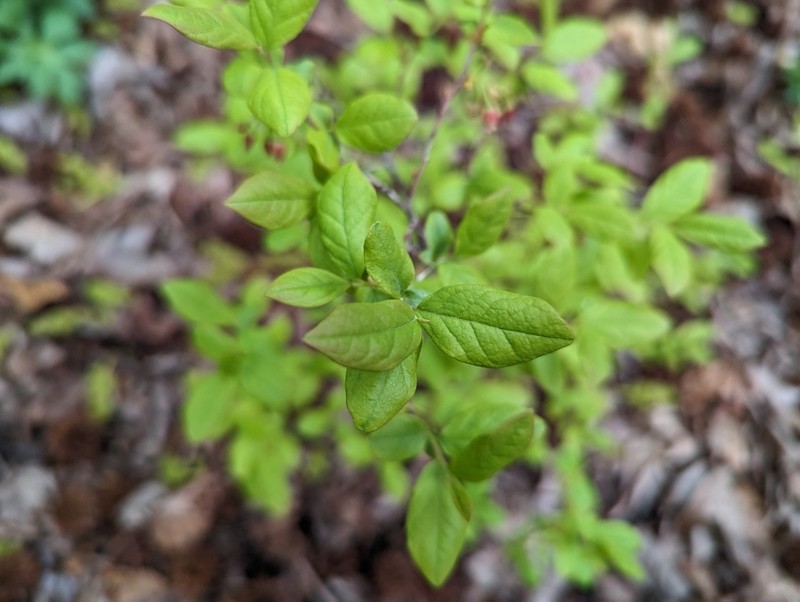
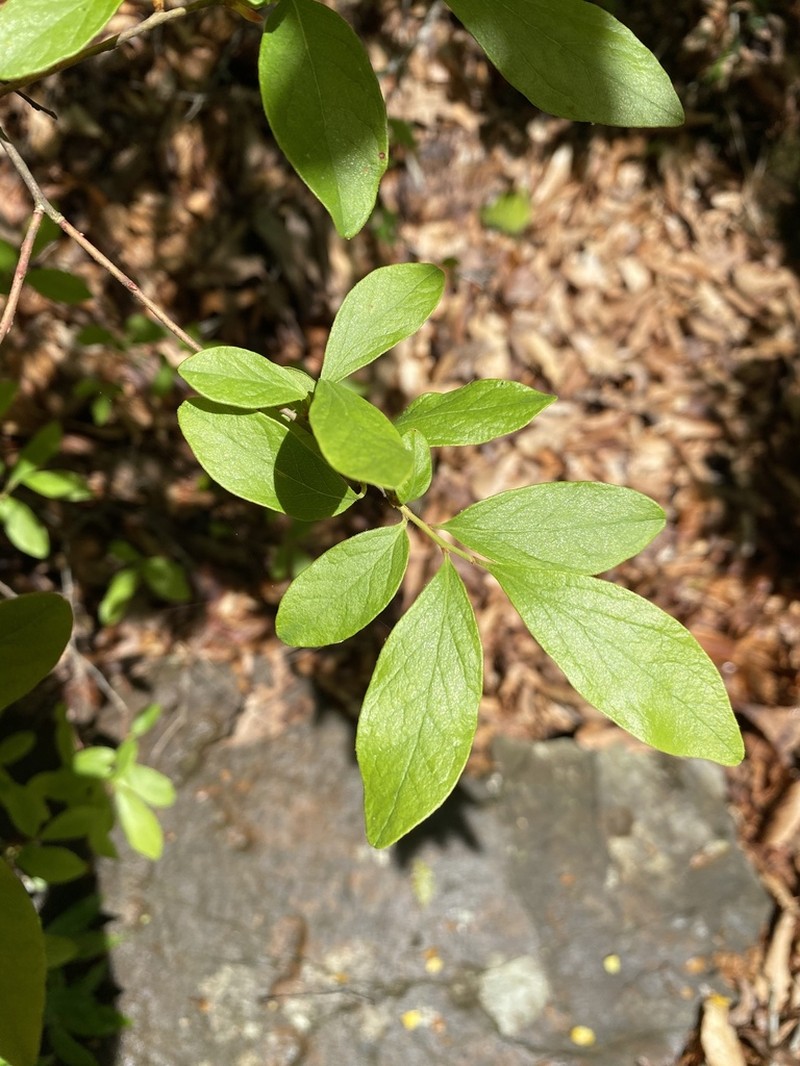
Taxonomy
- Division:
- Magnoliophyta | - Flowering plants
- Family:
- Ericaceae
- Genus:
- Gaylussacia
- Species:
- Gaylussacia baccata
- USDA Symbol:
- GABA
Growth Characteristics
- Life Cycle:
- Perennial
- Growth Habit:
- Shrub
- Height:
- 100 cm
- Light Requirements:
- Full Sun,Part Shade,Shade
- Drought Tolerance:
- Medium
- Bloom Months:
- apr,may,jun
- Bloom Colors:
- pink, white
- Landscaping Shrub:
- Yes
Wildlife Benefits
- Bees:
- ★☆☆☆☆ Documented bee visitation (GBIF)
- Butterflies & Moths:
- ★★☆☆☆ Documented Lepidoptera association (GBIF)
- Caterpillars:
- ★★☆☆☆ Recorded caterpillar host plant (HOSTS Database)
Keystone Species Ranking
- Caterpillar Keystone:
- ★★★☆☆ Butterfly & moth species supported by this genus (NWF)
Host Plant for Caterpillars
Reported Fauna Sightings
Garden & Ecology Notes
- Wildlife Value:
- birds, small mammals
- Fall Color:
- red, orange
- Fire Ecology:
- Fire adapted — tolerates or benefits from fire
- Fire Notes:
- Can resprout from root crown after fire; benefits from periodic fire to reduce competition.
Soil Requirements
- Soil Type:
- sandy, acidic, nutrient-poor soil
- pH:
- 4.0 - 5.5 (strongly acidic to acidic)
- Drainage:
- excellent drainage required
- Moisture:
- dry to moderate
- Notes:
- prefers open, sunny locations in native habitats
Propagation & Germination
- Stratification:
- Cold/moist stratification required — 60–90 days
- Germination Time:
- 30–60 days
- Notes:
- Seeds require cold stratification for 60-90 days to break dormancy.
Pre-treatment: After sowing, seed trays are given a 1 month period of warm moist stratification with alternating day-night temperatures (optimum is 86/68°F though our greenhouse averaged about 75/65°F), followed by two months cool moist stratification at approximately 45-50°F.
Establishment: Seedlings are very slow growing. During establishment, it is important to keep the soil surface evenly moist. Do not allow media to remain saturated, dry out or develop a surface crust. Fungus gnats can become a problem and larval feeding may damage seedling roots, therefore treatment may be necessary.
Source: npn.rngr.net
ORGHPS Germination Guide: Sow @ 20C for 3 months, then place @ 4C for 3 months.