
Blue Huckleberry
Gaylussacia frondosa
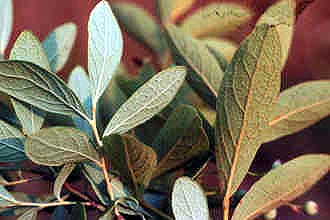
Robert H. Mohlenbrock. Provided by USDA NRCS Wetland Science Institute (WSI).
Taxonomy
- Division:
- Magnoliophyta | - Flowering plants
- Family:
- Ericaceae
- Genus:
- Gaylussacia
- Species:
- Gaylussacia frondosa
Growth Characteristics
- Life Cycle:
- Perennial
- Growth Habit:
- Shrub
- Height:
- 6-8 ft
- Light Requirements:
- Full Sun
- Drought Tolerance:
- High
- Bloom Months:
- apr, may, jun
- Bloom Colors:
- Green, Purple
- Evergreen Shrub:
- Yes
- Landscaping Shrub:
- Yes
Keystone Species Ranking
- Caterpillar Keystone:
- ★★★☆☆ Based on number of butterfly and moth species using this genus as host plant (Source: National Wildlife Federation)
Host Plant for Caterpillars
Cecropia moth (Hyalophora cecropia), Drexel's datana moth (Datana drexelii), Gypsy moth (Lymantria dispar), Huckleberry sphinx (Paonias astylus), Phyllonorycter diversella, waxmyrtle wave moth (Cyclophora myrtaria)
Reported Fauna Sightings
Bees: Yellow head bumble bee (Bombus flavifrons), Yellow head bumble bee (Bombus flavifrons)
Soil Requirements
- Soil Type:
- sandy, acidic, nutrient-poor soil
- pH:
- 4.5 - 6.0 (acidic to slightly acidic)
- Drainage:
- excellent drainage required
- Moisture:
- consistently moist
- Notes:
- prefers habitats like bogs and pine barrens
Germination Information
Pre-treatment: Cold-moist stratification for 30 days at 1–5°C (34–41°F).; then Cold-moist stratification for 60 days.
Source: OpenAI GPT-4o